This guide explains what 265 cc means, how engine displacement affects performance, and what buyers should examine when comparing motorcycles, scooters, and power equipment in this class. A 265 cc engine is defined by its swept cylinder volume rather than by one universal design or performance rating. Output, fuel economy, durability, emissions, maintenance needs, and road suitability depend on the engine layout, tuning, transmission, vehicle weight, and manufacturer specifications.
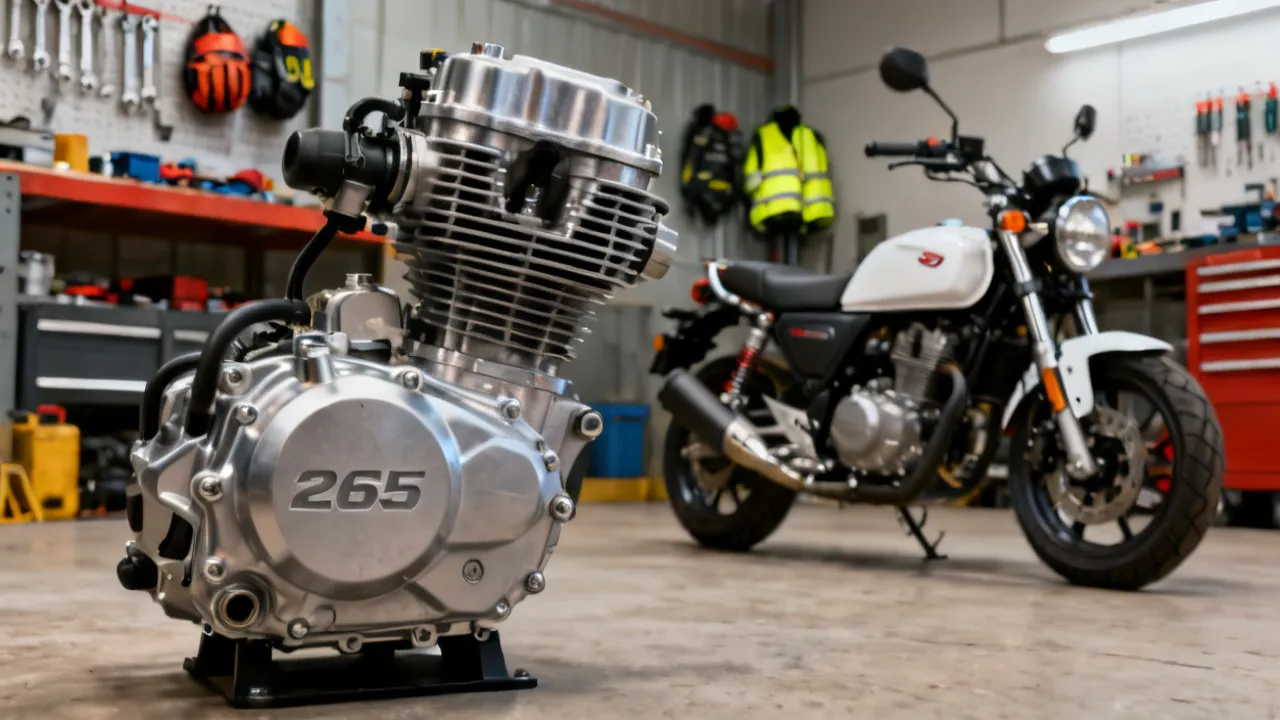
In automotive language, 265 cc refers to an engine displacement of 265 cubic centimetres. The number describes the total volume swept by the piston or pistons as they travel between the top and bottom of their movement. It does not, by itself, identify a particular motorcycle, scooter, generator, agricultural machine, or engine manufacturer. Multiple products can carry a 265 cc designation while differing considerably in power, fuel consumption, dimensions, weight, equipment, reliability, and intended use.
For buyers, the most important conclusion is straightforward: displacement is a useful starting point, not a complete performance specification. A 265 cc single-cylinder engine tuned for low-speed torque may feel very different from a 265 cc multi-cylinder engine designed to operate at higher engine speeds. Vehicle mass, gearing, aerodynamics, suspension, tyre choice, rider weight, passenger load, and electronic controls also influence the final experience.
A 265 cc engine often occupies a practical middle position in the two-wheeler market. It may provide more reserve than a small commuter engine while remaining lighter, less expensive, and potentially more economical than a larger recreational or touring motorcycle. Whether that balance suits a particular rider depends on local traffic, road gradients, travel distance, passenger use, climate, licensing rules, and the availability of maintenance support.
Industry professionals therefore recommend assessing a 265 cc product through a complete specification set. This normally includes maximum power, peak torque, engine speed at which those figures occur, kerb or dry weight, fuel capacity, transmission type, cooling system, braking equipment, suspension travel, service intervals, emissions certification, and the manufacturer’s intended operating environment.
Engine displacement is calculated from the cylinder bore, piston stroke, and number of cylinders. Bore is the internal diameter of the cylinder, while stroke is the distance the piston travels from its uppermost position to its lowest position. For a single-cylinder engine, the formula is commonly expressed as:
Displacement = π/4 × bore² × stroke × number of cylinders
The result is usually stated in cubic centimetres, abbreviated as cc or cm³. A manufacturer may round the published figure for marketing or model-classification purposes, so an engine sold in a “265 cc” category may not have an exact measured displacement of 265.000 cc. Buyers who need legal or technical precision should consult the official technical specification, registration document, or homologation record.
Displacement is sometimes also expressed in litres. A 265 cc engine equals 0.265 litres. This conversion is useful when comparing motorcycles with automobiles, but it should not lead to a direct performance comparison. A motorcycle engine is often designed to operate at a much higher engine speed than a car engine, and the vehicle has a different mass, transmission, aerodynamic profile, and purpose.
The bore-to-stroke relationship also influences engine character. A relatively long-stroke engine may provide a strong torque feel at lower engine speeds, while a short-stroke design may be able to operate at higher revolutions and produce a different power delivery. These are broad tendencies rather than fixed rules, because valve timing, compression ratio, combustion design, electronic calibration, and exhaust tuning remain highly influential.
Displacement provides an indication of how much air-and-fuel mixture an engine can process during its operating cycle. In broad terms, a larger displacement can support greater torque and power when other design factors are comparable. However, the relationship is not perfectly linear. Compression ratio, valve timing, induction design, exhaust configuration, ignition mapping, friction, cooling, and engine speed all affect the final output.
A larger engine may produce more torque without needing to operate at extremely high revolutions. This can make it feel relaxed under load. A smaller but highly tuned engine may produce similar peak power by operating at a higher engine speed, although its riding technique and gearing may feel different. A 265 cc engine can therefore be configured for easy everyday riding, energetic acceleration, low fuel use, off-road flexibility, or a combination of those objectives.
Displacement also affects the physical design of the engine. More capacity can require larger internal components, a stronger crankshaft, greater cooling capacity, and a heavier transmission or clutch. It may also influence the size of the frame, fuel system, exhaust, and braking equipment. These engineering decisions affect the complete vehicle rather than just the engine itself.
There is no single performance profile for every 265 cc engine. Some are calibrated for smooth urban acceleration, while others prioritise responsive mid-range output for open roads or light off-road use. A liquid-cooled engine with modern fuel injection may maintain its operating temperature and throttle response differently from an air-cooled engine with a simpler configuration.
Several characteristics deserve attention:
An expert assessment should avoid treating advertised peak power as the sole indicator of usefulness. A motorcycle with moderate peak output and a broad torque curve can be easier to ride in daily traffic than one that produces its top figures only at high engine speed. Conversely, riders who regularly use motorways, carry a passenger, or travel on steep mountain roads may place greater value on reserve power and appropriate gearing.
Acceleration is also affected by the relationship between output and vehicle mass. A relatively light 265 cc motorcycle can feel lively and responsive, while a heavily equipped adventure model with protective parts, luggage racks, a large fuel tank, and substantial bodywork may deliver calmer acceleration. Weight influences braking distance, manoeuvrability, fuel consumption, suspension loading, and ease of parking.
The 265 cc class can appear in several motorcycle formats. Each format changes how the available engine capacity is experienced.
| Vehicle type | Typical design emphasis | Important evaluation points |
|---|---|---|
| Standard or naked motorcycle | Balanced seating position and general-purpose handling | Ergonomics, wind protection, gearing, braking, and everyday practicality |
| Sport-oriented motorcycle | Sharper styling, responsive handling, and a more forward riding posture | Rider comfort, suspension adjustment, tyre quality, and heat management |
| Adventure or dual-sport motorcycle | Ground clearance, upright ergonomics, and mixed-surface capability | Wheel size, suspension travel, protection, luggage limits, and tyre availability |
| Cruiser-style motorcycle | Relaxed seating and low-speed riding comfort | Seat height, foot-control position, weight distribution, and turning clearance |
| Scooter | Automatic transmission, step-through access, and urban convenience | Storage, wheel diameter, braking system, passenger space, and service access |
| Off-road motorcycle | Low weight, suspension travel, and traction on loose surfaces | Ground clearance, wheel construction, protection, tyre type, and air-filter access |
These categories show why the same displacement may suit different users. A scooter may be particularly convenient for short urban journeys because it offers automatic transmission and built-in storage. A standard motorcycle may provide more direct control and easier maintenance access. An adventure-style model may be chosen for road versatility, but its additional equipment can increase weight and purchase cost. An off-road machine may be highly capable on trails but less comfortable on long paved journeys.
Power describes the rate at which work is performed, while torque describes rotational force. Riders often feel torque as pulling ability, particularly during acceleration and hill climbing. Power becomes increasingly relevant as speed rises because maintaining speed against air resistance requires greater output.
When comparing 265 cc products, examine the complete power and torque curve if the manufacturer provides one. A single peak number cannot show whether output is available smoothly across the rev range. The engine speed associated with peak torque is also significant. A lower peak-torque speed may support relaxed urban riding, whereas a higher figure may indicate an engine designed to be worked more actively.
Official figures should be compared carefully because test methods vary by jurisdiction and because manufacturers may report crankshaft output, rear-wheel output, or values measured under different conditions. The owner’s manual, homologation documents, and official product specification are more reliable than informal listings or unverified marketplace claims.
Gearing can make two motorcycles with similar output feel completely different. Shorter gearing may improve low-speed acceleration and hill climbing but increase engine speed during cruising. Taller gearing may reduce engine speed on open roads but make the motorcycle less responsive under heavy load. Automatic transmissions and continuously variable transmissions create another type of comparison because they may keep the engine in a selected operating range without direct rider gear changes.
Many engines in this capacity range use one cylinder because the layout is compact, mechanically straightforward, and relatively light. A single-cylinder engine can offer strong low- and mid-range character, but it may transmit more vibration than a multi-cylinder design. Counterbalancers, engine mounts, crankshaft design, and frame construction can reduce this effect.
Single-cylinder engines may also be narrower and easier to package in a compact motorcycle. They often have fewer pistons, connecting rods, and cylinder-head components, which can simplify manufacturing and some maintenance procedures. However, the piston and crankshaft may experience substantial pulses during each combustion event. The rider may notice this through vibration, a distinctive exhaust note, or a more pronounced response to throttle changes.
A multi-cylinder 265 cc engine divides the total displacement among two or more cylinders. This can produce smoother operation and a different high-speed character, although it may add mechanical complexity, weight, manufacturing expense, and service requirements. Neither arrangement is universally superior. The appropriate choice depends on intended use and personal priorities.
From a maintenance perspective, a single-cylinder engine may have fewer components to inspect, but that does not eliminate the need for disciplined servicing. Valve clearance, lubrication, cooling, intake filtration, ignition, chain adjustment, and electrical condition remain important. A multi-cylinder engine may require additional attention to synchronisation, multiple spark plugs, and more complex access procedures.
Modern 265 cc motorcycles and scooters commonly use electronic fuel injection, although older or specialised machines may use a carburettor. Fuel injection can automatically adjust fuelling within the limits of its control system, supporting easier starting and more consistent operation across changing temperatures and elevations. It also works with catalytic converters and other emissions-control equipment.
Carburetted systems can be mechanically understandable and repairable, but they may need adjustment after changes in altitude, intake components, or exhaust configuration. Cold starting may require a choke or enrichment procedure. When inspecting an older 265 cc vehicle, starting behaviour, idle stability, fuel leakage, and throttle response should be checked carefully.
Electronic fuel injection does not eliminate maintenance concerns. Battery condition, sensors, fuel-pump health, wiring connectors, and software diagnostics remain relevant. A weak battery can cause starting problems, and poor-quality fuel can affect injectors or fuel-system components. Owners should follow the fuel guidance in the manufacturer’s manual rather than relying on general assumptions.
When a fuel-injected motorcycle is difficult to start, the cause may involve the battery, fuel pressure, crank-position sensor, engine-temperature sensor, injector, ignition system, or an air leak. Replacing parts without diagnosis can be expensive and may not correct the problem. A workshop with suitable diagnostic equipment should be used when the cause is unclear.
Air cooling uses airflow over engine fins to remove heat. It can be simple and lightweight, but temperature control may vary with ambient conditions, traffic speed, load, and riding style. Liquid cooling circulates coolant through passages around the engine and transfers heat through a radiator. This arrangement can provide more consistent temperature management during prolonged high-load operation.
For a 265 cc motorcycle used in congested streets or warm climates, inspect the cooling system as carefully as the engine itself. The radiator should be free from severe blockage or damage, coolant hoses should not show cracks or swelling, and the cooling fan should operate according to the manufacturer’s test procedure. Coolant must be replaced at the specified interval and should be compatible with the engine materials.
Heat management also involves rider comfort. Fairings, exhaust routing, seat design, and engine placement can influence how much warmth reaches the rider’s legs. A test ride in realistic traffic is more informative than a short demonstration in an open parking area. Overheating warnings, coolant smell, repeated fan operation after short journeys, or visible coolant loss should not be dismissed.
A manual transmission gives the rider direct control over gear selection and engine braking. It can be advantageous on steep roads or when adapting speed precisely. An automatic or continuously variable transmission, commonly found on scooters, simplifies urban riding and reduces the need for clutch operation. Each system has its own inspection and service requirements.
Manual motorcycles require attention to clutch engagement, cable or hydraulic operation, gear selection, chain condition, and sprocket wear. Signs of concern include clutch slip under acceleration, difficulty selecting neutral, unusual transmission noise, or a chain that cannot be adjusted within the specified range.
Scooters with automatic transmissions require inspection of the drive belt, variator components, clutch assembly, and transmission case. Acceleration should be smooth, without persistent shuddering or abnormal noises. Service intervals vary considerably, so the official maintenance schedule should be obtained before purchase.
Engine braking can be useful, but riders should not rely on it as a substitute for properly maintained brakes. Downshifting abruptly on a slippery surface may cause the driven wheel to lose grip. Smooth gear selection, progressive braking, and appropriate speed remain important regardless of engine capacity.
A 265 cc engine may consume less fuel than a larger engine, but displacement alone cannot guarantee a particular result. Fuel consumption is shaped by vehicle mass, riding speed, aerodynamic drag, tyre pressure, traffic density, terrain, passenger load, temperature, maintenance, and throttle use.
Official laboratory figures can help compare models tested under the same regulatory procedure. They should not be treated as a promise of real-world consumption. The U.S. Environmental Protection Agency, European Union regulatory authorities, and other national agencies publish testing frameworks and consumer information for applicable vehicles. These sources are more dependable than unverified online claims, but actual use will still vary.
To monitor a motorcycle objectively, record the odometer reading and fuel volume over several refuelling cycles. Keep conditions reasonably consistent and note whether the riding involved city traffic, open roads, luggage, or a passenger. A sudden change in consumption may indicate underinflated tyres, a clogged air filter, brake drag, fuel-system issues, or an engine fault.
Fuel range depends on both consumption and tank capacity. A highly economical motorcycle with a small tank may need refuelling more frequently than a less economical motorcycle with a larger tank. Riders planning rural or remote journeys should identify fuel stations in advance and avoid treating the manufacturer’s theoretical range as a guaranteed reserve.
The engine is only one part of a safe and satisfying 265 cc motorcycle. Chassis design determines how effectively the available performance can be controlled. A professional inspection should cover frame alignment, steering-head bearings, wheel bearings, fork seals, rear-shock condition, brake-disc wear, pad thickness, hoses, and tyre age.
Anti-lock braking systems can help reduce wheel lock during hard braking when road conditions and system operation are within their design limits. They do not eliminate the need for appropriate speed, following distance, tyre maintenance, or rider training. If a motorcycle is equipped with ABS, warning lights should extinguish according to the manufacturer’s normal startup procedure.
Tyres should be selected according to the approved size, load index, speed rating, and intended surface. A 265 cc adventure motorcycle fitted with road-oriented tyres will behave differently from one equipped with a more aggressive tread pattern. Tyre pressure should be checked when the tyres are cold and adjusted according to the owner’s manual.
Suspension should keep the tyres in contact with the road while controlling pitch, rebound, and compression. A motorcycle that feels excessively soft may bottom out under braking or with luggage. A motorcycle that is excessively stiff may lose grip over rough surfaces and become uncomfortable. Preload, rebound, and compression adjustments should be made according to the manufacturer’s guidance rather than by arbitrary experimentation.
Rider fit is one of the most frequently underestimated factors in motorcycle selection. Seat height, handlebar reach, footpeg location, seat width, and overall mass influence confidence at low speed. A motorcycle that feels manageable in a showroom may be less comfortable after an hour on the road.
During an evaluation, the rider should be able to operate the controls without excessive wrist or knee strain. The feet do not necessarily need to sit completely flat on the ground, but the rider should feel capable of stabilising the motorcycle in likely parking and traffic situations. Handlebar position should permit relaxed shoulders and clear steering movement.
Passenger use requires a separate assessment. Check the passenger seat dimensions, grab handles, footrest position, rear suspension load rating, and luggage restrictions. A 265 cc motorcycle can carry a passenger within its approved limits, but acceleration, braking, cornering clearance, and fuel consumption will change with additional mass.
Riders should also consider weather protection. A naked motorcycle may offer excellent airflow in hot conditions but expose the rider to wind fatigue on fast roads. A scooter or faired motorcycle may provide more protection from rain and wind, although bodywork can make maintenance and repairs more expensive.
When purchasing a new 265 cc motorcycle or scooter, begin with the official model specification and the complete out-the-door price. The advertised figure may not include registration, documentation, delivery, accessories, taxes, insurance, or local administrative charges. These items differ by jurisdiction and should be confirmed in writing.
Ask the dealer or supplier for the following:
A professional supplier should be able to distinguish confirmed manufacturer information from sales estimates. If a specification differs between a brochure, website, and registration document, resolve the discrepancy before completing the purchase.
Used vehicles require a wider inspection because condition matters more than the displacement number. A clean appearance does not prove mechanical health. Start with the vehicle identification number and compare it with the registration paperwork and service records. Look for signs of accident repair, mismatched paint, uneven panel gaps, bent levers, scraped engine covers, and altered fasteners.
The engine should be inspected when cold if possible. A seller who warms the engine before arrival may be attempting to conceal starting difficulty, smoke, or excessive mechanical noise. Listen for abnormal knocking, rattling, ticking, or irregular idle. Some mechanical sounds are characteristic of a particular engine, so a qualified technician should assess anything unfamiliar.
During a road test conducted legally and safely, evaluate:
Service records are especially valuable when they identify dates, mileage, parts replaced, and workshop details. A record that only states “serviced” provides limited evidence. Confirm whether valve inspection, fluid replacement, air-filter renewal, brake maintenance, and drive-system work were performed at the recommended intervals.
Be cautious about heavily modified used motorcycles. Aftermarket exhausts, altered wiring, non-standard lighting, lowered suspension, racing components, and unusual gearing may affect legality, reliability, insurance, and resale value. Modifications are not automatically bad, but their quality and purpose should be verified.
Routine maintenance protects reliability and helps preserve the manufacturer’s intended performance. The exact schedule depends on the model, but common service areas include engine oil, oil filter, air filter, spark plug or plugs, valve clearance, coolant, brake fluid, drive chain or belt, wheel bearings, tyres, and battery.
Engine oil deserves particular attention because small-displacement engines may operate at relatively high engine speeds and may share oil with the clutch and gearbox. Use the specified viscosity, performance classification, and quantity. Overfilling can be harmful, while insufficient oil can accelerate wear. Check the level using the procedure described in the manual, as sight-glass and dipstick methods differ.
Drive-chain care involves cleaning, lubrication, alignment, and adjustment. A chain that is too tight can stress bearings and transmission components; a chain that is too loose can create harsh engagement or become unsafe. Belt-drive and shaft-drive systems have different service requirements, so owners should not apply chain-maintenance practices to them.
Valve-clearance inspection is often overlooked because symptoms may develop gradually. Hard starting, unstable idle, reduced performance, or unusual top-end noise can justify an earlier inspection. The correct measurement must be made with the engine at the prescribed temperature and position.
Brake fluid absorbs moisture over time, even when the motorcycle is not ridden extensively. Brake hoses, pads, discs, and callipers should be inspected for wear and leakage. Tyres also age regardless of mileage, so the date code and physical condition should be considered alongside tread depth.
New engines may require a running-in period specified by the manufacturer. This usually involves varying engine speed and load, avoiding prolonged operation at one speed, and observing any restrictions on heavy acceleration or high engine speed. The owner’s manual takes priority because procedures differ.
The first scheduled service is important even when the motorcycle appears to operate normally. It may include inspection of fasteners, fluid levels, chain adjustment, cable routing, software diagnostics, and early wear points. Keep invoices and maintenance records because they support warranty administration and can improve future resale confidence.
New owners should become familiar with the location and meaning of warning lights, fuse boxes, fluid reservoirs, toolkit components, tyre-pressure information, and emergency shut-off controls. Understanding these items before a problem occurs can reduce stress during a roadside incident.
A 265 cc vehicle must comply with the regulations of the jurisdiction where it is sold and operated. Requirements may cover exhaust emissions, noise, lighting, mirrors, brakes, tyres, identification plates, insurance, registration, and rider licensing. The applicable rules vary by country and sometimes by state, province, or municipality.
Do not assume that an engine can be made road-legal by changing its exhaust, removing emissions equipment, or modifying its intake. Such alterations may increase noise, affect fuelling, damage the engine, invalidate warranty coverage, or breach local law. Parts should be approved for the specific vehicle and installed according to the manufacturer’s instructions.
Licensing rules may be based on engine capacity, power output, power-to-weight ratio, age, training category, or a combination of these factors. Prospective riders should consult the relevant transport authority rather than relying on informal interpretations. Registration documents may also list a capacity that is rounded differently from the product’s marketing name.
The appropriate safety equipment is determined by local law, riding conditions, and risk-management principles. A certified helmet is fundamental. Gloves, abrasion-resistant riding clothing, protective footwear, and impact protection can reduce injury severity in a collision or fall. High-visibility elements may improve conspicuity, particularly in heavy traffic or poor weather.
Riders should develop braking and hazard-avoidance skills through recognised training. A 265 cc motorcycle may be approachable, but its performance is sufficient to create serious risk when speed, surface conditions, or following distance are misjudged. Smooth control inputs, active observation, and restraint in unfamiliar conditions are more valuable than aggressive riding technique.
Wet leaves, painted road markings, loose gravel, potholes, tram tracks, and standing water can reduce available grip. Tyres and suspension cannot overcome every surface hazard. Riders should moderate speed before hazards, maintain an escape route, and avoid abrupt steering or braking when traction is uncertain.
Riding with a passenger requires communication and preparation. The passenger should know how to mount, where to hold, how to keep feet away from hot or moving parts, and how to remain aligned with the rider during cornering. The rider should allow additional braking distance and account for changes in balance and acceleration.
For commuting, assess fuel range, storage, weather protection, seat comfort, low-speed balance, lighting, and ease of servicing. A 265 cc scooter may offer under-seat storage and an automatic transmission, while a motorcycle may provide greater adaptability to longer roads or varied terrain. Neither is automatically better; the daily route should guide the choice.
For touring, examine wind protection, luggage capacity, charging ports, passenger comfort, suspension load adjustment, and dealer support along frequently travelled routes. Engine size can be adequate for touring in one region and less suitable in another because road speed, elevation, traffic density, and climate differ.
Before a long journey, inspect tyre pressure, tread, oil level, coolant, brake operation, lights, chain or belt condition, and luggage attachment points. Distribute luggage evenly and remain within the approved payload. Heavy items placed high or far behind the rear axle can affect handling.
Plan fuel and rest stops according to the actual range of the vehicle. Wind, hills, passenger weight, and sustained high-speed travel may increase consumption. Carrying a basic emergency kit, reflective equipment, a charged phone, and appropriate tools can be valuable, particularly when travelling outside urban areas.
Some 265 cc motorcycles are designed for mixed-surface use, but displacement alone does not establish off-road capability. Ground clearance, suspension travel, wheel diameter, frame protection, engine guards, steering geometry, and tyre construction are more direct indicators.
Riders should confirm whether the manufacturer permits operation on unpaved surfaces and understand the limits of the equipment. Road tyres may perform adequately on compact gravel but can lose grip in mud or deep sand. Aggressive off-road tyres may improve loose-surface traction while producing more noise, slower steering response, and different braking behaviour on pavement.
Off-road riding also increases the importance of cleaning and inspection. Dust can affect the air filter, mud can conceal damage, and repeated impacts can loosen fasteners. After demanding use, inspect the rims, spokes where fitted, engine protection, controls, brake lines, and suspension components.
Displacement is only one design variable. Engine architecture, tuning, compression, cooling, fuel system, and speed range can produce substantial differences.
Additional capacity may provide greater reserve, but it can also increase weight, purchase cost, insurance expense, fuel use, and physical demands. Suitability depends on the route and rider.
Fuel injection changes the maintenance profile but does not eliminate battery, sensor, fuel-pump, injector, or wiring issues.
Acceleration also depends on gearing, vehicle mass, traction, torque delivery, rider technique, and transmission response.
Starting is only one test. Brakes, tyres, charging, suspension, bearings, frame condition, fluids, and service history require separate examination.
Top speed cannot be predicted accurately from displacement alone. Aerodynamics, gearing, power output, rider position, tyres, road conditions, and electronic restrictions all matter.
An objective comparison begins by defining the task. List the expected daily distance, maximum road speed, passenger frequency, luggage needs, terrain, climate, parking conditions, and service access. Then separate essential requirements from preferences.
| Comparison category | Questions to ask | Why it matters |
|---|---|---|
| Engine | What are the official power, torque, cooling, and fuel-system specifications? | Shows how the engine may suit the intended speed, load, and climate. |
| Weight | Is the listed figure kerb, wet, dry, or unladen weight? | Clarifies real-world manoeuvrability and payload capacity. |
| Ergonomics | Does the seating position remain comfortable during the planned journey? | Reduces fatigue and improves control. |
| Braking | Are the brake components and ABS configuration suitable for the vehicle? | Supports predictable deceleration when maintained correctly. |
| Service support | Are qualified technicians and replacement parts accessible? | Influences ownership convenience. |
| Legal compliance | Is the exact version approved for local registration and licensing? | Prevents avoidable legal and administrative problems. |
| Total ownership | What are the expected costs for insurance, tyres, servicing, fuel, and registration? | Creates a more realistic financial comparison than the purchase figure alone. |
This method avoids being distracted by styling or isolated specifications. A model that performs well on paper may not be the top choice if its seat, controls, service network, or operating cost conflict with the buyer’s circumstances.
It is also useful to compare the motorcycle’s specifications with the rider’s body size and actual load. A tall rider may need more legroom, while a shorter rider may prioritise seat width and stand-over height. A commuter carrying work equipment may need a stronger rear rack or secure luggage system. A touring rider should consider whether the suspension remains controlled when the motorcycle is loaded.
Several symptoms justify professional inspection:
One symptom does not establish a final diagnosis. However, ignoring warning signs can turn a manageable repair into a more expensive mechanical or safety problem. A qualified technician should use the manufacturer’s diagnostic procedures and suitable measuring equipment.
Warning lights should never be covered, disconnected, or ignored simply because the motorcycle continues to run. Some faults affect emissions, charging, temperature, braking assistance, or engine protection. The owner’s manual may identify whether a warning permits careful travel to a workshop or requires immediate stopping.
Owners sometimes modify exhausts, air filters, suspension, gearing, lighting, or luggage systems. Modifications should begin with a clear purpose and an understanding of their effect on reliability, legality, handling, and warranty coverage.
Changing final-drive gearing can alter acceleration and cruising engine speed. A shorter ratio may improve low-speed response but increase engine speed at a given road speed. A taller ratio may reduce engine speed on open roads but can make hill climbing more demanding. Any change should remain within the manufacturer’s engineering and legal limits.
Suspension adjustments should account for rider and luggage load. Increasing preload does not make a spring fundamentally stiffer; it changes ride height and available sag. If the suspension is poorly matched to the load, a professional setup is preferable to arbitrary adjustment.
Exhaust and intake changes may affect fuelling and emissions performance. Components that appear physically compatible may not be appropriate for the specific engine-control system. Retain original parts where possible and verify approval before installation.
Additional electrical accessories should be installed with appropriate fuses, connectors, cable protection, and load calculations. Excessive accessory demand can overwork the charging system or leave the battery unable to start the engine. Heated clothing, auxiliary lights, GPS units, and phone chargers should be assessed against the vehicle’s electrical capacity.
Responsible ownership includes reducing unnecessary fuel use, maintaining correct tyre pressure, preventing fluid spills, and disposing of used oil, filters, batteries, tyres, and coolant through authorised channels. Do not pour automotive fluids into drains or soil.
Efficient riding is supported by smooth acceleration, anticipatory braking, avoiding prolonged idling, and maintaining the vehicle according to the service schedule. These habits may also reduce component wear. Noise management matters in residential and natural areas, especially when a vehicle is equipped with an altered exhaust.
When a 265 cc motorcycle reaches the end of its service life, recycling and parts recovery should be handled through approved facilities. Local environmental authorities and licensed workshops can provide the applicable disposal requirements. A well-maintained vehicle may also remain useful for longer, reducing the environmental impact associated with premature replacement.
Before riding a 265 cc motorcycle or scooter on public roads, confirm the following conditions:
These requirements are not substitutes for local legal advice. Regulations change, and imported or modified vehicles may be subject to additional approval procedures. A vehicle that is legal in one country may not automatically be approved for registration in another.
The most reliable source for a specific 265 cc vehicle is the manufacturer’s current technical documentation for the exact model and market. The owner’s manual explains operation and maintenance, while registration or homologation documents establish legally recognised information. Authorised service departments can clarify service procedures and technical campaigns.
For broader questions about fuel economy, emissions, road safety, and licensing, consult the relevant national transport authority, environmental regulator, consumer-protection agency, and recognised road-safety organisation. Publications from bodies such as the U.S. Environmental Protection Agency, the European Commission, national vehicle-approval agencies, and established industry standards organisations may provide useful methodological context, but the applicable local rule remains decisive.
Online forums and owner communities can reveal recurring practical concerns, yet their reports should be treated as anecdotal unless supported by official service information or a properly documented technical investigation. Exact claims about reliability, acceleration, or consumption should not be accepted solely because they appear repeatedly online.
From an industry perspective, the 265 cc category can be attractive to riders seeking a balance between manageable size and useful road capability. It may suit a commuter who needs more flexibility than a very small motorcycle offers, a newer rider who has completed appropriate training, or an experienced rider looking for a lighter everyday machine.
It may be less suitable when the primary use involves frequent high-speed travel with a passenger and heavy luggage, persistent steep gradients, or long stretches where substantial reserve power is required. In those cases, a larger vehicle may provide a more comfortable margin, although the final choice should be based on the manufacturer’s specifications and a realistic test ride.
The category can also appeal to owners who value ease of ownership. A 265 cc motorcycle may consume less fuel than a much larger model, fit into smaller parking spaces, and place less demand on tyres and brakes. These possible advantages should still be verified against the exact model, because a heavy or highly equipped vehicle may have ownership costs closer to those of a larger motorcycle.
The strongest buying decision is not the one with the largest engine or the most impressive marketing language. It is the one that matches the rider’s route, physical requirements, legal category, maintenance capacity, and budget over the entire ownership period.
It is generally regarded as a mid-capacity engine in many two-wheeler markets, but classifications vary by region and vehicle type. A 265 cc scooter, standard motorcycle, or off-road machine may be evaluated differently because the chassis and intended use change the practical experience.
It can be suitable for some beginners who have completed the required training and can comfortably control the motorcycle. The decision should consider seat height, weight, throttle response, braking equipment, local licensing rules, and the rider’s confidence rather than displacement alone.
Whether it can be used legally depends on local road rules and vehicle approval. Whether it is comfortable depends on gearing, aerodynamics, rider position, traffic speed, wind conditions, and available power reserve. Check the official specifications and local regulations before planning motorway travel.
There is no universal answer. Top speed varies with power, gearing, vehicle weight, aerodynamics, tyres, rider position, road gradient, wind, and testing method. A manufacturer’s verified specification is more dependable than a general capacity-based estimate.
Fuel consumption is influenced by many factors, including speed, traffic, maintenance, rider weight, terrain, and vehicle design. A 265 cc engine may use less fuel than a larger engine under comparable conditions, but actual results should be measured from the specific vehicle and riding pattern.
The difference is 15 cubic centimetres of displacement, but the practical performance gap may be small or significant depending on engine design. Power, torque, tuning, weight, gearing, cooling, and aerodynamics should be compared instead of relying only on the capacity figures.
No. Engines in this capacity range may use air cooling or liquid cooling. Liquid cooling can provide more consistent thermal control during sustained high-load operation, while air cooling may offer a simpler layout. The correct choice depends on design and intended use.
The interval is model-specific. Follow the manufacturer’s owner’s manual for oil, filters, valve clearance, coolant, brake fluid, drive components, and inspection requirements. Severe traffic, dusty conditions, high temperatures, and frequent short journeys may justify more frequent attention.
Fuel injection generally supports convenient starting and electronically managed fuelling, while carburettors can have simpler mechanical construction. Reliability depends on design, maintenance, fuel quality, and component condition. Buyers should assess the exact system rather than applying a universal rule.
Verify the identification number and paperwork, inspect service records, start the engine cold, check for leaks and smoke, test the clutch or automatic transmission, inspect tyres and brakes, examine the frame and suspension, and confirm electrical operation. An independent inspection is advisable when the history is incomplete.
Some modifications may change output, but results depend on the complete engine system. Intake, exhaust, fuelling, ignition, cooling, and gearing must work together. Modifications can affect emissions compliance, noise, durability, insurance, and warranty coverage, so approval and professional advice are important.
It indicates the engine’s total swept displacement, just as it does on a motorcycle. A scooter may feel different because its automatic transmission, bodywork, wheel size, chassis, and storage equipment influence acceleration, handling, weight, and practicality.
It may be, provided the vehicle is approved for two occupants and the combined rider, passenger, and luggage weight remains within the manufacturer’s limit. Performance and braking will change with the added load, so the rider should adjust speed, following distance, and suspension settings where permitted.
It can serve either purpose when the design matches the route. Commuters should prioritise low-speed control, comfort, storage, and service access. Tourers should examine wind protection, luggage capacity, passenger comfort, fuel range, suspension load capability, and performance at sustained road speeds.
The term 265 cc identifies engine displacement, not a guaranteed level of speed, economy, quality, or suitability. A well-informed evaluation considers the engine layout, power and torque delivery, cooling system, transmission, vehicle weight, chassis, brakes, ergonomics, legal status, service support, and total ownership requirements.
For prospective buyers, the most reliable process is to define the intended use, verify official specifications, compare complete ownership factors, inspect the exact vehicle, and test it under realistic conditions. With that approach, a 265 cc motorcycle or scooter can be judged on evidence rather than assumptions, helping the buyer select equipment that is practical, compliant, maintainable, and appropriate for the roads it will actually travel.
Striking the Perfect Balance: Navigating Premiums and Out-of-Pocket Expenses in Senior Insurance Plans

Explore the Tranquil Bliss of Idyllic Rural Retreats

How to Make Lasting Memories at Disneyland Attractions

Affordable Phones and Plans for Seniors

Affordable Full Mouth Dental Implants Near You

Unlock the Top Kept Secrets to Finding Your Ideal Dentist for Flawless Dental Implant Results!

Discovering Springdale Estates

Unveiling RS Sul Telecom Services

The Guide to Car Trading

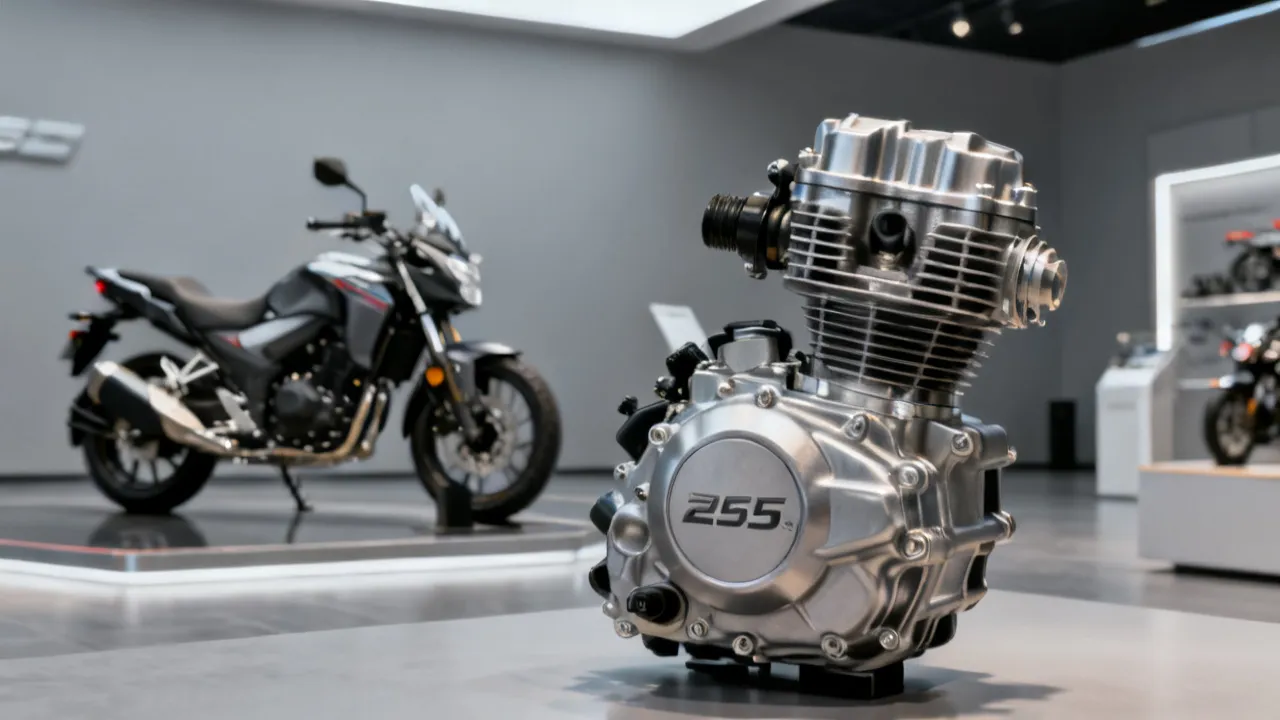
Understanding 265 Cc Engines and Vehicles
This guide explains what 265 Cc means, how engine displacement affects performance, efficiency, maintenance, and vehicle selection, and which specifications should be checked before purchase. A 265 cc engine is a power unit with a swept cylinder volume of approximately 265 cubic centimetres, although actual output varies according to cylinder count, design, tuning, fuel system, transmission, vehicle weight, and emissions equipment. Buyers should assess complete manufacturer specifications rather than displacement alone.
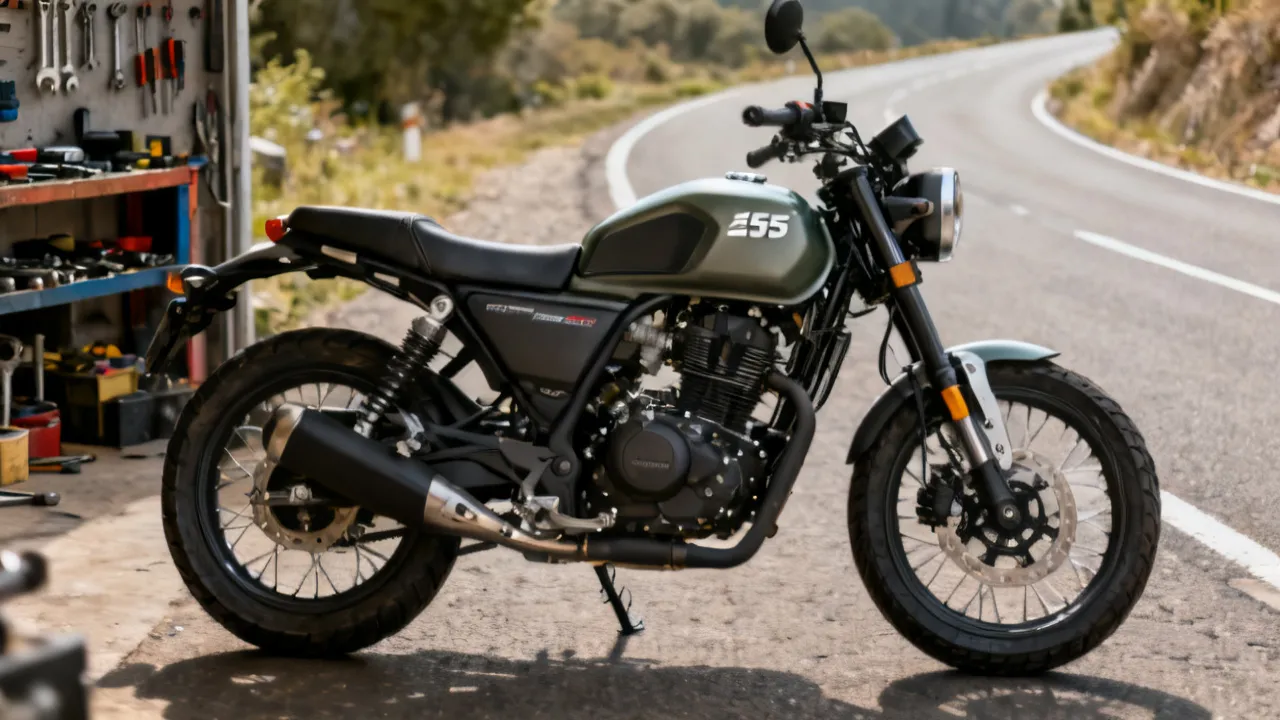
Understanding the 265 Cc Motorcycle Class
This guide explains what a 265 Cc motorcycle specification means and how buyers can evaluate performance, efficiency, comfort, maintenance, safety, and ownership costs. A 265 cc engine belongs to the lightweight-to-mid-displacement category, although actual capability depends on engine design, gearing, chassis construction, rider conditions, and regulatory requirements. The article provides an objective framework for comparing models without assuming that displacement alone determines quality.
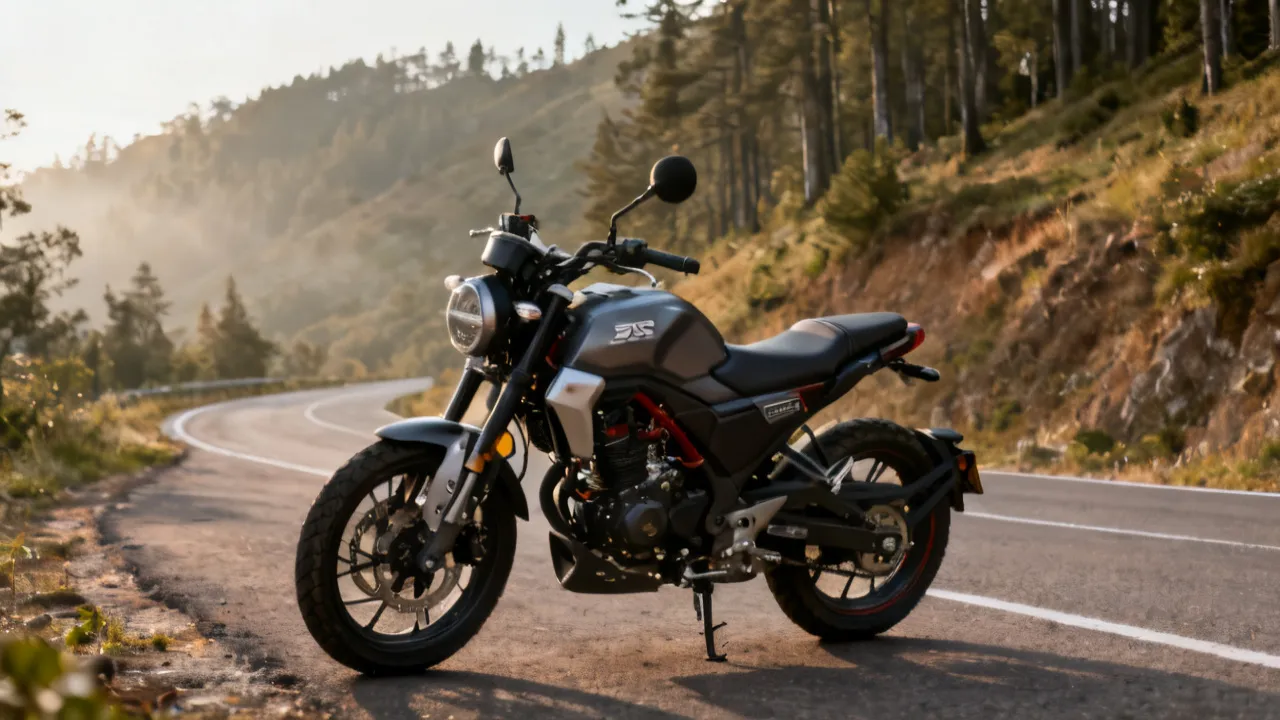
Understanding the 265 Cc Motorcycle Class
This guide explains what 265 cc means, how engines in this displacement range perform, and what buyers should evaluate before choosing a motorcycle. A 265 cc engine describes an approximate cylinder displacement of 265 cubic centimetres, but displacement alone does not determine acceleration, fuel consumption, comfort, reliability, or legal classification. Engine design, gearing, weight, maintenance, and intended use are equally important.
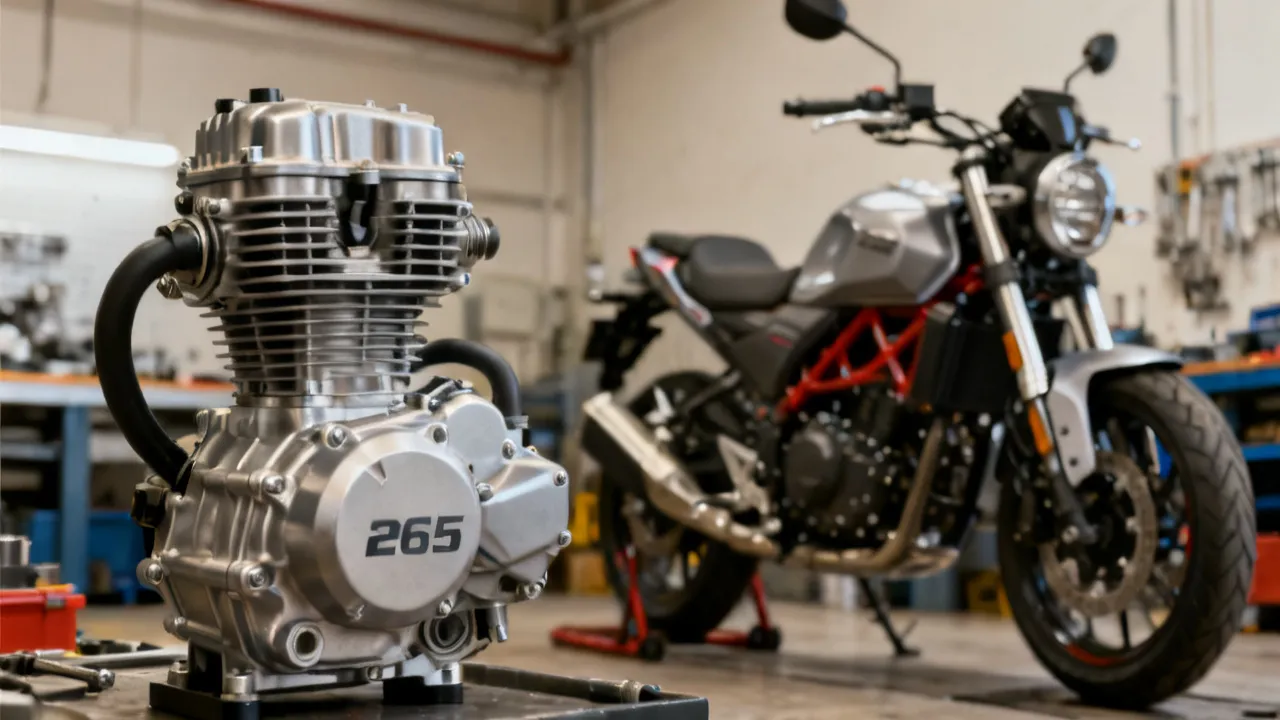
Understanding 265 Cc Engines and Motorcycles
This guide explains what 265 cc means, how engine displacement affects motorcycle performance, and what buyers should evaluate before selecting a 265 cc model. The term describes an engine’s approximate swept volume, not a guaranteed power rating or vehicle category. Actual performance depends on design, tuning, gearing, weight, fuel system, cooling, emissions equipment, maintenance, and intended use.
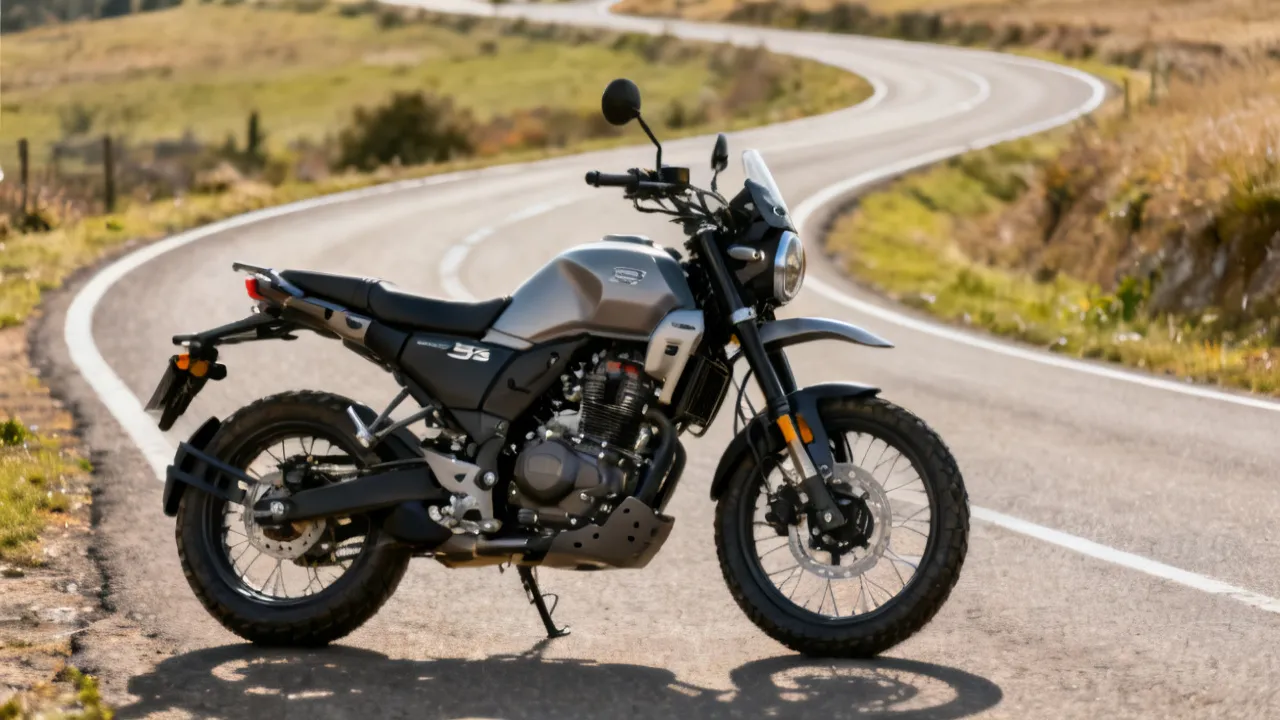
Understanding the 265 Cc Motorcycle Class
This guide explains what 265 Cc means, how motorcycles in this displacement class perform, and which factors matter when comparing models. Engine displacement describes the combined swept volume of the cylinders, but it does not independently determine power, fuel consumption, comfort, or reliability. Buyers should assess engine design, gearing, weight, braking equipment, maintenance requirements, regulatory compliance, and intended use before choosing a 265 Cc motorcycle.
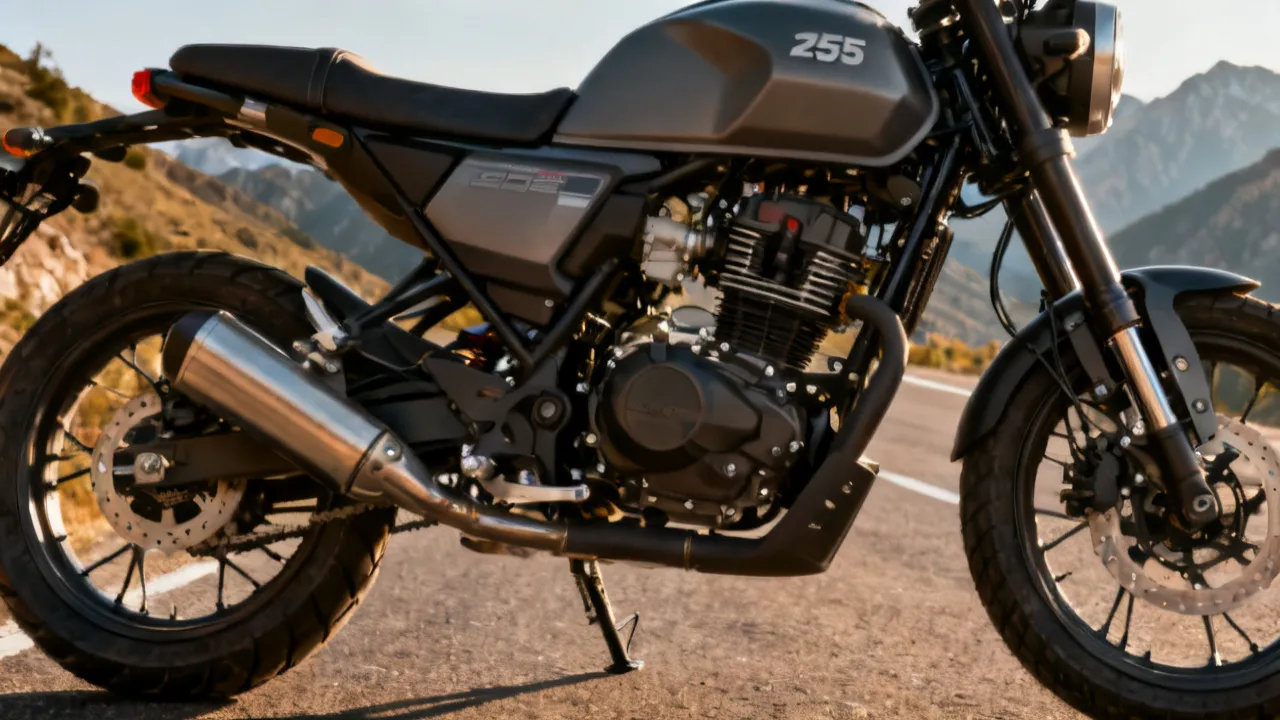
Understanding 265 Cc Motorcycle Engines
This guide explains what a 265 Cc engine designation means and how it affects motorcycle performance, efficiency, maintenance, comfort, and purchasing decisions. Engine displacement is only one part of a motorcycle’s design: cylinder configuration, tuning, gearing, vehicle weight, emissions equipment, and intended use also shape real-world behavior. Readers will find a practical framework for comparing 265 Cc motorcycles without relying on unsupported performance claims.
