This guide explains what a 265 Cc engine designation means and how it affects motorcycle performance, efficiency, maintenance, comfort, and purchasing decisions. Engine displacement is only one part of a motorcycle’s design: cylinder configuration, tuning, gearing, vehicle weight, emissions equipment, and intended use also shape real-world behavior. Readers will find a practical framework for comparing 265 Cc motorcycles without relying on unsupported performance claims.
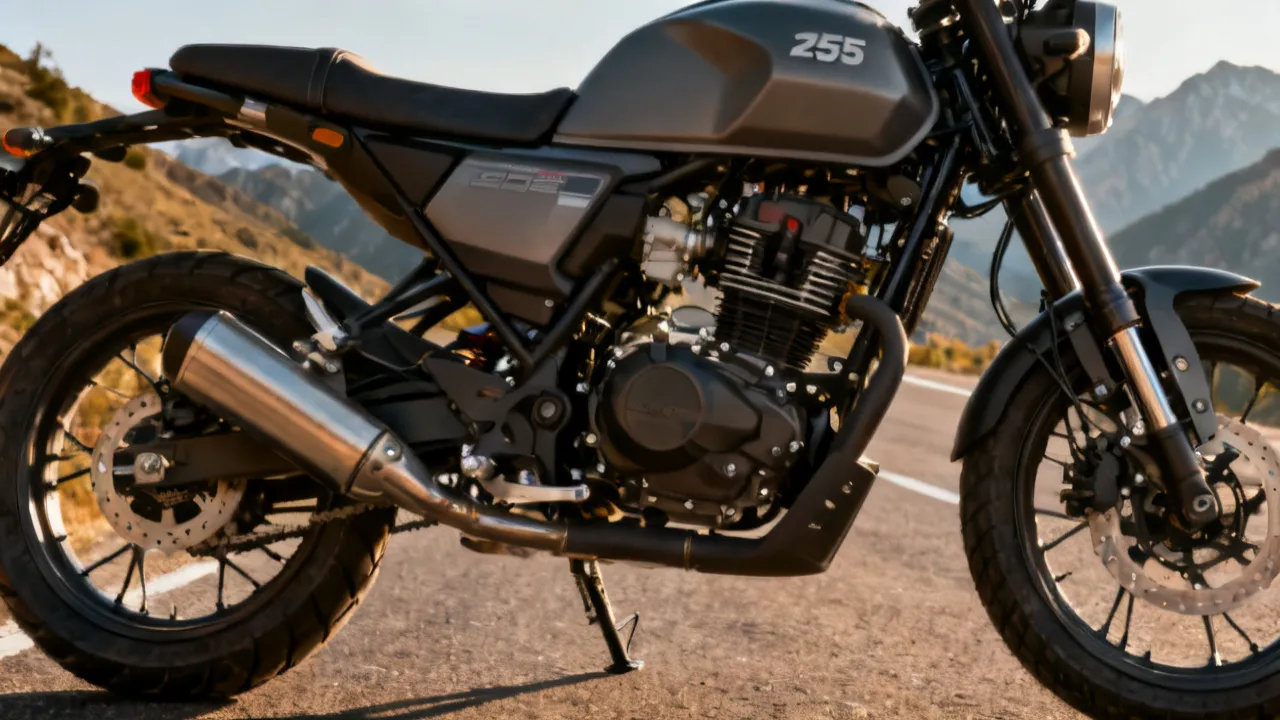
A 265 Cc motorcycle has an engine with a total swept volume of approximately 265 cubic centimeters. The abbreviation “Cc” refers to cubic centimeters, a metric unit used to describe engine displacement. Displacement is calculated from the cylinder bore, piston stroke, and number of cylinders. In simple terms, it represents the volume through which the piston or pistons travel during the combustion cycle.
For many riders, the significance of 265 Cc lies in its position between smaller commuter motorcycles and larger middleweight machines. A motorcycle in this displacement range may offer more carrying capacity, stronger acceleration, and greater road flexibility than a very small-capacity model, while remaining more manageable than a high-displacement touring or performance motorcycle. However, displacement should not be treated as a complete measure of speed, fuel consumption, durability, or suitability.
Two motorcycles with engines close to 265 Cc can behave very differently. One may use a liquid-cooled single-cylinder engine tuned for low-speed torque and trail riding. Another may use a road-focused engine with a different bore-to-stroke ratio, higher compression, alternative camshaft timing, and a closer-ratio gearbox. Their weight, aerodynamics, suspension, tire selection, and electronic controls may also differ substantially.
From an engineering perspective, engine displacement establishes a useful starting point, not a final conclusion. An industry expert would normally examine the entire powertrain and vehicle package before making a recommendation. This includes the engine’s torque curve, transmission, final-drive ratio, cooling system, fuel-injection calibration, chassis geometry, and expected operating environment.
The number also needs to be interpreted in relation to the motorcycle’s intended market. A 265 Cc engine developed for a lightweight urban motorcycle may be calibrated for quick response at low and medium speeds. A similar engine installed in a heavier adventure-style motorcycle may place greater emphasis on durability, smoothness, and steady torque delivery. The same displacement can therefore represent different engineering priorities rather than a single standard of performance.
The 265 Cc category is attractive because it can serve several roles at once. Depending on the model, it may be appropriate for urban commuting, weekend touring, training after an entry-level motorcycle, light adventure riding, or everyday transportation on roads where moderate cruising ability is important.
Unlike a basic small-capacity commuter, a 265 Cc motorcycle may have enough mechanical reserve to carry a rider and luggage with less strain. Unlike a larger motorcycle, it may be easier to place a foot down, maneuver in confined spaces, or control at low speed. These characteristics are particularly valuable in dense traffic, narrow streets, steep parking areas, and mixed road conditions.
Nevertheless, the category does not guarantee a particular riding experience. A lightweight 265 Cc dual-sport model can feel energetic and responsive because of its low mass, while a heavier street motorcycle with the same displacement may emphasize stability and comfort instead. A model designed for emissions compliance and quiet operation may deliver its power more progressively than an older, less restricted engine.
Buyers should therefore ask a more useful question than “How powerful is a 265 Cc motorcycle?” The better question is: “How does this specific 265 Cc motorcycle produce and use its performance in the conditions where I will ride?”
This category can also appeal to riders who want one motorcycle to perform several ordinary tasks without the physical demands or operating expense of a larger machine. It may be compact enough for commuting, capable enough for regional travel, and economical enough to remain practical throughout the week. Its limitations become clearer when the rider regularly carries a passenger, travels at high speed for long periods, or rides in steep mountainous terrain.
Displacement influences the amount of air and fuel an engine can process during each operating cycle. In broad terms, a larger displacement can make it easier to generate torque, especially when the engine is designed with suitable intake, exhaust, and valve timing characteristics. It does not automatically determine peak power.
Power is affected by engine speed and torque. An engine that produces useful torque at moderate revolutions may feel relaxed during ordinary riding. Another engine may produce its strongest output at higher revolutions, requiring more frequent gear changes but offering a more energetic character near the upper part of its operating range.
For a 265 Cc engine, the riding experience will depend on several connected variables:
Because these factors interact, published output figures should be read alongside the motorcycle’s wet or curb weight, seat height, wheel size, and intended use. A specification sheet is very useful when treated as a complete set rather than as a collection of isolated numbers.
Acceleration is also affected by the rider’s technique. Correct clutch control, appropriate gear selection, and smooth throttle use can make a moderate engine feel responsive. Conversely, remaining in too high a gear or carrying excessive weight can make any motorcycle feel slow. A test ride should therefore include ordinary traffic conditions, moderate hills, and several gear changes rather than relying only on a short burst of acceleration.
Many motorcycles around the 265 Cc range use a single-cylinder engine. This configuration has one piston, one combustion chamber, and fewer major moving parts than a twin-cylinder engine. It can support a compact frame layout and may be easier to service. The trade-off is that a single-cylinder engine can produce more noticeable vibration, particularly at certain engine speeds.
Manufacturers manage vibration through counterbalancers, engine mounts, rubber isolation, crankshaft design, and careful tuning. The success of these measures varies from one motorcycle to another. A rider who spends much of the day in urban traffic may appreciate the simplicity and responsiveness of a single-cylinder engine, while a rider who regularly travels long distances may place greater value on smoothness.
A twin-cylinder engine in a similar displacement class may offer more even firing intervals and a different acoustic character. It can be smoother at some operating speeds, but it usually requires additional components and may occupy more space. The presence of two cylinders does not automatically mean superior performance; it means the manufacturer has chosen a different route to meet its goals.
When comparing designs, prospective buyers should assess vibration at the speeds used most often, not just during a brief test ride. The critical question is whether the engine’s character remains comfortable during commuting, highway transitions, uphill sections, or extended touring.
Engine layout can also affect maintenance access. A single-cylinder engine may leave more room around the frame and intake system, which can simplify certain inspections. A twin-cylinder layout may require more time for tasks such as valve inspection because there are two cylinder heads, two sets of combustion-related components, or more restricted access. These differences do not determine reliability, but they can influence labor costs and workshop convenience.
In urban environments, a well-designed 265 Cc motorcycle can provide a balanced combination of controllability and usable acceleration. It may be easier to handle than a heavier machine when filtering through slow traffic or making tight turns. The engine can also reduce the need for constant high-revolution operation compared with a very small-capacity motorcycle, although actual behavior depends on gearing and vehicle load.
On open roads, wind protection becomes important. A naked motorcycle exposes the rider to airflow, while a faired model may feel more settled at sustained speeds. This difference is not created by engine displacement alone. A 265 Cc engine may be mechanically capable of maintaining a road speed, but comfort depends on vibration, seating position, suspension, windscreen design, and the rider’s height.
On hills, the motorcycle’s condition and gearing matter as much as its nominal capacity. A rider carrying luggage may need to select a lower gear to keep the engine within its useful torque range. This is normal operation, not necessarily evidence of inadequate design. Motorcycles are designed to be used through their gearboxes, and active gear selection is part of safe and efficient riding.
On unpaved roads, ground clearance, tire construction, suspension travel, steering geometry, and protection for the engine may be more important than the 265 Cc label. An adventure-styled motorcycle is not automatically suitable for difficult trails. Buyers should distinguish between a motorcycle intended for maintained gravel roads and one engineered for more demanding off-road conditions.
Low-speed balance is another important characteristic. A motorcycle with a low center of gravity may feel easy to manage even if it is not especially light. Handlebar leverage, clutch smoothness, throttle precision, and the amount of steering lock all affect U-turns, parking, and slow maneuvering. These details are particularly important for newer riders and for anyone who regularly rides in crowded urban areas.
Engine displacement can influence fuel consumption, but it is not possible to assign one universal fuel-economy figure to every 265 Cc motorcycle. Fuel use depends on engine tuning, riding speed, throttle position, rider weight, luggage, tire pressure, road gradient, wind, traffic, maintenance, and temperature.
A motorcycle operating at a steady moderate load may consume less fuel than the same motorcycle used for repeated hard acceleration in congested traffic. High speeds also increase aerodynamic resistance, which can raise fuel demand even when the engine is operating smoothly. The best comparison is based on independently documented testing under similar conditions or on carefully maintained owner records.
When evaluating manufacturer claims, readers should check the testing method and jurisdiction. Official laboratory results are useful for controlled comparisons, but they may not represent everyday riding. Regulatory test cycles are designed for repeatability, whereas real-world routes contain hills, traffic signals, changing weather, and different riding styles.
Practical efficiency also includes maintenance and consumables. Correct tire pressure, a clean air filter, proper chain adjustment, suitable engine oil, and timely spark-plug inspection can help the motorcycle operate as designed. These practices cannot overcome an unsuitable riding pattern, but they reduce avoidable mechanical losses and support consistent performance.
Fuel range should be calculated separately from fuel economy. A motorcycle with a relatively small fuel tank may require more frequent stops even if it consumes little fuel. A larger tank can increase range, but it may also add weight when full and may affect the motorcycle’s balance. Riders who plan long trips should consider the availability of fuel along the route rather than relying only on the advertised tank capacity.
Heat management is a central engineering concern in any motorcycle engine. Combustion creates heat, and the cooling system must transfer an appropriate amount of that heat away from the cylinder, cylinder head, oil, and surrounding components. A 265 Cc motorcycle may use air cooling, oil assistance, liquid cooling, or a combination of methods.
Air-cooled engines rely heavily on fins, airflow, operating conditions, and engine-oil performance. They can be mechanically uncomplicated, but prolonged low-speed operation in hot weather may provide less airflow than open-road travel. Liquid-cooled engines use coolant passages, a radiator, a pump, and usually a thermostat. This adds components but can allow more consistent temperature control.
Riders should follow the manufacturer’s service schedule for coolant replacement, hose inspection, radiator cleanliness, and fan operation. A cooling fan operating in traffic is not automatically a fault; it may be a normal response to rising temperature. Warning lights, coolant loss, repeated overheating, or unusual smells require prompt attention.
Lubrication is equally important. Engine oil reduces friction, carries heat, protects surfaces, and helps suspend contaminants until they are removed during servicing. The correct oil grade and specification should come from the owner’s manual. Using an unsuitable product, extending service intervals without justification, or operating with an incorrect oil level can increase wear.
Riders should avoid covering radiator openings with bags or accessories that block airflow. On an air-cooled model, mud and debris should not be allowed to accumulate between cooling fins. These simple precautions are especially relevant when traveling on dusty roads or during hot-weather traffic.
The transmission determines how the engine’s available torque is matched to different riding conditions. Lower gears multiply torque at the rear wheel, making them useful for starting, climbing, and low-speed control. Higher gears reduce engine speed at a given road speed, which can support quieter operation and improved efficiency when conditions permit.
A 265 Cc motorcycle may use a conventional manual gearbox, an automatic transmission, or another arrangement depending on its market and purpose. Manual transmissions allow the rider to select the engine’s operating range directly. Automatic systems prioritize ease of use and may suit riders who spend substantial time in stop-and-go traffic.
Final-drive design also matters. A chain drive is common and generally accessible for inspection and adjustment. A belt or shaft system may reduce certain routine tasks but has its own inspection and replacement requirements. Chain condition affects noise, smoothness, acceleration response, and drivetrain longevity.
Riders should avoid judging a motorcycle solely by the number of gears. A well-matched gearbox with carefully selected ratios can make a modest engine feel capable and relaxed. Conversely, poorly matched gearing can create excessive shifting, weak hill performance, or an unnecessarily busy engine at cruising speed.
Clutch behavior should be included in a test ride. A predictable friction zone makes starts and slow-speed maneuvers easier, while an abrupt or heavy clutch can become tiring in traffic. Some motorcycles use assist features that reduce lever effort or help limit rear-wheel hop during aggressive downshifts. These features can be useful, but correct adjustment and proper cable or hydraulic maintenance remain necessary.
The engine is only one component of a motorcycle. Chassis design determines how that engine’s output reaches the road and how confidently the rider can control the machine. Frame stiffness, wheelbase, steering angle, weight distribution, and center of gravity all influence stability and agility.
Suspension quality is especially important on roads with uneven surfaces. Front forks and a rear shock absorber must control wheel movement while maintaining tire contact. Adjustment features may include preload, rebound damping, compression damping, or ride-height settings. More adjustment does not automatically mean better performance; it means the rider has more ways to match the setup to load and terrain.
Suspension preload should be considered when the motorcycle is regularly used with luggage or a passenger. If the rear suspension sits too low under load, steering geometry changes and ground clearance can be reduced. If it is adjusted too stiffly, the motorcycle may transmit more impact to the rider and lose grip on rough surfaces. The manufacturer’s setup guidance provides a useful starting point.
Braking systems should be evaluated by hardware and control. Disc diameter, caliper design, master-cylinder feel, pad material, tire grip, and anti-lock braking system calibration all contribute to braking behavior. An anti-lock braking system can help reduce wheel lock during certain braking events, but it does not remove the need for appropriate speed, following distance, and surface awareness.
Tires are a major part of the motorcycle’s safety system. Their size, construction, tread pattern, age, pressure, and temperature influence grip and handling. A 265 Cc motorcycle fitted with road tires will behave differently from one fitted with dual-purpose or off-road-oriented tires. Replacement tires should match the manufacturer’s recommendations and the rider’s actual use.
Ergonomics often determine whether a motorcycle remains enjoyable after the novelty of purchase has passed. Seat height affects how easily a rider can support the motorcycle at a stop. Handlebar width changes leverage and posture. Footpeg position influences knee angle and the ability to stand on the pegs during rough-road riding.
A 265 Cc motorcycle designed for commuting may provide an upright seating position, a manageable turning radius, and space for a luggage rack or top case. A sport-oriented model may use lower handlebars and rear-set foot controls. An adventure-oriented model may prioritize standing control, increased ground clearance, and a more open riding position.
Seat comfort is subjective, but a structured assessment is possible. Riders should check whether the seat creates pressure points, whether the handlebar causes wrist strain, and whether the mirrors provide an adequate view without excessive vibration. The motorcycle should also fit the rider’s protective clothing, especially boots and weather-resistant equipment.
Practical features may include a fuel gauge, gear-position indicator, charging port, traction control, adjustable levers, luggage mounts, and a durable side stand. These features can improve daily usability, but each should be judged for reliability, accessibility, and service implications rather than treated as a substitute for sound mechanical design.
Passenger comfort should be evaluated separately from rider comfort. A small rear seat, high passenger footpegs, or limited grab handles may make occasional two-up travel uncomfortable even if the motorcycle feels excellent when ridden alone. The owner’s manual should also specify maximum combined rider, passenger, and luggage weight.
The phrase “265 Cc motorcycle” covers several categories. Identifying the intended type is one of the most effective ways to narrow a purchase decision.
| Motorcycle type | Typical strengths | Points to examine |
|---|---|---|
| Standard or naked | Upright ergonomics, accessible controls, versatile road use | Wind exposure, seat comfort, luggage options |
| Sport-oriented | Responsive handling, aerodynamic styling, engaged riding position | Wrist pressure, low-speed comfort, insurance and tire costs |
| Adventure or dual-purpose | Raised ground clearance, upright posture, mixed-surface capability | Seat height, suspension setup, tire suitability, actual off-road limits |
| Commuter | Practical controls, economical operation, easy maneuverability | High-speed comfort, carrying capacity, equipment level |
| Cruiser-style | Relaxed posture, low seat in some designs, distinctive appearance | Cornering clearance, mass, steering response, luggage integration |
| Scooter or automatic model | Simple operation, step-through access in many designs, storage potential | Wheel size, belt service, weather protection, transmission behavior |
This comparison is intentionally general because specifications vary by manufacturer and market. The same displacement can support very different priorities. A buyer should select the motorcycle category first and then compare models within that category.
Wheel size deserves particular attention in this comparison. Smaller wheels can make a scooter or commuter motorcycle feel agile and easy to place in traffic, while larger wheels may roll more smoothly over potholes and loose surfaces. Wheel size also affects tire availability, replacement cost, steering response, and the overall height of the motorcycle.
Routine maintenance is essential to the good performance of a 265 Cc motorcycle. The owner’s manual remains the primary reference because service intervals and procedures differ by engine design. A typical schedule may include engine-oil replacement, chain inspection, brake inspection, air-filter service, valve-clearance checks, coolant maintenance, and electrical-system testing.
Engine oil should be checked according to the manufacturer’s instructions, including the required warm-up condition and inspection method. Some engines are checked with a dipstick, while others use a sight glass. The motorcycle must be positioned correctly, and the oil level should not be interpreted casually. Both underfilling and overfilling can create problems.
Chain maintenance includes cleaning, lubrication, slack measurement, and alignment inspection. Excessive slack can produce harsh drivetrain response and may allow the chain to disengage. Excessive tightness can load bearings and suspension components. A qualified technician should investigate unusual noise, stiff links, uneven adjustment, or rapid wear.
Valve clearance is another important service item. If clearance becomes incorrect, the engine may develop difficult starting, unstable idle, reduced performance, or abnormal noise. Some motorcycles use adjustment systems that require periodic measurement, while others use components with different service characteristics. The correct procedure should be followed rather than inferred from another engine.
Brake fluid, coolant, fork seals, wheel bearings, steering-head bearings, and battery condition also deserve attention. A motorcycle can appear cosmetically sound while needing important mechanical work. A pre-purchase inspection should therefore include a cold start, fluid checks, leak inspection, tire-age review, brake operation, and verification of service records.
Battery maintenance is particularly important on motorcycles that use electronic fuel injection, immobilizers, alarms, or connected displays. A weak battery may cause intermittent starting problems or confusing electronic symptoms. If the motorcycle is stored for a long period, the owner should follow the manufacturer’s guidance for charging and storage rather than repeatedly allowing the battery to discharge completely.
Reliability cannot be guaranteed by displacement alone. It emerges from component quality, manufacturing control, thermal management, lubrication, electrical design, service access, and owner care. A simple engine may be easier to inspect, but simplicity does not eliminate the need for correct maintenance.
Before purchasing a 265 Cc motorcycle, buyers should research the manufacturer’s dealer network, parts availability, warranty conditions, recall notices, and recommended service procedures in their jurisdiction. These factors can be more important than a small difference in advertised output.
Used motorcycles require additional caution. The buyer should look for evidence of crash damage, modified wiring, mismatched fasteners, corrosion, worn controls, bent handlebars, leaking suspension components, and irregular tire wear. A documented service history is helpful, but it should be supported by physical inspection.
Modifications deserve careful review. Exhaust systems, fuel controllers, intake changes, suspension alterations, and non-standard electrical accessories may affect reliability, emissions compliance, noise limits, and warranty coverage. A modification is not automatically harmful, but its quality and legal status should be verified.
Parts availability can influence how long a motorcycle remains practical. Consumables such as filters, brake pads, chains, sprockets, and tires are usually easy to source for popular models. Less common components may require longer ordering times. Buyers who depend on the motorcycle for daily transportation should ask local dealers about typical availability before committing to an unfamiliar model.
Motorcycle licensing rules vary by country, state, province, or territory. Some jurisdictions classify motorcycles by engine displacement, power, power-to-weight ratio, or license category. A 265 Cc engine may fall under different legal requirements depending on location. Riders should consult the relevant transport authority and confirm licensing, registration, insurance, inspection, helmet, lighting, and emissions obligations.
Protective equipment should be selected for fit, certification, climate, and intended riding conditions. A suitable helmet, abrasion-resistant jacket and trousers, gloves, and motorcycle-specific boots can reduce exposure to injury during a crash. Bright or reflective elements may also improve conspicuity, particularly in poor weather or at night.
Training is valuable even for riders who already understand basic vehicle control. Braking practice, cornering technique, hazard recognition, slow-speed maneuvering, and wet-surface awareness require deliberate development. Riders should practice in a controlled environment and increase difficulty gradually.
Electronic aids can support control, but they do not replace judgment. Anti-lock braking systems, traction control, ride modes, and connectivity features have defined operating limits. Correct tire condition, appropriate speed, clear visibility, and adequate following distance remain fundamental.
Carrying a passenger requires additional preparation. The rider should explain how the passenger should mount, where to place their feet, how to hold on, and how to remain aligned with the motorcycle during turns. Extra weight affects acceleration, braking, suspension sag, and steering, so the motorcycle should be adjusted according to the manufacturer’s instructions.
A test ride should be planned rather than treated as a brief impression around a dealership. The rider should begin with a visual inspection and confirm that controls, mirrors, levers, and foot positions can be adjusted or used comfortably.
Riders should not make a final judgment based only on acceleration during the first few minutes. A motorcycle that feels exciting briefly may become tiring during routine use. Conversely, a smooth and predictable motorcycle may reveal its strengths gradually.
Testing the motorcycle after it has warmed up is also useful. Some engines feel different once the coolant and oil reach operating temperature. The rider should note whether the clutch engagement changes, whether the idle remains stable, and whether the cooling fan operates normally in slow traffic. Any warning light or unusual smell should be investigated before purchase.
Specification comparison is most reliable when terms are defined consistently. “Weight” may refer to dry weight, curb weight, wet weight, or a manufacturer-defined figure. These values are not interchangeable. “Fuel capacity” does not indicate actual range without considering fuel consumption and reserve arrangements. “Seat height” may also vary according to suspension setup, tire choice, and rider load.
Power and torque figures should be checked for the measurement standard, test conditions, and whether they are reported at the crankshaft or rear wheel. A crankshaft figure and a dynamometer figure cannot be compared directly without understanding the measurement context.
Technology specifications deserve similar care. A motorcycle may include a display with navigation capability, but that does not mean navigation data is built in. A model may have a ride mode, but the mode may alter only throttle response rather than engine output. Buyers should read the manual or official equipment list before assigning practical value to a feature.
Some manufacturers list acceleration or top-speed figures obtained under ideal conditions. These numbers may be informative, but they are not guarantees for every rider, road, temperature, or motorcycle condition. Wind direction, rider position, tire pressure, fuel load, and break-in condition can all affect results.
The purchase price is only one part of the financial decision. Ownership costs may include registration, insurance, fuel, scheduled service, tires, brake components, chain and sprocket replacement, protective equipment, accessories, and storage. Local labor rates and parts availability can significantly influence the annual budget.
Insurance pricing is individualized. Factors may include age, riding history, location, intended use, coverage level, theft risk, and motorcycle classification. It is prudent to obtain an insurance estimate before purchasing rather than assuming that a mid-small-displacement motorcycle will receive the same rate in every market.
Accessories should be selected according to need. A top case may improve commuting practicality, while soft luggage may be more suitable for mixed-surface travel. Heated equipment, engine guards, hand guards, auxiliary lighting, and wind protection can improve comfort, but additional mass and wiring should be installed correctly.
Depreciation varies by brand reputation, supply, service support, condition, mileage, and local demand. Keeping maintenance records, preserving original parts, storing the motorcycle appropriately, and addressing cosmetic damage can support future resale confidence.
Tire replacement can become a significant ownership expense. Softer performance tires may provide strong grip but wear more quickly, while touring-oriented tires may last longer under commuting conditions. The appropriate choice depends on climate, road surface, riding style, and manufacturer recommendations rather than price alone.
Modern motorcycles are designed to meet emissions and noise requirements that differ by jurisdiction. Fuel-injection calibration, catalytic converters, evaporative-emissions equipment, and engine-management systems can all contribute to compliance. Removing or altering emissions equipment may be unlawful and can create drivability or inspection problems.
Environmental responsibility also includes maintenance and disposal. Used engine oil, filters, batteries, tires, and coolant should be handled through approved collection or recycling channels. Riders should avoid disposing of these materials in drains, soil, or household waste streams.
Fuel consumption is affected by riding behavior as well as engine size. Smooth acceleration, anticipation of traffic, correct tire pressure, reduced unnecessary load, and avoiding prolonged idling can support efficient operation. These habits also reduce mechanical stress.
Noise is another consideration. A louder exhaust may change the motorcycle’s character, but excessive noise can disturb communities, attract legal attention, and sometimes reduce rider awareness of other traffic. The original exhaust system is generally designed as part of the engine’s emissions, noise, and fueling package.
Misunderstanding one: displacement determines top speed. It does not. Aerodynamics, gearing, power output, rider position, vehicle mass, and electronic limits all matter.
Misunderstanding two: a larger engine is always easier to ride. Larger engines may provide stronger torque, but they can also increase weight, heat, physical size, and the consequences of throttle errors.
Misunderstanding three: lower displacement guarantees low running costs. Service complexity, tire size, insurance classification, parts pricing, and riding conditions may outweigh the effect of displacement alone.
Misunderstanding four: a motorcycle marketed for adventure use can handle any trail. Marketing language should be compared with ground clearance, suspension travel, wheel design, protective equipment, tire selection, and manufacturer guidance.
Misunderstanding five: technology eliminates maintenance. Electronic systems can improve control and monitoring, but they still require inspection, diagnostic attention, and correct battery and wiring care.
Misunderstanding six: every 265 Cc motorcycle is appropriate for highway travel. Some may be comfortable on highways, while others are intended primarily for city roads, secondary routes, or off-road use. Sustained high-speed travel should be evaluated using the motorcycle’s design, gearing, wind protection, and load limits.
An efficient evaluation begins with the rider’s actual use. Record the typical journey length, road type, traffic level, passenger or luggage needs, weather conditions, parking limitations, and expected maintenance access. This information often identifies the appropriate motorcycle category before any brand comparison begins.
Next, separate essential requirements from preferences. A rider may require anti-lock braking, a manageable seat height, or strong dealer support. Styling, display size, exhaust sound, and accessory compatibility may be important preferences but should be assessed after fundamental fit and safety.
After narrowing the candidates, compare measurable factors using consistent definitions. Review curb weight, seat height, wheelbase, fuel capacity, service intervals, tire dimensions, brake equipment, warranty terms, and available parts. Then arrange a test ride that reflects actual use as closely as possible.
Finally, consider the ownership relationship. A motorcycle supported by a competent service network may be a better choice than a theoretically attractive model that is difficult to maintain locally. The best 265 Cc motorcycle is not necessarily the one with the most impressive specification; it is the one that fits the rider, environment, budget, and service expectations.
Riders should also consider their likely development over time. A motorcycle that is ideal for learning urban traffic may remain suitable for years if it also supports commuting, touring, and practical luggage. On the other hand, a highly specialized model may be excellent for one purpose but inconvenient for everyday use. Thinking beyond the first few months can prevent an unnecessary replacement.
265 Cc describes the approximate total displacement of an engine. It is the swept volume of the cylinder or cylinders, expressed in cubic centimeters. The figure does not directly state horsepower, top speed, fuel economy, or motorcycle weight.
It can be suitable for some beginners, but suitability depends on the motorcycle’s weight, seat height, throttle response, braking behavior, and the rider’s training. A manageable 265 Cc model may be easier to control than a large motorcycle, while an aggressive or tall model may require more preparation. Professional instruction and a supervised progression are advisable.
Many can support touring, particularly when the route, luggage load, wind protection, and rider expectations match the motorcycle’s design. Buyers should check comfort, fuel capacity, vibration, luggage provisions, service access, and performance on sustained inclines before planning long journeys.
Yes. Performance varies with engine configuration, tuning, gearing, vehicle mass, aerodynamics, tire selection, and electronic calibration. Displacement is only one factor in the total design.
Service intervals differ by manufacturer and model. The owner’s manual should determine when to replace oil, inspect valves, service the air filter, check the chain, replace coolant, and inspect other components. Severe use, dusty conditions, repeated short trips, or heavy traffic may justify more frequent attention.
It may, especially when the motorcycle is lighter and ridden at moderate loads, but there is no universal rule. Fuel consumption depends on design, speed, load, traffic, terrain, tire pressure, maintenance, and riding style.
Neither system is universally better. Liquid cooling can provide precise temperature management under demanding conditions, while air cooling can support a simpler mechanical layout. Reliability depends on the complete design and correct maintenance.
Check the frame, steering, suspension, brakes, tires, chain or final drive, electrical systems, fluid leaks, cold-start behavior, engine noise, service records, and signs of accident damage. A qualified inspection is particularly valuable when the motorcycle’s history is incomplete.
Some modifications can improve fit or practicality, but they should be selected carefully. Exhaust, intake, fuel-control, suspension, lighting, and electrical changes can affect safety, reliability, emissions compliance, and warranty coverage. Use components designed for the specific motorcycle and have complex work performed by a qualified technician.
Rider fit, intended use, curb weight, braking equipment, suspension behavior, service support, legal eligibility, and total ownership cost are often more important than a small difference in displacement. The complete motorcycle should be evaluated as a system.
Some models can carry a passenger comfortably for local travel, but the answer depends on engine output, gearing, motorcycle weight, suspension capacity, and the combined weight of both people and luggage. Two-up riding may reduce acceleration and require more braking distance, so the motorcycle should be tested and loaded within the manufacturer’s limits.
Range depends on fuel-tank capacity and actual fuel consumption. A motorcycle with a small tank may need frequent refueling even if its engine is efficient. The most dependable estimate comes from recording fuel use over several rides in conditions similar to the planned journey.
No. It describes engine displacement, not power. Horsepower and torque depend on engine speed, design, tuning, intake and exhaust systems, compression, and electronic calibration. Two engines with similar displacement can have substantially different output and riding characteristics.
A 265 Cc motorcycle occupies a practical and adaptable part of the two-wheeled market. Its engine displacement can offer a useful balance between accessibility and road capability, but the number alone cannot predict the complete riding experience. Engine architecture, power delivery, gearing, weight, chassis design, ergonomics, safety equipment, and maintenance support all contribute to the result.
The most reliable approach is to begin with real riding needs, compare complete specifications, confirm local legal requirements, and conduct a careful test ride. Buyers should also account for training, protective equipment, servicing, insurance, and good parts support. Viewed in this broader context, 265 Cc is not merely an engine-size label; it is a starting point for evaluating how a motorcycle’s engineering matches the rider’s everyday life.
Striking the Perfect Balance: Navigating Premiums and Out-of-Pocket Expenses in Senior Insurance Plans

Explore the Tranquil Bliss of Idyllic Rural Retreats

How to Make Lasting Memories at Disneyland Attractions

Affordable Phones and Plans for Seniors

Affordable Full Mouth Dental Implants Near You

Unlock the Top Kept Secrets to Finding Your Ideal Dentist for Flawless Dental Implant Results!

Discovering Springdale Estates

Unveiling RS Sul Telecom Services

The Guide to Car Trading

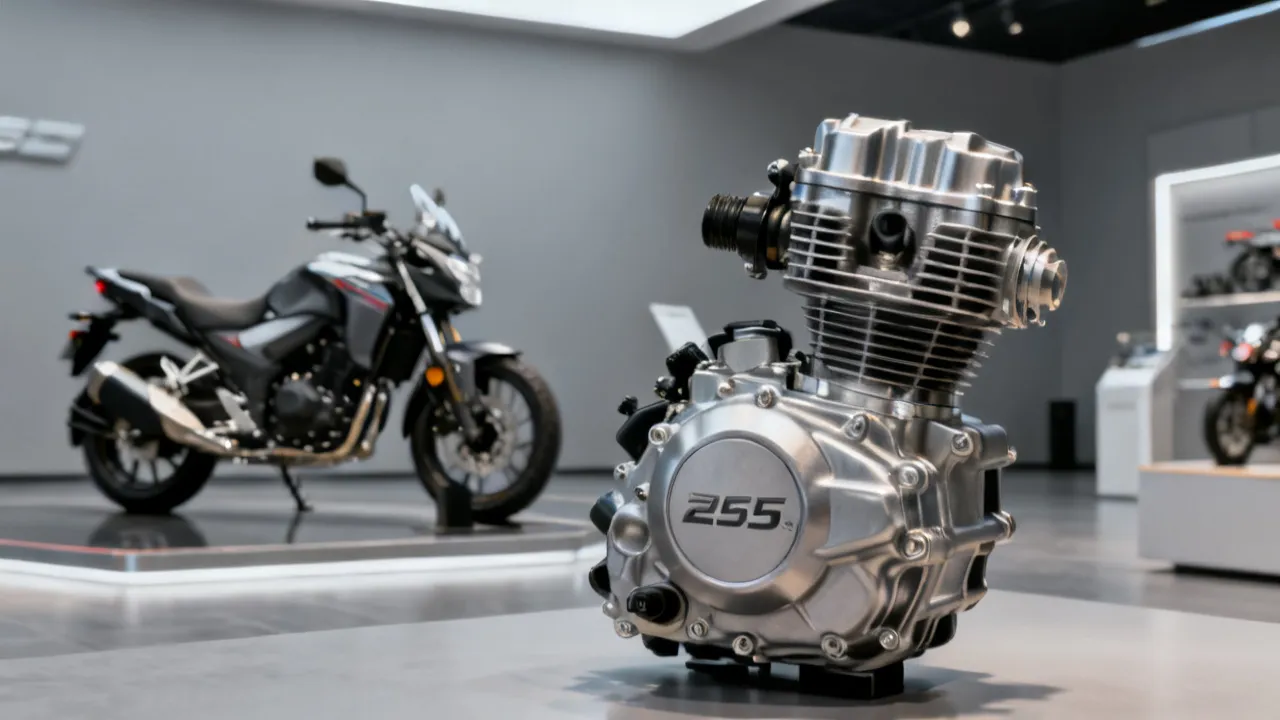
Understanding 265 Cc Engines and Vehicles
This guide explains what 265 Cc means, how engine displacement affects performance, efficiency, maintenance, and vehicle selection, and which specifications should be checked before purchase. A 265 cc engine is a power unit with a swept cylinder volume of approximately 265 cubic centimetres, although actual output varies according to cylinder count, design, tuning, fuel system, transmission, vehicle weight, and emissions equipment. Buyers should assess complete manufacturer specifications rather than displacement alone.
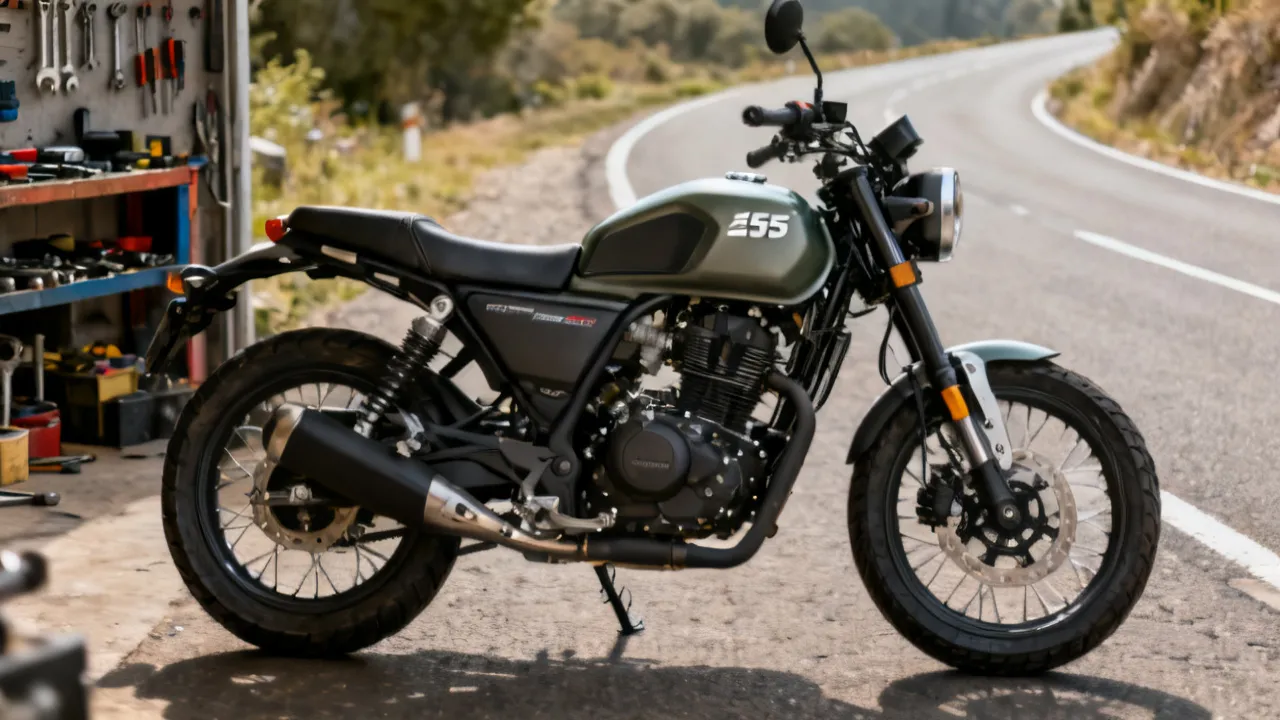
Understanding the 265 Cc Motorcycle Class
This guide explains what a 265 Cc motorcycle specification means and how buyers can evaluate performance, efficiency, comfort, maintenance, safety, and ownership costs. A 265 cc engine belongs to the lightweight-to-mid-displacement category, although actual capability depends on engine design, gearing, chassis construction, rider conditions, and regulatory requirements. The article provides an objective framework for comparing models without assuming that displacement alone determines quality.
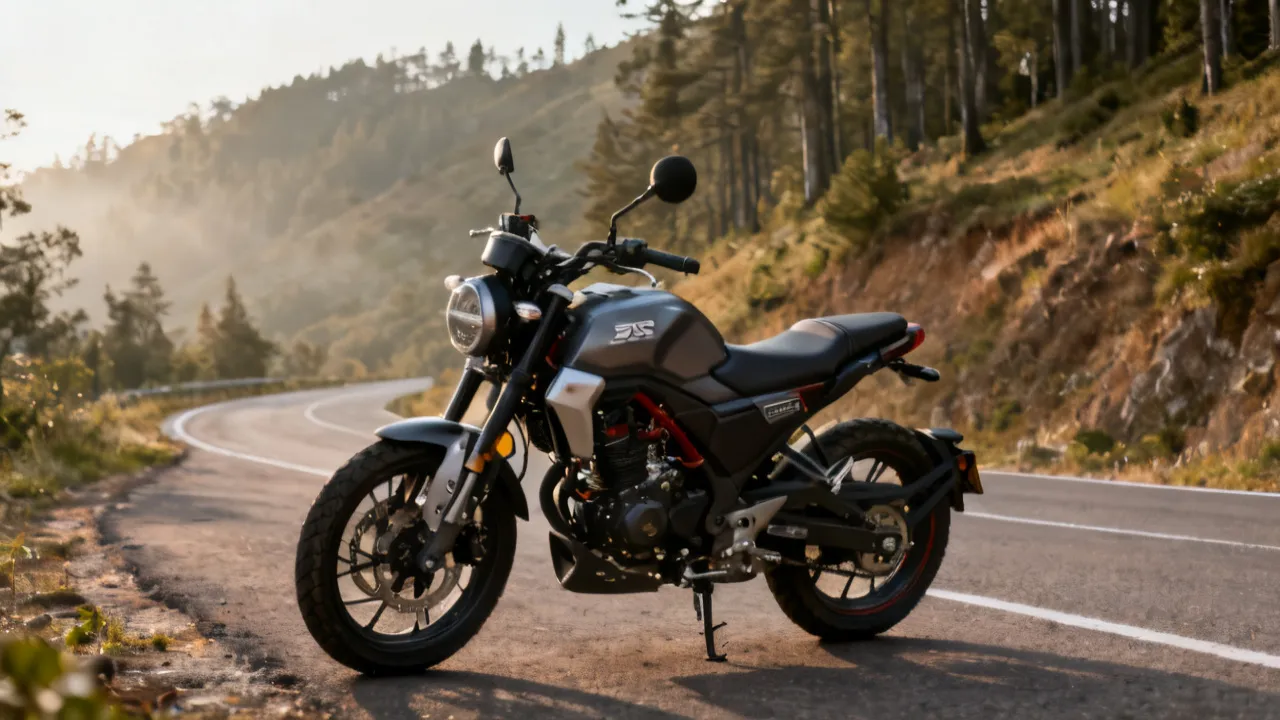
Understanding the 265 Cc Motorcycle Class
This guide explains what 265 cc means, how engines in this displacement range perform, and what buyers should evaluate before choosing a motorcycle. A 265 cc engine describes an approximate cylinder displacement of 265 cubic centimetres, but displacement alone does not determine acceleration, fuel consumption, comfort, reliability, or legal classification. Engine design, gearing, weight, maintenance, and intended use are equally important.
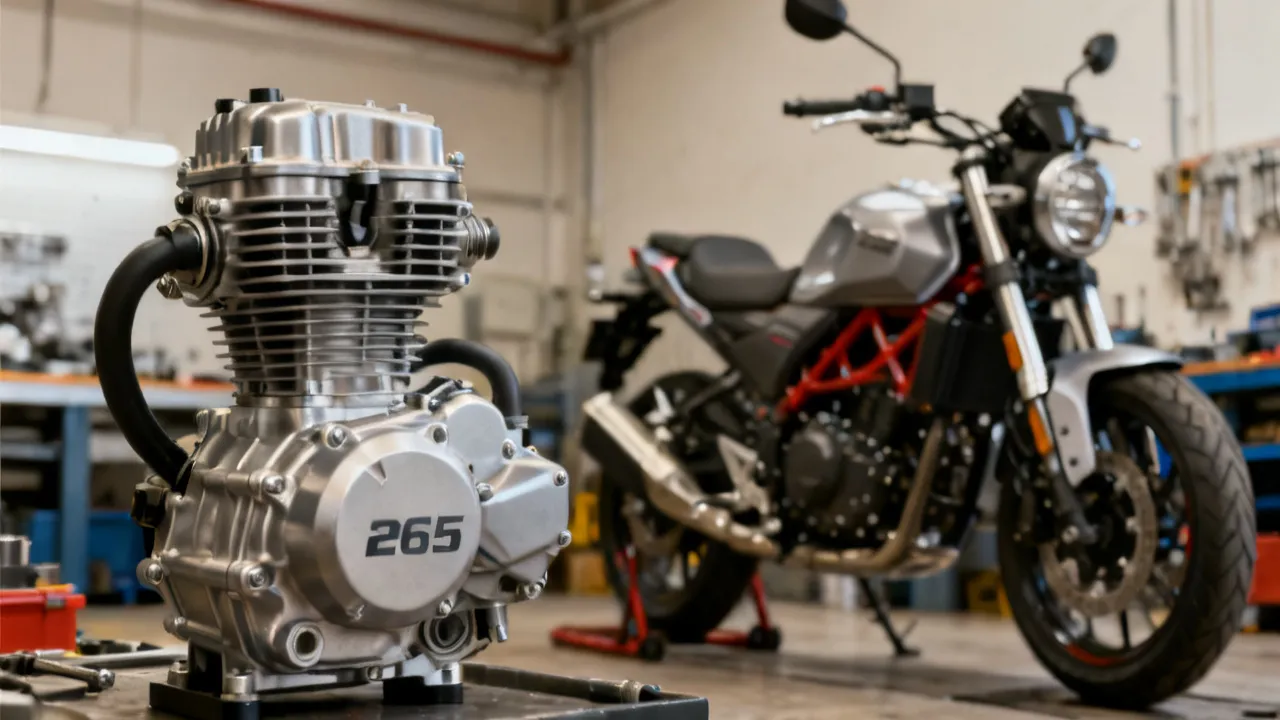
Understanding 265 Cc Engines and Motorcycles
This guide explains what 265 cc means, how engine displacement affects motorcycle performance, and what buyers should evaluate before selecting a 265 cc model. The term describes an engine’s approximate swept volume, not a guaranteed power rating or vehicle category. Actual performance depends on design, tuning, gearing, weight, fuel system, cooling, emissions equipment, maintenance, and intended use.
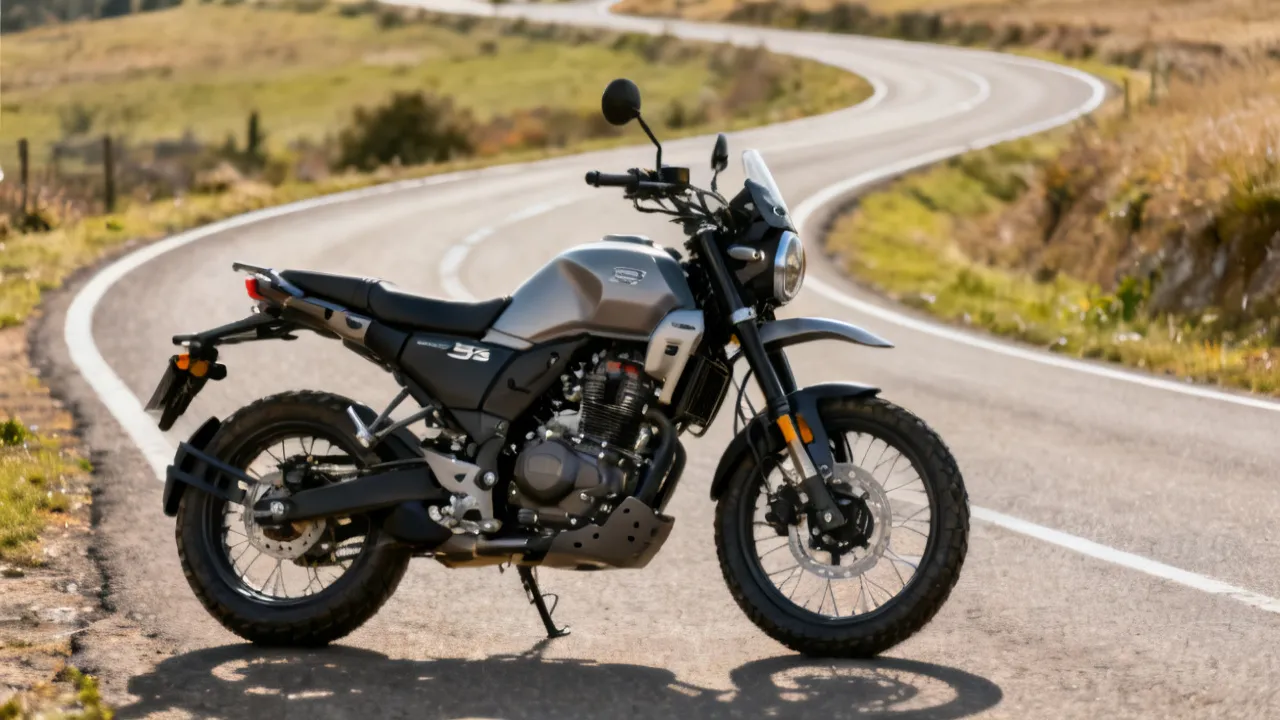
Understanding the 265 Cc Motorcycle Class
This guide explains what 265 Cc means, how motorcycles in this displacement class perform, and which factors matter when comparing models. Engine displacement describes the combined swept volume of the cylinders, but it does not independently determine power, fuel consumption, comfort, or reliability. Buyers should assess engine design, gearing, weight, braking equipment, maintenance requirements, regulatory compliance, and intended use before choosing a 265 Cc motorcycle.
Understanding 265 Cc Motorcycle Engines
This guide explains what a 265 Cc engine designation means and how it affects motorcycle performance, efficiency, maintenance, comfort, and purchasing decisions. Engine displacement is only one part of a motorcycle’s design: cylinder configuration, tuning, gearing, vehicle weight, emissions equipment, and intended use also shape real-world behavior. Readers will find a practical framework for comparing 265 Cc motorcycles without relying on unsupported performance claims.
