This guide explains what 265 Cc means, how motorcycles in this displacement class perform, and which factors matter when comparing models. Engine displacement describes the combined swept volume of the cylinders, but it does not independently determine power, fuel consumption, comfort, or reliability. Buyers should assess engine design, gearing, weight, braking equipment, maintenance requirements, regulatory compliance, and intended use before choosing a 265 Cc motorcycle.
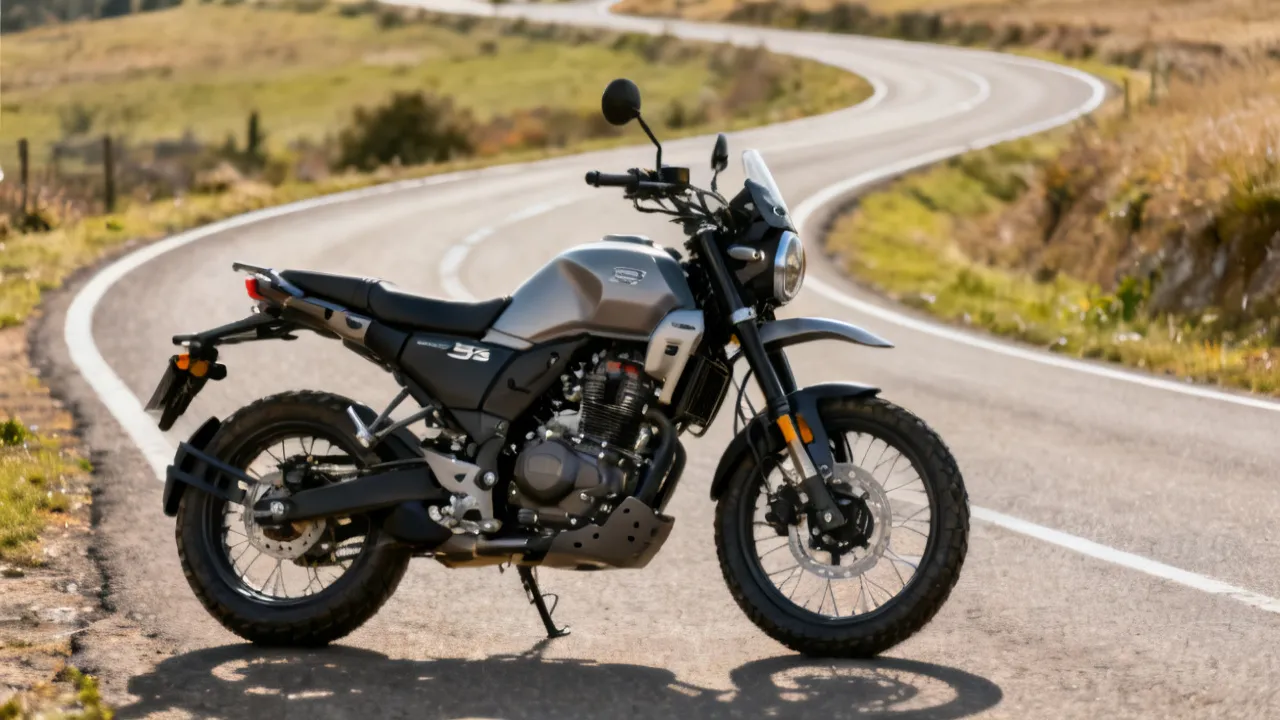
“265 Cc” refers to an engine displacement of approximately 265 cubic centimetres. In practical terms, it describes the total swept volume inside the engine’s cylinders—the space displaced by the pistons as they move between their lowest and highest positions. Although displacement is one of the most visible specifications in a motorcycle listing, it is only one part of the performance picture.
A motorcycle described as 265 Cc may be designed for commuting, touring, light adventure riding, recreational use, or a combination of these purposes. Two motorcycles with nearly identical displacement can feel very different on the road because of differences in engine tuning, compression ratio, fuel-injection calibration, transmission gearing, chassis design, aerodynamic protection, wheel size, and overall mass.
From an industry perspective, the 265 Cc category sits in a useful middle ground. It is generally larger than entry-level small-capacity motorcycles, yet it remains more approachable and less demanding than many high-displacement machines. This balance can appeal to riders who want stronger road performance than a basic commuter offers without moving immediately into a heavier or more expensive class.
However, displacement should never be treated as a guarantee of speed, acceleration, economy, or durability. A carefully engineered 250–300 Cc motorcycle may perform differently from another model in the same broad range. The most reliable evaluation combines the 265 Cc figure with measurable specifications, manufacturer documentation, safety equipment, ownership costs, and a realistic understanding of the rider’s needs.
Engine displacement is calculated from the cylinder bore, piston stroke, and number of cylinders. For a single-cylinder engine, the basic formula is:
Displacement = π × (bore diameter ÷ 2)2 × stroke length
For a multi-cylinder engine, the result is multiplied by the number of cylinders. The final figure is usually expressed in cubic centimetres, abbreviated as cc or Cc in informal product descriptions. A stated displacement of 265 Cc may represent a nominal figure rounded for marketing or classification purposes, while the exact engineering value could be slightly different.
The term does not indicate the engine’s external dimensions. A compact, modern engine can produce a different character from a larger-looking engine with the same displacement. Bore and stroke proportions also influence the way an engine delivers power. A relatively long-stroke design may emphasize low- and mid-range response, while a short-stroke layout may be tuned for higher engine speeds. These are general engineering tendencies rather than universal rules.
Displacement also does not directly describe horsepower or torque. Horsepower depends on torque and engine speed, while torque delivery depends on combustion efficiency, valve timing, intake and exhaust design, electronic calibration, and many other factors. Consequently, a buyer should examine the complete technical specification rather than assume that the 265 Cc label alone predicts performance.
For example, two engines may both displace about 265 Cc, but one may be optimized for relaxed low-speed riding and long service intervals while the other may be designed to deliver sharper acceleration at higher engine speeds. The first could feel stronger during urban riding even if its peak power number is lower. The second might be more exciting on open roads but less relaxed in stop-and-go traffic. Displacement establishes a basic physical scale; tuning determines much of the motorcycle’s personality.
The appeal of the 265 Cc class comes from versatility. Motorcycles in this range can be suitable for daily travel, urban traffic, secondary roads, and moderate-distance trips. They often provide more flexibility than very small motorcycles while avoiding some of the weight, purchase complexity, and operating demands associated with larger machines.
For newer riders, a 265 Cc motorcycle may offer a manageable platform, but suitability depends on seat height, throttle response, vehicle mass, riding position, and training. A motorcycle with a calm power curve may feel easier to control than one with aggressive tuning, even when both have similar displacement. Experienced riders may appreciate the same class for practical transport, reduced physical effort in slow traffic, or the simplicity of a lighter machine.
The class can also be attractive in regions where motorcycles are used as everyday transport. In dense urban areas, a moderately sized engine can provide useful acceleration for joining traffic while remaining easier to place in narrow lanes and parking spaces than a larger touring motorcycle. In rural settings, the same capacity may be suitable for connecting roads and moderate hills, provided the engine’s gearing and cooling system match the terrain.
Many buyers also regard this category as a reasonable stepping stone. A rider may begin with a smaller motorcycle, develop braking and cornering skills, and later move to a 265 Cc model without making an extreme change in size or weight. Other riders may intentionally remain in this class because it delivers sufficient performance for their everyday needs. There is no requirement to move to a larger engine simply because a larger motorcycle is available.
That said, the top application varies by design. A fully faired sport model, upright standard motorcycle, dual-sport machine, and small adventure motorcycle can all use a similar engine size while serving entirely different purposes. The buyer should begin with the intended use, then assess whether the motorcycle’s ergonomics and equipment support that use.
A 265 Cc motorcycle can offer competent everyday performance, but the riding experience depends heavily on engineering choices. The most important factors include torque delivery, peak power, vehicle weight, transmission ratios, final-drive gearing, tire selection, and aerodynamic resistance.
In city riding, low-speed response and smooth clutch engagement may matter more than peak output. A motorcycle that responds predictably at the throttle can be easier to manage in congestion, on steep streets, and during frequent stops. In open-road riding, comfortable cruising depends on engine refinement, vibration control, wind protection, and gearing as much as it does on displacement.
Acceleration should be assessed in context. A lighter motorcycle with well-matched gearing may feel more responsive than a heavier motorcycle with a similar engine. Conversely, a machine carrying a passenger, luggage, or additional protective equipment will demand more from the engine, particularly on inclines or during overtaking.
Riders should also distinguish between sustained operation and occasional peak performance. A motorcycle may reach a particular speed under favorable conditions, but long-distance comfort depends on whether the engine remains composed, the cooling system maintains stable operating temperature, and the chassis remains planted. Manufacturers’ specifications and owner documentation are more useful than generalized claims.
Acceleration from a standstill is only one part of performance. Roll-on acceleration, which describes how quickly the motorcycle gains speed while already moving, can be more relevant during overtaking. A motorcycle with strong mid-range torque may feel reassuring on a two-lane road even if its absolute top speed is modest. A motorcycle that needs frequent downshifts may still be enjoyable, but the rider should understand that its best performance occurs within a narrower engine-speed range.
Industry experts typically recommend evaluating the complete powertrain rather than focusing on the badge. Questions worth asking include:
Many motorcycles around the 265 Cc range use a single-cylinder engine, although the exact configuration depends on the manufacturer and model. A single-cylinder layout can be compact, mechanically straightforward, and relatively light. It may offer a distinctive pulse and strong usable response at lower engine speeds, but vibration characteristics vary according to balance-shaft design, mounting strategy, crankshaft configuration, and engine tuning.
A motorcycle’s personality is not determined by cylinder count alone. A modern engine may use electronic fuel injection, liquid cooling, a four-valve cylinder head, variable valve technology, or other features intended to improve response and emissions control. These systems can enhance refinement, yet they also introduce components that require appropriate diagnosis and maintenance.
Air-cooled systems may have a simpler architecture, while liquid-cooled systems can provide more consistent temperature management in traffic and demanding conditions. Neither approach is automatically superior in every use case. The relevant question is whether the cooling system is appropriate for the motorcycle’s intended load, climate, and riding pattern.
Engine design should also be considered alongside service access. A motorcycle used every day benefits from accessible oil-fill points, a clearly documented maintenance schedule, durable fasteners, and an established parts network. When comparing a 265 Cc model, the availability of qualified service support may be as important as a small difference in output.
Compression ratio, valve timing, and throttle-body size can influence the engine’s response. A high-compression design may provide efficient combustion and strong output, but it can require a specified fuel grade and careful thermal management. Valve timing affects where in the rev range the engine produces its strongest torque. These details are not always meaningful in isolation, but they help explain why two engines with equal displacement can have different behavior.
Contemporary motorcycles commonly use electronically controlled fuel injection, though market availability differs. Fuel injection can support more consistent starting and throttle response across changing temperatures and elevations when properly calibrated. It also works with the motorcycle’s emissions-control system to regulate combustion more precisely than many older carbureted designs.
For the rider, practical details often have greater day-to-day significance than brochure language. Examine the starting system, battery accessibility, fuel-tank capacity, instrument readability, lighting, charging ports, and warning indicators. A motorcycle that is technically capable but awkward to refuel, difficult to inspect, or poorly suited to the rider’s daily clothing may become inconvenient over time.
Fuel consumption should not be presented as a universal value for all 265 Cc motorcycles. Actual results vary with rider mass, traffic, road gradient, tire pressure, wind, maintenance, load, throttle habits, and fuel formulation. The most objective comparison uses a standardized test figure where available and then treats it as a reference rather than a promise of real-world consumption.
Buyers should consult the owner’s manual for the recommended fuel grade and avoid assuming that a higher-octane fuel is beneficial unless the manufacturer specifies it. They should also confirm the correct engine-oil viscosity, service interval, and replacement filter specification. Using the wrong consumables can affect starting, lubrication, emissions performance, and warranty conditions.
Fuel-tank size should be considered together with consumption. A motorcycle with a small tank may still provide a useful range if it is efficient, while a larger tank may be valuable for rural routes where fuel stations are widely separated. The shape and position of the tank also affect ergonomics. A wide tank can influence knee grip and standing control, whereas a narrow design may be more comfortable for shorter riders.
Engine size is only one element of motorcycle behavior. The frame, swingarm, suspension, wheelbase, steering geometry, curb mass, and centre of gravity determine how the motorcycle feels during cornering and low-speed maneuvering.
A relatively light 265 Cc motorcycle may be easy to move out of a parking space and more forgiving during slow turns. A heavier model may feel more stable at speed but demand greater effort when pushed by hand or balanced on uneven ground. Neither characteristic is universally better; the correct choice depends on the rider’s strength, experience, parking environment, and intended route.
Seat height deserves careful attention. A lower seat can increase confidence when stopping, but seat shape and width also affect how easily a rider can place a foot on the ground. A tall motorcycle may provide additional suspension travel or ground clearance, yet it can be less comfortable for riders who frequently stop on uneven surfaces.
Handlebar width, foot-peg position, and reach to the controls influence fatigue. A forward-leaning sport posture may suit short, active rides, while an upright position may be more appropriate for commuting and touring. Riders should sit on the motorcycle while wearing the type of clothing and footwear they expect to use. A showroom impression can differ from a practical riding position after an hour on the road.
| Chassis Element | Why It Matters | What to Examine |
|---|---|---|
| Seat height | Influences stopping confidence and mounting ease | Seat width, suspension sag, and rider reach |
| Curb mass | Affects low-speed control, parking, and acceleration | Whether the published figure includes fuel and operating fluids |
| Wheelbase | Influences stability and turning behavior | Balance between urban maneuverability and road composure |
| Suspension travel | Affects comfort and control over uneven surfaces | Adjustment range, damping quality, and intended terrain |
| Handlebar and foot-peg layout | Shapes posture and long-ride fatigue | Reach, knee angle, wrist position, and standing control if relevant |
| Ground clearance | Determines how easily the motorcycle clears bumps and rough surfaces | Clearance under the engine, exhaust, and foot controls |
Published weight figures require careful interpretation. Dry weight excludes some or all operating fluids, while curb or kerb weight generally includes fuel and ready-to-ride fluids. Payload capacity is separate from curb weight and includes the rider, passenger, luggage, and accessories. A motorcycle that feels light during a showroom inspection can handle very differently when loaded near its permitted limit.
When assessing a 265 Cc motorcycle, braking equipment should receive priority. A suitable braking system includes not only the disc or drum hardware but also tire quality, suspension behavior, brake-line condition, lever feel, and electronic assistance where fitted.
Anti-lock braking systems can help reduce the risk of wheel lock during hard braking, particularly when traction changes or a rider applies excessive force. Their operation and legal requirements vary by jurisdiction, so buyers should confirm the equipment fitted to the exact version offered in their market. A listing that mentions braking assistance generally should not be treated as confirmation that every trim level includes the same system.
Front and rear brake dimensions may differ because the two wheels perform different roles during deceleration. Brake feel should be progressive and predictable rather than abrupt. During an inspection, look for fluid leaks, damaged hoses, uneven pad wear, corrosion, and excessive lever travel. On a used motorcycle, the condition of the braking system can be more important than the original specification.
Tires are equally important. Check the size, load rating, speed rating, manufacturing date, tread condition, and suitability for the intended surface. A 265 Cc motorcycle fitted with road-oriented tires may behave differently from a dual-purpose version fitted with a more open tread. Tire pressure should follow the manufacturer’s guidance and should be checked when the tires are cold.
Other safety features may include daytime running lights, hazard indicators, traction control, a robust headlamp, reflective elements, and a stable side stand. Safety equipment does not replace rider training, protective clothing, responsible speed selection, or proper vehicle maintenance. It is one layer within a broader risk-management approach.
Braking technique is also important. Riders should become familiar with the motorcycle’s front-to-rear braking balance and understand how brake performance changes on wet, dusty, gravelly, or uneven surfaces. Emergency braking should be practiced in a controlled location. Panic inputs, abrupt steering, and excessive rear-brake use can reduce stability regardless of the motorcycle’s equipment level.
The phrase 265 Cc does not identify a particular body style. Buyers should first decide how and where the motorcycle will be used.
Standard motorcycles generally provide an upright riding position and practical access to the controls. Their limited bodywork can make them suitable for city use and routine maintenance. They may offer less wind protection at sustained road speeds, but their simple layout can appeal to riders who value visibility, maneuverability, and mechanical accessibility.
Sport-oriented motorcycles often feature a forward-leaning posture, firmer suspension settings, and aerodynamic bodywork. They can feel precise on smooth roads, but the riding position may be less comfortable for commuting or extended travel. Buyers should assess wrist pressure, seat firmness, mirror visibility, and steering lock rather than relying solely on styling.
Adventure-style motorcycles may provide increased ground clearance, a taller riding position, luggage compatibility, and suspension suited to imperfect roads. Their appearance does not guarantee off-road capability. Wheel size, tire construction, engine protection, suspension travel, and manufacturer guidance should be checked before using such a motorcycle on loose or rocky terrain.
A touring-oriented 265 Cc motorcycle may include a broader seat, windscreen, luggage mounts, and a relaxed riding position. These features can improve distance comfort, but added equipment increases mass and aerodynamic load. The buyer should confirm the permitted luggage and passenger weight, as well as the effect of loaded cases on handling.
Some riders comparing a 265 Cc motorcycle may also consider a scooter in a similar capacity range. Scooters typically emphasize step-through access, automatic transmission, under-seat storage, and urban convenience. A conventional motorcycle may offer different control, suspension, and luggage characteristics. The choice should reflect traffic conditions, parking, weather exposure, and the rider’s preference for manual or automatic operation.
Manual transmissions remain common in motorcycles of this size, although automatic and automated alternatives may be available in some markets. A manual gearbox gives the rider direct control over engine speed and torque multiplication. The quality of the clutch, shift action, gear spacing, and final drive affects the overall experience.
Lower gearing can improve launch response and hill performance but may increase engine speed during open-road travel. Taller gearing may reduce engine speed at a given road speed, yet it can make low-speed acceleration less immediate. A well-matched transmission balances these demands for the motorcycle’s intended role.
Chain drive is widely used because it is relatively light and allows changes to final-drive gearing. It also requires regular cleaning, lubrication, and tension inspection. Belt and shaft systems have different maintenance characteristics and may be selected according to design priorities. Buyers of a used motorcycle should look for stiff chain links, hooked sprocket teeth, excessive slack, rust, or neglected adjustment.
Clutch feel is particularly important for urban riding. A smooth engagement point reduces fatigue and improves control during repeated starts. Some motorcycles include assist-and-slipper clutch technology, which can reduce lever effort or help manage rear-wheel behavior during aggressive downshifts. The practical value depends on the model and riding style.
Gear selection during a test ride can reveal useful information. Difficult neutral selection, false neutrals, grinding, or a tendency to jump out of gear may indicate adjustment problems or internal wear. A heavy clutch lever may result from cable condition, incorrect adjustment, or clutch wear. These issues should be investigated before purchase rather than dismissed as normal characteristics.
Maintenance requirements vary by manufacturer, but every motorcycle needs a structured service routine. The owner’s manual should be the primary reference. Service intervals may be based on distance, time, operating conditions, or a combination of these measures.
Routine checks commonly include engine-oil level, coolant level where applicable, tire pressure, brake-fluid condition, chain tension, lighting, fasteners, cables, and visible leaks. These checks do not replace scheduled professional service. Valve-clearance inspection, fuel-system diagnosis, bearing inspection, suspension service, and electronic fault-code analysis may require specialized tools and experience.
Oil changes are important because engine oil lubricates moving parts, carries heat, and helps suspend contaminants. The correct grade and specification matter. Overfilling can be harmful, and underfilling can reduce lubrication. The motorcycle should be positioned as instructed by the manufacturer when checking the level, because side-stand and centre-stand readings may differ.
Cooling-system care is essential on liquid-cooled models. The coolant level should be checked only as directed, and the system should not be opened while hot. A rising temperature warning, persistent fan operation, visible leakage, or unusual smell warrants prompt inspection. Air-cooled engines also require appropriate attention to oil level, airflow, and operating conditions.
Electrical systems deserve attention as motorcycles increasingly rely on electronic fuel injection, sensors, digital instruments, and safety systems. A weak battery can create starting problems and confusing warning messages. Corroded terminals, damaged wiring, and poorly installed accessories can cause intermittent faults. Any accessory installation should protect the original harness and preserve required fuses.
Suspension maintenance is sometimes overlooked. Fork seals can leak, rear shocks can lose damping, and linkage bearings can develop play. A motorcycle that feels unstable or bounces repeatedly after a bump may need professional inspection. Correct suspension setup is especially important when the rider frequently carries luggage or a passenger.
When buying a new motorcycle, begin by confirming the exact model code and market specification. The same model name may be sold with different braking equipment, emissions systems, lighting, suspension components, or accessories in different jurisdictions. The seller should provide a written specification and explain what is included in the quoted transaction.
Important documents may include the owner’s manual, warranty terms, conformity or registration paperwork, maintenance schedule, and pre-delivery inspection record. The buyer should understand whether the warranty requires service through an authorized network and which parts or conditions are excluded.
Consider the full acquisition cost rather than the advertised motorcycle price alone. Registration, taxes, insurance, protective equipment, initial servicing, luggage, security devices, and riding instruction can materially affect the budget. The least expensive initial option may not be the most economical over several years if parts are difficult to obtain or service support is limited.
A pre-delivery inspection should verify fluid levels, tire pressures, control operation, fastener security, lighting, brake function, chain adjustment, and instrument warnings. The customer should receive an explanation of the running-in procedure if the manufacturer specifies one. Early operation should follow the manual’s guidance rather than informal assumptions about engine break-in.
Accessories should be selected with care. A top box, panniers, crash protection, a larger windscreen, or a phone mount can improve practicality, but each addition can affect weight, aerodynamics, electrical load, or steering. The dealer should confirm that accessories are approved for the model and installed without interfering with controls, lights, suspension movement, or passenger accommodation.
A used motorcycle requires a methodical inspection. Start with the identity documents and confirm that the vehicle identification number matches the frame and paperwork. Examine service records for continuity rather than relying on a verbal statement about maintenance.
Inspect the motorcycle in daylight, preferably with the engine cold. A seller who starts the engine before arrival may be concealing cold-start behavior, although a warm engine alone does not prove a problem. Check for oil or coolant stains, damaged fasteners, nonstandard wiring, mismatched body panels, and signs of impact around the frame, fork, swingarm, and wheels.
Look at the fork tubes for scratches or leakage and compress the suspension carefully to identify unusual noise or resistance. Check wheel alignment, steering-head smoothness, and bearing play. Inspect the brake discs for deep scoring and the pads for remaining material. Confirm that the tires are appropriate, evenly worn, and within a reasonable service condition.
The engine should start without persistent smoke, abnormal knocking, or severe rattling. Some mechanical noise can be normal, especially in a single-cylinder design, so diagnosis should be based on the manufacturer’s service information and, when necessary, a qualified technician’s opinion. Test the clutch, gearbox, brakes, switches, lights, horn, side-stand interlock, and charging system.
A road test should be conducted legally and safely. Observe throttle response, clutch engagement, gear selection, braking behavior, straight-line stability, suspension response, and any warning lights. Do not treat a short test ride as a substitute for a professional inspection. If the seller refuses reasonable verification, that refusal should be considered during the purchasing decision.
Signs of a previous crash may include uneven gaps between body panels, paint overspray, scrapes on engine covers, bent levers, mismatched fasteners, altered handlebar position, or tires that do not align properly with the motorcycle’s direction of travel. A repaired motorcycle is not automatically unsuitable, but the quality and extent of the repair should be documented.
Ownership cost includes more than fuel. A realistic assessment should include scheduled servicing, tires, brake components, chain and sprocket replacement where applicable, insurance, registration, storage, protective equipment, financing charges, and possible depreciation.
Parts availability has a direct effect on downtime. A model supported by an established distributor may be easier to maintain than one with limited local representation. This is particularly important for electronic components, body panels, model-specific sensors, and safety-related parts.
Resale value is influenced by brand reputation, service history, condition, mileage, accident history, market demand, and the availability of replacement parts. A documented maintenance record can support buyer confidence. Modifications may improve a motorcycle for a particular rider but can reduce appeal to the broader used market if they are poorly installed or difficult to reverse.
Insurance classification and licensing rules depend on jurisdiction. Engine displacement may influence regulatory categories in some areas, while power output, vehicle type, or rider age may also be relevant. Buyers should verify local requirements with the appropriate transport or licensing authority rather than relying on a general online description.
Depreciation should be considered alongside purchase price. A motorcycle that costs slightly more initially may retain value better because of brand support, reliability records, or strong demand. Conversely, a discounted model may be financially attractive if routine parts are affordable and the owner plans to keep it for many years. The correct calculation depends on expected ownership duration and annual mileage.
A 265 Cc motorcycle should be matched to its environment. Hot climates, heavy traffic, steep roads, frequent rain, and poor pavement place different demands on the machine. Cooling performance, tire selection, corrosion protection, suspension travel, and luggage security become more important when operating conditions are demanding.
In wet conditions, braking distances can increase and painted surfaces may become slippery. Good tire condition, progressive control inputs, visible lighting, and increased following distance are essential. Riders should not assume that engine size provides additional safety in adverse weather.
In cold conditions, battery performance and starting behavior may change. In high-elevation areas, electronically controlled systems can compensate to a degree, but performance may still differ because air density is lower. A motorcycle intended for mountainous routes should be evaluated for gearing, cooling, braking, and luggage requirements rather than judged by displacement alone.
Coastal or humid environments can accelerate corrosion. Regular washing with appropriate methods, drying, inspection of fasteners, and care around electrical connectors can help preserve the motorcycle. High-pressure water should not be directed carelessly at bearings, seals, electrical components, or instrument clusters.
Road quality also affects the appropriate motorcycle type. Frequent potholes may justify longer suspension travel and stronger wheels, while smooth city pavement may make a lower, lighter standard motorcycle more convenient. A motorcycle’s suspension should not be judged by travel length alone; damping quality, spring rate, adjustability, and setup for rider weight all contribute to performance.
It is also helpful to create a short comparison list before visiting dealerships. Record the seat height, wet weight, fuel capacity, service interval, warranty duration, braking equipment, and approximate running costs for each candidate. A written list prevents attractive styling or a temporary discount from overshadowing practical disadvantages.
| Factor | Key Question | Why It Matters |
|---|---|---|
| Engine character | Is power delivery smooth and suitable for the intended routes? | Determines control, comfort, and flexibility in traffic. |
| Vehicle mass | Can the rider manage the motorcycle during parking and slow turns? | Affects confidence, maneuverability, and acceleration with a load. |
| Braking system | Are the brakes appropriate for the motorcycle and local conditions? | Supports predictable deceleration and emergency control. |
| Ergonomics | Does the riding position remain comfortable during intended trips? | Influences fatigue, posture, and control quality. |
| Suspension | Does it suit the road surface, rider mass, and luggage? | Contributes to traction, comfort, and stability. |
| Service support | Are trained technicians and replacement parts accessible? | Reduces downtime and supports good reliability. |
| Regulatory status | Does the exact version meet local legal requirements? | Protects the buyer from registration and compliance problems. |
| Payload capacity | Can it safely carry the rider, passenger, and intended luggage? | Protects handling, braking, tire performance, and component life. |
| Fuel range | Can the motorcycle travel far enough between refueling stops? | Matters for commuting routines, touring, and rural travel. |
Before purchasing a 265 Cc motorcycle, the buyer should satisfy several practical conditions. First, the rider must hold the appropriate license or permit for the motorcycle’s power and vehicle category. Requirements differ by jurisdiction and may include theory examinations, practical training, minimum age, insurance, registration, and approved protective equipment.
Second, the motorcycle should be suitable for the rider’s physical proportions and skill level. A manageable displacement does not automatically make a motorcycle appropriate for every beginner. Riders should be able to reach the controls, support the machine at a stop, turn it in a confined space, and operate the brakes and clutch smoothly.
Third, the intended route should be compatible with the motorcycle’s design. A road-oriented model may be poorly suited to regular rough-surface travel. A tall adventure-style motorcycle may be inconvenient in a low-clearance parking area. A sport model may not provide adequate comfort for daily commuting. These practical mismatches can become more significant than small differences in engine specifications.
Finally, buyers should have a maintenance and storage plan. Motorcycles benefit from protection against moisture, unauthorized access, extreme exposure, and prolonged inactivity. If the machine will be stored for extended periods, the owner should follow the manufacturer’s recommendations for fuel, battery, tires, and fluid checks.
Budgeting for rider training is particularly important. A portion of the purchase budget may be better spent on professional instruction, quality protective equipment, and security than on cosmetic accessories. Training can improve hazard recognition and control technique, while appropriate gear can reduce exposure to weather and injury.
Misunderstanding one: displacement equals power. Displacement contributes to an engine’s potential, but output depends on the entire design and calibration. A larger engine is not automatically more powerful in every comparison, and a 265 Cc motorcycle may be tuned for economy, durability, or low-speed control rather than peak output.
Misunderstanding two: every 265 Cc motorcycle is equally economical. Fuel use varies with weight, gearing, aerodynamic design, riding habits, traffic, terrain, maintenance, and load. Official test procedures can help compare models, but real-world results remain individual.
Misunderstanding three: a similar engine size means identical comfort. Seat height, seat shape, bar position, foot-peg placement, wind protection, vibration, suspension tuning, and luggage design may create major differences between models.
Misunderstanding four: a motorcycle with modern electronics needs no maintenance. Electronic systems can improve control and emissions management, but they do not eliminate oil changes, tire checks, brake service, chain care, battery inspection, or scheduled mechanical work.
Misunderstanding five: a motorcycle’s appearance proves its capability. Adventure styling, racing graphics, or touring accessories do not establish whether a motorcycle is suitable for a particular road, load, or weather condition. Capability should be confirmed through technical specifications and manufacturer guidance.
Misunderstanding six: a higher top speed always means a better motorcycle. Most riders spend more time accelerating, braking, cornering, and negotiating traffic than riding at maximum speed. Smooth control, stable handling, comfortable ergonomics, and dependable brakes may provide more practical value than a small advantage in top speed.
From an expert evaluation standpoint, specifications should be read as a connected system. A power figure is more meaningful when considered with curb mass and gearing. Suspension travel should be considered with ground clearance, wheel design, and intended tires. Fuel capacity should be assessed alongside expected consumption and the availability of refueling points on regular routes.
Likewise, a high equipment level can increase complexity and purchase cost. Electronic aids may be valuable, but they should be supported by clear documentation and an appropriate service network. Simpler equipment can be advantageous for riders who prioritize straightforward maintenance, while more advanced systems may better suit those who value refinement and additional control support.
The most useful test is not a brief judgment based on acceleration alone. A thorough assessment asks whether the motorcycle starts consistently, responds predictably, stops securely, turns naturally, remains comfortable, and can be maintained within the owner’s resources. This approach produces a more durable purchasing decision than focusing on one headline specification.
Experts also distinguish between specification quality and specification completeness. A listing that provides displacement and claimed power but omits curb weight, braking equipment, payload, service intervals, or warranty terms does not provide enough information for a responsible comparison. Buyers should seek primary documentation and be cautious with numbers copied between websites without confirmation.
Every rider should receive appropriate training and use protective equipment suited to the conditions. A certified helmet, abrasion-resistant jacket and trousers, gloves, and motorcycle-specific footwear can reduce injury severity in a crash, although no equipment can eliminate risk.
Riders should practice emergency braking, low-speed turns, smooth gear changes, and hazard observation in a controlled environment. Load distribution matters as well. Heavy items should be secured low and close to the motorcycle’s centre of mass, while luggage should remain within the manufacturer’s weight limits.
Passenger operation requires additional care. The motorcycle’s suspension settings, tire pressures, braking distance, and acceleration response may change when carrying another person. The passenger should understand where to hold, how to mount, and how to remain aligned with the rider during turns.
Responsible riding also includes respecting local speed limits, road markings, noise regulations, and restrictions on modified exhaust systems or lighting. Compliance protects the rider, other road users, and the motorcycle’s legal status.
Riders should inspect the motorcycle before each significant trip. A brief check of tires, controls, lights, fluids, mirrors, and visible leaks can identify problems before they become serious. Long journeys should include planning for weather, fuel stops, communication, roadside assistance, and secure parking.
A 265 Cc internal-combustion motorcycle produces emissions through fuel combustion, evaporation, and exhaust-system operation. Regulatory standards differ by market and evolve over time. Buyers should confirm that the exact motorcycle is approved for the jurisdiction where it will be registered.
Emissions equipment should not be removed or bypassed. Modifications can affect noise, fuel calibration, engine temperature, reliability, and legal compliance. Proper servicing supports efficient operation, while incorrect tuning may increase fuel use or create drivability problems.
Environmental responsibility also includes responsible disposal of used engine oil, filters, batteries, tires, and other maintenance materials. These items should be handled through appropriate collection or recycling systems rather than placed in ordinary household waste or poured into drains.
Fuel efficiency can be improved through correct tire pressure, timely maintenance, moderate acceleration, avoiding unnecessary idling, and carrying only the equipment needed for a trip. These practices may also reduce tire wear and mechanical stress. Riders should not compromise safety by using incorrect tire pressures or removing required equipment in an attempt to save fuel.
It means the engine has a nominal displacement of approximately 265 cubic centimetres. The number represents the swept volume of the piston or pistons, not the motorcycle’s power, speed, weight, or fuel consumption.
It may be suitable for some beginners, but the answer depends on the motorcycle’s mass, seat height, throttle response, braking behavior, and the rider’s training. A supervised evaluation and appropriate licensing are more important than displacement alone.
Some can support touring, particularly when they offer a comfortable riding position, suitable gearing, stable handling, wind protection, and luggage capacity. The rider should check payload limits and assess sustained comfort on the intended roads.
It can be, depending on the model, combined rider and passenger mass, terrain, gearing, braking equipment, and local regulations. The manufacturer’s payload limit should never be exceeded.
There is no single reliable answer. Top speed depends on power, gearing, aerodynamic resistance, vehicle mass, rider position, road gradient, wind, and mechanical condition. Buyers should use verified manufacturer information and focus on the performance needed for their normal routes.
Fuel consumption varies among models and riders. Official test figures can support model-to-model comparison, but traffic, load, tire pressure, terrain, weather, and throttle habits affect actual results.
No. Some engines use air cooling and others use liquid cooling. Liquid cooling can support more consistent temperature control, while air cooling may use a simpler layout. The appropriate system depends on the manufacturer’s design and intended operating conditions.
Follow the owner’s manual and prioritize engine oil, tire pressure and condition, brakes, chain or final drive, battery, fluid levels, fasteners, lighting, and scheduled inspections. Warning signs such as leaks, overheating, unusual noise, or unstable handling should be investigated promptly.
A new motorcycle generally offers known history and current warranty terms, while a used motorcycle may provide a different cost structure. A used purchase should include document verification, a cold inspection, a road test where lawful, and an independent mechanical assessment when possible.
Only when they are compatible with the motorcycle, professionally installed, and legal in the relevant jurisdiction. Changes to exhausts, engine calibration, suspension, lighting, or gearing can affect reliability, safety, emissions, and insurance conditions.
Assess starting behavior, throttle smoothness, clutch engagement, gear selection, steering, straight-line stability, braking, suspension response, vibration, warning indicators, and control reach. A test ride should be conducted in a lawful and controlled manner.
No. It identifies an approximate engine-displacement class. Several manufacturers and body styles may use engines near this capacity, and their equipment, performance, dimensions, and regulatory specifications can differ substantially.
Some models can handle highway travel effectively, while others are better suited to urban or secondary roads. The answer depends on available power, gearing, wind protection, stability, legal speed limits, traffic conditions, and the rider’s comfort. Buyers should test the motorcycle on representative roads where permitted.
Durability depends on design, manufacturing quality, maintenance, operating conditions, and service history. Displacement alone does not establish engine life. A well-maintained 265 Cc engine can be dependable, while a neglected larger engine can develop serious problems.
The 265 Cc designation is a useful starting point for understanding a motorcycle, but it is not a complete description of the machine. Displacement explains the approximate swept volume of the engine; it does not independently determine performance, efficiency, comfort, safety, or ownership value.
A sound decision considers the motorcycle as an integrated system. Engine response, gearing, curb mass, chassis balance, braking equipment, ergonomics, suspension, service support, legal compliance, and intended use should all be evaluated together. Buyers should rely on official specifications, inspect the exact market version, follow the owner’s manual, and obtain qualified advice when assessing a used motorcycle.
For commuters, recreational riders, and touring-oriented users, the 265 Cc class can provide a practical compromise between accessibility and road capability. Its suitability ultimately depends not on the number alone, but on how well the motorcycle matches the rider, route, maintenance plan, and local requirements.
The best purchase is therefore not necessarily the motorcycle with the highest claimed output or the most dramatic styling. It is the motorcycle that the rider can control confidently, maintain correctly, operate legally, and use comfortably for the journeys that matter most. When those factors align, a well-designed 265 Cc motorcycle can be an efficient, capable, and rewarding form of transportation.
Striking the Perfect Balance: Navigating Premiums and Out-of-Pocket Expenses in Senior Insurance Plans

Explore the Tranquil Bliss of Idyllic Rural Retreats

How to Make Lasting Memories at Disneyland Attractions

Affordable Phones and Plans for Seniors

Affordable Full Mouth Dental Implants Near You

Unlock the Top Kept Secrets to Finding Your Ideal Dentist for Flawless Dental Implant Results!

Discovering Springdale Estates

Unveiling RS Sul Telecom Services

The Guide to Car Trading

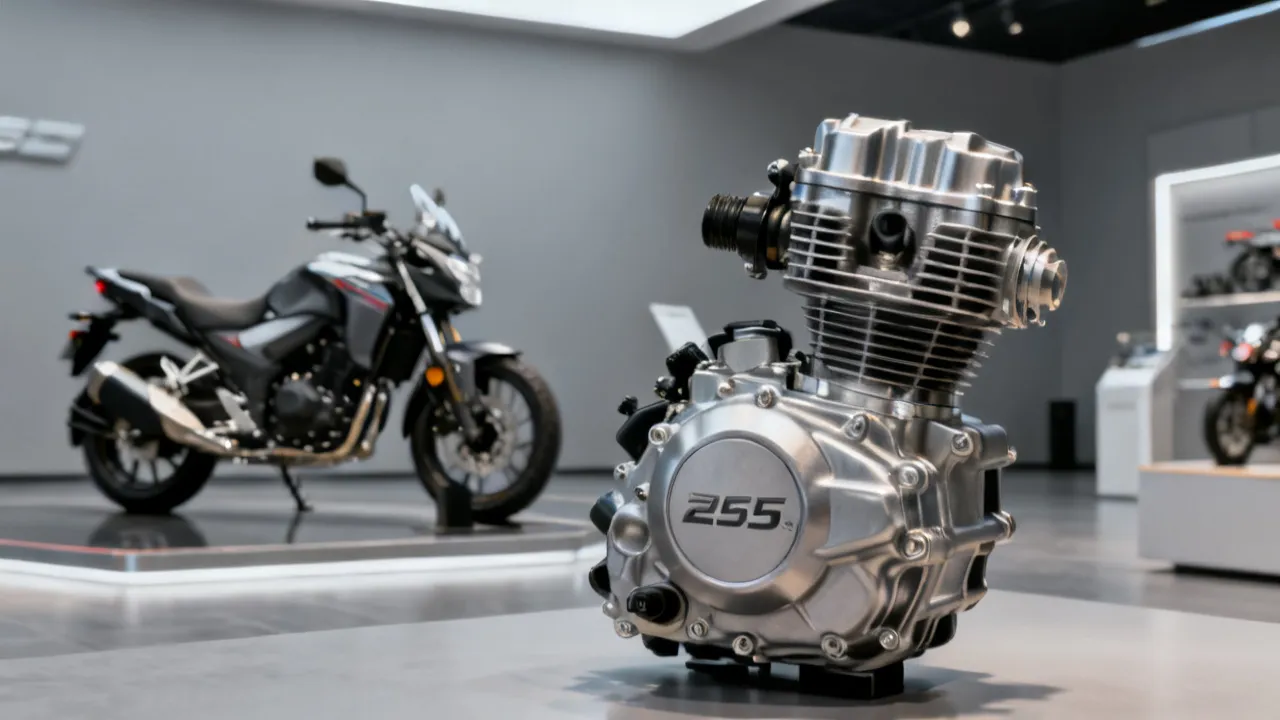
Understanding 265 Cc Engines and Vehicles
This guide explains what 265 Cc means, how engine displacement affects performance, efficiency, maintenance, and vehicle selection, and which specifications should be checked before purchase. A 265 cc engine is a power unit with a swept cylinder volume of approximately 265 cubic centimetres, although actual output varies according to cylinder count, design, tuning, fuel system, transmission, vehicle weight, and emissions equipment. Buyers should assess complete manufacturer specifications rather than displacement alone.
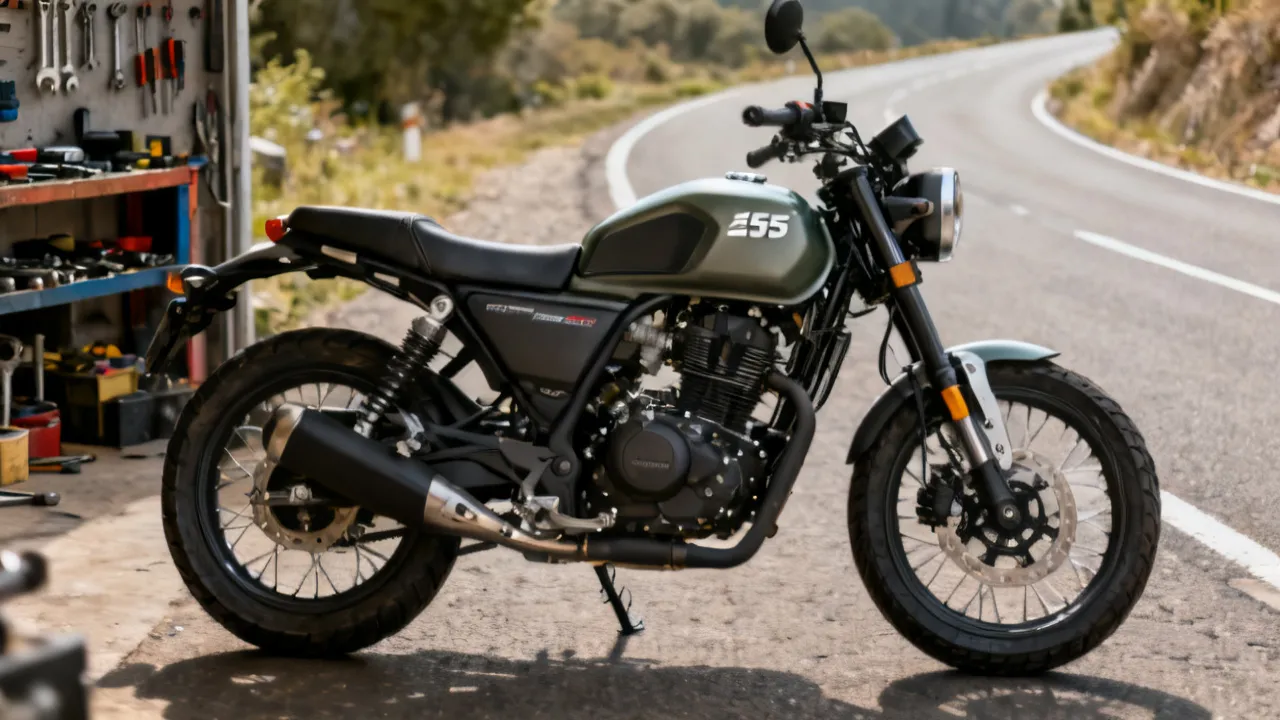
Understanding the 265 Cc Motorcycle Class
This guide explains what a 265 Cc motorcycle specification means and how buyers can evaluate performance, efficiency, comfort, maintenance, safety, and ownership costs. A 265 cc engine belongs to the lightweight-to-mid-displacement category, although actual capability depends on engine design, gearing, chassis construction, rider conditions, and regulatory requirements. The article provides an objective framework for comparing models without assuming that displacement alone determines quality.
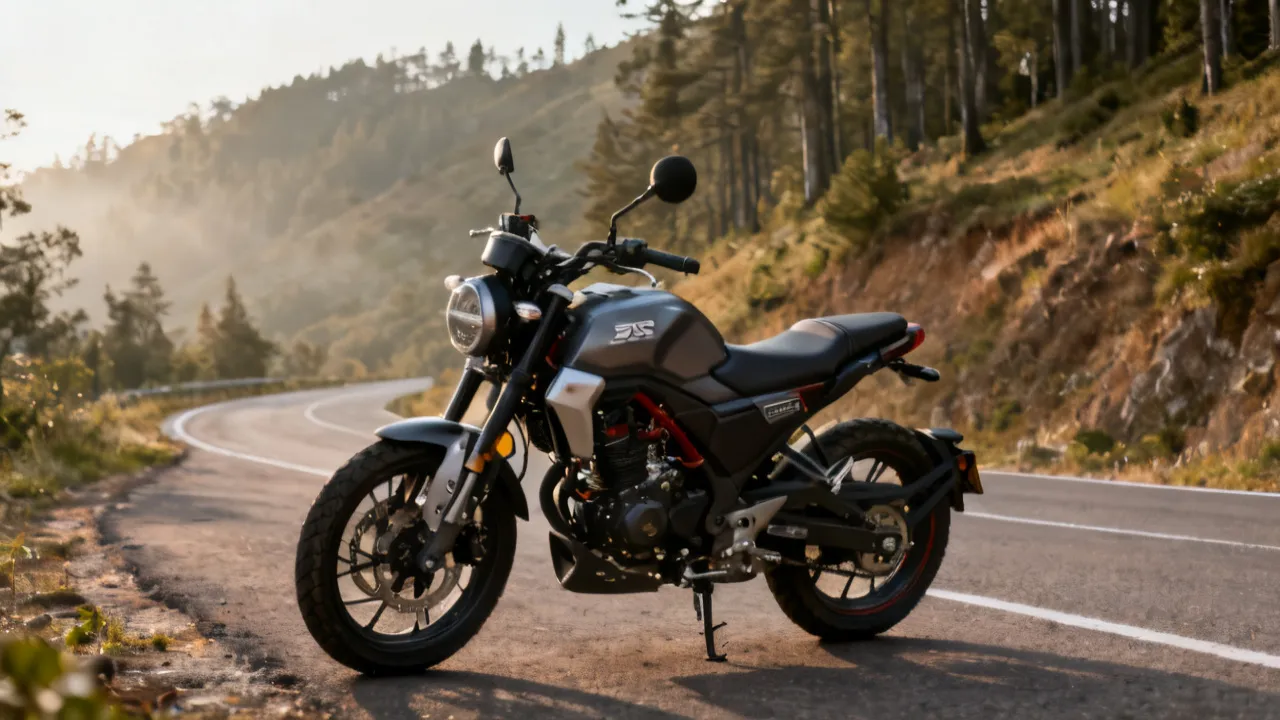
Understanding the 265 Cc Motorcycle Class
This guide explains what 265 cc means, how engines in this displacement range perform, and what buyers should evaluate before choosing a motorcycle. A 265 cc engine describes an approximate cylinder displacement of 265 cubic centimetres, but displacement alone does not determine acceleration, fuel consumption, comfort, reliability, or legal classification. Engine design, gearing, weight, maintenance, and intended use are equally important.
Understanding 265 Cc Engines and Motorcycles
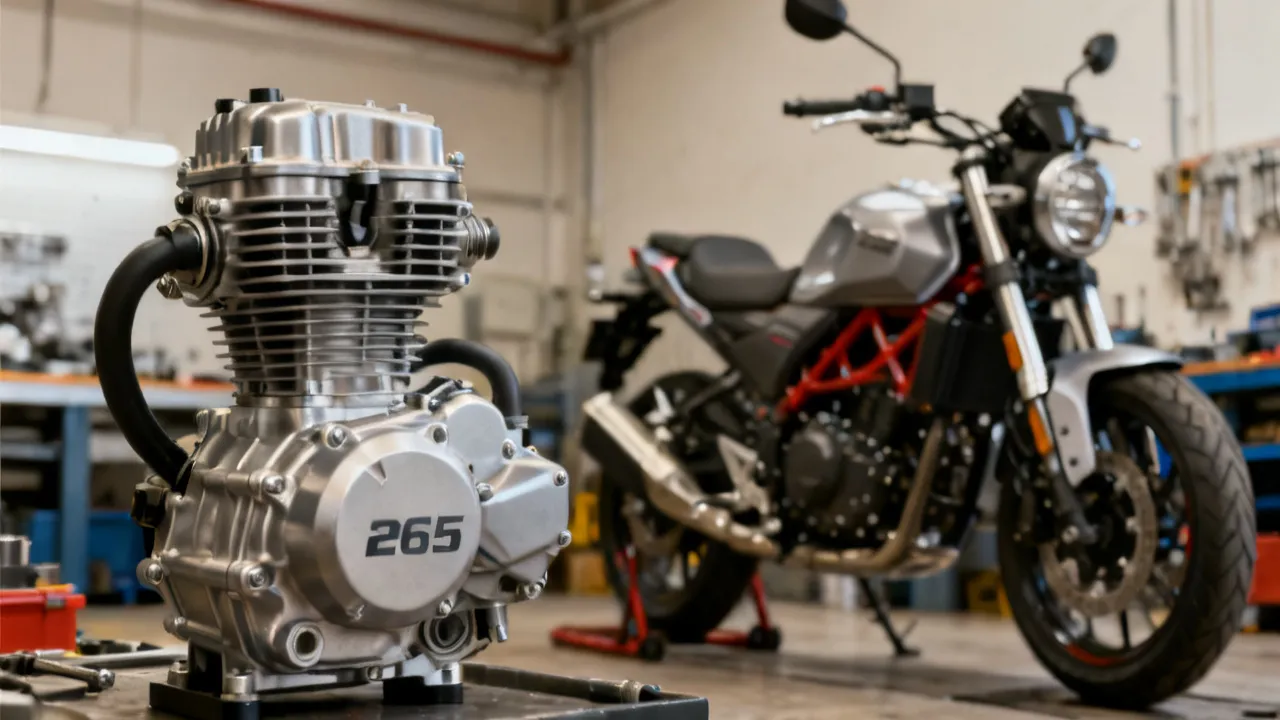
This guide explains what 265 cc means, how engine displacement affects motorcycle performance, and what buyers should evaluate before selecting a 265 cc model. The term describes an engine’s approximate swept volume, not a guaranteed power rating or vehicle category. Actual performance depends on design, tuning, gearing, weight, fuel system, cooling, emissions equipment, maintenance, and intended use.
Understanding the 265 Cc Motorcycle Class
This guide explains what 265 Cc means, how motorcycles in this displacement class perform, and which factors matter when comparing models. Engine displacement describes the combined swept volume of the cylinders, but it does not independently determine power, fuel consumption, comfort, or reliability. Buyers should assess engine design, gearing, weight, braking equipment, maintenance requirements, regulatory compliance, and intended use before choosing a 265 Cc motorcycle.
Understanding 265 Cc Motorcycle Engines
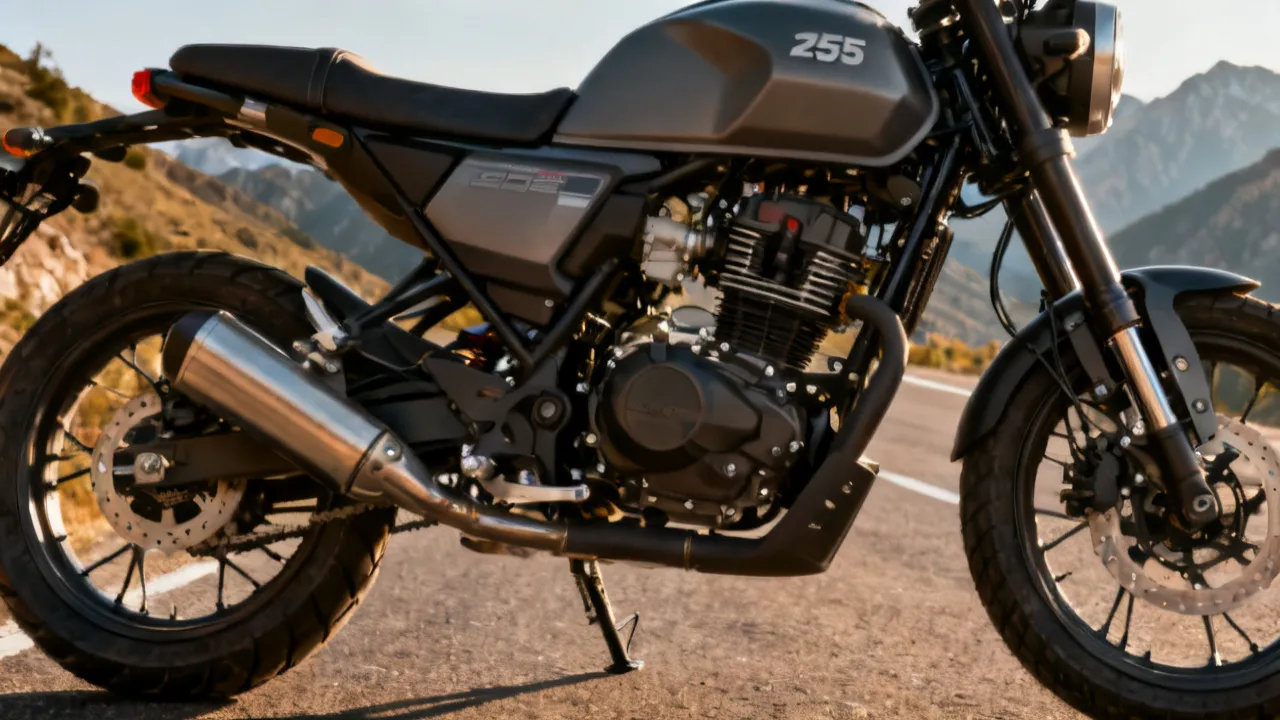
This guide explains what a 265 Cc engine designation means and how it affects motorcycle performance, efficiency, maintenance, comfort, and purchasing decisions. Engine displacement is only one part of a motorcycle’s design: cylinder configuration, tuning, gearing, vehicle weight, emissions equipment, and intended use also shape real-world behavior. Readers will find a practical framework for comparing 265 Cc motorcycles without relying on unsupported performance claims.
