This guide explains what a 265 Cc motorcycle specification means and how buyers can evaluate performance, efficiency, comfort, maintenance, safety, and ownership costs. A 265 cc engine belongs to the lightweight-to-mid-displacement category, although actual capability depends on engine design, gearing, chassis construction, rider conditions, and regulatory requirements. The article provides an objective framework for comparing models without assuming that displacement alone determines quality.
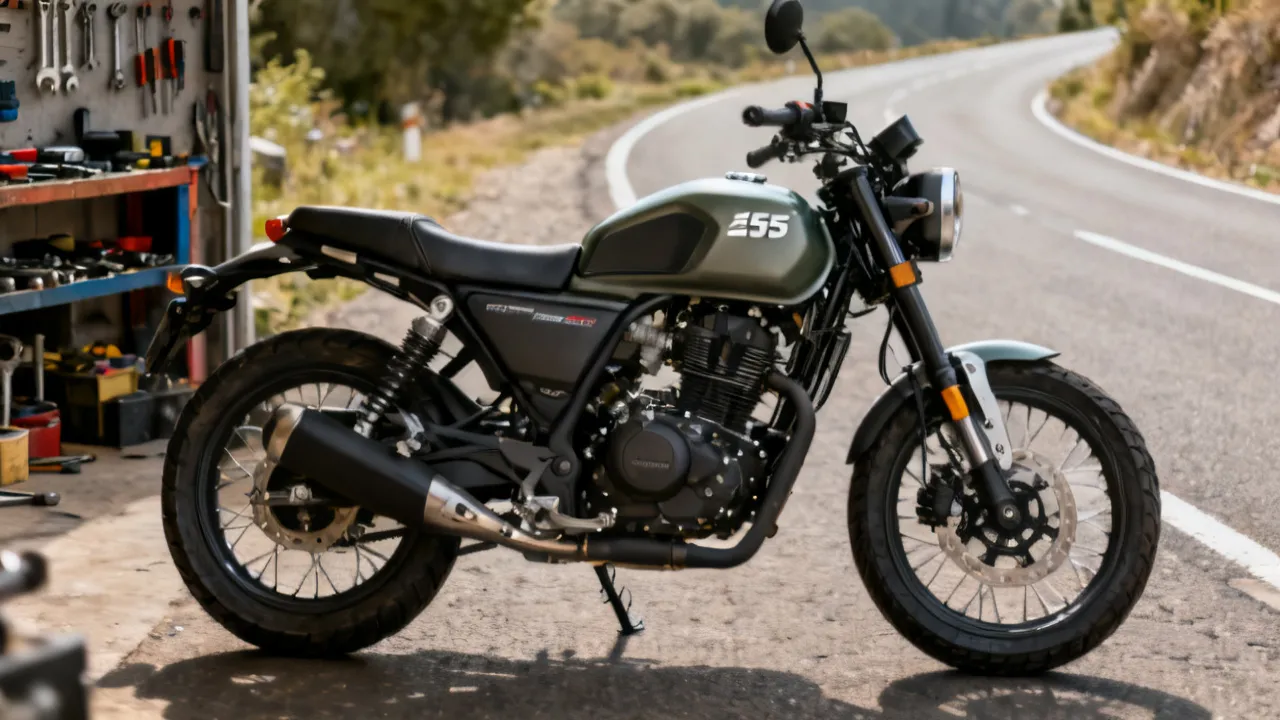
A 265 Cc motorcycle uses an engine with a swept displacement of approximately 265 cubic centimetres. In technical writing, engine displacement is commonly written as 265 cc, 265 cm³, or 0.265 litres. The figure describes the combined volume displaced by the pistons during one complete operating cycle; it does not, by itself, identify the motorcycle’s power output, fuel consumption, maximum speed, equipment level, or suitability for a particular rider.
For buyers, the very important conclusion is straightforward: a 265 Cc motorcycle should be evaluated as a complete vehicle rather than as an engine number. Two motorcycles with nearly identical displacement can feel very different because of compression ratio, cylinder configuration, valve timing, electronic control, transmission ratios, weight, aerodynamics, suspension tuning, tyre selection, and riding position. A compact commuter model may prioritise smooth low-speed operation, while a sport-oriented model may use different gearing and chassis settings to deliver a more responsive character.
The 265 cc category often attracts riders who want more capability than a small urban motorcycle without immediately moving to a substantially larger and heavier machine. It can suit commuting, practical daily transport, skills development, and moderate recreational riding. Whether it is appropriate depends on local licensing rules, road conditions, rider experience, passenger requirements, and the specific model’s verified specifications.
Displacement is measured from the bore and stroke of the engine. Bore refers to the internal diameter of the cylinder, while stroke refers to the distance travelled by the piston. An engine with a relatively large bore and short stroke may be designed to operate at higher engine speeds, whereas a smaller-bore, longer-stroke engine may emphasise torque delivery at lower speeds. These are broad engineering tendencies rather than fixed rules, but they demonstrate why displacement alone cannot describe the riding experience.
Engine displacement provides a useful starting point because it indicates the approximate working volume of the engine. In general mechanical terms, a larger displacement can provide greater potential for torque and power, but the final result depends on how the manufacturer designs and calibrates the engine. A 265 Cc single-cylinder engine, for example, may have a different torque delivery and vibration profile from a twin-cylinder engine of a similar capacity.
Displacement also affects the way an engine responds to load. Riders may notice the difference when carrying luggage, climbing a hill, riding into a strong headwind, or travelling with a passenger. However, these conditions are also influenced by vehicle mass, gear selection, wheel size, riding posture, and tyre pressure. A lighter motorcycle with well-matched gearing may feel more agile in traffic than a heavier motorcycle with a similar engine size.
From an industry analysis perspective, the very reliable way to interpret a 265 Cc specification is to combine it with several other figures:
These details should be taken from the manufacturer’s technical sheet or owner’s manual. Marketing descriptions can be useful for understanding a motorcycle’s intended character, but they should not replace verified specifications. A phrase such as “adventure ready,” “urban performance,” or “touring capable” has meaning only when it is supported by suitable suspension travel, load capacity, protection, equipment, and documented operating limits.
A 265 Cc engine may use different cylinder arrangements and cooling systems. Each design presents practical trade-offs rather than a universal advantage. The best arrangement depends on the motorcycle’s intended role, manufacturing cost, service expectations, and the preferences of the rider.
A single-cylinder engine has one piston and one combustion chamber. This layout can be mechanically straightforward and relatively compact. It may offer useful torque at everyday engine speeds and can help keep the motorcycle’s overall packaging manageable. Many riders appreciate the direct, uncomplicated character of a single-cylinder motorcycle.
Possible considerations include vibration, engine sound, and the need to select the appropriate gear when speed or load changes. Modern balancing systems, rubber mounting, fuel injection, and electronic engine management can improve refinement, but the exact experience differs by model. A prospective buyer should arrange a proper inspection or test ride where legally and practically possible.
Single-cylinder engines often leave more space for practical frame and airbox packaging, which can benefit maintenance access or fuel-tank design. They may also be lighter than a multi-cylinder engine of equivalent displacement, although the final motorcycle mass depends on the frame, exhaust, cooling system, equipment, and bodywork. A single-cylinder engine is not necessarily basic in its engineering; it may include four-valve cylinder heads, electronic fuel injection, liquid cooling, balance shafts, and sophisticated emissions controls.
A twin-cylinder engine divides the displacement between two cylinders. Depending on the configuration and crankshaft design, it may provide a smoother feel, a different exhaust note, and a broader-feeling response. It can also require additional components and may have a different maintenance schedule. A twin-cylinder 265 Cc motorcycle is not automatically more powerful or more economical than a single-cylinder alternative; the design must be assessed through verified performance and ownership information.
The firing interval and crankshaft arrangement influence the character of a twin-cylinder engine. Some designs emphasise smoothness, while others provide a more pronounced pulse that riders may associate with a lively or engaging response. A twin may be attractive to riders who spend more time at sustained road speeds, but its extra hardware can add weight and complexity. The engine’s actual refinement should be judged from the exact model rather than from the cylinder count alone.
Air-cooled engines rely primarily on airflow and finned surfaces to manage operating temperature. They may have a visually simple appearance and a comparatively uncomplicated cooling system. Liquid-cooled engines use coolant, a radiator, hoses, and related components to regulate temperature more precisely across a wider range of operating conditions.
Cooling type should be considered alongside the rider’s environment. Frequent traffic, hot weather, high-altitude roads, and sustained highway travel may place different demands on thermal management. A liquid-cooled system is not maintenance-free, and an air-cooled system is not automatically unsuitable for demanding use. The relevant question is whether the complete design matches the intended operating conditions and whether servicing can be performed correctly.
Liquid-cooled motorcycles require periodic coolant inspection and eventual replacement according to the maintenance schedule. Radiator fins should be kept clear of excessive dirt, insects, and mud, and the system should be protected from impact. Air-cooled motorcycles still require careful attention to engine oil, cooling fins, valve clearances, and signs of overheating. In both cases, unusual smells, warning lights, performance changes, or persistent temperature-related symptoms should be investigated rather than ignored.
It is not responsible to assign a universal top speed or acceleration figure to every 265 Cc motorcycle. Such claims can be misleading because test methods, rider weight, wind, road gradient, altitude, tyres, fuel, and electronic restrictions can alter results. The same engine displacement can appear in a lightweight roadster, a taller dual-purpose motorcycle, a fully equipped touring model, or a scooter-style vehicle, each with different performance characteristics.
In practical terms, the 265 Cc class is often positioned between smaller urban motorcycles and larger mid-displacement machines. It may provide enough output for normal commuting and varied road use, while remaining less physically demanding than a heavier motorcycle. Whether it is suitable for extended motorway or expressway travel depends on local speed limits, the motorcycle’s gearing, rider protection, wind conditions, and the manufacturer’s intended use.
Riders should distinguish between engine capability and comfortable operating capability. A motorcycle may technically reach a particular speed but feel less relaxed at that speed because of vibration, wind exposure, limited overtaking reserve, or suspension behaviour. A well-informed decision therefore considers the percentage of riding that will take place in urban streets, rural roads, high-speed corridors, steep terrain, and stop-and-go traffic.
Acceleration is also affected by the transmission. A motorcycle with closely spaced gears may keep the engine near its useful operating range, while taller gearing may reduce engine speed during cruising but require more frequent downshifts on hills. The clutch feel, throttle calibration, and fuel-injection response influence how easy it is to use the available power. A modest output delivered smoothly can be more useful in everyday traffic than a higher figure that is difficult to access or arrives abruptly.
Altitude deserves consideration for riders in mountainous regions. Naturally aspirated engines generally produce less power as air density falls, although electronic control systems can help maintain correct fuelling. The effect may be noticeable during steep climbs, overtaking, and passenger use. A buyer who frequently rides at high elevation should seek local road-test experience rather than relying only on low-altitude brochure figures.
Engine displacement can influence fuel consumption, but it does not determine it. Fuel use depends on throttle position, riding speed, engine tuning, vehicle mass, aerodynamic drag, tyre pressure, road gradient, traffic density, maintenance, and rider habits. Official laboratory figures, where published, should be treated as comparison references rather than guaranteed personal results.
For a realistic assessment, buyers should examine the manufacturer’s stated fuel-consumption method and compare it with independent road tests from reputable publications. It is useful to look for repeated observations across different conditions rather than relying on a single impressive figure. A motorcycle used for short urban trips may consume more fuel per kilometre than one ridden steadily on an open road because repeated acceleration, idling, and cold starts affect efficiency.
Range is calculated from fuel consumption and usable tank capacity, but the practical figure should include a sensible reserve. Riders should not plan journeys around the final portion of the tank, particularly in rural areas or on unfamiliar roads. Fuel quality, station availability, weather, and luggage load can also affect planning. The owner’s manual should define the correct fuel grade and any restrictions concerning ethanol blends or additives.
Riders can improve consistency by maintaining the recommended tyre pressures, avoiding unnecessary idling, accelerating progressively, selecting an appropriate gear, and keeping the chain correctly adjusted. These habits should never compromise safety. Coasting in an inappropriate gear, delaying necessary maintenance, or riding too slowly in a dangerous traffic situation is not a worthwhile method of reducing fuel use.
Displacement is only one part of a motorcycle’s physical character. The weight distribution and seat height may matter more than the engine size during parking, reversing, low-speed turns, and uneven-surface manoeuvres. A 265 Cc motorcycle with a low centre of gravity can feel reassuring at walking pace, while a taller model may offer greater ground clearance but require more confidence when stopping.
Ergonomics should be assessed in several positions rather than during a brief showroom sit. The rider should consider:
Passenger use deserves separate attention. A motorcycle may have a passenger seat and footrests but still be less comfortable for two people on longer journeys. Buyers should verify the maximum permitted load, which includes the rider, passenger, luggage, accessories, and any other carried items. The manufacturer’s loading guidance takes priority over informal recommendations.
Storage is another practical concern. Some motorcycles have no built-in storage beyond a small compartment, while others can accept panniers, a top case, tank luggage, or under-seat equipment. Luggage should be mounted securely and distributed evenly. Heavy items placed high or far behind the rear axle can affect steering, braking, and suspension response. The accessory manufacturer’s load limit and the motorcycle manufacturer’s maximum load must both be respected.
The chassis determines how the engine’s output is translated into movement. Frame stiffness, steering geometry, swingarm design, wheelbase, suspension travel, and mass distribution all affect handling. A compact road motorcycle may turn quickly in urban streets, while a longer wheelbase may offer a more settled feel on open roads.
Suspension adjustment is particularly important when rider weight, passenger use, or luggage varies. Some 265 Cc models provide preload adjustment, while others use simpler fixed settings. Adjustment should follow the manufacturer’s instructions. Incorrectly increasing or reducing preload does not replace proper spring selection, and changes should be made systematically rather than by guesswork.
Suspension should be evaluated over the surfaces the rider actually uses. A motorcycle that feels comfortable on smooth showroom roads may respond differently to potholes, expansion joints, speed humps, corrugated gravel, or broken pavement. Excessive bottoming, repeated bouncing, harshness, or instability can indicate unsuitable settings, worn components, or an inappropriate load.
Tyres are a safety-critical component. Their size, construction, speed rating, load rating, and intended surface should match the motorcycle manufacturer’s specifications. A dual-purpose tyre may provide flexibility on maintained gravel roads, but it may not offer the same paved-road feel as a road-focused tyre. Tyre pressure should be checked when the tyres are cold and should reflect the load condition specified by the manufacturer.
From an expert purchasing perspective, buyers should look beyond the visual appeal of a wheel design or tread pattern. Ask whether replacement tyres are readily available through established suppliers, whether the sizes are common in the local market, and whether the model’s recommended tyre choices are clearly documented. Tyre age is important on used motorcycles because rubber can deteriorate even when tread depth appears acceptable.
Braking equipment should be assessed by hardware and control technology. Disc diameter, caliper design, master-cylinder feel, brake-line construction, tyre grip, and suspension behaviour all contribute to braking performance. Anti-lock braking systems, where fitted and permitted by local regulations, are designed to help reduce wheel lock during certain braking conditions. They do not eliminate the need for appropriate speed, distance, attention, and road awareness.
The presence of a rider-assistance system should be confirmed through the exact model specification rather than assumed from photographs or general advertising. Equipment can differ between markets, trim levels, production batches, or optional packages. A buyer should verify whether the motorcycle has single-channel or dual-channel anti-lock braking, how the system behaves on different surfaces, and whether any warning lights require inspection before riding.
Braking technique remains essential. Riders should use both brakes smoothly, look well ahead, maintain a safe following distance, and adapt to rain, loose material, painted road markings, metal covers, and reduced visibility. A 265 Cc motorcycle can be approachable, but its safety depends on the complete interaction among rider behaviour, road conditions, tyres, brakes, suspension, and maintenance.
Brake feel should be consistent, with no excessive lever travel, pulsing, scraping, or unexplained change in resistance. A motorcycle that pulls to one side under braking may have a mechanical or setup issue. Brake fluid absorbs moisture over time, so it should be replaced according to the specified interval. Brake pads and discs should be inspected for wear, contamination, cracking, and minimum-thickness requirements.
Modern motorcycles may include digital displays, fuel-range estimates, gear-position indicators, smartphone connectivity, charging ports, LED lighting, and selectable riding modes. These features can be useful, but they should be judged according to reliability, visibility, repairability, and relevance to the rider’s needs.
A bright display is valuable only if it can be read without distracting the rider. A charging port should be protected from moisture and installed in a location that does not interfere with steering or luggage. Connectivity features may depend on phone compatibility, software support, and regional availability. Buyers should review the manufacturer’s privacy and service information where connected functions collect or transmit data.
Lighting equipment should comply with the regulations of the jurisdiction in which the motorcycle will be registered and used. The owner’s manual should explain bulb or lamp replacement, fuse access, battery care, and the correct procedure for jump-starting or charging. Electrical modifications should be made carefully because poorly installed accessories can damage wiring, reduce weather resistance, or affect warranty assessment.
Battery condition is especially relevant on motorcycles used for short journeys or stored for long periods. A weak battery can cause starting problems and may produce misleading electronic fault symptoms. If a motorcycle is stored, the owner should follow the manufacturer’s recommendations for charging, fuel treatment, tyre support, and periodic inspection. Unapproved chargers or incorrect polarity can damage the battery and electrical system.
A disciplined buying process reduces the chance that an attractive specification will overshadow practical limitations. The following sequence is suitable for comparing new motorcycles and, with additional inspection, used examples.
Write down how the motorcycle will actually be used. Identify the proportion of urban commuting, rural travel, high-speed-road riding, passenger use, recreational trips, and carrying luggage. Consider the road surface and traffic patterns rather than relying on a general label such as “daily use.” A motorcycle intended mainly for short city journeys may need different priorities from one used for long weekend routes.
Confirm the licence category, minimum age, engine-capacity rules, power restrictions, insurance requirements, registration procedures, helmet standards, and equipment obligations that apply in the rider’s jurisdiction. A 265 Cc engine may fall into a different legal category depending on the jurisdiction’s framework. The seller’s statement is not a substitute for confirmation from the relevant licensing or transport authority.
Collect the official specifications for displacement, power, torque, mass, dimensions, seat height, wheel size, brakes, tyre sizes, service intervals, and maximum permitted load. Keep measurements in consistent units. If a specification is missing, ask the authorised dealer or manufacturer for written clarification.
Test the reach to the handlebars, the position of the foot controls, the seat shape, and the ease of moving the motorcycle while stationary. If protective clothing will be worn regularly, test the position while dressed appropriately. A rider who feels secure and relaxed is more likely to control the motorcycle smoothly.
Investigate the availability of scheduled servicing, trained technicians, genuine replacement parts, approved consumables, diagnostic support, and warranty procedures. A motorcycle can have attractive specifications yet become inconvenient if routine service requires long-distance travel or parts are difficult to obtain. Ask how warranty claims are documented and which maintenance records must be retained.
The purchase price is only one part of ownership. Include registration, taxes where applicable, insurance, protective equipment, scheduled maintenance, tyres, chain and sprocket wear, brake components, fuel, parking, accessories, and potential financing charges. Used buyers should also allow a contingency for an initial inspection and replacement of neglected consumables.
For a new motorcycle, confirm that the delivered vehicle matches the agreed model, equipment, colour, and documentation. For a used motorcycle, inspect cold-start behaviour, fluid leaks, chain condition, steering-head play, wheel bearings, fork seals, brake-disc wear, electrical functions, frame damage, tyre age, and service records. A qualified technician should assess concerns that cannot be verified visually.
Insurance premiums can vary according to location, rider experience, theft rates, engine output, security equipment, and repair costs. Obtain quotations before making a final decision. Resale value is difficult to predict with certainty, but models with reliable parts supply, clear service records, strong dealer support, and broad market demand may be easier to sell later.
| Evaluation Area | Questions to Ask | Why It Matters |
|---|---|---|
| Engine character | Is the power delivery smooth at the speeds used most often? | Determines comfort, control, and gear-selection demands. |
| Vehicle mass | Can the rider manoeuvre it confidently when stationary? | Affects parking, low-speed control, and emergency handling. |
| Seat height | Can the rider reach the ground securely? | Influences confidence during stops and uneven-surface situations. |
| Suspension | Does the adjustment range suit the rider and intended load? | Supports stability, comfort, and tyre contact with the road. |
| Braking system | What equipment is fitted, and does it comply with local requirements? | Provides control during planned and unexpected stops. |
| Fuel system | What fuel grade and maintenance procedures are specified? | Helps preserve correct operation and reduce avoidable faults. |
| Service support | Are trained technicians and replacement parts accessible? | Influences good reliability and downtime. |
| Load capacity | Can it safely carry the rider, passenger, and luggage? | Prevents overloading and preserves handling behaviour. |
| Fuel range | Is the usable range adequate for the rider’s normal routes? | Reduces inconvenience and supports practical journey planning. |
| Parts availability | Can consumables and replacement components be obtained locally? | Limits delays and helps control long-term ownership costs. |
Routine maintenance is central to safe and predictable ownership. The exact schedule must come from the relevant owner’s manual because intervals vary by model and market. Common inspection areas include engine oil, oil-filter replacement, air filtration, coolant where applicable, spark plug condition, chain lubrication and tension, brake-pad thickness, fluid levels, tyre pressure, wheel alignment, battery condition, fastener security, and lighting operation.
Chain-driven motorcycles require regular attention to chain slack, lubrication, cleanliness, and sprocket wear. A chain that is too tight can stress components, while one that is too loose can produce harsh transmission response or create a safety risk. Cleaning products should be compatible with the chain and seals. Riders should also inspect for stiff links, damaged rollers, hooked sprocket teeth, and abnormal noise.
Engine oil should meet the viscosity and performance standard stated by the manufacturer. Mixing products or extending service intervals without technical justification may increase risk, especially in hot conditions, heavy traffic, or frequent short trips. Oil level checks should be performed using the procedure specified in the manual because the correct method can vary according to whether the motorcycle is upright, warm, or resting for a prescribed period.
Maintenance records are valuable for both current ownership and future resale. Entries should include the date, mileage, work performed, parts used, and the service provider. Digital records can be useful, but paper invoices and inspection reports should also be retained where available. A record is credible when it corresponds with the motorcycle’s odometer, wear patterns, and manufacturer schedule.
Valve-clearance inspection is another important item. Some engines use adjustment systems that require periodic measurement and mechanical correction, while others use hydraulic or different arrangements. A valve clearance that is too tight or too loose can affect starting, idle quality, performance, noise, and long-term durability. The procedure may require specialist tools, so owners should understand whether it can be completed by a general workshop or an authorised technician.
Fastener inspection matters after accessory installation, off-road use, or repeated exposure to vibration. Handlebar clamps, mirrors, luggage racks, exhaust brackets, engine guards, and licence-plate mounts should be secure without being over-tightened. Corrosion should be addressed early, especially around electrical connectors, frame joints, brake components, and areas where road salt or standing water collects.
The number 265 does not reveal power delivery, refinement, chassis quality, equipment, or reliability. Treat it as a classification clue, not a complete evaluation.
Figures from different manufacturers may be measured under different conditions. Look for the stated test method, unit, engine speed, vehicle configuration, and whether the figure represents the engine or the rear wheel.
A larger equipment list can add weight. Additional guards, luggage systems, tall screens, and accessories may alter balance and handling. Compare ready-to-ride mass where possible, not only dry mass.
Routine maintenance is easier when qualified support and parts are available nearby. Before purchase, identify the nearest recognised service facility and ask about normal booking times, diagnostic capability, and parts ordering.
Side cases, top boxes, racks, crash protection, and electrical accessories add mass. Confirm their compatibility and account for their weight within the motorcycle’s maximum permitted load.
A motorcycle that looks appropriate in photographs may be uncomfortable after an hour. Seat shape, handlebar reach, footpeg position, and wind exposure should be evaluated in person whenever possible.
A newer model may have updated electronics or styling, but a mature model can have proven parts availability and well-understood maintenance procedures. Compare documented changes, warranty terms, recalls, and owner support rather than judging only by model year.
Tyres, brake pads, chains, sprockets, batteries, and cables are normal ownership items. Their cost and replacement frequency can materially affect the budget. Ask whether the model uses widely available sizes and whether scheduled maintenance requires specialised parts.
For commuting, useful characteristics often include manageable mass, predictable throttle response, effective low-speed cooling, easy-to-read instruments, dependable lighting, practical fuel range, and a comfortable seat. Narrow dimensions may help with parking and lane positioning, but riders must always follow local traffic laws and avoid treating manoeuvrability as permission to take unsafe gaps.
Weather protection varies widely. A standard motorcycle exposes the rider to wind and rain, while a scooter-style design or touring-oriented model may offer more bodywork and storage. A windscreen can improve comfort but may introduce turbulence if poorly matched to rider height. Heated equipment, hand guards, and waterproof luggage may be relevant in colder or wetter regions, but each accessory should be installed according to approved guidance.
Daily commuters should also consider security. A steering lock is only one layer of protection. Parking in a secure, visible location, using an appropriate secondary lock where permitted, and following insurer requirements may reduce risk. Security practices should not obstruct emergency access or create hazards for pedestrians.
Commuters may also benefit from a motorcycle that starts consistently after standing outdoors, has clear controls in low light, and permits easy cleaning after wet or dusty journeys. A centre stand can assist chain maintenance and parking, although it adds mass. Under-seat storage, a luggage rack, and a stable side stand may be more useful to a daily rider than cosmetic equipment.
The 265 Cc class can provide a useful platform for developing clutch control, braking discipline, cornering vision, slow-speed balance, and hazard awareness. Nevertheless, engine size should not be used as a substitute for formal training. New riders benefit from recognised instruction that covers protective equipment, road positioning, emergency braking, surface hazards, and defensive observation.
Training should take place in a controlled environment appropriate to the rider’s licence and local rules. Riders should practise braking progressively, turning at low speed, starting on inclines, and managing the motorcycle on uneven surfaces. The objective is not to chase maximum performance; it is to build repeatable control that remains reliable under stress.
Advanced features may assist a rider, but they do not replace judgement. Anti-lock braking, traction management, or selectable modes can change the motorcycle’s response, so riders should understand the system’s purpose and limitations before relying on it in difficult conditions.
A training motorcycle should also tolerate mistakes without creating unnecessary physical or financial pressure. A manageable seat height, predictable clutch, moderate steering effort, and readily available replacement parts can be valuable. Protective crash protection may help reduce cosmetic damage during low-speed incidents, but it should never encourage a rider to overlook proper technique or safety equipment.
Emissions performance is determined by the motorcycle’s certified design, fuel system, exhaust after-treatment, test procedure, and maintenance condition. A displacement figure alone cannot establish environmental performance. Buyers should check the vehicle’s certification documents and the emissions requirements in the jurisdiction where it will be registered.
Noise regulations may also apply. Exhaust modifications can affect compliance, warranty assessment, durability, and the operation of oxygen sensors or other engine-management components. An aftermarket exhaust should be selected and installed only when its compatibility and legal status are clear.
Responsible ownership includes correct disposal of used engine oil, filters, coolant, batteries, tyres, and other controlled materials. These items should be handled through authorised collection or recycling channels rather than placed in ordinary household waste or poured into drains.
Fuel vapour and cleaning chemicals should also be managed responsibly. Refuelling should take place with the engine stopped, away from flames or ignition sources, and according to the station’s instructions. Spilled fuel should be dealt with promptly. Motorcycles should not be stored in poorly ventilated areas where fuel vapour can accumulate.
Technical sheets often contain terms that require careful interpretation. “Maximum power” may be listed at a particular engine speed, while “maximum torque” may occur at a different speed. “Kerb mass” and “dry mass” are not interchangeable. Fuel capacity may include a reserve or may be measured differently across brands. Wheelbase, ground clearance, and seat height may also be affected by load, tyre selection, or measurement conventions.
When comparing two motorcycles, create a single worksheet and record the source and date for every figure. Do not combine a manufacturer’s power figure with a third party’s mass figure without checking whether both refer to the same specification. If regional versions differ, record the exact market and model code.
Reliable information generally comes from the manufacturer’s technical documentation, owner’s manual, official parts information, government certification records, recognised testing organisations, and established motorcycle publications that disclose their methods. Standards organisations such as SAE International and regulatory bodies publishing vehicle requirements can provide useful technical context, but the specific motorcycle’s official documentation remains the primary reference for operation and maintenance.
It is also useful to separate standard equipment from optional equipment. A photograph may show accessories that are not included in the base price, such as luggage, engine guards, a taller windscreen, auxiliary lights, or upgraded suspension. Ask the dealer for an itemised quotation and confirm which features are covered by the warranty.
Good value is not the same as the lowest purchase price. An industry expert would normally examine durability indicators, parts availability, service simplicity, warranty administration, resale demand, insurance cost, tyre availability, and the motorcycle’s fit with the owner’s actual use. A motorcycle that is slightly more expensive to acquire may be more economical to keep if it is correctly sized, properly maintained, and supported by an accessible service network.
Conversely, a feature-rich model may not represent good value if the rider does not need its additional equipment or if servicing is difficult to arrange. Buyers should resist pressure to select a larger or more complex motorcycle merely because it appears more prestigious. The top choice is the one that delivers sufficient capability while remaining comfortable, controllable, legally compliant, and financially manageable.
Reliability should be discussed carefully. No responsible assessment can guarantee that every example of a model will perform identically. Manufacturing quality, maintenance, storage, riding conditions, and accident history all influence outcomes. Rather than relying on broad claims, buyers should examine recall notices, warranty information, service campaigns, owner’s manuals, and documented maintenance requirements.
Long-term value also depends on whether the motorcycle remains suitable as the owner’s needs change. A rider who expects to add a passenger, travel longer distances, or carry equipment should consider those requirements before purchase. Buying a motorcycle that is just adequate for current use may lead to an early upgrade, while selecting one with a reasonable reserve of comfort and load capacity can extend the ownership period.
Riders should use a properly fitted, regulation-compliant helmet and protective clothing appropriate for the climate and riding conditions. Gloves, footwear that protects the ankle, abrasion-resistant garments, and impact protection can reduce the consequences of a fall. Equipment should be inspected for damage and replaced according to the manufacturer’s instructions after a significant impact.
Before every ride, check tyre condition and pressure, brake operation, throttle return, clutch feel, lights, indicators, mirrors, horn, chain condition, and visible fluid leaks. This inspection does not need to be lengthy, but it should be consistent. Any warning light, unusual noise, soft brake lever, unstable steering, or significant vibration deserves attention before continued use.
Riders should adapt speed to visibility, traffic, surface grip, and stopping distance. Rain can reduce tyre adhesion and make painted markings, leaves, metal surfaces, and road repairs more hazardous. Gravel and debris may collect at intersections and bends. A moderate engine size does not remove these hazards; it simply describes one aspect of the motorcycle’s mechanical design.
Passenger riding requires additional preparation. The passenger should understand where to place their feet, how to hold the motorcycle or rider, and how to remain aligned with the motorcycle through turns. The rider should allow extra distance for braking, account for the altered balance, and check tyre pressures and suspension preload according to the manual. Luggage should be secured before departure, and no load should interfere with the controls, lights, chain, exhaust, or suspension movement.
265 Cc means the engine has an approximate swept displacement of 265 cubic centimetres. It describes piston displacement, not a guaranteed power output, maximum speed, fuel-consumption figure, or legal licence category.
It may be suitable for some beginners, but suitability depends on the motorcycle’s weight, seat height, throttle response, licensing rules, and the rider’s training. A beginner should choose a machine that can be controlled comfortably and should receive recognised instruction.
Only if the specific motorcycle is approved and equipped for passenger use. Check the passenger seat, footrests, maximum permitted load, tyre pressures, and owner’s manual. The combined mass of rider, passenger, luggage, and accessories must remain within the stated limit.
That depends on the motorcycle’s certified performance, gearing, road regulations, traffic speed, terrain, rider weight, and wind conditions. Review the model’s official specifications and assess whether it can maintain a comfortable, legal pace with an appropriate reserve for overtaking.
Displacement alone cannot establish fuel economy. Consumption is affected by engine design, vehicle mass, speed, traffic, maintenance, tyres, weather, and riding style. Use official test information as a comparison reference and expect real-world results to vary.
Neither layout is universally better. A single-cylinder design may emphasise compactness and direct response, while a twin-cylinder design may provide a different smoothness and character. Compare the exact models, including vibration, service requirements, power delivery, mass, and intended use.
The correct interval is specified by the manufacturer and may depend on mileage, time, operating conditions, or the type of service. Follow the owner’s manual and keep records. Severe use, dusty environments, frequent short journeys, or heavy traffic may require additional inspection.
Inspect the frame, steering, wheels, suspension, brakes, tyres, chain and sprockets, engine cases, cooling system, electrical equipment, exhaust, controls, and service history. A cold start and professional inspection are valuable. Verify the vehicle identification number and registration documents through the appropriate authority.
Yes. Luggage, screens, guards, racks, auxiliary lighting, and other equipment can add weight, alter aerodynamics, change balance, and affect steering. Use compatible accessories, respect the load limit, and follow installation instructions.
Use the fuel grade and blend specified in the owner’s manual. Requirements vary by engine design and market. If the manual provides guidance on ethanol content or storage, follow it carefully.
No. Price may reflect equipment, materials, brand positioning, distribution costs, technology, or warranty arrangements. A meaningful comparison considers verified specifications, support, maintenance, comfort, safety equipment, and total ownership cost.
Weight can be extremely important, particularly during parking, low-speed turns, braking, and carrying luggage. A lighter motorcycle may feel easier to manage, while a heavier one may provide greater stability or equipment. Compare the exact ready-to-ride mass and weight distribution rather than assuming displacement predicts handling.
Not by itself. Insurance providers may consider engine power, theft risk, repair costs, rider history, location, intended use, security equipment, and the model’s claims history. Obtaining a quotation for each motorcycle before purchase gives a more accurate ownership estimate.
The 265 Cc category offers a practical reference point for riders seeking a motorcycle with more versatility than a very small-displacement machine while avoiding assumptions associated with larger and heavier models. Its value depends on the complete package: engine behaviour, chassis balance, braking, ergonomics, legal compliance, maintenance support, and the rider’s real requirements.
The very reliable purchasing method is to begin with intended use, confirm licensing and regulatory conditions, compare official specifications, assess physical fit, inspect service support, and calculate the complete ownership budget. A careful buyer will treat 265 Cc as useful technical information, not as a final verdict. That approach produces a more objective decision and helps ensure that the selected motorcycle remains manageable, dependable, and appropriate over time.
For one rider, the ideal 265 Cc motorcycle may be a light commuter with simple controls and low running costs. For another, it may be a touring-oriented model with stronger wind protection, a broader seat, luggage compatibility, and a suspension system suited to longer trips. Neither choice is automatically superior. The appropriate motorcycle is the one whose verified capabilities align with the rider’s roads, skills, physical comfort, budget, and maintenance access.
Before signing a purchase agreement, the buyer should confirm every important assumption in writing. Verify the exact model year, equipment level, warranty conditions, delivery contents, registration documents, and service schedule. If buying used, allow time for a cold inspection and independent mechanical assessment. A careful decision at the beginning is usually less expensive and more satisfying than trying to correct a poor fit after ownership has started.
Striking the Perfect Balance: Navigating Premiums and Out-of-Pocket Expenses in Senior Insurance Plans

Explore the Tranquil Bliss of Idyllic Rural Retreats

How to Make Lasting Memories at Disneyland Attractions

Affordable Phones and Plans for Seniors

Affordable Full Mouth Dental Implants Near You

Unlock the Top Kept Secrets to Finding Your Ideal Dentist for Flawless Dental Implant Results!

Discovering Springdale Estates

Unveiling RS Sul Telecom Services

The Guide to Car Trading

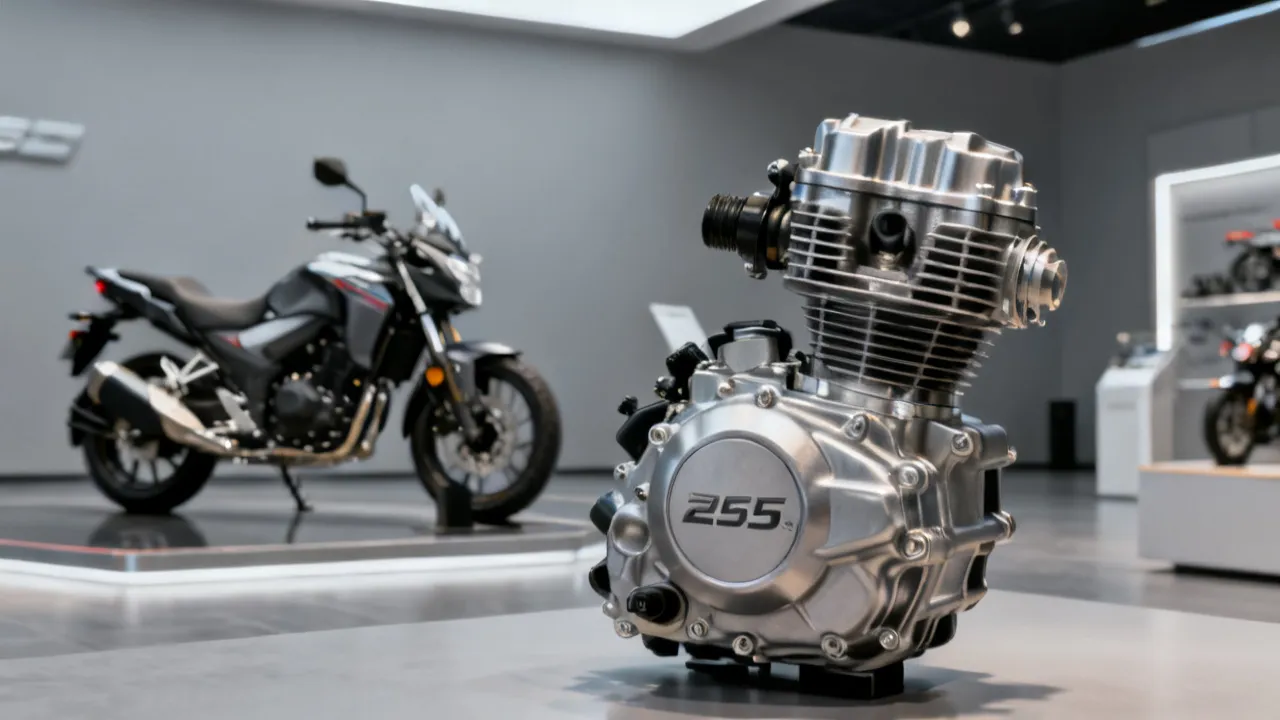
Understanding 265 Cc Engines and Vehicles
This guide explains what 265 Cc means, how engine displacement affects performance, efficiency, maintenance, and vehicle selection, and which specifications should be checked before purchase. A 265 cc engine is a power unit with a swept cylinder volume of approximately 265 cubic centimetres, although actual output varies according to cylinder count, design, tuning, fuel system, transmission, vehicle weight, and emissions equipment. Buyers should assess complete manufacturer specifications rather than displacement alone.
Understanding the 265 Cc Motorcycle Class
This guide explains what a 265 Cc motorcycle specification means and how buyers can evaluate performance, efficiency, comfort, maintenance, safety, and ownership costs. A 265 cc engine belongs to the lightweight-to-mid-displacement category, although actual capability depends on engine design, gearing, chassis construction, rider conditions, and regulatory requirements. The article provides an objective framework for comparing models without assuming that displacement alone determines quality.
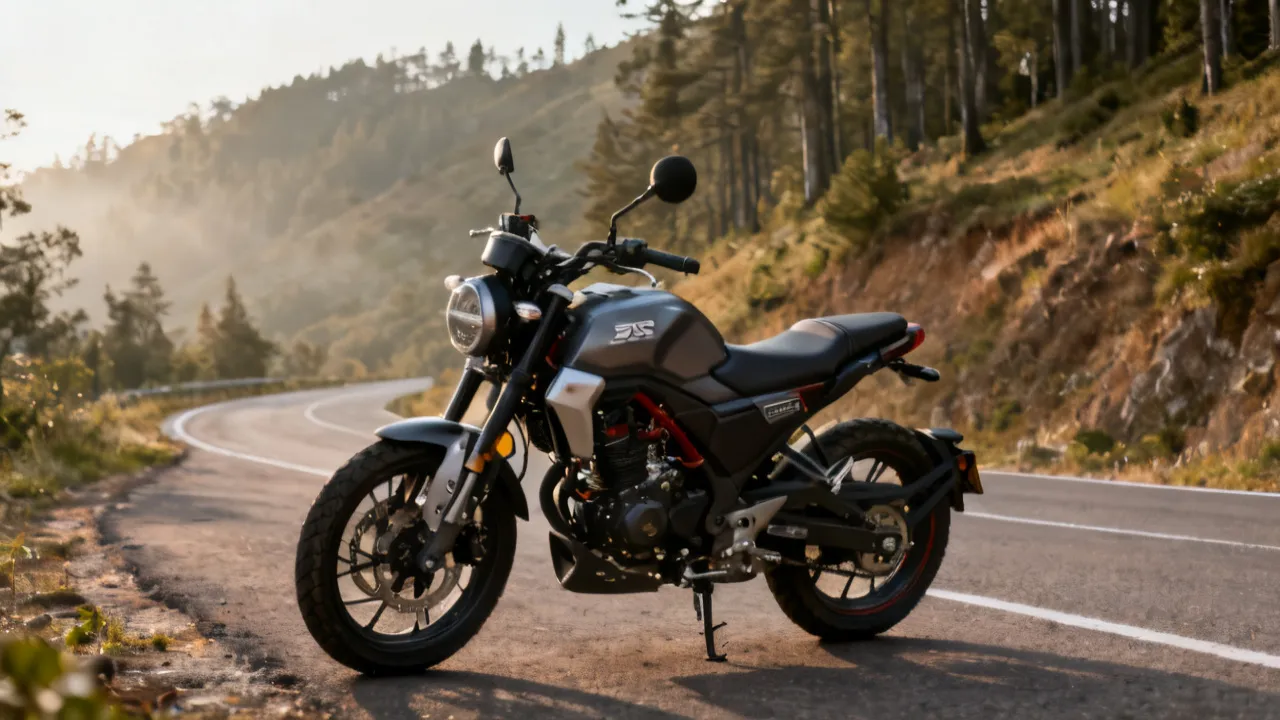
Understanding the 265 Cc Motorcycle Class
This guide explains what 265 cc means, how engines in this displacement range perform, and what buyers should evaluate before choosing a motorcycle. A 265 cc engine describes an approximate cylinder displacement of 265 cubic centimetres, but displacement alone does not determine acceleration, fuel consumption, comfort, reliability, or legal classification. Engine design, gearing, weight, maintenance, and intended use are equally important.
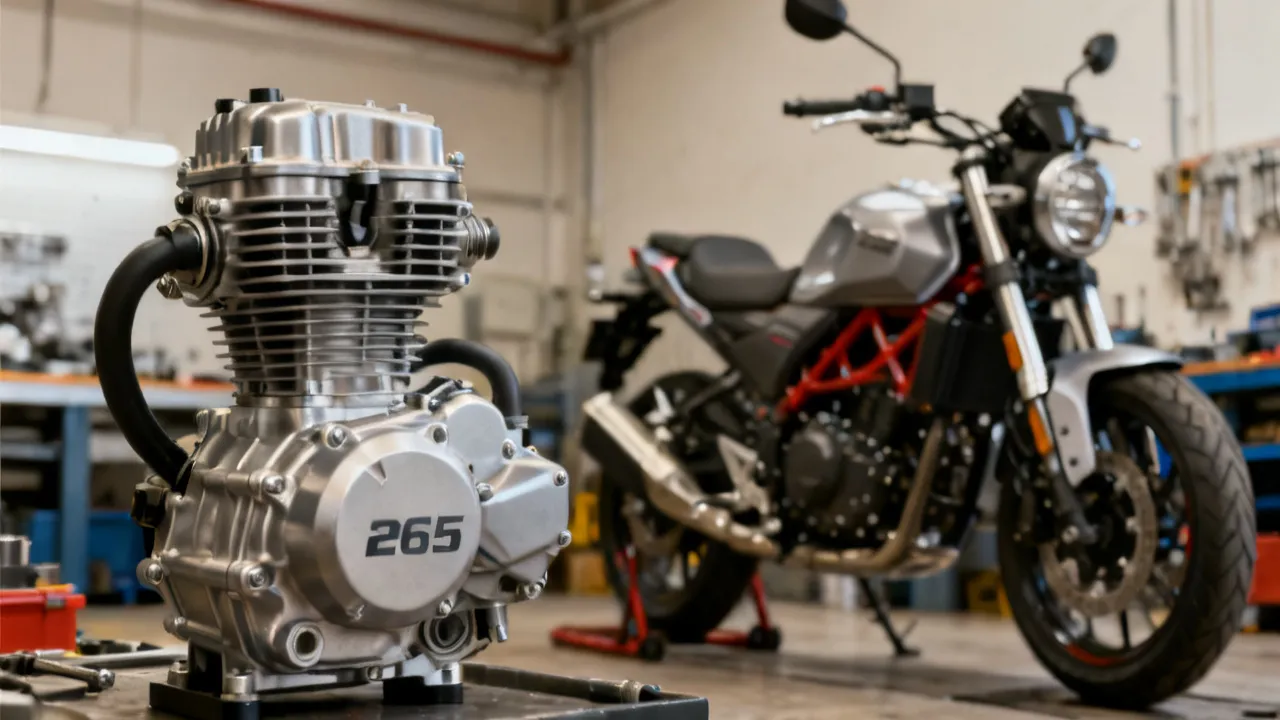
Understanding 265 Cc Engines and Motorcycles
This guide explains what 265 cc means, how engine displacement affects motorcycle performance, and what buyers should evaluate before selecting a 265 cc model. The term describes an engine’s approximate swept volume, not a guaranteed power rating or vehicle category. Actual performance depends on design, tuning, gearing, weight, fuel system, cooling, emissions equipment, maintenance, and intended use.
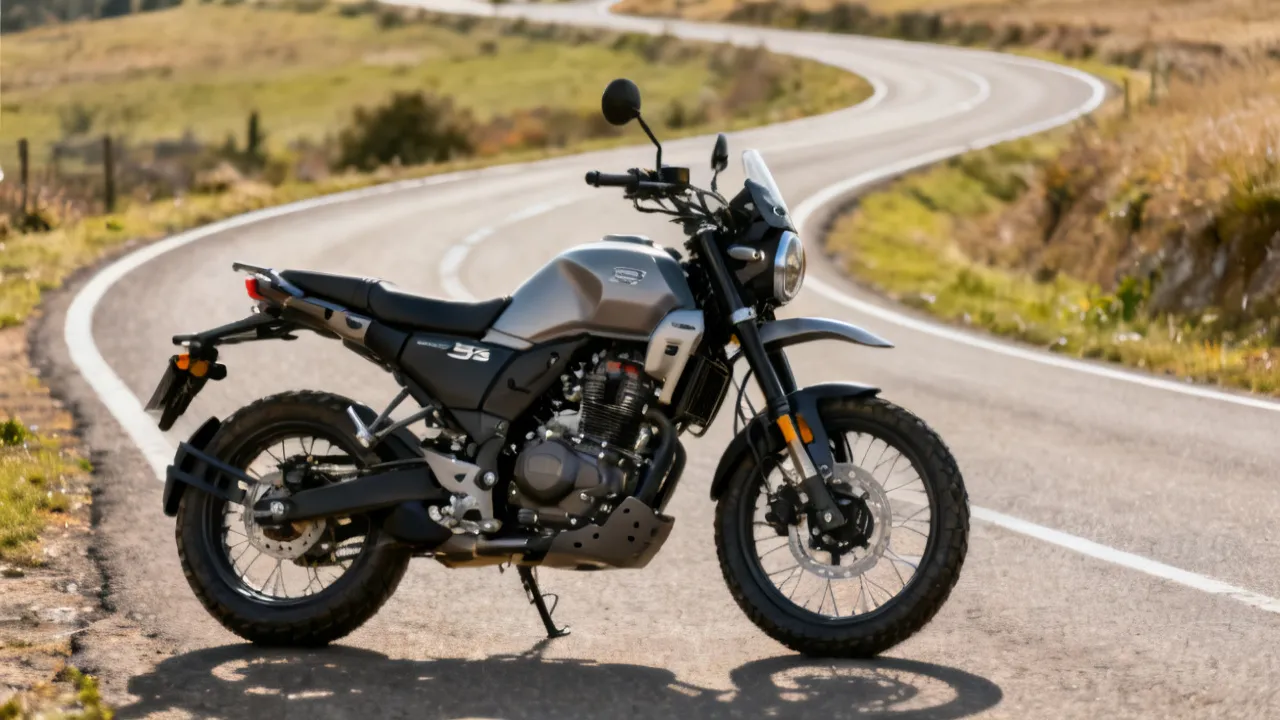
Understanding the 265 Cc Motorcycle Class
This guide explains what 265 Cc means, how motorcycles in this displacement class perform, and which factors matter when comparing models. Engine displacement describes the combined swept volume of the cylinders, but it does not independently determine power, fuel consumption, comfort, or reliability. Buyers should assess engine design, gearing, weight, braking equipment, maintenance requirements, regulatory compliance, and intended use before choosing a 265 Cc motorcycle.
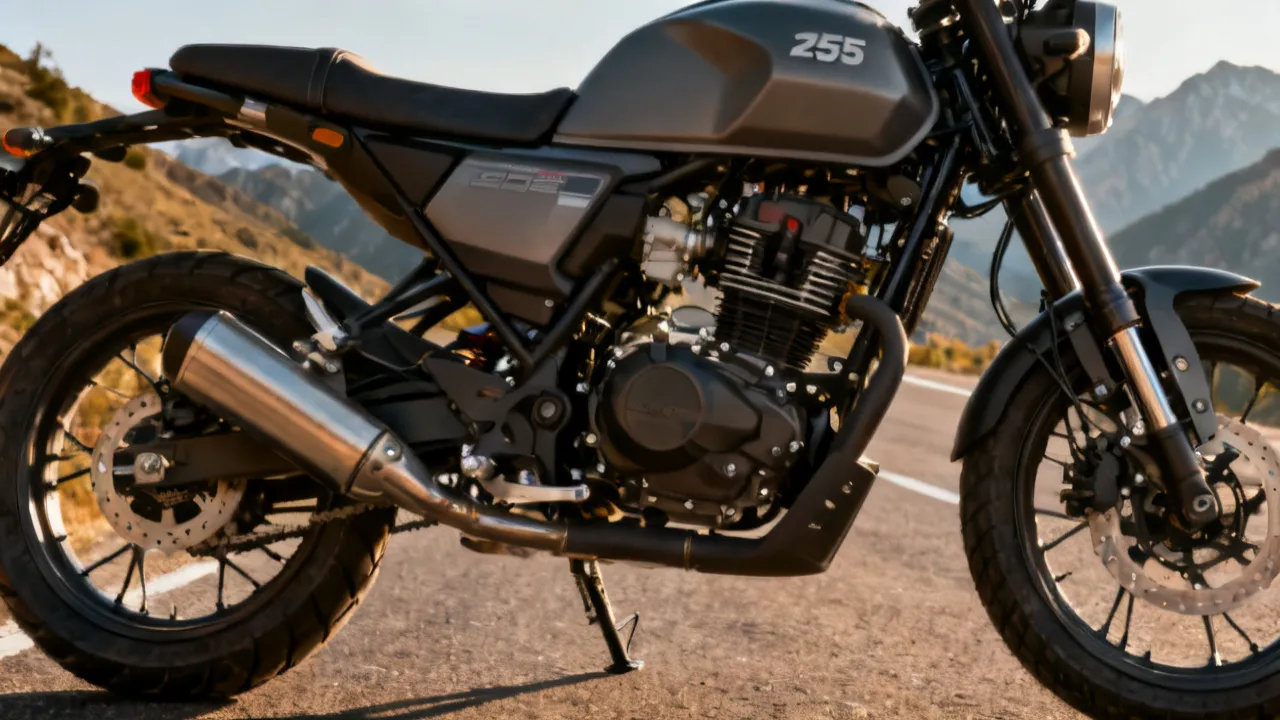
Understanding 265 Cc Motorcycle Engines
This guide explains what a 265 Cc engine designation means and how it affects motorcycle performance, efficiency, maintenance, comfort, and purchasing decisions. Engine displacement is only one part of a motorcycle’s design: cylinder configuration, tuning, gearing, vehicle weight, emissions equipment, and intended use also shape real-world behavior. Readers will find a practical framework for comparing 265 Cc motorcycles without relying on unsupported performance claims.
