This guide explains Commercial Electric Car Charging Points Installation, covering site planning, electrical design, procurement, permitting, grid connection, and commissioning. It provides objective background on chargers, standards, and risk controls, then outlines practical requirements through comparisons, a step-by-step approach, and FAQs—helping property owners and fleet managers plan upgrades with confidence.
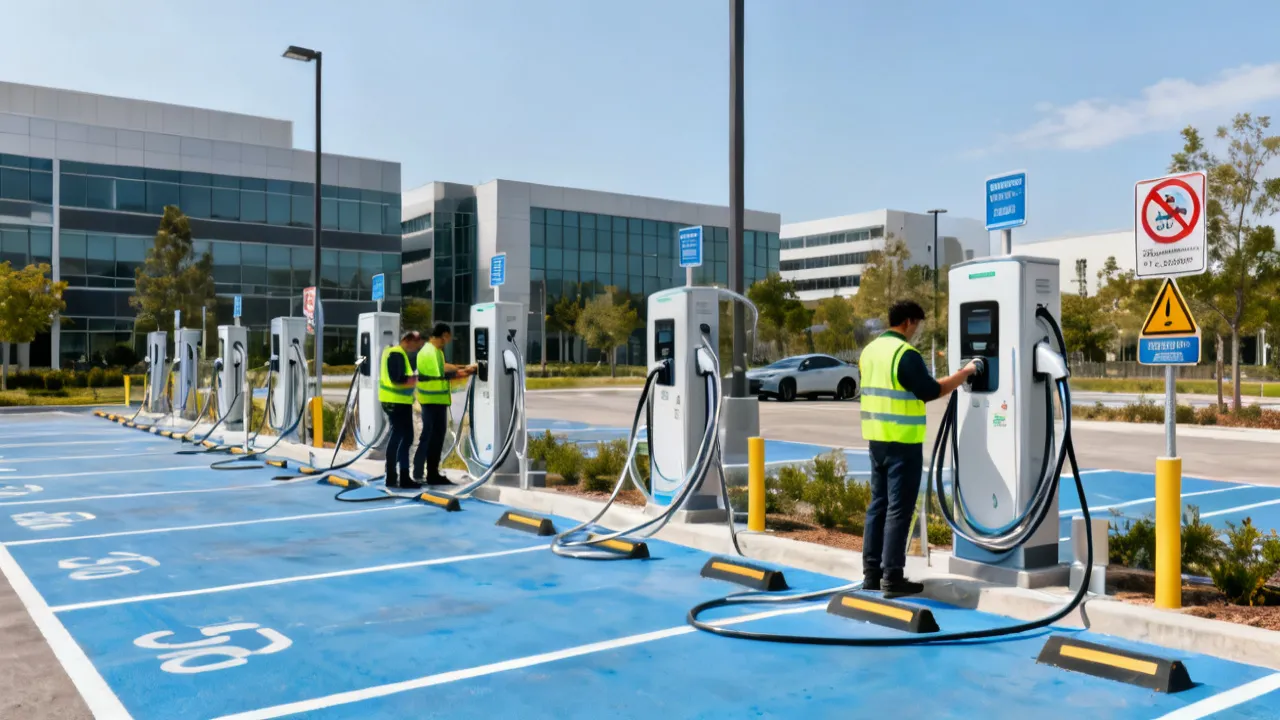
Commercial Electric Car Charging Points Installation is a multi-stage project that starts with site assessment and ends with commissioning, testing, and documentation. For businesses, the goal is consistent uptime, safe power delivery, and an install plan that matches expected demand—whether you’re equipping a retail car park, a logistics yard, a hotel forecourt, or a shared office campus.
In commercial environments, the “charger” is only one part of the system. The project must be designed as an integrated solution that includes utility interface, electrical distribution, protection and earthing/bonding, civil interfaces, communications layers, authorization/payment processes, and a maintenance and monitoring model. If you treat the charger as an isolated piece of equipment, the installation is much more likely to suffer from avoidable commissioning issues, poor performance under peak usage, and expensive rework once the chargers are live.
From an industry perspective, the very common failure points aren’t “charger brands,” but the fundamentals: inadequate load assessment, unclear ownership of grid works, weak cable-route design, missing civil interfaces, or incomplete commissioning records. Getting these right early reduces redesign, delays, and cost pressure later in the schedule. It also helps when you need to evidence compliance to regulators, insurers, landlords, clients, or internal governance teams.
Because commercial projects often span multiple stakeholders—property owners, facilities managers, electrical contractors, integrators, utilities, and sometimes local authorities—deciding “what to do first” is less about choosing a charger model and more about establishing decisions, responsibilities, and deliverables. The best outcomes typically come from a disciplined early phase that clarifies objectives and locks down the system scope before procurement.
Commercial sites typically operate under stricter expectations: higher vehicle throughput, broader user categories (employees, customers, fleets), and more complex electrical constraints. Unlike many residential setups, commercial projects must consider:
Commercial Electric Car Charging Points Installation should be treated as a complete electrical system: utility interface, distribution, protection devices, communications layer, and ongoing maintenance processes. Residential thinking often focuses on “can I connect power and mount the charger?” Commercial thinking asks “will the site remain safe and functional during peak demand, outages, maintenance cycles, and network upgrades?”
There are also differences in risk profile. A residential charger is usually used by one household with relatively predictable charging behaviour. A commercial charger can experience wide fluctuations due to customer arrivals, staff shift changes, fleet scheduling, events, weather effects, and local traffic patterns. That unpredictability makes design margins, load control strategies, and commissioning testing under realistic load scenarios more important.
Another differentiator is the user journey. Commercial installations must deliver a reliable experience for people who may not be familiar with EV charging. If signage is unclear, bay access is confusing, or authorization fails intermittently, support teams can be overwhelmed. A robust commercial setup therefore includes operational processes, user-facing prompts, and a support/escalation plan, not just hardware.
At a high level, commercial deployments often use a mix of AC and DC chargers depending on typical dwell time and business model.
An expert approach is to evaluate real-world usage patterns (average dwell time, expected vehicle mix, and peak charging windows) so the installed capacity aligns with demand. Overbuilding DC can increase capital cost; underbuilding can reduce customer satisfaction and revenue potential. The “scope” impact is important: DC often triggers grid upgrade requirements, more complex distribution topologies, and more extensive thermal and protection coordination, whereas AC can usually be phased more flexibly.
Another consideration is the charging standard and compatibility expectations. While most EV owners will be able to find a compatible DC fast option on mainstream networks, your site may still see vehicles with different charging capabilities and maximum charging rates. Designing only for the “average” EV behaviour can lead to unexpected capacity planning outcomes. For example, if a site is marketed as “fast” but the majority of users arrive with vehicles that only charge at a lower rate than expected, it may not unlock the business benefit of throughput. Conversely, a site designed around one maximum vehicle capability may frustrate higher-capability vehicles if charging curves and power availability aren’t managed properly.
Finally, DC installations often require careful consideration of site layout for traffic flow, cable routing, and safety zones. Because DC equipment is high power and may produce higher ambient heat, installers may need to design for airflow, temperature gradients around enclosures, and safe placement relative to footpaths, retail frontage, and access for emergency responders.
When you engage a supplier for Commercial Electric Car Charging Points Installation, ask for evidence of design rigor rather than only product lists. A well-prepared proposal generally includes or references:
It also helps to request clarity on assumptions. For instance, load assessment calculations must clarify what baseline loads were measured, for which time periods, and how they were extrapolated. If you have seasonal variations, multiple operating modes (day vs night), or variable equipment usage (HVAC, refrigeration, process machinery), these must be reflected in the analysis.
Suppliers should also specify the environmental and physical conditions used in design. Cable performance can be impacted by high ambient temperatures in plant rooms, burial depth, exposure to sun in outdoor trunking, and grouping density in conduits. A credible design package will reference installation parameters and show how the cable selection meets both thermal limits and electrical safety requirements.
Protection coordination is another key deliverable that should not be treated as a “tick-box.” Selectivity between upstream protection devices and downstream chargers can be critical for uptime. If a short-circuit event at one charger causes upstream tripping, it may disable the entire bank and significantly affect operations. Similarly, improper settings can cause repetitive nuisance tripping during peak charging sessions.
For longer routes, voltage drop analysis is not only about compliance—it can also influence charger performance and cause faults if voltage at the charger terminals falls outside tolerances. Businesses should ask how the design ensures stable performance during simultaneous charging and how it handles worst-case voltage scenarios. If managed load systems are planned, the load strategy should be integrated into the electrical assumptions.
Finally, communication architecture matters. Even when the electrical installation is perfect, poor network configuration can break user authentication or remote monitoring. A supplier should identify how chargers connect (e.g., cellular, Ethernet, Wi-Fi, or via local network), what signal coverage assumptions were used, and what fallback options exist if primary connectivity fails.
Procurement decisions affect both cost and schedule. In commercial projects, the “supplier” role can be split across product manufacturer, installer, and systems integrator. Regardless of structure, you’ll want:
In practice, “good” looks like strong interface management. If your project spans a grid connection, distribution upgrades, civil works, and a back-office network platform, the most common delays occur when handover between parties is unclear. For example, civil works might be completed without leaving proper ducting routes for future upgrades, or electrical distribution might be terminated without providing adequate access space for maintenance. A reliable partner can explain how they prevent these issues through coordination and checklists.
Ask how they manage design change. Commercial installations rarely remain static. A business may decide to add more bays, change bay locations due to landscaping, or modify the authorization strategy. A quality supplier will have a change-control process that identifies impact on civil works, electrical capacity, and commissioning testing. Without that, changes can create “unknown unknowns” that surface only after installation.
You should also evaluate their commissioning methodology. Commissioning in commercial contexts should include not only basic electrical tests but also functional checks of charger operation, authorization and billing flows (if applicable), and verification that protection systems respond appropriately under controlled conditions. A good supplier can describe commissioning evidence formats and what you receive at handover.
Another practical factor is the manufacturer’s service policy and parts supply. Chargers include power electronics, contactors, metering components, and communication modules that can fail. For uptime, you need to understand spare part lead times and whether the supplier provides rapid replacement or onsite repair. “We’ll respond quickly” is not enough; you need an operational service framework and realistic response commitments.
While many people ask for “price information,” accurate pricing depends on site constraints and scope. Instead of unverified numbers, it’s more reliable to understand the categories that typically influence total installed cost:
If you receive a quote, request an itemized scope so you can compare like-for-like: charger hardware, electrical distribution works, civil reinstatement, testing, and handover documents. Many pricing disagreements happen because one quote includes testing and documentation, while another assumes a generic handover pack. In commercial environments, documentation is not a “nice to have”—it is part of operational readiness and may be required for audit trails.
It’s also helpful to examine what’s included in connection and authorization. For example, a charger bank may require a metering approach and a data integration method. If the quote doesn’t specify how metering is implemented (and who owns data responsibilities), it can lead to disputes later when billing, sustainability reporting, or managed load features are required.
Another hidden cost driver is downtime and traffic management. In retail car parks and hotel sites, civil and electrical works may need traffic diversion, signage, safe pedestrian routes, and downtime windows that increase labour cost. A competent supplier will price these realistically and schedule them in coordination with your site operations plan.
Finally, consider the cost of “capability you might not use.” Some DC installations include redundant systems, advanced metering, and extended remote management. These features may not be necessary for early phases but can reduce future cost when expanding. A good commercial plan compares short-term savings with long-term flexibility to avoid rework.
Commercial sites involve public interaction, employee operations, and high-power electrical equipment. You should expect the installation plan to include safety controls such as:
Compliance expectations vary by jurisdiction and utility rules, so your installer should align to the local regulatory framework and provide evidence of inspections and commissioning. In practice, compliance isn’t only about passing a single electrical test. For commercial stakeholders, compliance should be evidenced in the form of traceable records: test results, commissioning checklists, cable test values where applicable, labeling schemes, and as-built documentation.
Also consider operational compliance such as access and supervision. Public-facing bays should have clear physical boundaries, safe vehicle access, and visible status information. If chargers are in an area where vehicles can park incorrectly, you may need bay signage or ground markings, and possibly enforcement methods. If the site has vulnerable users, like hospitality guests or staff with limited mobility, you may need to consider safe route access and placement heights.
Weatherproofing is another safety requirement that affects long-term reliability. Outdoor chargers are exposed to rain, dust, and sometimes salt or corrosive environments. Installation practices should include correct sealing of glands, appropriate conduit sealing (where relevant), and careful selection of enclosure rating and mounting methods.
Because high-power installations involve significant energy delivery, emergency procedures should be considered. While users may not be expected to interact with electrical isolation, the site needs a plan for how technicians or emergency services can isolate affected equipment. A well-designed installation pack includes access points for isolation devices and clear labeling to support rapid fault response.
The options below are presented to help stakeholders compare common project approaches and their implications. (No links are included, and the table is intended as a neutral planning tool.)
| Project approach | Top for | Key requirements | Typical risks if overlooked |
|---|---|---|---|
| Phased installation (start small, expand) | Sites with uncertain early demand or budget constraints | Capacity forecast, spare distribution headroom, future cable-route strategy | Rework of civil works or inadequate electrical spare capacity |
| Managed load (dynamic charging limits) | Sites with tight contract limits or transformer constraints | Load management design, metering approach, commissioning validation | Unexpected trip events or user dissatisfaction due to aggressive limits |
| Dedicated capacity (higher upfront headroom) | High-throughput locations that prioritize uptime | Confirmed grid capacity, protection coordination, realistic peak scenarios | Overcapitalization if vehicle throughput never materializes |
| Fleet-first deployment (single user group) | Depots, employers charging employee vehicles, controlled access sites | User management model, access controls, predictable charging schedule assumptions | Poor scalability if customer charging becomes necessary later |
| Public/customer-facing deployment (multi-user access) | Retail forecourts, hospitality sites, mixed parking | Authorization/payment integration, clear signage, robust fault-response process | Operational issues during high-traffic hours and weaker support readiness |
Below is a practical, sequential workflow typically used by experienced delivery teams. The ordering matters because early decisions affect electrical design, civil routing, and the feasibility of future expansion.
Before acceptance, ensure the project meets essential conditions—otherwise you risk future service interruptions or compliance gaps. Common requirements include:
To make acceptance more concrete, require acceptance criteria that are measurable. For instance, specify acceptable charger start-up times, acceptable communication error rates, and defined response processes if a charger fails authorization. If you’re running a managed load system, set acceptance criteria for maximum allowable frequency of nuisance limit events and confirm how these events are logged.
Also consider environmental performance. Outdoor equipment should meet ingress protection requirements under realistic weather conditions. While certification provides baseline assurance, your acceptance process should verify that installation practices align with the enclosure ratings and cable sealing requirements. Ask for evidence that outdoor conduits and glands were installed correctly and that water ingress risks have been mitigated.
From an operational standpoint, define user-facing responsibilities. If the site uses a mobile app for authorization, who manages app onboarding and resets if users forget credentials? If third-party roaming or a charge point network is involved, acceptance should include test sessions that simulate real customer usage patterns.
Finally, ensure your acceptance pack includes “what to do when something goes wrong.” In commercial settings, the operational cost of a failed charger includes lost revenue and staff time. Acceptance should therefore include a clear fault-handling guide: how to diagnose, who to call, and how to preserve the evidence needed to support warranty claims.
Installation is not the end of the project for commercial stakeholders. You should plan for performance management once chargers are live.
Uptime and fault response: fast resolution depends on knowing whether faults are equipment-side, electrical-side, network-side, or user-side (authentication/payment). A mature support model clarifies escalation routes and expected response times.
It’s also worth designing the operational model before go-live. For example, who investigates if a charger is offline? Is it the facility team, the installer, the manufacturer, or the network operator? In many commercial cases, a clear escalation matrix prevents delays because the first responder knows which party to contact and what diagnostic information to provide.
Metering and reporting: metering approach affects billing accuracy, performance analytics, and charge balancing decisions. If your business needs reporting for internal sustainability targets or customer billing, confirm what data is collected and how it will be accessed.
Beyond billing, reporting can support operational decisions such as staffing changes, pricing strategies, and infrastructure expansion. If you plan to grow, ensure that the reporting system can scale with additional bays and that data formats are stable. If your platform or integration depends on external systems, confirm service-level agreements and what happens when APIs change.
User experience: signage, parking bay marking, and a consistent authorization process reduce congestion. A commercial site benefits from clear “how to charge” prompts and visible status indicators.
For customer-facing sites, consider behavioural elements: how quickly users look up instructions, whether they understand the steps needed to start a session, and how they respond when charging doesn’t start immediately. Sometimes users attempt to start a session repeatedly, which can create load spikes or unnecessary support calls. Well-designed user prompts can reduce these issues and support the charging experience.
Scalability: demand can grow within months. Consider whether your system design supports additional bays, firmware updates, and evolving network/payment requirements. Scalability is not only electrical (spare capacity) but also operational (support team capacity, firmware update procedures, and back-office platform scaling).
If you anticipate adding points, ensure your civil and electrical infrastructure includes “future readiness.” This might mean leaving spare conduits, installing blanking plates or reserve spaces in distribution boards, and confirming that load management rules can be expanded without major reconfiguration.
Commercial Electric Car Charging Points Installation requires attention to compatibility and operational reliability. Industry stakeholders commonly address:
Interoperability should be viewed in two dimensions: physical compatibility (connectors and charging standards) and system compatibility (back-end platforms, billing and authorization methods, and data exchange). It’s not enough for a charger to “work on EVs.” It must work on the network and with the authorization methods your business chooses.
Communications robustness is often underestimated. In some sites, the electrical room or outdoor enclosure placement results in weak cellular reception or Wi-Fi dead zones. If chargers rely solely on a single connectivity method, the entire user experience can fail when that connectivity degrades. A reliable design includes signal testing and fallback options such as alternative connectivity paths or robust local operations that still allow charging even if cloud services are temporarily unavailable (within the constraints of authorization models).
Security practices also matter in commercial contexts. Networked chargers can be targets for malicious attempts to interfere with authorization systems or data integrity. A supplier should describe how access is secured (for example, authenticated admin access, role-based access, secure update mechanisms, and event logging). You should also understand your responsibilities for device access and whether there are administrative tools or portal accounts that you will need to manage.
From a compliance perspective, documentation is central. Many commercial projects involve inspections and audits. Your documentation pack should support those audits and demonstrate that installation and commissioning were carried out to appropriate requirements. Even when a site is not subject to high regulatory scrutiny initially, good documentation can reduce future time costs when properties change hands, insurance questions arise, or upgrades are planned.
For sourcing and compliance context, many stakeholders consult national electrical safety guidance and industry standards published by relevant standards organizations, as well as utility connection requirements. Where applicable, also review official guidance from grid operators and charge infrastructure authorities in your jurisdiction. The key is to ensure the supplier’s design and testing approach aligns with the local framework, not a generic assumption.
Deciding what to do first becomes easier when you map the decision to a common scenario. Below are a few examples of how early planning choices shape the entire installation scope.
Scenario 1: Office campus with employee charging
Employee charging usually has longer dwell times (often overnight or during working hours) but it is heavily dependent on routine schedules. Your first decisions should be about access control and authorization, because employees may expect charging to be simple and reliable. From an electrical perspective, you should also analyze the building baseline load during the hours when employees are likely to plug in (e.g., HVAC cycles). AC chargers are often suitable, but you may still need load balancing if the campus contract has limited headroom.
In this scenario, cable routes can run through parking garages or structured parking. Early planning for cable containment and safe routing paths reduces later disruptions to tenant areas. It’s also important to plan maintenance access because employees will still need parking access while technicians perform scheduled maintenance. This can influence charger mounting height, enclosure placement, and the design of isolation access points.
Scenario 2: Retail car park with customer-facing charging
Customer-facing installations depend on user experience. First decisions should include bay layout for traffic flow, signage visibility, and support readiness. Electrical decisions are still crucial, but you often need to prioritize minimizing downtime during installation. Your early site assessment should therefore include operational constraints such as when the car park is busiest and how you can cordon off areas safely.
If you choose DC fast chargers for customer throughput, the grid connection question often becomes central early. You may need a load management approach if the site has limited capacity, but you must balance it against user expectations for fast charging. Early decisions about authorization and payment integration are also crucial because a customer who arrives at a charger and cannot authenticate will create lost revenue and increased support load.
Scenario 3: Logistics yard and depot charging (fleet uptime)
Fleet charging is often predictable but unforgiving. Downtime can disrupt operations and cause ripple effects in delivery schedules. First decisions should include operational planning: where vehicles park during charging, whether chargers support predictable charging windows, and what the maintenance strategy is (including how quickly a failed unit is restored). Your electrical design should aim to ensure availability, possibly through dedicated capacity or robust protection coordination that prevents one fault from disabling all chargers.
In a logistics yard, civil and mechanical conditions can be demanding—heavy vehicle movements, potential oil contamination, and dust. Early planning needs to account for durable enclosures, robust cable protection, and well-defined service access. It’s also advisable to plan for safe isolation processes that allow technicians to repair specific units without stopping the entire operation.
Scenario 4: Hotel forecourt or hospitality site
Hospitality sites often see a mix of guests and sometimes staff charging. The first decisions typically involve user access and experience, because visitors may not be familiar with charging steps. Signage, instructions, and authorization methods should be selected early. Electrical planning should consider that guest arrivals and departures can cluster around peak times (evenings), producing demand spikes.
AC chargers might be common, but load management may still be needed depending on baseline building loads and transformer capacity. A key early decision is to set expectations for guests: if charging is slower due to managed limits, the user experience can improve if that expectation is communicated clearly (e.g., via status indicators or pre-arrival instructions).
One of the most overlooked aspects of Commercial Electric Car Charging Points Installation is interface management between disciplines and stakeholders. The first decision you should make is often not a technical design choice, but a governance choice: who owns each interface and how disputes or uncertainties are resolved.
Consider these common interfaces:
If you don’t define these upfront, the “first phase” can stall because every party assumes someone else has addressed a dependency. A disciplined early phase includes a responsibility matrix and a deliverables schedule so that each interface becomes an expected outcome rather than a risk.
In commercial projects, expansion is the norm rather than the exception. Even if you start with a small number of bays, you should decide early how expansion will be handled. This affects electrical distribution design, civil ducting strategy, and even the software/authorization configuration.
For electrical distribution, expansion planning can include:
For civil works, expansion readiness often includes installing ducting sleeves, leaving access points for future terminations, and planning reinstatement so that additional works do not permanently damage new landscaping or surfacing.
For software and authorization, expansion planning means ensuring the back-office platform can add new devices without major reconfiguration. It also means ensuring remote monitoring and reporting templates will include future chargers. If you start with a platform that is difficult to scale or depends on custom integrations, expansion can become more costly than expected.
Commissioning is where many projects either confirm readiness or reveal gaps. In commercial installations, “day one” success is not enough—commissioning must reflect real operational scenarios. A thorough commissioning strategy includes:
A key point is to commission under demand scenarios similar to the site’s peak conditions. If your site is expected to see multiple vehicles charging simultaneously, commissioning should test simultaneous start conditions. If managed load is used, commission it by simulating sequential charging events and verifying that limit enforcement matches expected curves and user requirements.
Another important aspect is documenting commissioning assumptions and results in a way that supports later warranty claims and operational troubleshooting. If a charger fails later, you want to know the commissioning state and configuration. Without documentation, the troubleshooting effort becomes harder and warranty resolutions take longer.
Commercial projects require evidence, not just a working outcome. Handover documentation should typically include:
In some organizations, the handover pack also needs to satisfy internal engineering governance. For example, facilities teams might require specific naming conventions for circuits, device identifiers, and asset register updates. If your organization has a preferred documentation format, request it early and make it part of the supplier deliverables.
Commercial charging installations are often exposed to higher risk than residential ones because chargers are accessible to more people. Security considerations should be part of the early design decisions so that the physical and authorization systems integrate correctly.
Security measures can include:
When you decide on security, you should also consider the user experience. Overly restrictive access can lead to operational friction, while overly permissive access can lead to misuse, higher support costs, and unexpected load demand. For some commercial sites, a balance is achieved by allowing certain user groups to charge at higher power while limiting others through managed load policies or access-based authorization rules.
In many commercial installs, the network component is the most likely to cause intermittent issues. Even when connectivity is present, reliability can vary due to building materials, distance to coverage areas, and network congestion. Therefore, it’s important to decide early on connectivity strategy rather than assuming “it will connect.”
Connectivity decisions include:
Integration complexity can also affect reliability. For public deployments, you may integrate with an authorization service or a roaming platform. For enterprise deployments, you might integrate with user management systems and internal reporting tools. Early specification of these integration requirements helps prevent late-stage rework and reduces the risk of “almost works” issues that only appear when real customers use the system.
Commercial success depends on uptime. Therefore, the project should include a clear maintenance and support plan. Decide early:
Also consider internal staff training. Even if the installer handles maintenance, facility teams should know basic operational procedures such as how to identify a fault state, where isolation devices are located, and how to escalate. Good operational training reduces response times and can prevent unsafe interventions by untrained personnel.
If your site is public-facing, you may also need a customer support process. For example, if a user cannot start a session due to authorization failure, the user may contact staff or a call center. The business should have clear instructions on how to gather relevant information (charger ID, timestamp, error code, etc.) to support fast resolution.
The largest cost drivers are usually grid-related works (available capacity and any required upgrades), followed by civil and electrical distribution scope. Charger hardware and features matter, but the site electrical constraints often dominate total cost.
Sometimes yes, if your existing supply has adequate spare capacity and the design meets protection and voltage-drop constraints. A proper load assessment is essential to confirm feasibility and avoid safety issues.
Load balancing is commonly used where multiple chargers share limited capacity. It helps manage peak demand, reduce tripping risk, and support a predictable user experience. Whether it’s required depends on your site’s electrical capacity and expected charging patterns.
Timelines vary based on permitting, utility coordination, equipment lead times, and the complexity of civil works. Commissioning and documentation can also affect the final handover date. Your installer should provide a schedule with critical milestones and dependencies.
Typically, you should receive commissioning/testing records, as-built notes (or updates where applicable), safety labeling guidance, operation instructions, and a maintenance schedule. The exact pack depends on jurisdiction and project scope, but completeness matters in commercial environments.
AC is often suited to longer dwell periods and predictable schedules, while DC fast charging is selected for quicker turnover and customer-facing contexts. Your choice should reflect dwell time, expected vehicle mix, and peak-period constraints.
Instead of relying on vague promises, ask for a support framework: maintenance intervals, fault response process, escalation routes, and whether you receive monitoring or diagnostic access. Commercial uptime depends on support readiness as much as equipment quality.
No installation is fully future-proof. However, you can improve readiness by planning spare electrical headroom, using designs that allow expansion, ensuring maintainable cable routing, and selecting systems with documented upgrade paths.
Review the warranty scope for hardware components (including power electronics and metering, where relevant), labor coverage, response times, and exclusions related to incorrect installation or environmental exposure. Also confirm whether the supplier/manufacturer provides replacement units or rapid repair options and how warranty claims are handled when faults arise after installation.
Not always, but metering is common where billing, sustainability reporting, or performance analytics are required. Even if you don’t plan to bill users, metering can support managed load decisions and demonstrate performance. Your electrical design and authorization model should determine whether metering is required and where it should be implemented.
Commercial Electric Car Charging Points Installation succeeds when it is treated as an integrated project—electrical design, civil interfaces, supplier responsibility, commissioning evidence, and ongoing operational support. By following a structured workflow and setting clear conditions/requirements, businesses can reduce delays, avoid rework, and create a charging environment that serves both operational needs and user expectations.
If you’re considering a multi-bay deployment, start with a careful load assessment and a layout plan that anticipates expansion. Then specify deliverables: a complete design pack, a commissioning/testing schedule, and a handover documentation package. That approach—more than any single product choice—forms the foundation for reliable commercial charging operations.
Ultimately, the “first decision” is to define the system you need and the proof you require. When you align business objectives with electrical scope, interface responsibilities, and commissioning evidence, you create a project that is easier to build, easier to operate, and more resilient when demand grows or operational conditions change.
Striking the Perfect Balance: Navigating Premiums and Out-of-Pocket Expenses in Senior Insurance Plans

Explore the Tranquil Bliss of Idyllic Rural Retreats

How to Make Lasting Memories at Disneyland Attractions

4rkojvsx Technology: Industry Insights and Buying Guide

Affordable Phones and Plans for Seniors

Affordable Full Mouth Dental Implants Near You

Unlock the Top Kept Secrets to Finding Your Ideal Dentist for Flawless Dental Implant Results!

Discovering Springdale Estates

Unveiling RS Sul Telecom Services

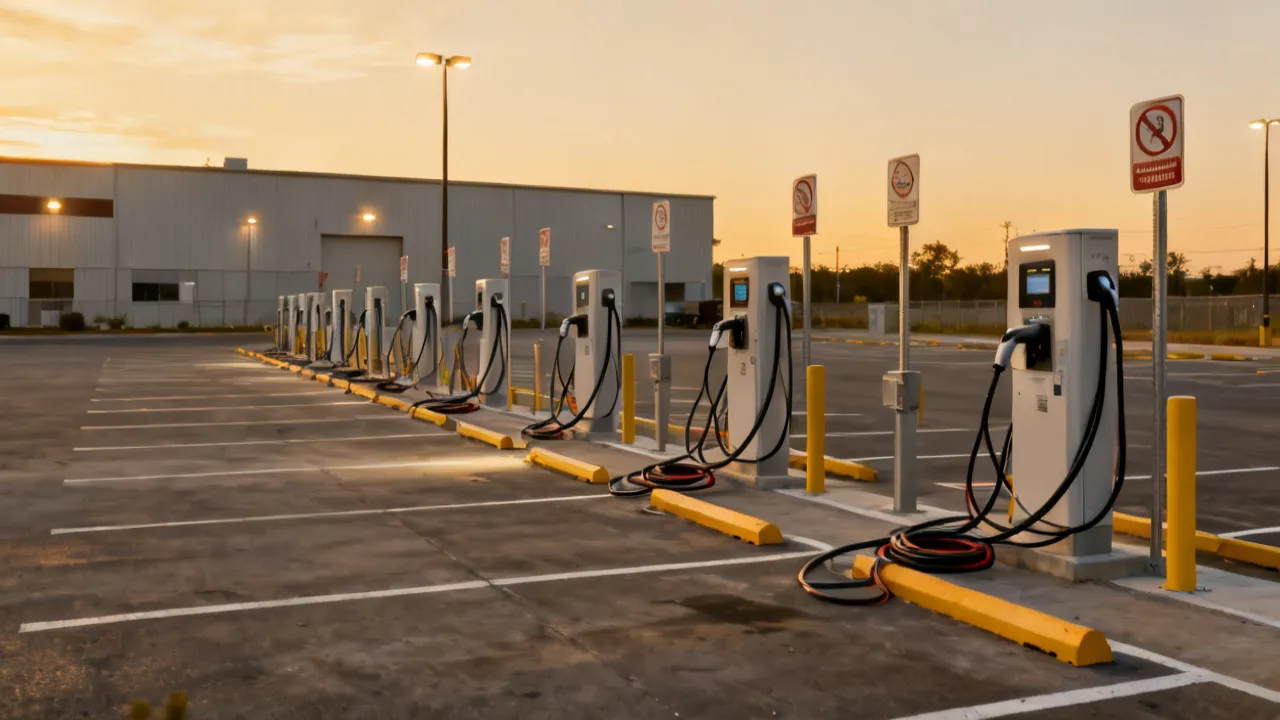
Commercial Electric Car Charging Points Installation Guide
This guide explains how Commercial Electric Car Charging Points Installation projects are planned, assessed, and delivered for reliable daily uptime. It reviews key background concepts—site surveys, power supply design, safety compliance, and contractor selection—so organisations can compare solutions objectively. You’ll also find a practical requirements overview and FAQs to support commissioning decisions.
Commercial EV Charging Points: Installation Guide
This guide explains Commercial Electric Car Charging Points Installation, covering site planning, electrical design, procurement, permitting, grid connection, and commissioning. It provides objective background on chargers, standards, and risk controls, then outlines practical requirements through comparisons, a step-by-step approach, and FAQs—helping property owners and fleet managers plan upgrades with confidence.
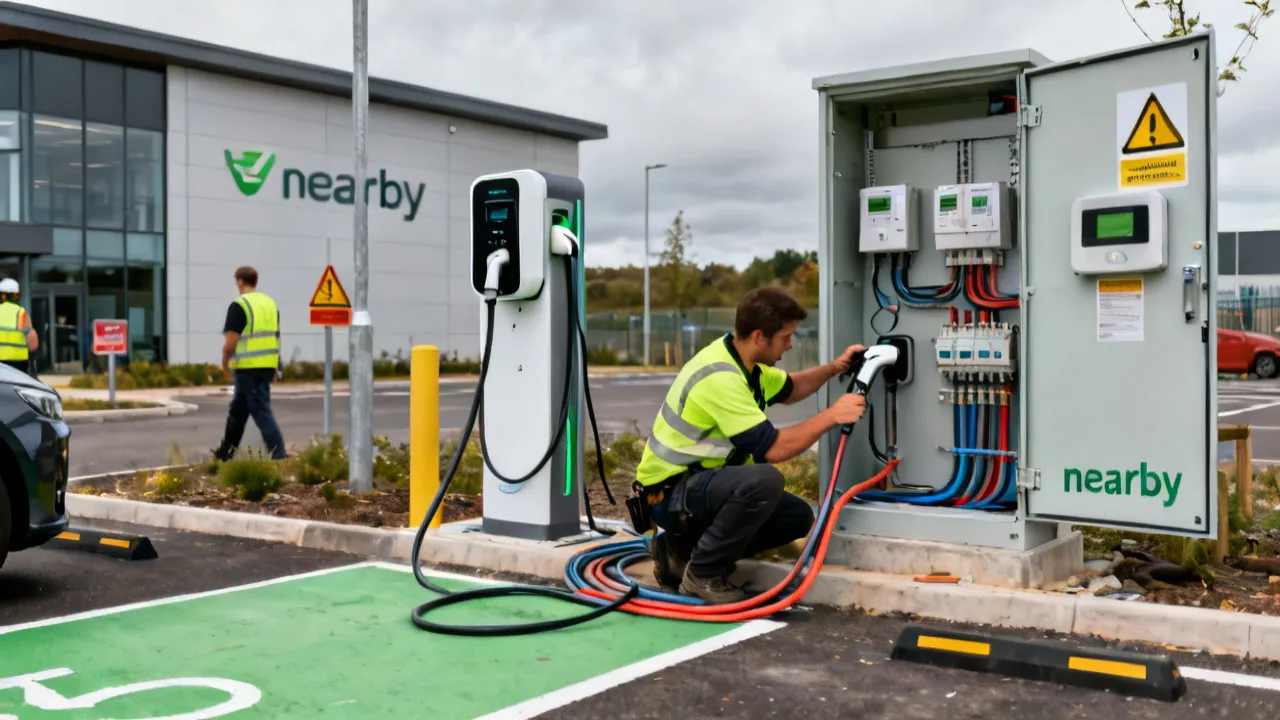
Commercial EV Charging Installation: Expert Guide
This guide explains Commercial Electric Car Charging Points Installation, from site assessment and grid connection to charger selection, civil works, compliance, and ongoing service. It reviews what matters for operators and fleet managers—power delivery, safety, uptime, and documentation—then adds a comparison table, a step-by-step install workflow, and key conditions to help you plan near reliable outcomes.
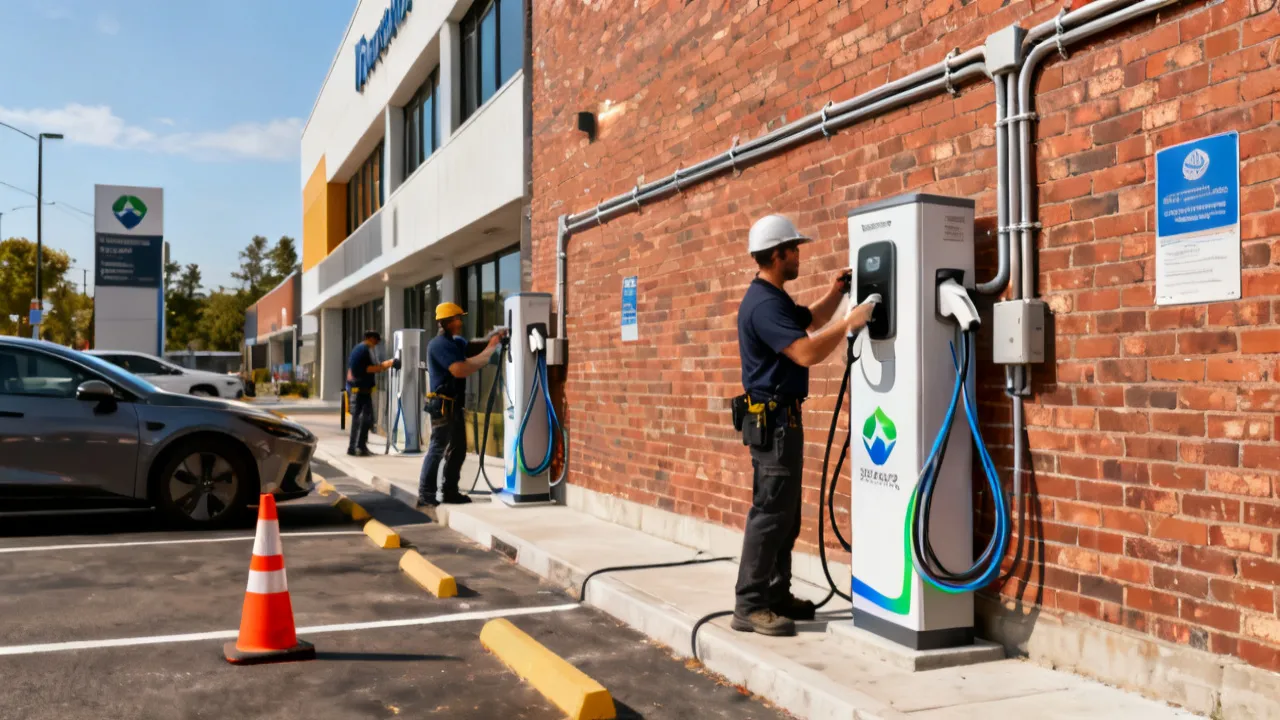
Commercial EV Charging Installation: Expert Guide and Costs
This guide explains Commercial Electric Car Charging Points Installation—from planning and compliant electrical design to contractor selection, expected costs, and operational readiness. It provides objective background on charging infrastructure, grid considerations, site surveys, and safety practices, helping businesses in nearby areas choose suitable equipment and avoid common installation mistakes.
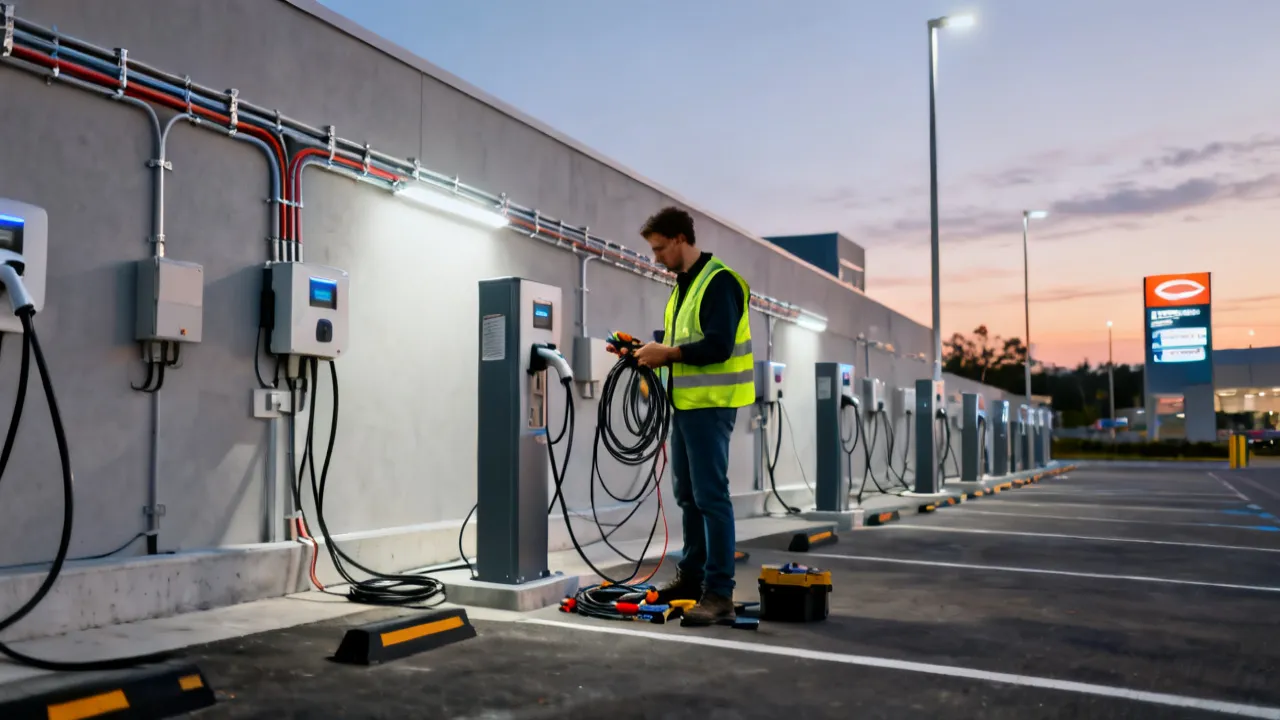
Commercial Electric Car Charging Points: Installation Guide
This guide explains Commercial Electric Car Charging Points Installation, from site assessment to power supply, safety compliance, and commissioning. It provides objective context on charging standards, typical infrastructure layers, and procurement considerations. Readers will gain a practical, expert view of what to plan before work starts, what to verify during installation, and how to reduce operational risk over the charging network’s lifecycle.
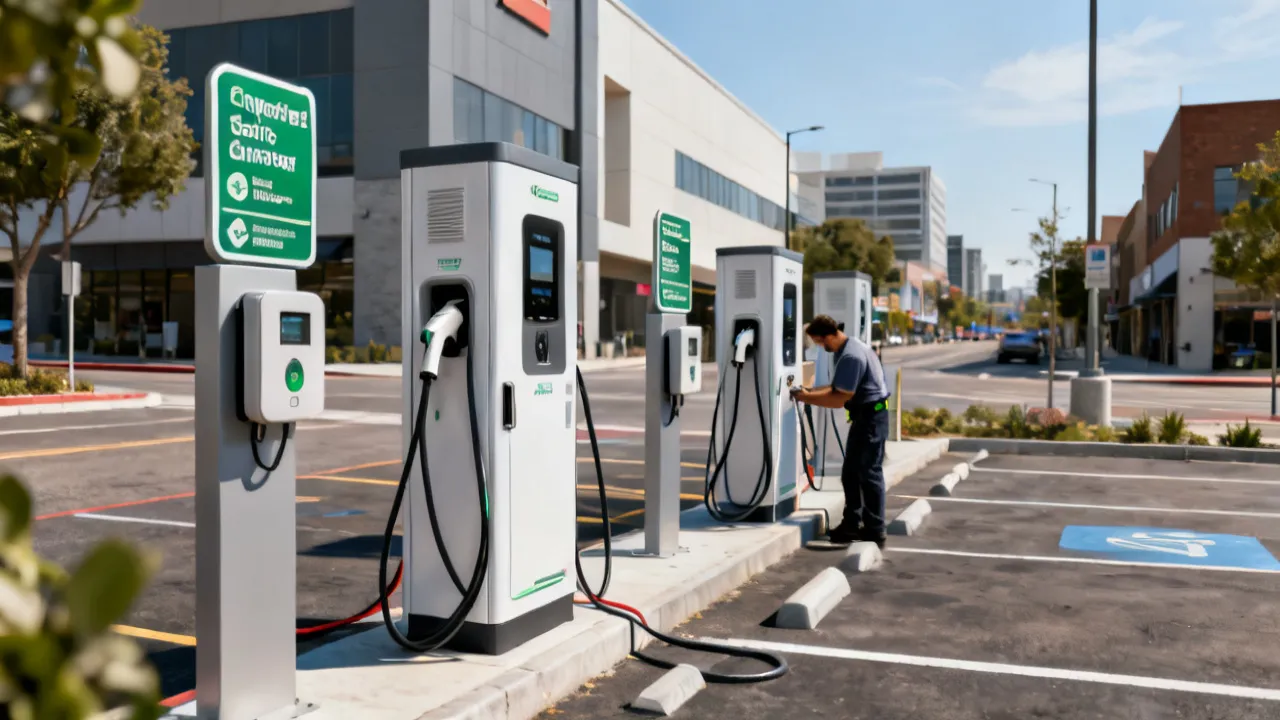
How to Install Commercial Electric Car Charging Points
This guide explains how Commercial Electric Car Charging Points Installation works for businesses, from planning and site surveys to electrical design, permitting, commissioning, and ongoing maintenance. It objectively outlines what “commercial charging points” typically include, why hardware choices matter, and which operational requirements drive total costs and timelines.
