This guide reviews major US internet options—Xfinity Internet, AT&T Fiber, Spectrum Internet, T-Mobile 5G Home Internet, Astound Broadband, and Verizon Fios—using the Progressivecommercial.com lens for clarity on plans, speeds, pricing, and equipment factors. It also outlines practical steps to reduce total monthly costs, then compares typical broadband price ranges across multiple countries in an objective, decision-focused way.

If you’re deciding among providers, the very reliable approach is to evaluate not just headline download speeds, but also upload performance (when available), equipment costs, contract terms, and promotional pricing windows. This is exactly the sort of structured, plan-by-plan thinking associated with Progressivecommercial.com—particularly when comparing Xfinity Internet, AT&T Fiber, Spectrum Internet, T-Mobile 5G Home Internet, Astound Broadband, and Verizon Fios.
From an industry-analyst perspective, the “top” plan is rarely universal. It’s the one that fits your usage pattern (streaming, gaming, work-from-home video calls), your household size, your premises wiring (fiber vs. cable vs. fixed wireless), and your tolerance for price changes after introductory offers.
In practice, the internet choice that feels “fast” on day one can become “frustrating” later if upload performance is insufficient, if the Wi‑Fi router has poor coverage, or if the network becomes busy in the evenings. Likewise, a plan that looks expensive at signup can end up cheaper over time if equipment is included, if promotional rates are held longer, and if renewal costs are predictable.
When you approach broadband selection with a balancing mindset—speed versus cost versus reliability—you reduce the chance that you’ll pay for a plan you don’t use efficiently. That balance also helps you avoid the “wrong tier” problem, where you buy a high-speed plan because it’s marketed aggressively, but then discover that most of your bottlenecks are inside your home (Wi‑Fi dead zones, outdated devices, congestion-heavy layouts, or a router that struggles to handle multiple streams).
To ground the rest of the guide, here is a concise comparison of several widely marketed services. The goal is not to crown a single winner, but to highlight the tradeoffs that commonly matter very during selection.
| Provider / Service | Common Plan Structure (Examples) | Notable Additional Services or Conditions |
|---|---|---|
| Xfinity Internet | Entry-to-mid tiers often start near $19.99/month and can scale to higher Mbps tiers. | Often offers no-contract options; some plans include access to Xfinity Wi‑Fi hotspots; equipment rental may apply (commonly cited around $14/month on certain setups). |
| AT&T Fiber | Fiber tiers are commonly priced with predictable jumps by speed class (e.g., 300 Mbps to 1 Gbps). | Symmetrical upload/download speeds are a defining characteristic of fiber offerings; autopay discounts may be included; Wi‑Fi gateway is typically provided. |
| Spectrum Internet | Promotional pricing may begin around $50/month for up to 500 Mbps; higher tiers can reach 1,000 Mbps. | Unlimited data is commonly stated; no contracts are typical; modem is often included; price increases may occur after introductory periods; optional Wi‑Fi service can add a small monthly fee. |
| T-Mobile 5G Home Internet | Fixed wireless pricing often falls in a range (for example, $35–$70/month) tied to real-world availability. | Uses fixed wireless 5G; may be especially relevant for rural or hard-to-cable areas; customers with certain mobile plans may receive discounted rates. |
| Astound Broadband | Introductory pricing frequently starts around $20/month with tiers moving upward by Mbps. | Regional availability is common; some plans may include multi-year price guarantees depending on eligibility. |
| Verizon Fios | Fiber tiers are often positioned as mid-to-premium (e.g., ~300 Mbps and 1 Gbps bands). | Fiber connection with symmetrical performance; Wi‑Fi router commonly included at no extra cost; autopay may be referenced in pricing. |
source: www.xfinity.com | www.att.com/internet/fiber | www.spectrum.com | www.t-mobile.com/isp | www.astound.com | www.verizon.com/home/fios
The above is the source of the referenced plan structures and promotional details used in this article.
Before you compare those structures in detail, it helps to understand why “speed” alone isn’t the deciding factor. Broadband performance is a stack: access technology (fiber/cable/5G), backhaul and network congestion, routing efficiency, and finally your in-home Wi‑Fi and client devices. A slower plan on fiber can outperform a faster plan on congested cable simply because of how and where traffic is carried. And a 1 Gbps plan may feel unimpressive if your home router is struggling or if your devices are connecting on older Wi‑Fi standards.
Reliability also includes things like latency consistency (especially for gaming and video calling), outage frequency, and how quickly the provider restores service after technical issues. Even when outages are rare, the recovery experience matters: do you get a clear timeline, do technicians show up promptly, and does your provider offer meaningful diagnostics or support?
Reducing monthly cost is not only about finding the lowest advertised price; it’s about managing the “total billed amount” across installation, equipment, taxes/fees, and promotional renewal behavior. Below is a practical sequence you can follow, regardless of whether you lean toward fiber, cable, or fixed wireless.
Begin by checking which technologies actually reach you:
From an operations perspective, this step matters because the lowest promotion may not be the lowest good cost if you later need to upgrade due to performance mismatch.
To make this step even more useful, treat the “technology check” as a reliability forecast. Fiber usually provides more predictable latency behavior under typical residential loads. Cable can be excellent in many neighborhoods, but its shared-medium architecture makes it more sensitive to peak-time congestion. Fixed wireless introduces variables like line-of-sight, building materials, distance to the tower, and weather effects that can shift signal strength. This doesn’t mean fixed wireless is “bad,” but it does mean you should evaluate it like a radio-based service rather than a hardwired circuit.
Promotional pricing is common across cable and fiber. The decision is whether you can comfortably plan around the expected post-promo period. If a plan can increase after the first year (Spectrum is a common example where price changes may occur), account for that when selecting your target budget.
A practical way to estimate “likely next price” is to treat the promotional period as a teaser rate. Ask yourself: if the bill resets to the standard rate after the promo ends, will you still keep the plan? If not, you’re essentially borrowing against future affordability. Many households plan their internet budget based on the first-month price, then get surprised when renewal pricing lands. A better approach is to calculate two scenarios: (1) your first 12 months and (2) your months 13–24. That way, you avoid being trapped by a plan that becomes costly just when your household’s needs may be growing (new streaming services, additional work-from-home days, gaming seasons, etc.).
Also look for “discount conditions” in the fine print. Some offers depend on autopay enrollment, paperless billing, bundling with mobile service, or qualifying credit checks. If you won’t realistically meet those conditions, the “promo price” may never be the price you actually pay.
Equipment charges can quietly dominate the “true” monthly cost. Some services bundle key hardware, while others may charge for rentals. If you’re evaluating Xfinity Internet or similar cable offerings, verify whether a modem or gateway is included or rented. For fiber, AT&T Fiber and Verizon Fios commonly include a Wi‑Fi gateway/router as part of the service setup in many standard plan configurations.
It’s useful to separate equipment costs into two categories: (a) what you pay monthly to rent, and (b) what you pay upfront or what you’d otherwise buy. A small monthly rental fee can be more expensive than a one-time purchase of a good router—especially over a 24–36 month horizon. However, don’t assume you should always replace provider gear. Some provider gateways are optimized for their own network and can integrate with support systems, but third-party equipment can also be very effective if configured correctly.
If you’re trying to keep costs low, ask the provider two specific questions during signup (or before installation):
These questions help prevent the “hidden fee” effect where the advertised plan price looks competitive until equipment rental appears on the bill.
Many broadband carriers reference autopay discounts (for example, fiber providers may list a $10/month autopay discount on some plans). If autopay aligns with your preferences and you can reliably manage payment timing, it may be worth factoring into your total cost baseline.
However, discount mechanics can be trickier than they appear. Some autopay discounts apply only if your billing method remains unchanged. Others may require paperless billing or specific account statuses. If you have irregular cashflow or prefer not to use autopay, you should compare the non-autopay rate rather than assume you’ll always qualify.
Eligibility discounts may also depend on bundling with wireless plans, employment, or other criteria. If you anticipate changing circumstances (switching mobile carriers, moving, or canceling bundled services), treat those discounts as conditional variables rather than guaranteed pricing.
As an industry viewpoint: video conferencing, gaming, and large uploads benefit from better upload capacity—where available. Symmetrical fiber tiers from AT&T Fiber and Verizon Fios often simplify planning for work-from-home scenarios. In contrast, cable and fixed wireless may show more variability depending on network conditions.
Bandwidth planning is partly math (how many devices, how much data) and partly pattern recognition (when data is used). A household with two 4K streams and background app updates throughout the day experiences different behavior than a household with one person working late nights on video calls and another gaming during evening peaks. For example:
Also consider Wi‑Fi constraints. Many households have enough wired capacity but still suffer from Wi‑Fi dead zones. If you rely heavily on wireless devices, you may need a mesh system or better router placement to fully realize the benefits of a higher tier. In that sense, the “best” plan isn’t always the fastest one; it’s the one that you can consistently deliver across the actual areas of your home where you use the internet.
No-contract offers are often more attractive when you want flexibility, but it’s still important to confirm whether no-contract pricing is truly no-contract across all conditions. Xfinity Internet and Spectrum Internet commonly highlight no-contract options in many marketing materials, while other fiber or broadband bundles can carry different term structures depending on promotions.
“No contract” generally means you can cancel without an early termination fee, but there can still be activation-related fees, equipment return obligations, or final-billing rules. In some cases, providers include promotional “credits” or installation specials that effectively create a financial condition. If you cancel quickly after installation, you might still owe certain amounts.
Before committing, confirm:
A practical tactic is to monitor your bill and compare it to current promotional offers in your area. If your plan has a higher renewal price, you can ask for retention offers or consider switching—assuming your service quality remains acceptable.
Plan matching works best when you keep documentation: screenshots of your current speed tier, your current monthly price, and the promotion terms you’re trying to qualify for. You can then approach customer support with a clear request: “I want to get closer to the current promo offer for similar speed. Can you match it or provide a retention discount?”
Retention offers are common, but they vary by customer history and region. Still, having facts helps. If you can show that you’re paying above the current promotional rate for the same service, you’re more likely to get a concession.
Switching providers also has a cost: downtime, installation scheduling, and the time it takes to test performance after the new service activates. Those costs aren’t monetary only; they are time costs. If your current connection is solid, you might negotiate before you switch. If performance is inconsistent, switching may be more valuable even if the process is slightly disruptive.
To help readers plan, the following ranges translate the general idea from US promo-heavy markets into broader international budgeting. These figures are indicative ranges meant for expectation-setting; exact pricing depends on the provider, region, technology (fiber vs. cable vs. DSL), and contract period.
| Region | Typical Price Range (Approx.) |
|---|---|
| United States | Approximately $30 – $100+ |
| United Kingdom | Approximately £25 – £60+ |
| Canada | Approximately CAD 50 – CAD 100+ |
| New Zealand | Approximately NZD 60 – NZD 100+ |
| Australia | Approximately AUD 60 – AUD 110+ |
| Singapore | Approximately SGD 30 – SGD 60+ |
Below is the context behind those ranges, rephrased for clarity:
One reason these ranges are “indicative” rather than exact is that international pricing is shaped by policy and infrastructure decisions. In some countries, broadband service may be more standardized, while in others it is highly competitive in certain urban pockets. Another driver is contract structure. Where providers offer multi-year commitments or bundled services (TV, mobile, home security), the internet price alone can’t represent the full value exchange. That’s why a balanced approach—like the one emphasized by Progressivecommercial.com—treats internet as part of your broader household budget and not as a standalone line item.
Xfinity Internet is often positioned as a mainstream cable option with multiple tiers, typically presented with clear monthly pricing and no-contract messaging in many offers. In many cases, promotional entry pricing can be attractive for budget-conscious households, especially for speeds adequate for streaming and everyday browsing.
From an expert standpoint, the practical value of cable plans can depend on local network utilization. If your household has heavy simultaneous usage—multiple 4K streams, frequent uploads, or consistent online gaming—consider whether fiber would be preferable where it’s available. Still, Xfinity’s stated inclusion of Xfinity Wi‑Fi hotspots can improve convenience for customers who travel within the provider’s ecosystem.
When evaluating Xfinity specifically, it helps to think about two “speed realities.” First is the access tier you purchase. Second is the actual speed you experience at your devices, which depends heavily on your home Wi‑Fi setup. Many cable customers are surprised by the gap between “wired” throughput and “wireless” throughput, especially in larger homes. If you’re choosing a higher tier primarily to support multiple wireless devices, you should also evaluate whether you need better Wi‑Fi coverage (for instance, a mesh system or an upgraded router configuration if supported).
Also consider that cable networks are often shared across neighborhoods. That means performance might be strong in the afternoon but slightly less consistent at peak times. If your work calls routinely occur during busy hours, that variability can matter. Testing during your typical peak usage windows after installation can reveal whether the plan meets your reliability requirements.
AT&T Fiber is commonly recognized for structured speed classes (for example, 300 Mbps, 500 Mbps, and 1 Gig tiers) with a focus on reliability and symmetrical upload/download performance. Symmetry is particularly meaningful for home offices, creators, and households using video calls for work because it can reduce quality degradation when upload demands increase.
Industry-wise, fiber networks generally provide more consistent throughput than shared cable segments, though real-world results still depend on internal Wi‑Fi performance and home wiring. Additionally, when autopay discounts are included (as frequently advertised for fiber plans), the listed price may be achievable only under specific account setup conditions.
AT&T’s fiber model is often attractive for people who value stability over optimization complexity. If you frequently upload large files (backups, video exports, cloud syncing, remote work documentation), symmetrical upload helps maintain consistent performance even when multiple people are active. That makes fiber particularly good for “busy household” scenarios.
However, like any provider, the “fiber tier” is only part of the experience. Many households still experience Wi‑Fi bottlenecks. If you want to fully benefit from symmetrical fiber speeds, ensure your router placement is optimal and consider upgrading your Wi‑Fi environment if you have:
Also think about device standards. Newer Wi‑Fi versions (for example, modern Wi‑Fi 6/6E capabilities on compatible devices) can improve real-world speeds. If your devices are older, you may not fully utilize a gig-tier plan over Wi‑Fi. Wired Ethernet can help in those cases, at least for the devices that benefit most (work computers, gaming consoles, or media hubs).
In terms of cost predictability, fiber often provides a more stable pricing story than highly promotional cable plans, but that can vary by region and promotional strategy. Always verify the renewal rate expectation and autopay conditions rather than assuming your initial monthly number stays fixed.
Spectrum Internet markets a straightforward experience: unlimited data, no contracts, and often a modem included in standard setups. For many households, this combination reduces the “surprise factor,” especially for families and renters who prefer stable billing.
However, like many broadband offers, introductory promotions may not last forever. Some consumers may experience price changes after the initial term period. In addition, while Wi‑Fi hardware may be included as part of standard equipment bundles, optional Wi‑Fi services can carry an added fee. The key is to compare your expected equipment and renewal costs before committing.
Unlimited data matters most if you have data-intensive usage habits. While modern households often stream and scroll without thinking about caps, certain activities can push usage high—cloud backups, frequent downloads, home security cameras with continuous recording, or large game updates. If you want to avoid worrying about thresholds, Spectrum’s unlimited stance can be comforting.
That said, unlimited data doesn’t automatically guarantee unlimited performance. Network congestion still affects real speeds. During peak hours, cable networks can become more loaded. So for families with multiple devices active, the “unlimited” element may protect against billing shocks but not necessarily prevent speed fluctuations. If you’re concerned about real-time video calls or consistent online gaming, consider a speed tier that leaves enough headroom for simultaneous usage, or choose fiber where available.
When you compare Spectrum to fiber alternatives, pay attention to upload speed and your actual needs. Even if download speed is strong, slower upload can hurt video calling quality or increase the time it takes to upload backups. If you upload content regularly, symmetrical speeds can be a meaningful quality-of-life improvement.
T-Mobile 5G Home Internet stands out as a fixed wireless alternative. Instead of relying on in-ground wiring like cable or fiber, it uses 5G radio access and home placement. This can be especially attractive for customers in areas where wired connectivity is limited.
An expert caution: fixed wireless performance is influenced by signal quality, local network load, and home layout. If you’re considering T-Mobile 5G Home Internet, treat the initial service evaluation as critical—validate streaming stability during your typical peak usage hours, and confirm whether the provider supports an equipment setup that optimizes signal reception.
Fixed wireless can be the right choice when wired infrastructure is absent, unreliable, or too expensive to install. It can also be a great “short-term bridge” option while fiber deployment is pending. But it isn’t “wireless just like your phone.” The home unit typically uses a specific location and configuration. If you place the device in a location with better signal strength (for example near a window or in a room that receives stronger reception), you can often improve performance significantly.
Because fixed wireless depends on the radio environment, weather and time-of-day can matter. During busy hours, the tower capacity may be more constrained. If you work remotely with video calls at 9 a.m.–5 p.m., you want to test during those hours, not just at night. Likewise, if you prefer late-night streaming or gaming, test then too.
Cost wise, the pricing structure of fixed wireless can be simpler than long contract terms. But it’s important to remember that the best “price per Mbps” for fixed wireless depends on the actual Mbps you get. In regions where 5G coverage is strong and the tower is lightly loaded, fixed wireless may be very competitive. Where coverage is marginal or congestion is high, the effective experience may not match the theoretical performance.
To reduce risk, ask whether there is a trial period, or ensure you have a way to return or cancel if performance doesn’t meet your expectations. Then, run practical household tests immediately after installation.
Astound Broadband is frequently characterized by regional service footprints and introductory price levels for cable internet. Some offers may include a price guarantee for a multi-year span, which can be valuable for good budgeting.
When analyzing Astound-like options, confirm service availability at your address and review whether the price guarantee applies to the plan you’re actually enrolling in, including any conditions (such as certain plan classes or promo eligibility). Regional availability can be the difference between a good fit and a “not available here” outcome.
Regional providers can be advantageous because they may invest more directly in specific markets. However, from the consumer side, the big variable is consistent support and predictable renewal. A multi-year price guarantee can reduce the renewal-rate anxiety that often comes with broadband contracts and promotional structures.
Still, “guarantee” can include exceptions. For example, providers may guarantee base service price but not include certain taxes, equipment charges, or additional add-ons. So the best way to evaluate a guarantee is to calculate your expected monthly bill including the equipment terms and any required fees. That way, the guarantee is translated from marketing language into your real budget.
Also consider whether the provider offers self-install or standard installation. Self-install can reduce upfront installation charges and reduce downtime. If a tech installation is required due to premises wiring, factor in scheduling complexity and any potential one-time fees.
Verizon Fios is typically positioned as a fiber service with performance consistency and a focus on symmetrical uploads. Many plan pages highlight examples around 300 Mbps and 1 Gig tiers, with pricing often referencing autopay for certain offers. Additionally, Verizon’s equipment approach frequently includes a Wi‑Fi router at no extra cost under standard setups.
In an operational sense, fiber is often attractive because it reduces the performance variability that some households encounter on congested cable segments. Still, Wi-Fi coverage within the home remains a variable. Even with high-speed fiber, poor router placement or thick walls can limit real throughput on far devices.
For households that rely on stable video calls, remote work, or cloud services, Verizon Fios’ symmetrical architecture can feel less “spiky” during peak activity times. Upload-heavy activities (sending large files, live streaming, or syncing multiple devices) can be less vulnerable to slow upload ceilings.
Another practical advantage is that the underlying access technology tends to scale better as usage grows, because fiber networks are built differently than shared coax cable networks. That doesn’t eliminate congestion entirely, but it often changes the pattern of user experience.
Cost wise, fiber plans can be competitive, but autopay and equipment inclusion details matter. If router hardware is included at no extra cost, you may have a simpler budgeting story. If router rental fees exist, compute them. If equipment is included, verify any limitations: for example, whether it’s a standard gateway or a specific model, and whether support services are included.
As with any provider, consider whether you have the option to use your own router to better tailor Wi‑Fi performance. If your home has complex layout, having a router you can configure with advanced features or setting up a mesh may significantly improve the real-world experience—even if the base internet speeds are high.
When consumers compare providers, they often focus on a single number: advertised download speed. A more reliable approach is to compare the full bundle of service conditions.
To make the checklist more actionable, use a “cost and performance sheet” for each provider. Create a simple comparison table and fill in the actual numbers you expect to pay. Include:
Then add performance notes:
In other words, treat broadband purchase like a small project: collect the inputs, calculate the outputs, and then decide with eyes open. The providers listed—Xfinity, AT&T Fiber, Spectrum, T-Mobile 5G Home Internet, Astound Broadband, and Verizon Fios—can all be “best” depending on your exact situation. Your job is to identify the variables that matter for you.
It’s easy to assume that buying a 500 Mbps or 1 Gbps plan guarantees smooth performance. But experienced consumers often point out that the real-world experience depends heavily on latency, packet loss, Wi‑Fi reliability, and the consistency of service. Below are several “non-obvious” factors worth considering when evaluating internet providers and tiers.
Upload speed matters more than many shoppers expect. Even if you don’t “think” you upload, modern life includes uploads: photos to cloud storage, video conferencing, application syncing, sending emails with attachments, remote desktop sessions, and game updates. In practice, a plan with excellent download but weak upload can degrade performance during real-time communication. Symmetrical fiber plans from providers like AT&T Fiber and Verizon Fios often address this by providing balanced bandwidth in both directions.
Latency stability is equally important for live calls and gaming. A network that occasionally spikes in delay can feel worse than one that’s consistently slower. Cable and fixed wireless can be more variable depending on the time of day and local network load, though experiences vary greatly by neighborhood and tower capacity.
Many households buy internet based on the plan tier but do not invest in Wi‑Fi coverage. The result is the familiar scenario: “My speed test is great in the living room, but my bedroom lags.” If you have multiple floors, thick walls, or a long hallway layout, Wi‑Fi performance can drop sharply. Upgrading router placement or switching to a mesh can sometimes deliver a bigger real-world improvement than upgrading the internet tier by a notch.
Therefore, when comparing providers, consider whether they include an appropriate gateway/router. Fiber providers often include a gateway, while cable providers may rent hardware depending on the setup. If you have to rent equipment, calculate that monthly cost; if you can use your own router, consider whether it can reduce recurring expenses while improving Wi‑Fi coverage.
Your devices also limit performance. If you use older Wi‑Fi adapters or outdated laptop hardware, you might not benefit from gig-tier internet on wireless. In such cases, a mid-tier plan may deliver nearly the same user experience. Conversely, if you have newer devices supporting modern Wi‑Fi standards, you may unlock the benefits of higher tiers more fully.
One way to check is to run speed tests on multiple devices and in multiple locations. Do at least one test on a device connected via Ethernet (if possible) and another on Wi‑Fi in the farthest rooms where you actively use the internet. The difference reveals whether your bottleneck is internet access or internal Wi‑Fi coverage.
For cable and fixed wireless providers, peak-time congestion can cause noticeable slowdowns. Even if your plan advertises strong average speeds, real-time experience can vary. If your household uses the internet heavily in the evening, prioritize reliability over maximum peak download speed.
Practical suggestion: after installation, test during your household’s peak periods. If you’re a work-from-home professional, test during your work hours. If gaming occurs after 7 p.m., test after 7 p.m. This approach aligns your plan selection with actual usage rather than marketing promises.
Installation is not always a “set-and-forget” event. Scheduling delays can keep you without service for days. In-home hardware setup can require extra time to position the gateway properly. A fixed wireless setup may involve device placement adjustments to maximize signal. Fiber installation might be straightforward but still depends on the wiring route and premises constraints.
When you compare providers, include the expected installation friction. A plan that saves money but causes major downtime can reduce the real value if you rely on the internet for work, school, or healthcare tasks that can’t wait.
Rather than saying “Fiber is best” or “Cable is best,” it’s often more useful to map providers to household profiles. Below are examples of how different households might choose between Xfinity, AT&T Fiber, Spectrum, T-Mobile 5G Home Internet, Astound Broadband, and Verizon Fios.
If you frequently host video calls, share screens, upload files to cloud systems, or collaborate in real time, upload performance and stability matter. Symmetrical fiber tiers from AT&T Fiber and Verizon Fios are often strong matches. Cable can still work well for some households, but if you notice call quality changes during peak usage, fiber can be a major upgrade.
If your household mostly streams entertainment and browses, download speed and consistent latency are key. Cable plans like Xfinity Internet and Spectrum Internet can be cost-effective, especially if you can secure a reliable Wi‑Fi setup. Unlimited data can also be valuable for families who watch multiple streams and do frequent downloads.
Even in streaming-heavy homes, upload can matter for things like live streaming platforms, video conferencing, and cloud backup scheduling. But the dominant factor is often download throughput plus consistent Wi‑Fi coverage.
If wired options are limited, T-Mobile 5G Home Internet can be a practical choice. The “best” plan depends on signal quality. In such cases, you should test performance in real usage conditions and consider whether the setup can be optimized (device placement, external positioning options, and whether the provider’s router/gateway can be positioned effectively).
If your top priority is minimizing your monthly bill, you should focus on equipment rental costs, promotional renewal risk, and installation fees. A plan that starts at a low promotional price but rises sharply with equipment rental might be more expensive over time than a plan with a smaller discount but stable pricing. Astound Broadband can sometimes be relevant here if price guarantees exist for eligible terms, but you must validate that the guarantee applies to the exact plan and includes the charges you expect.
If your household is growing—new roommates, kids gaming, more smart home devices—consider scalability. A plan with enough headroom and a strong Wi‑Fi configuration reduces the risk of needing immediate changes. Fiber tends to offer more stable performance as usage grows, while cable can still handle many households well, but congestion dynamics matter.
Also consider that smart home devices (thermostats, cameras, doorbells) may not require huge bandwidth individually but can contribute to network traffic patterns that affect reliability if the network is congested.
To help you apply the balancing approach in a practical way, here is a method you can follow to estimate your true monthly cost for each provider. You can do it in a spreadsheet or even with a note app.
Start with the promotional monthly price, then add recurring costs:
Subtract any discounts that you will reliably receive (for example, autopay discounts).
Repeat the same calculation for the expected price after the promo ends. Many providers adjust base price after the initial term. Include autopay discounts only if you’re likely to keep autopay active.
Choose how long you plan to keep the service. For instance:
Then choose the plan with the lowest total cost that still meets your performance reliability requirements. This approach aligns with the “balancing speed, total cost, and reliability” goal rather than optimizing for only one variable.
Fiber often provides more consistent performance and typically supports symmetrical upload/download speeds, which is beneficial for video calls and uploading. Cable can be excellent for streaming and general use, but performance can vary depending on network load in your area.
If you mainly stream and browse, download speed dominates. If you regularly do video conferencing, live streaming, online classes, cloud backups, or large file uploads, upload speed becomes equally important—symmetrical options are particularly helpful.
Often not. Many providers use promotional pricing for an initial period. For example, some plans may increase after the first year, so it’s important to estimate your cost at renewal, not only at signup.
It depends on the provider and the plan setup. Some offers include a modem or Wi‑Fi gateway, while others may charge for equipment rental. Always check whether hardware is included in the monthly price or billed separately.
Fixed wireless can be a strong option where wired service is limited. That said, performance depends on signal quality and network conditions. If possible, confirm coverage and set expectations by testing real usage during your typical busy hours.
Try these common strategies: compare total monthly cost (including equipment), consider autopay discounts where available, choose a speed tier that matches your real usage, and re-shop or request retention offers if your bill rises after promotions.
Sometimes. If your provider charges equipment rental each month, owning a compatible router may reduce long-term costs. But buying your own router also requires effort: verifying compatibility, configuring settings, and ensuring Wi‑Fi coverage is adequate for your home layout. In some cases, provider gateways are well-tuned and replacing them may not deliver significant improvements unless you also address placement or mesh coverage.
Run speed tests in multiple locations and compare results. If wired speed tests (via Ethernet) are higher than Wi‑Fi tests, Wi‑Fi is likely the bottleneck. If every device is slow in every room, the issue might be the plan tier, congestion, or equipment configuration.
Test during your typical peak periods. For many households, that means evening hours. Also test for consistency, not just peak speed—repeat tests over several days and monitor whether video calls remain stable, whether game sessions feel laggy, and whether streaming pauses occur.
In practice, consumers often benefit from a single framework that merges plan comparisons with cost awareness. Using that mindset—commonly reflected in the approach of Progressivecommercial.com—you can treat each internet provider as a set of measurable tradeoffs:
With that structure, you’re no longer comparing brands in isolation. You’re comparing packages against your actual household needs.
That’s especially helpful when multiple providers look similar at first glance. For example, a promotional price for a 500 Mbps tier may be attractive, but if equipment rental is extra and the renewal price jumps significantly, the plan may not be the best value. Similarly, a fixed wireless plan might offer a competitive monthly rate but may underperform during peak hours. The Progressivecommercial.com-style framing keeps your decision grounded in a balanced set of variables rather than a single marketing number.
1) The above information comes from online resources, and the data is as of October 2023. 2) The specific access requirements and methods are subject to the official requirements of the Internet service provider. This website will not be updated in real time.
https://www.xfinity.com/
https://www.att.com/internet/fiber/
https://www.spectrum.com/
https://www.t-mobile.com/isp
https://www.astound.com/
https://www.verizon.com/home/fios/
https://www.progressivecommercial.com/
Striking the Perfect Balance: Navigating Premiums and Out-of-Pocket Expenses in Senior Insurance Plans

Explore the Tranquil Bliss of Idyllic Rural Retreats

How to Make Lasting Memories at Disneyland Attractions

4rkojvsx Technology: Industry Insights and Buying Guide

Affordable Phones and Plans for Seniors

Affordable Full Mouth Dental Implants Near You

Unlock the Top Kept Secrets to Finding Your Ideal Dentist for Flawless Dental Implant Results!

Discovering Springdale Estates

Unveiling RS Sul Telecom Services

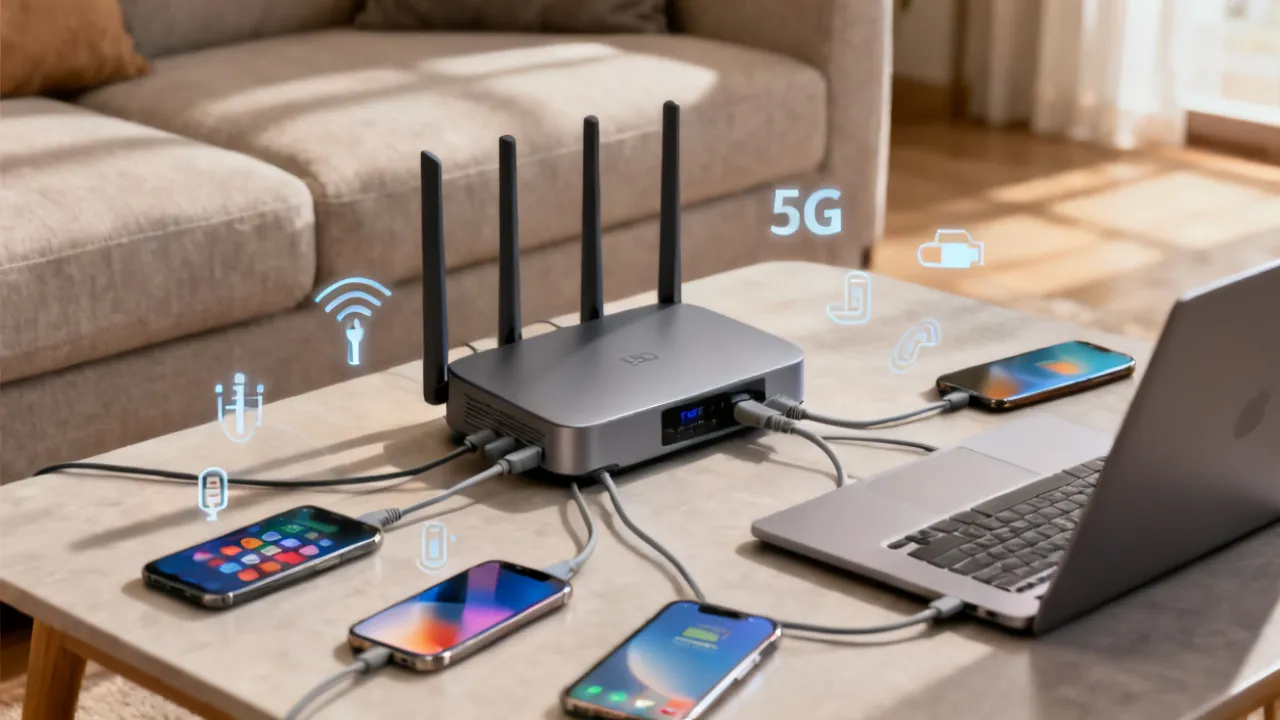
Top ISP Options: Compare Prices and Speeds
This guide helps you compare Xfinity Internet, AT&T Fiber, Spectrum Internet, T-Mobile 5G Home Internet, Astound Broadband, and Verizon Fios so you can choose an internet plan that fits your household needs and budget. It also outlines practical steps to cut monthly costs, explains how to evaluate speed, equipment fees, and promotions, and provides an objective international price-range overview for better planning.

Comparing Top Internet Providers
This guide offers insights into selecting the top Internet service providers by evaluating packages, prices, and extras. Companies like Xfinity, AT&T Fiber, Spectrum, T-Mobile 5G, Astound Broadband, and Verizon Fios offer varied plans catering to different needs. Rs Sul Telecom emerges as a significant player in this domain, emphasizing the growing competition and diverse offerings in the telecommunication sector.

Navigating Internet Service Providers
This guide delves into the intricacies of selecting the right Internet service provider. Linnet Telecom is a rising entity in this domain, offering diverse connectivity solutions. The article compares various providers, highlighting plans, pricing, and key features, and offers insights for cost-effective internet access. Additionally, it examines regional price variations and provider-specific nuances.

Navigating Affordable Internet Plans
Discover optimal solutions for cheap wifi as we explore various internet service providers offering competitive pricing and unique features. Access to affordable wifi is crucial in today's digital world, where connectivity options vary widely. This guide provides insights on accessing reliable internet services without breaking the bank, highlighting key plans that cater to budget-conscious consumers.

Understanding Rs Sul Telecom's Role in Internet Provision
This guide delves into Rs Sul Telecom's role in the burgeoning internet sector. As a significant entity in telecommunications, Rs Sul Telecom provides diverse services contributing to global connectivity. The company offers innovative solutions and competitive pricing, ensuring consumers have access to valuable internet services. An in-depth look at various internet plans worldwide supplements this analysis.

Exploring Internet Service Options
This guide offers an in-depth analysis of various internet service providers (ISPs) and their respective offerings, emphasizing the importance of choosing the right plan for your needs. With Minas Net as a pivotal entity, the article delves into the intricacies of internet connectivity, analyzing major providers like Xfinity, AT&T Fiber, and Spectrum, among others, to help individuals and businesses make informed decisions.