This guide explains how a V2H inverter enables an electric vehicle to supply electricity to a home during normal operation or a grid interruption. It examines system architecture, compatibility, safety, installation, efficiency, costs, battery considerations, and purchasing criteria. A V2H inverter is a bidirectional power-conversion device that manages electricity between an EV battery, household loads, and the utility grid, subject to vehicle, charger, utility, and local-code requirements.
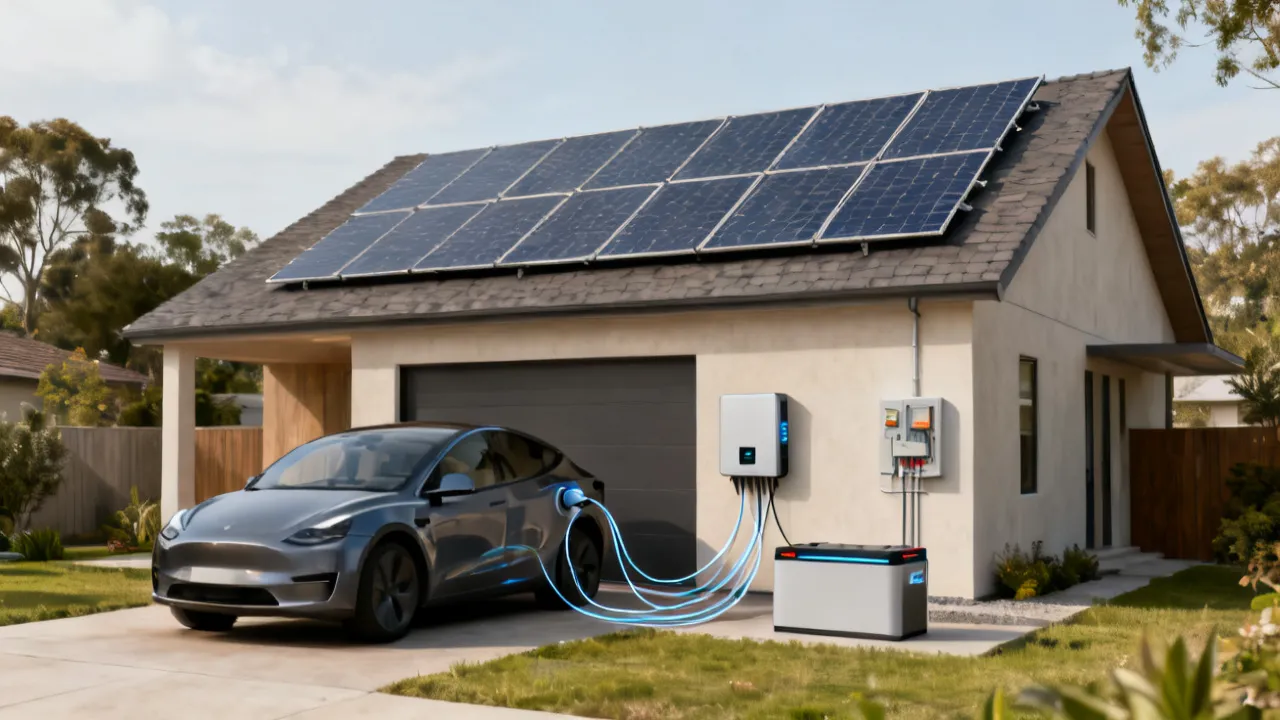
A V2H inverter, meaning a vehicle-to-home inverter, allows a compatible electric vehicle to transfer stored battery energy to selected household circuits or, in some configurations, the entire home. Unlike a conventional EV charger, which primarily sends electricity from the grid to the vehicle, a V2H system supports bidirectional energy flow. It can charge the vehicle, receive electricity from the vehicle, monitor household demand, and coordinate with the utility connection or a backup-isolation system.
The very important point for prospective buyers is that a V2H inverter is not automatically compatible with every electric vehicle, charging cable, or solar installation. Compatibility depends on the vehicle’s bidirectional charging capability, the charging connector and communication protocol, the inverter or charger architecture, the home’s electrical service, utility rules, and the installer’s ability to commission the system correctly. A careful technical assessment should come before comparing brands or advertised output ratings.
In a typical installation, the V2H inverter works with several components:
From an industry perspective, V2H is best understood as an energy-management solution rather than simply an oversized wall charger. The system’s value comes from coordinated control: it can use the EV battery as a flexible household energy resource while respecting battery limits, vehicle availability, utility requirements, and electrical safety rules.
The inverter is also responsible for power quality. It must regulate voltage and frequency, respond to changing household loads, recognize abnormal grid conditions, and protect the vehicle and home from excessive current or unsuitable operating conditions. In a well-designed installation, these actions occur automatically, without requiring the homeowner to manually switch cables or reset household circuits during every change in operating mode.
When the vehicle is connected and the system is operating normally, the V2H inverter can draw electricity from the grid or from solar equipment to charge the EV. If household demand rises, the control system may reduce grid consumption by sending energy from the vehicle to selected loads. During a utility outage, the system can disconnect the protected circuits from the grid and create a controlled local supply, assuming the equipment and vehicle are approved for backup operation.
The actual sequence varies by product. A simplified operating cycle may look like this:
In normal grid-connected operation, the home may continue to draw some electricity from the utility. A V2H inverter does not necessarily replace the grid, and it may not support every circuit in a home. High-demand appliances such as electric resistance heaters, large heat pumps, electric water heaters, induction ranges, and vehicle charging equipment can exceed the inverter’s continuous output. For this reason, installers commonly divide circuits into essential and nonessential groups.
In backup operation, the transfer device is critical. A home must not energize utility lines during an outage. Proper equipment detects the loss of grid power, isolates the designated circuits, and then establishes a controlled supply from the vehicle and inverter. Restoration of the grid must also be managed carefully so that reconnection occurs under safe electrical conditions.
Some systems use a brief transition period before backup power becomes available. Others can provide a near-seamless transition for sensitive equipment, although the exact performance depends on the inverter architecture and the loads connected to it. Homeowners who operate medical equipment, computer servers, security systems, or other sensitive electronics should ask whether an uninterruptible power supply is needed in addition to the V2H system.
Several energy terms are often used together, although they describe different functions. Understanding the distinctions helps prevent unsuitable purchases.
| Technology | Primary Function | Typical Use | Important Consideration |
|---|---|---|---|
| V2H | Vehicle-to-home energy transfer | Supporting household loads or providing backup power | Requires a compatible EV, bidirectional equipment, and compliant home integration |
| V2G | Vehicle-to-grid energy transfer | Exporting energy to the utility under an approved program | Usually depends on utility participation, metering, contracts, and grid rules |
| V2L | Vehicle-to-load power supply | Operating individual appliances or portable equipment | It may not connect to a home’s fixed wiring or provide whole-home backup |
| Unidirectional EV charger | Charging the EV from the electrical system | Routine vehicle charging | It generally cannot send energy back to household circuits |
| Stationary home battery inverter | Managing a dedicated battery connected to the home | Solar self-consumption and backup power | It does not use an EV unless specifically designed for vehicle integration |
V2L can be useful for temporary appliance operation, but it should not be treated as a substitute for a properly designed V2H installation. A plug adapter or improvised connection to a household receptacle can create shock, fire, and backfeed hazards. Fixed wiring must be connected through approved equipment by a qualified electrical professional.
V2G is also distinct from V2H even though both involve exporting energy from the vehicle. In a V2H arrangement, the energy normally serves the owner’s premises. In a V2G arrangement, energy may be sent through the utility connection to support the wider grid. V2G can involve additional metering, utility contracts, export limits, market participation rules, and compensation arrangements. A V2H system may be technically capable of export while still being configured not to send power beyond the home.
The main attraction of V2H is the size of a modern EV battery compared with many residential storage systems. However, the practical benefit depends on how much energy the household uses, how long the vehicle remains connected, and whether the vehicle must be available for travel. A household that requires backup during short interruptions may value the system differently from a household seeking daily energy-cost management.
Potential applications include:
These benefits are conditional. A V2H inverter cannot create energy; it only moves and converts energy that is available in the vehicle battery, solar array, or grid. Every conversion introduces some energy loss, and repeatedly using the vehicle battery may influence battery aging. The financial outcome therefore depends on tariffs, installation costs, equipment warranties, vehicle usage, and local regulations.
The value of backup power is also personal. A household with a gas range, modest electric loads, and frequent short outages may need only a small protected-loads panel. A fully electric home with electric heating, cooling, cooking, water heating, and well-pump equipment may require careful load prioritization or a substantially larger inverter. V2H should be sized around the loads that must remain available, not around an assumption that the entire home can operate normally during an outage.
Compatibility should be confirmed at the system level rather than inferred from the presence of a familiar charging connector. A vehicle may use a connector associated with bidirectional charging while still lacking the necessary software, hardware, or manufacturer approval for V2H operation. Similarly, a V2H inverter may support only specific vehicle models or firmware versions.
Before selecting equipment, verify the following:
Standards are evolving. In North America, systems may involve standards and certification frameworks associated with EV charging, interconnection, communications, and electrical safety. In other regions, local rules may refer to different grid codes, connector standards, and certification marks. The installer should identify the applicable requirements rather than relying on generic product descriptions.
Compatibility can also change through software updates. A vehicle manufacturer may add or restrict features through firmware, and an inverter manufacturer may require a particular software version. Owners should ask who is responsible for future updates and whether an update can interrupt operation. It is useful to retain written records of the vehicle model, charger model, firmware versions, and approved operating modes at the time of installation.
Two specifications deserve particular attention: power and energy. Power is usually expressed in kilowatts and describes how much electricity the inverter can deliver at a given moment. Energy is expressed in kilowatt-hours and describes how much electricity is stored or delivered over time.
For example, an inverter with a continuous output of 7 kilowatts may support a substantial group of household circuits, but the duration depends on the vehicle’s available battery energy and the household load. A 2-kilowatt refrigerator, lighting, network equipment, and small appliances consume energy at a different rate from a home with electric heating and an electric water heater. Short-duration surge requirements also matter because motors and compressors may draw more power when starting.
Important rating questions include:
A load calculation should be based on actual household equipment, not only on the size of the main service. An electrician can identify essential circuits and determine whether a load-management device is needed. Some installations use automatic controls to disconnect selected loads when the vehicle is supplying backup power. This approach can allow a smaller inverter to support critical services without attempting to operate every appliance at once.
Homeowners should distinguish between the vehicle’s total battery capacity and the energy available for home use. The manufacturer may reserve part of the battery for driving, thermal management, safety, or battery protection. The V2H system may also impose a minimum state-of-charge setting. Consequently, a vehicle advertised with a large battery may provide less usable backup energy than its nominal capacity suggests.
Surge capacity deserves special attention. A refrigerator compressor, sump pump, well pump, air conditioner, or workshop tool can require a brief starting current several times higher than its normal running current. If the inverter cannot handle that surge, the equipment may fail to start or the inverter may enter a protective shutdown. Soft starters, load controls, or alternative circuit arrangements can sometimes resolve the issue, but they should be included in the engineering assessment.
Backup operation is one of the most technically sensitive aspects of a V2H inverter. When the utility fails, the home must be electrically separated from the distribution network before the vehicle supplies power. This process is often called islanding control or anti-islanding protection.
A compliant backup system normally includes equipment that:
Not every V2H inverter offers backup capability. Some products are intended only to manage energy while the grid is available. Others may supply a limited backup panel rather than the full service. A product listing that uses the word “bidirectional” does not by itself confirm whole-home backup.
Homeowners should ask the installer to explain the transition process. Does backup begin automatically or require user action? Are there brief interruptions? Which circuits remain energized? Can solar continue operating during an outage? What happens if the vehicle is unplugged? The answers should be documented in the system design and operating instructions.
Outage behavior can be affected by the vehicle’s connection status. If the EV is away when an outage begins, the home may have no V2H energy resource. If the vehicle is connected but has a low state of charge, the system may preserve energy for driving rather than supply the home. If communications are unavailable, some systems may enter a restricted mode. These conditions should be understood before an emergency occurs.
There are two broad approaches to residential backup. A whole-home configuration places the V2H system in a position to support the home’s main distribution system, subject to inverter capacity and load controls. A critical-loads configuration supplies a separate panel containing only selected circuits. Neither approach is automatically better.
Whole-home backup can be convenient because occupants do not need to decide which outlets or appliances are connected during an outage. However, it may require a larger inverter, more extensive service equipment, and automatic controls to prevent high-demand appliances from overloading the system. Critical-loads backup is often less expensive and easier to size. It can preserve essential services while excluding electric heating, large water heaters, pool equipment, or other nonessential loads.
A critical-loads panel might include refrigeration, lighting, internet equipment, security systems, garage-door controls, selected receptacles, medical equipment, and a gas-furnace blower. It might exclude electric dryers, electric ranges, central air conditioning, and workshop circuits. The appropriate list depends on the household’s needs and the expected duration of outages.
Load priorities can be dynamic rather than fixed. A smart controller may allow a heat pump to operate only when the vehicle battery is sufficiently charged, or it may disconnect a water heater when the home is operating on backup. Such controls can increase useful backup duration, but they add equipment, configuration requirements, and possible maintenance needs.
A V2H inverter can be integrated with rooftop solar, but the design depends on whether the solar inverter is AC-coupled, DC-coupled, or integrated into a broader energy-management platform. During a grid outage, a standard grid-tied solar inverter may shut down unless it can operate with an approved backup-forming system. This behavior is a normal safety feature, not necessarily a defect.
When solar and V2H equipment operate together, the control system may need to coordinate:
An expert system designer will specify what happens under several conditions: a sunny day with the vehicle connected, a nighttime outage, a low vehicle state of charge, a full vehicle battery, and a grid restoration event. These scenarios reveal whether the installation has coherent controls or simply combines devices that were not designed to operate together.
During an outage, solar generation can sometimes recharge the EV or extend backup duration, but only if the V2H system can establish a stable local grid and control the solar inverter. Solar production may exceed household demand and vehicle charging capacity, creating an overgeneration condition. The system must then curtail solar output or adjust charging and discharging behavior. A design that ignores this condition may experience repeated trips or unnecessary shutdowns.
Using an EV battery for household support involves additional charge and discharge cycles. Battery aging is influenced by many factors, including temperature, charging rate, depth of discharge, time spent at high or low state of charge, and the battery’s chemistry and management system. The effect of V2H use cannot be generalized across all vehicles.
Manufacturers may place conditions on bidirectional operation. For example, a vehicle may require a minimum reserve, restrict discharge under certain temperatures, or limit operation when the battery is needed for driving. Warranty language is especially important. A vehicle owner should obtain written information about whether V2H cycling is covered, how battery capacity is assessed, and whether particular charging equipment is required.
Vehicle availability is another practical issue. A V2H system is useful only when the vehicle is connected and has adequate stored energy. Households with long commutes, irregular work schedules, or frequent travel may prefer a higher backup reserve or a stationary battery that remains available when the EV is away. Software may allow the owner to set a minimum driving reserve, but the selected threshold affects the energy available to the home.
Temperature can influence both vehicle availability and backup performance. Very cold or very hot conditions may reduce charging or discharging power, activate thermal-management systems, or prevent operation until the battery reaches a suitable temperature. Owners in extreme climates should ask for performance information at expected seasonal temperatures rather than relying only on laboratory ratings.
The battery reserve should be treated as a household policy decision. A high reserve improves the likelihood that the vehicle will be ready for an unexpected trip but leaves less energy for cost management or backup. A low reserve provides more household energy but may be unsuitable for emergency travel. Many systems allow separate settings for daily driving reserve and emergency backup reserve, but the available controls vary by product.
Energy efficiency should be evaluated across the complete operating path rather than by looking only at the inverter’s peak efficiency. Electricity may pass through the grid, charging equipment, the vehicle battery, the bidirectional inverter, and household circuits. Each stage has conversion losses and standby consumption.
A realistic assessment considers:
Operating economics vary significantly by location and tariff. A system may be more attractive where outage resilience is important or where electricity prices differ substantially by time of day. It may be less compelling when installation work is complex, vehicle use is unpredictable, or the local tariff provides little benefit for shifting energy.
Claims about payback should therefore be based on household-specific data. A credible calculation should show equipment costs, electrical work, permits, utility charges, expected cycling, estimated energy losses, maintenance assumptions, and the value assigned to backup capability. Resilience has a real practical value, but it is not always captured by a simple energy-arbitrage calculation.
For example, a household might charge the EV during a low-cost period and discharge a portion of the battery during a high-cost period. The price difference must be large enough to cover charging losses and the value of additional battery cycling. If the spread between rates is small, the direct financial savings may be modest. Backup capability, however, may still justify the system for a homeowner who experiences frequent outages.
Demand charges and export compensation can further complicate the calculation. A system that reduces a short peak may have value under one tariff but little value under another. Similarly, sending electricity to the grid may be prohibited, uncompensated, or subject to a separate approval process. Financial analysis should use the actual utility tariff rather than a national average electricity price.
V2H installation is normally a regulated electrical project rather than a do-it-yourself upgrade. The work may require a licensed electrician, utility coordination, inspection, and equipment certification. Requirements differ by jurisdiction and by the connection between the system and the utility network.
The installation process commonly includes these stages:
The location of the equipment also matters. Outdoor installations must account for weather exposure, drainage, temperature, clearances, and physical protection. Indoor installations require suitable ventilation, access, and compliance with equipment instructions. The EV charging position should allow safe cable routing without creating a trip hazard or obstructing emergency access.
Electrical service capacity should be checked before equipment is ordered. A home may have a large main service but limited panel space, or it may have sufficient panel space but inadequate capacity for the proposed charger and other large loads. An older service may also require updates to grounding, disconnects, or protection. These details can affect the project schedule and installed cost.
The installer should identify where the bidirectional equipment will be connected. Possible arrangements include connection at a dedicated backup panel, connection near the main service equipment, or integration with a solar and storage gateway. The correct arrangement depends on local code, the inverter’s listing, the service configuration, and whether the system is intended to support the full premises or only selected circuits.
Safety begins with using equipment that is approved for the intended application. The V2H inverter, charger, transfer equipment, and associated wiring should be selected and installed according to applicable electrical codes, manufacturer instructions, and utility requirements.
Key safety concerns include:
During an outage, the vehicle should remain connected only as directed by the manufacturer and installer. If the system displays a fault, produces unusual sounds or odors, or shows physical damage, the owner should stop operation and contact a qualified service provider.
Emergency responders should be informed that the property contains an EV and a bidirectional energy system. Clearly labeled disconnects and updated electrical documentation can help responders identify sources of stored energy. The vehicle battery remains an energy source even when the utility is disconnected, so ordinary assumptions about a darkened home may not apply.
Purchasing decisions should begin with the intended use. A homeowner seeking occasional backup for a refrigerator and communications equipment has different requirements from a household seeking whole-home support, solar coordination, or time-based energy management.
Use the following criteria when comparing products:
| Evaluation Area | Questions to Ask |
|---|---|
| Vehicle compatibility | Is the exact vehicle model approved for bidirectional home operation? |
| Backup capability | Does the system support outage operation, and which circuits can it energize? |
| Output rating | What are the continuous and surge power ratings under expected conditions? |
| Electrical configuration | Does the equipment match the home’s voltage, phase arrangement, service rating, and panel design? |
| Solar integration | Can the inverter coordinate with the existing solar inverter and operate as designed during an outage? |
| Controls | Can the owner set a driving reserve, backup reserve, charging schedule, and operating priorities? |
| Warranty | What coverage applies to the inverter, charger, controls, and vehicle battery cycling? |
| Service support | Are trained installers and replacement parts available in the relevant service area? |
| Certification | Does the equipment carry the approvals required by local authorities and the utility? |
| Connectivity | Does the system require internet service, cellular communication, or a manufacturer cloud account? |
| Noise and placement | Is the inverter suitable for the proposed indoor or outdoor location, and what sound level should be expected? |
Price should be considered alongside installation complexity. The equipment price may not include wiring upgrades, a new backup panel, permits, utility review, communications equipment, labor, or commissioning. A lower-priced inverter may become more expensive if it requires additional hardware or cannot work with the existing vehicle and solar system.
Warranty duration is only one part of warranty quality. The owner should determine whether labor is covered, whether replacement equipment is shipped promptly, whether software support continues throughout the warranty period, and whether battery cycling is excluded from vehicle coverage. A long inverter warranty is less useful if no qualified service provider is available locally.
The following conditions should generally be satisfied before a V2H inverter is installed:
Some homes may need a service-panel upgrade, additional load controls, or changes to an existing solar installation. Older wiring, limited panel space, or unusual grounding arrangements can increase design complexity. A site visit is more reliable than an online compatibility statement because it reveals conditions that product brochures cannot address.
In multi-unit buildings, rented properties, and homes with shared parking, the installation may involve additional approvals. The installer may need permission from a property manager, condominium association, landlord, or electrical service owner. Cable routing and access control can be especially important when the vehicle is parked away from the dwelling.
The software layer is a major part of the V2H experience. A system may use a mobile application, web portal, local display, utility signal, or automated energy-management controller. These controls can determine when the vehicle charges, when it discharges, how much energy remains reserved for driving, and whether the system prioritizes solar consumption or backup readiness.
Useful settings may include:
Automation should not be confused with unlimited control. A vehicle may override a requested discharge if the battery is too cold, the state of charge is too low, the charging system detects an error, or the manufacturer imposes an operating limit. The application should explain why a command was rejected rather than merely displaying that the system is unavailable.
Internet dependence should also be evaluated. Some systems can continue basic operation during a communications outage, while others require cloud authorization for certain functions. Homeowners should ask whether the system can charge, discharge, and provide backup if the internet connection fails. A local manual control or documented offline procedure can be valuable during severe weather.
A V2H inverter has fewer moving parts than many mechanical systems, but it still requires monitoring and periodic attention. Owners should keep firmware current, check for alerts, inspect visible cables and enclosures, and ensure that ventilation and access areas remain clear.
Professional maintenance may include:
A homeowner should not wait for a real emergency to discover that a vehicle account has expired, a cable is damaged, or the backup panel does not include an essential appliance. Periodic testing, performed according to the manufacturer’s instructions, helps confirm that the system is ready. Testing should be coordinated with occupants who depend on powered medical equipment or other sensitive loads.
Households should periodically review whether the system still matches their routine. A new electric heat pump, induction range, or second EV can change the load profile. Likewise, a change in driving patterns may require a different vehicle reserve. The system should be reassessed after major electrical or vehicle changes.
The most frequent mistake is assuming that any EV can power a home through a suitable-looking cable. Bidirectional charging requires coordinated hardware, communication, protection, and authorization. Another mistake is comparing only maximum kilowatt output while ignoring surge behavior, backup transition, and the circuits that will actually be supported.
Other avoidable errors include:
A professional quotation should describe the equipment model, expected output, backup circuits, wiring scope, control features, and testing procedure. Ambiguous language about “home power” should be clarified before any contract is signed.
Technical decisions should be supported by authoritative sources rather than promotional claims. In the United States, relevant information may come from the U.S. Department of Energy, the National Renewable Energy Laboratory, the National Electrical Code as adopted by the applicable jurisdiction, and the local utility’s interconnection documentation. Product safety certification information may be available through recognized testing organizations.
In other countries, owners should consult the national energy regulator, electrical safety authority, distribution network operator, and applicable grid-connection standards. International standardization work from organizations such as the International Electrotechnical Commission can provide useful technical context, but local adoption determines what is legally required.
Vehicle-specific claims should be checked against the vehicle manufacturer’s technical documentation and warranty terms. Independent research institutions can help explain battery behavior and charging efficiency, but generalized test results should not be treated as a guarantee for a particular vehicle, climate, or installation.
Permitting and certification requirements can change as bidirectional charging becomes more common. An installer should be able to explain which approvals apply to the equipment and whether the proposed system is being installed under a standard residential pathway or a pilot program. Utility approval may also be required even when the owner does not intend to export electricity, because the system is connected to the premises wiring and can affect grid behavior.
A disciplined evaluation can be completed in five stages:
This process places technical suitability ahead of marketing language. It also makes competing proposals easier to compare because each installer is responding to the same household requirements.
Before requesting quotations, a homeowner can prepare a list of essential loads, the vehicle’s typical departure times, recent electricity bills, the location of the main electrical panel, and information about any existing solar or backup equipment. Photos can help installers understand the site, but they do not replace an in-person assessment. A transparent proposal should state assumptions and identify any conditions that could change the price.
A stationary home battery and a vehicle battery can both provide backup energy, but they offer different operational advantages. A stationary battery remains at the property and is normally available whenever the home needs it. An EV-based system may have a larger total battery, but it can leave with the driver.
V2H may be attractive when the homeowner already owns a compatible EV and wants to use an existing asset for more than transportation. It can potentially provide a large energy reserve without adding a separate battery enclosure. A stationary battery may be preferable when reliable daily backup is essential, when the vehicle is frequently away, or when the homeowner wants a dedicated storage system that is independent of vehicle software and manufacturer policies.
The technologies can also work together. A stationary battery may handle short, frequent load changes while the EV provides longer-duration backup when connected. Such hybrid systems require coordinated controls, compatible inverters, and careful consideration of charging priorities. The designer should determine which battery responds first, how reserves are maintained, and whether one system can recharge the other during an outage.
A V2H inverter should be included in a broader emergency plan rather than treated as the entire plan. The homeowner should know how to receive outage alerts, where disconnects are located, how to preserve vehicle energy, and which appliances should remain off. Fuel, water, communications, and medical needs may remain important even when electricity is available.
Before severe weather, owners may choose to charge the vehicle to a higher level, increase the emergency reserve, and reduce discretionary household consumption. They should also confirm that the vehicle is parked where the charging cable can reach safely and that snow, debris, or flooding will not block access. If evacuation is possible, maintaining sufficient driving energy may be more important than maximizing household backup duration.
During an extended outage, the inverter may limit output as the vehicle state of charge declines. Owners should avoid adding large loads without checking the system’s rating. Repeatedly starting and stopping high-demand appliances can cause protective trips. A written list of essential appliances and their approximate power requirements can help household members make consistent decisions.
From an energy-systems perspective, the V2H inverter is a promising bridge between electric transportation and residential electricity management. Its strongest application is a carefully engineered system in which the vehicle, charger, home wiring, solar equipment, utility connection, and software operate as a coordinated platform.
The technology is not a universal replacement for a stationary battery or a standby generator. An EV may be unavailable when the household needs it, and battery cycling may carry warranty or ownership implications. Conversely, an EV battery can provide substantial flexibility when the vehicle is routinely parked at home and the owner values backup capability.
The appropriate conclusion is practical rather than promotional: choose V2H when the vehicle is demonstrably compatible, the electrical installation can be safely integrated, the utility and code requirements are understood, and the expected benefit justifies the complete installed cost. A qualified installer, transparent documentation, and realistic load planning are more important than a headline output figure.
V2H is also part of a wider transition in which vehicles, homes, solar systems, utilities, and software increasingly interact. That transition creates opportunities for more flexible energy use, but it also makes interoperability and accountability more important. Owners should know which company controls each part of the system, who provides support when a communication link fails, and what happens if the vehicle or inverter is replaced.
A V2H inverter is a bidirectional power-conversion and control device that allows a compatible electric vehicle to send electricity to household circuits. It can manage charging and discharging while coordinating with the grid, solar equipment, protection devices, and home loads.
No. The vehicle must support bidirectional charging for home use, and it may require a particular charger, connector, communication system, software version, or manufacturer approval. Compatibility should be confirmed for the exact vehicle model and configuration.
Some systems can support a large portion of a home’s loads, while others are designed for selected backup circuits. Whole-home operation depends on inverter output, service equipment, load demand, surge requirements, transfer equipment, and the design approved by the installer and authority.
Only if the system is specifically designed and approved for backup operation. It must isolate the home from the utility grid before supplying power. A bidirectional charging feature intended for normal grid-connected operation may not provide outage backup.
Possibly, but this depends on the solar inverter, backup-forming equipment, control system, and the V2H inverter’s operating design. Many conventional grid-tied solar systems shut down during an outage unless they are integrated with approved backup equipment.
Battery aging depends on chemistry, temperature, charging rate, depth of discharge, state-of-charge range, and usage frequency. V2H adds cycling, so owners should review the manufacturer’s warranty and technical guidance before establishing regular discharge schedules.
The answer varies by model and vehicle. The relevant figures are continuous output, surge output, voltage, phase arrangement, and operating temperature limits. Household loads should be calculated rather than estimated from the vehicle battery size alone.
No. V2L equipment generally supplies individual loads through an outlet or designated connection. A V2H inverter is designed to integrate with fixed household wiring through approved transfer, isolation, and protection equipment.
Not always, but many installations require a backup-loads panel, service-rated transfer equipment, additional circuit protection, or load-management hardware. The need depends on the existing panel, service capacity, target circuits, and local code requirements.
Yes, provided the battery retains sufficient energy for driving and the system has not reached a protective limit. Owners should configure a driving reserve that reflects their travel requirements, weather conditions, and access to other charging options.
The quotation should identify the inverter or charger model, vehicle compatibility, continuous and surge output, backup circuits, electrical work, transfer equipment, permits, utility coordination, commissioning tests, warranty coverage, software support, and exclusions. It should also state whether solar integration is included.
Fixed connection to household wiring, utility circuits, transfer equipment, and service panels should be performed by a qualified professional under applicable regulations. Improvised connections can cause electric shock, fire, equipment damage, or dangerous utility backfeed.
Evaluate the complete energy path, including charging losses, battery discharge losses, inverter conversion efficiency, control-system consumption, and standby power. Manufacturer laboratory figures may not represent performance under every household load or climate condition.
Financial value depends on installation cost, local electricity tariffs, outage frequency, vehicle availability, energy losses, battery warranty conditions, and the value assigned to resilience. A household-specific analysis is more reliable than a general payback estimate.
Ask the installer to demonstrate how the complete system behaves during normal operation, a utility outage, a low vehicle state of charge, solar production, and grid restoration. The answers should align with the approved design and be documented in the commissioning records.
The home may continue operating from another available energy source, such as a stationary battery, but the V2H system cannot draw energy from a vehicle that is not connected. The exact behavior depends on the system design. Owners should know whether unplugging triggers an orderly shutdown or simply removes the vehicle from the available energy pool.
Some energy-management systems may support multiple vehicles, but this is not universal. The service capacity, charger communication, vehicle compatibility, charging priorities, and backup controls must all support the arrangement. Two vehicles do not automatically double usable backup power.
Some systems require internet connectivity for setup, monitoring, cloud controls, or authorization, while others retain local functions when the connection is unavailable. The installer should explain which features continue during an internet outage and how communications failures are reported.
A V2H inverter can turn a compatible electric vehicle into a flexible residential energy resource, but successful deployment requires more than bidirectional power hardware. Vehicle approval, inverter compatibility, electrical capacity, islanding protection, load planning, battery policy, utility requirements, and professional commissioning all affect the result.
For buyers, the safest path is to define the household’s actual priorities, identify the circuits that matter most, confirm the vehicle’s technical support, and compare complete installed systems. When these conditions are satisfied, V2H can connect transportation electrification with household energy resilience in a controlled and technically responsible way.
Striking the Perfect Balance: Navigating Premiums and Out-of-Pocket Expenses in Senior Insurance Plans

Explore the Tranquil Bliss of Idyllic Rural Retreats

How to Make Lasting Memories at Disneyland Attractions

Affordable Phones and Plans for Seniors

Affordable Full Mouth Dental Implants Near You

Unlock the Top Kept Secrets to Finding Your Ideal Dentist for Flawless Dental Implant Results!

Discovering Springdale Estates

Unveiling RS Sul Telecom Services

The Guide to Car Trading

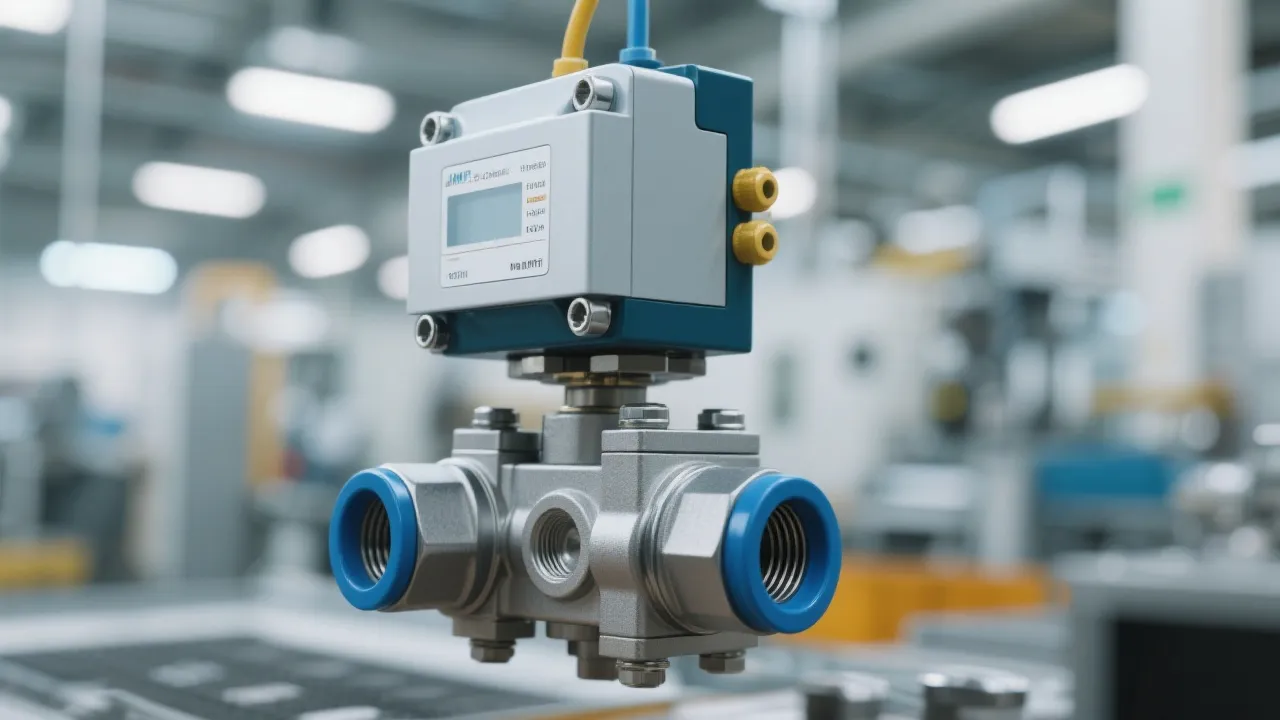
Understanding Proportional Valves
Proportional valves are hydraulic components vital for controlling fluid flow and pressure with high precision in various industrial applications. Their importance in automation and manufacturing settings stems from their ability to offer variable output in response to input signals, greatly enhancing system efficiency and performance.
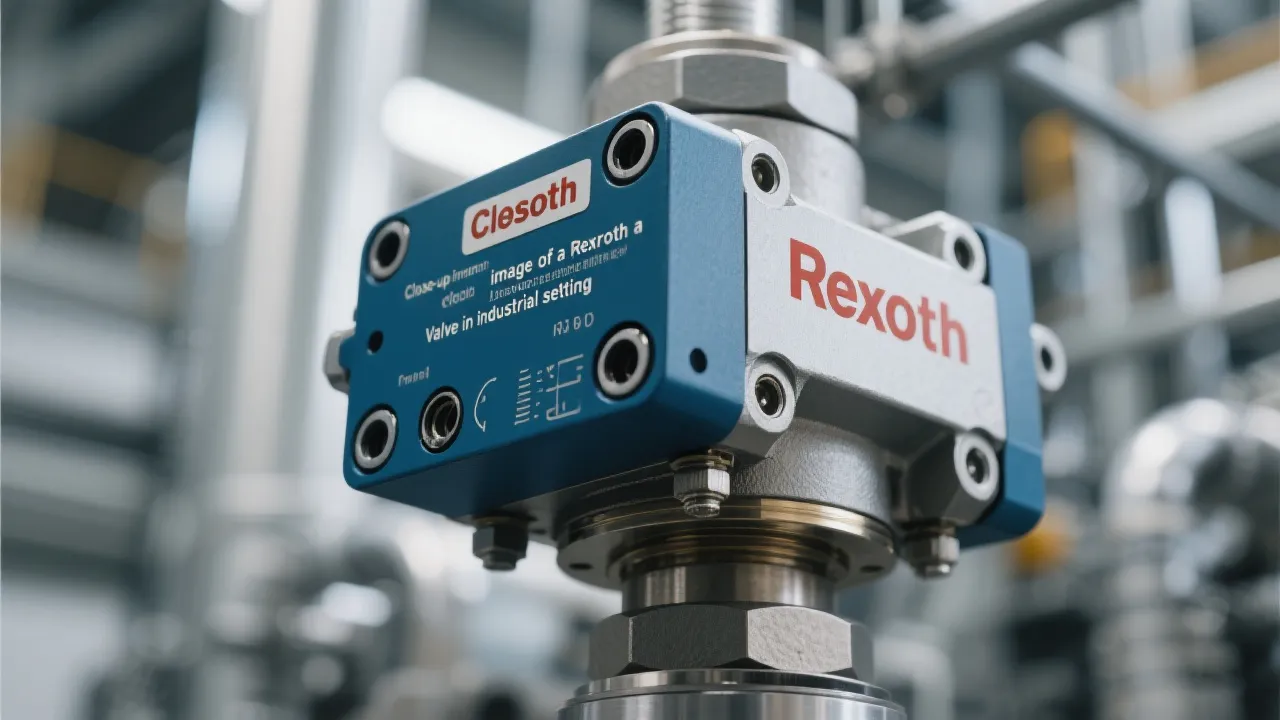
Understanding Rexroth Valve Systems
Rexroth Valves are quintessential components in various industrial applications, known for their precision and reliability. These hydraulic, pneumatic, and electrohydraulic valves regulate fluid flow in machinery, ensuring optimal performance and safety. Understanding their functionality and benefits is crucial for industries seeking efficiency and sustainability in their operations.

Unveiling Thermo Fisher Chromatography
This article explores the pivotal role of Thermo Fisher Chromatography in modern analytical science. Chromatography is crucial for separating compounds within mixtures, making it indispensable in industries such as pharmaceuticals and environmental testing. Thermo Fisher Scientific stands out in this field for its innovative solutions, leading to improved accuracy and efficiency in research and development.

Understanding Corrosion Inhibitor Manufacturers
In today's industrial landscape, corrosion inhibitor manufacturers play a crucial role in safeguarding equipment and infrastructure against corrosive damage. These manufacturers provide specialized chemicals that prevent corrosion in various environments, including industries such as oil and gas, marine, and construction. Understanding their operations and offerings is essential for selecting the right supplier and maintaining asset longevity.
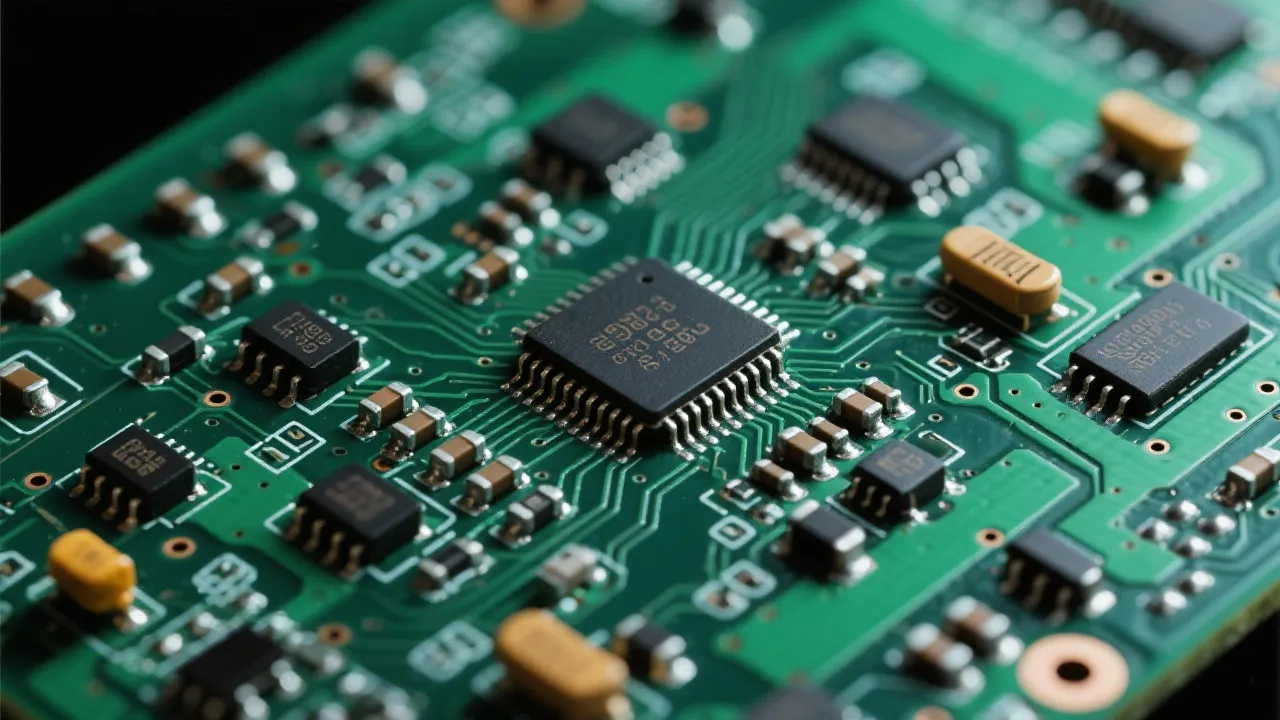
Analyzing Lm66100 Digikey Components
This article offers an in-depth analysis of the Lm66100 component available through Digikey, a renowned distributor of electronic components. The Lm66100, a load switch, is integral in industry applications, providing efficient power management. This piece explores its features, applications, and availability through Digikey, while offering a comprehensive guide for industry professionals seeking to optimize their electronic designs.

Leading Corrosion Inhibitor Suppliers
Corrosion inhibitor manufacturers play a crucial role in protecting materials from degradation. These companies specialize in creating chemical compounds that slow down or prevent the corrosive effects on various surfaces, especially metals. Understanding their production processes and solutions offered is vital for industries reliant on metal infrastructure.
