Polysulfide adhesives are versatile bonding agents known for their durability and chemical resistance. Primarily used in construction and manufacturing industries, these adhesives provide robust solutions for connecting materials in challenging environments. This article delves into the key characteristics, applications, and advantages of polysulfide adhesives, offering expert insights into their role in modern industry.
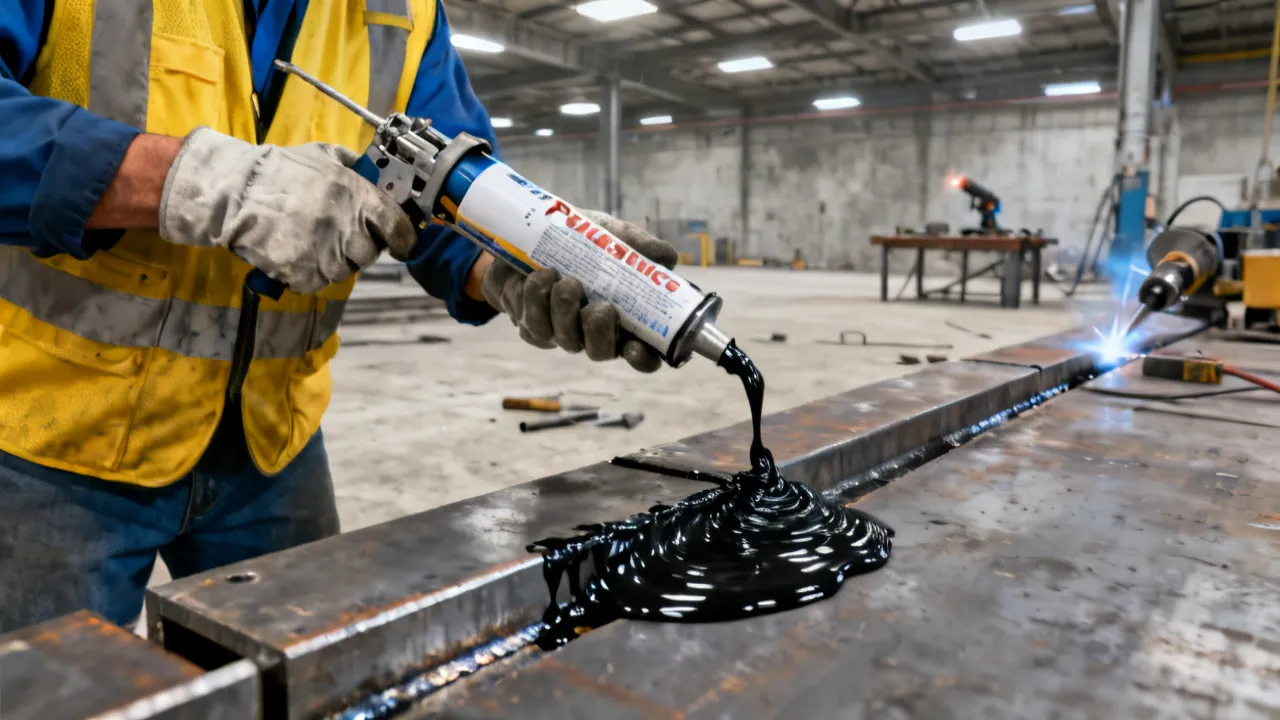
Polysulfide adhesives are unique bonding agents renowned for their exceptional resistance to environmental challenges and chemical interactions. These adhesives find extensive application in industries such as construction, aerospace, automotive, and even maritime due to their flexibility, durability, and ability to withstand harsh conditions. Their robustness makes them an ideal choice for sealing and connecting applications, especially where environmental exposure and long-lasting performance are critical. This adhesive's multifaceted properties allow them to perform exceptionally well in environments where other adhesives may fail, making them indispensable in various fields.
One of the very distinguishing features of polysulfide adhesives is their flexibility. They maintain this quality across a vast range of temperatures and weather conditions. Additionally, they boast remarkable chemical and water resistance, which protects against degradation over time. This makes them especially valuable in scenarios where adhesives must endure fluctuating conditions without losing efficacy. The ability to expand and contract without cracking or breaking adds to their utility. Furthermore, polysulfide adhesives are known for their excellent adhesion to a variety of substrates, including metals, plastics, and glass, further enhancing their versatility.
Polysulfide adhesives serve a plethora of applications across diverse industries. In the aerospace industry, for instance, they are utilized for fuel tank sealing to prevent leaks and ensure safety. Their ability to withstand extreme conditions and prevent fuel evaporation is particularly critical in aircraft design. In construction, they help seal windows and panels, providing a water-tight bond that is crucial for building maintenance and integrity. Moreover, they are employed in the creation of stone and tile joints, ensuring durability and longevity. Automotive manufacturing also benefits from their use in creating durable seals on windows and windshields, as the adhesives can withstand vibrations and impacts while maintaining a clear view. In the maritime industry, polysulfide adhesives play a vital role in boat building and repairs, where seal integrity is essential for preventing leaks and ensuring safety during voyages.
The unique structure of polysulfide polymers gives these adhesives their distinct properties. Comprised of a flexible backbone interlinked with sulfur atoms, this composition delivers a combination of elasticity and strength. These features allow the adhesive to absorb stresses without breaking while maintaining the bond between materials. The polymer chains in polysulfides are characterized by alternating sulfur and carbon atoms, creating a durable and elastic network. This structure is critical for applications where the adhesive must endure dynamic stress or movement, such as in automotive applications or in environments prone to temperature fluctuations.
| Type of Adhesive | Key Characteristics |
|---|---|
| Polysulfide | Highly flexible, strong chemical resistance, water-resistant, excellent for dynamic loads |
| Epoxy | High strength, less flexible, excellent bonding with metals, good chemical resistance but limited to static loads |
| Polyurethane | Good flexibility, suitable for a variety of substrates, offers a balance between strength and elasticity, moderate chemical resistance |
| Silicone | Very good flexibility, excellent temperature resistance, good water and UV resistance, but less strength compared to polysulfide |
The comparison table highlights the distinctive features of polysulfide adhesives in relation to other adhesive types. While epoxies are favored for strength and bonding to metals, they lack the necessary flexibility for applications subjected to movement. Polyurethanes and silicones offer varying degrees of flexibility and resistance; however, polysulfide adhesives outperform them in extreme conditions, particularly where resistance to chemicals and moisture is essential. This makes them the best choice for industrial applications where long-term reliability is a non-negotiable requirement.
Here’s a basic implementation guide for polysulfide adhesive applications:
Implementing polysulfide adhesives can be straightforward, but several common mistakes can hinder the effectiveness of the bonding process. Here are some pitfalls to avoid:
As technology advances, the formulations of polysulfide adhesives continue to evolve, presenting new opportunities within various industries. Research and development efforts are directed towards improving the environmental aspects of these adhesives, enhancing their performance in extreme conditions, and widening their applicability. Innovations may include improved formulations that reduce curing times or increase resistance to specific chemicals, thereby broadening their scope of use.
Furthermore, as industries increasingly prioritize sustainability, the development of environmentally friendly polysulfide adhesives is advantageous. The incorporation of bio-based materials and eco-friendly production processes can be expected to meet the growing demand for green solutions in construction and manufacturing sectors. As these adhesives evolve, they will likely cement their position as essential bonding agents for a multitude of applications.
Polysulfide adhesives represent a potent solution for bonding and sealing in various challenging environments. Their unique properties, including flexibility, chemical resistance, and durability, make them integral to industries where performance and longevity are paramount. As technology progresses, their applications and formulations continue to evolve, further solidifying their place in modern industry. For anyone seeking to harness their capabilities, understanding their characteristics and correct usage is essential. With ongoing advancements, the future of polysulfide adhesives looks promising, poised to address the growing demands of various sectors while ensuring safe and reliable performance.
Striking the Perfect Balance: Navigating Premiums and Out-of-Pocket Expenses in Senior Insurance Plans

Explore the Tranquil Bliss of Idyllic Rural Retreats

How to Make Lasting Memories at Disneyland Attractions

4rkojvsx Technology: Industry Insights and Buying Guide

Affordable Phones and Plans for Seniors

Affordable Full Mouth Dental Implants Near You

Unlock the Top Kept Secrets to Finding Your Ideal Dentist for Flawless Dental Implant Results!

Discovering Springdale Estates

Unveiling RS Sul Telecom Services

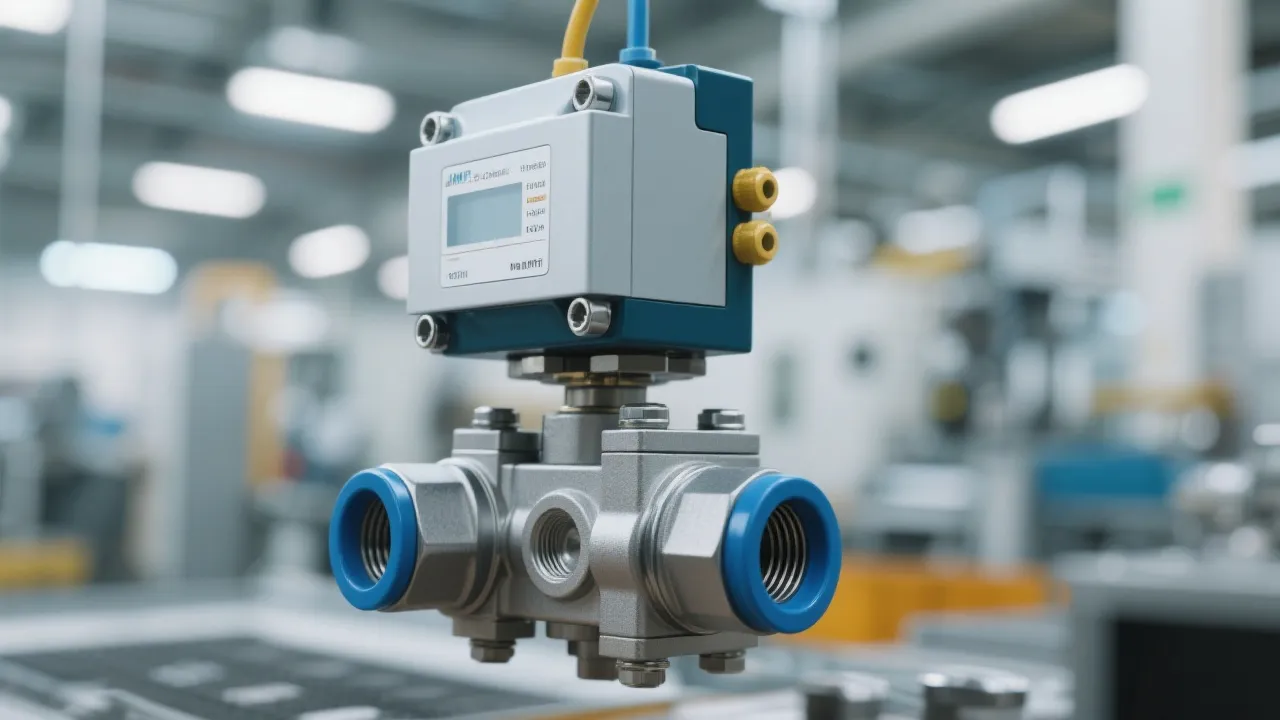
Understanding Proportional Valves
Proportional valves are hydraulic components vital for controlling fluid flow and pressure with high precision in various industrial applications. Their importance in automation and manufacturing settings stems from their ability to offer variable output in response to input signals, greatly enhancing system efficiency and performance.

Gizeuda Galdino: Expert Guide to Choosing Services
This guide explains what Gizeuda Galdino represents in professional healthcare-style service selection and how nearby buyers can evaluate options with care. Objectively, it outlines why consistent documentation, supplier credibility, and transparent pricing matter. It also provides a comparison framework, practical conditions, and expert-style decision steps for readers seeking reliable outcomes without speculation.
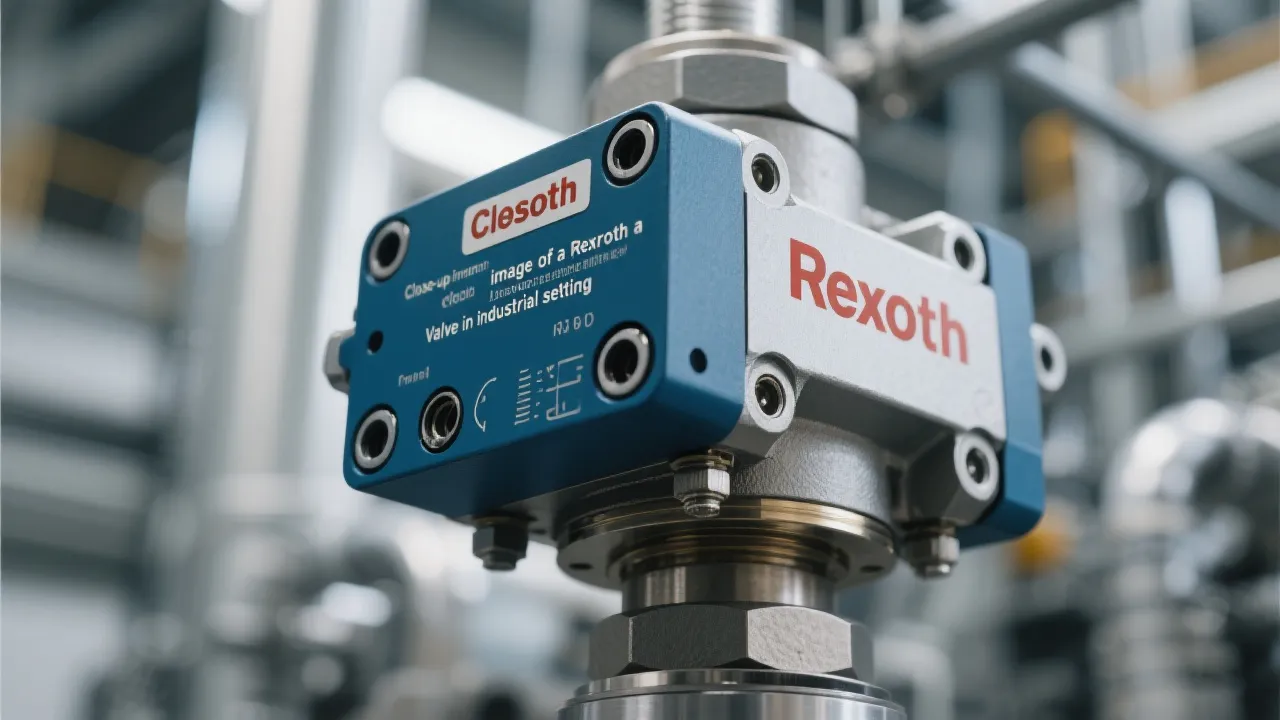
Understanding Rexroth Valve Systems
Rexroth Valves are quintessential components in various industrial applications, known for their precision and reliability. These hydraulic, pneumatic, and electrohydraulic valves regulate fluid flow in machinery, ensuring optimal performance and safety. Understanding their functionality and benefits is crucial for industries seeking efficiency and sustainability in their operations.

Unveiling Thermo Fisher Chromatography
This article explores the pivotal role of Thermo Fisher Chromatography in modern analytical science. Chromatography is crucial for separating compounds within mixtures, making it indispensable in industries such as pharmaceuticals and environmental testing. Thermo Fisher Scientific stands out in this field for its innovative solutions, leading to improved accuracy and efficiency in research and development.

Understanding Compliance Documentation and Eligibility Codes
This guide explains how to interpret compliance and eligibility identifiers such as “098.592.294-06” in procurement and verification workflows. Objectively, these patterns are commonly used to structure records for auditing, supplier onboarding, and access control, helping organizations maintain traceability and reduce mismatches. You’ll also find expert conditions and a practical checklist for safer documentation handling.

Understanding Corrosion Inhibitor Manufacturers
In today's industrial landscape, corrosion inhibitor manufacturers play a crucial role in safeguarding equipment and infrastructure against corrosive damage. These manufacturers provide specialized chemicals that prevent corrosion in various environments, including industries such as oil and gas, marine, and construction. Understanding their operations and offerings is essential for selecting the right supplier and maintaining asset longevity.
