This guide explains how to select, evaluate, and use a Poly Mailer for efficient parcel shipping. Poly Mailers are lightweight, flexible plastic shipping envelopes commonly used for clothing, textiles, documents, and other non-fragile products. Their performance depends on material thickness, closure design, dimensions, seal strength, product compatibility, labeling, storage, and end-of-life handling. The article also addresses sustainability claims, packaging regulations, operational practices, and common buyer questions.
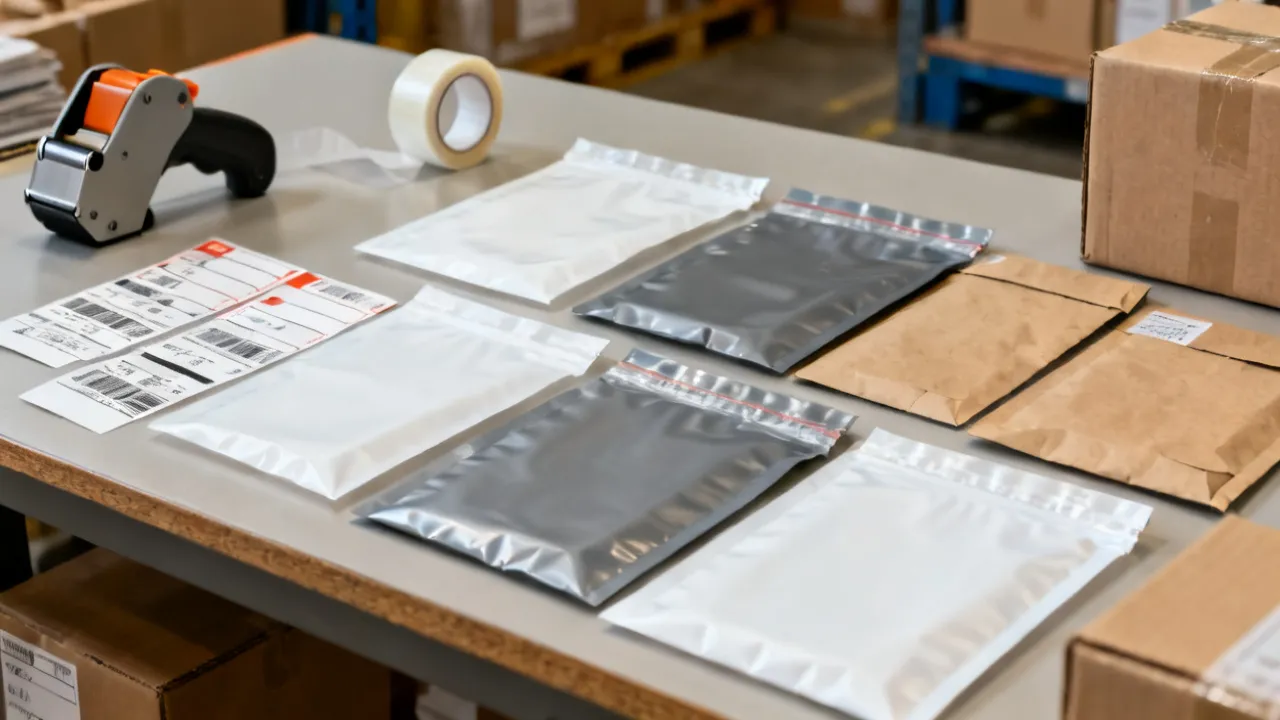
A Poly Mailer is a flexible shipping envelope made primarily from polyethylene film. It is designed to protect goods from surface moisture, dust, abrasion, and routine handling while using less structural material than a conventional corrugated box. For retailers, manufacturers, fulfillment providers, subscription businesses, and individual sellers, the central purchasing question is not simply whether a Poly Mailer is inexpensive or attractive. The more useful question is whether its construction matches the product, shipping route, sealing method, storage environment, customer expectations, and applicable packaging requirements.
The strongest packaging decisions begin with product compatibility. Soft goods such as shirts, trousers, bedding, scarves, blankets, and other textiles are often well suited to poly mailers because they do not require rigid protection against compression. Books, cosmetics, small accessories, stationery, and selected boxed merchandise may also fit a Poly Mailer when the product has adequate internal protection and the envelope is correctly sized. Glass, ceramics, electronics with sensitive components, products containing liquids, and goods that can be punctured or crushed generally require a box, molded insert, protective sleeve, rigid support, or another form of structural packaging.
Material thickness is another important consideration. A thin envelope may be appropriate for lightweight garments traveling through a controlled fulfillment network, while a heavier product or a parcel exposed to more handling may require thicker film. Thickness is often expressed in mils or microns, but those measurements do not tell the entire story. Film quality, seal construction, tear resistance, seam design, and the shape of the contents all influence actual performance. A purchasing team should therefore assess the complete specification rather than choosing solely by thickness.
Closure integrity deserves equal attention. Many poly mailers use a pressure-sensitive adhesive strip that creates a secure seal. The adhesive should bond consistently across the flap and remain effective under expected temperature and humidity conditions. A weak closure can expose the contents, create sorting problems, and increase the likelihood of a customer receiving a damaged parcel. A strong closure, however, should not be treated as a substitute for proper sizing and careful packing.
Operational efficiency is one of the main reasons businesses choose this packaging format. Poly mailers are lightweight, compact when stored, and fast to apply. They can reduce the time required to wrap soft products and may reduce dimensional bulk compared with a box. These advantages should be evaluated alongside product protection, carrier rules, returns processing, customer presentation, and environmental responsibilities. Packaging that saves time at the packing station but creates frequent damage or difficult returns may not deliver a good total result.
A Poly Mailer is a flexible envelope manufactured from polyethylene film. The film may be produced in multiple layers, with each layer contributing to strength, printability, opacity, sealing behavior, or resistance to moisture. The envelope normally includes a body, a flap, and an adhesive closure. Some versions include a second adhesive strip to support returns, while others have handles, gussets, tear strips, bubble lining, reinforced seams, or special tamper-evident construction.
Unlike corrugated packaging, a standard Poly Mailer has little resistance to crushing. Its principal functions are containment and surface protection rather than structural support. This distinction is important because the same envelope can perform very well for one product and poorly for another. A folded sweater may tolerate compression and flexible handling. A framed print, rigid cosmetic bottle, or delicate instrument may not.
Polyethylene is widely used in packaging because it can be made into a continuous film with useful flexibility and tensile strength. Different grades and manufacturing processes produce different performance characteristics. Buyers should review technical documentation supplied by the manufacturer or distributor and confirm whether the stated measurements refer to one film layer, the total film structure, or another specification method.
Film structure can affect the feel and performance of the mailer. A coextruded film may combine different polyethylene properties in separate layers, while a single-layer film may have a simpler construction. Some mailers are designed to resist tearing in one direction, and others rely on a thicker film to achieve general durability. These differences may be difficult to identify by appearance alone, which is why samples and documented specifications are important.
Although all poly mailers share a flexible envelope format, their designs serve different shipping needs. Understanding these variations helps organizations avoid over-specification while preventing avoidable failures.
The standard version is a lightweight, opaque envelope with a self-sealing flap. It is commonly used for apparel, fabric products, printed materials, and other items that do not need rigid protection. Its simple design supports rapid packing and efficient storage. A standard mailer is usually the starting point for product evaluation, but its suitability depends on the item’s weight, edges, and route.
A recycled-content Poly Mailer incorporates material recovered from manufacturing scrap, post-industrial sources, or post-consumer streams, depending on the supplier’s specification. Recycled content should be stated clearly and supported by documentation. Buyers should distinguish between recycled content and recyclability: one describes what went into the product, while the other concerns how the package may be handled after use.
Claims about recycled content should identify the percentage, source category, calculation method, and any relevant certification. A vague environmental statement does not provide enough information for responsible procurement. The packaging should also be reviewed for color consistency, print quality, seal performance, odor, and compatibility with the company’s waste-management guidance.
A returnable Poly Mailer contains two adhesive strips or another mechanism that allows the customer to reuse the same envelope for a return shipment. This design can simplify returns processing and provide a clear customer experience. It is useful when the original product is likely to be returned in its shipping envelope and when the envelope remains intact after opening.
The second seal should be protected during the original shipment so that it does not accidentally activate. Instructions should be visible but not so large that they interfere with the shipping label. Businesses should also test whether the returned parcel can meet carrier requirements when the original label is removed or covered.
A bubble-lined mailer combines an outer polyethylene layer with a cushioning interior. It offers more protection against minor impact and surface abrasion than a plain film envelope. However, it is still not equivalent to a rigid box, and the cushioning layer may complicate recycling depending on local collection systems and material composition.
This format may suit small items that need some cushioning but do not require substantial structural support. It should not be selected merely because the interior appears padded. The contents, seam areas, closure, and overall parcel handling environment still need to be considered.
A gusseted design includes additional material that expands to accommodate thicker products. It can reduce stress on seams and closures when packing folded garments, multiple soft items, or merchandise with irregular volume. The gusset should not be used to force an oversized or rigid product into an envelope. Excessive loading can still create punctures, seal failure, or an unstable parcel.
Printed mailers can support brand recognition, fulfillment instructions, or handling messages. Printing may be applied to one or both sides, and the available options vary by film structure and supplier process. Businesses should consider whether the artwork affects the ability to scan a shipping label or obscures required information.
Printing also creates a procurement issue: custom artwork may require minimum order quantities, proof approval, longer lead times, and separate quality checks. A standard mailer with a professionally applied label may be more practical for a small operation or a business with frequently changing product lines.
Selecting the right envelope involves more than matching an item to a nominal size. A reliable process considers the product, packing method, sealing area, route, storage conditions, customer experience, and end-of-life plan.
The envelope should be large enough to accept the contents without forcing them into the corners, yet not so large that the item moves unnecessarily inside. Excess material can fold over labels, create loose flaps, and increase the chance of snagging. A close but comfortable fit is generally more manageable at a packing station.
Product shape is often more important than product weight. A lightweight item with a sharp metal corner may damage a mailer more easily than a heavier but evenly distributed textile. When measuring, inspect the packed product from several angles and identify areas where pressure will be concentrated. If necessary, cover those areas with an inner sleeve, tissue, foam sheet, or rigid insert.
Poly mailer dimensions may be stated as width by height, with the flap sometimes included in the listed height and sometimes identified separately. This variation can make direct comparisons difficult. Before ordering, confirm the usable interior dimensions, flap length, gusset depth if applicable, and measurement tolerance.
For apparel, the correct size often depends on how the item is folded and whether it is placed inside a protective sleeve. A mailer that fits one folded shirt may not fit two garments of different fabric weights. For books and boxed products, the length, width, and corner profile matter as much as overall volume. A product that technically fits may still create sharp pressure points that weaken the film.
Businesses should create a packaging matrix listing product categories, packed dimensions, approximate weight, preferred mailer size, and any secondary protection. This document reduces guesswork and improves consistency when several employees or fulfillment sites handle the same orders. It can also help purchasing teams identify slow-moving sizes and reduce unnecessary inventory complexity.
When sizing a mailer, allow enough space for the flap to close over a flat surface. If the contents reach directly into the adhesive area, dust, fibers, and product material may interfere with bonding. An overfilled envelope may also have a rounded top that prevents the flap from making full contact. These problems are easier to prevent through proper sizing than to correct after sealing.
Film thickness provides a useful reference point, but it should be interpreted with other technical information. Tensile strength describes how much force the film can withstand when pulled. Tear resistance indicates how readily a cut or puncture may continue through the material. Puncture resistance is especially relevant when the product has corners, zippers, buckles, or hard edges.
Seams are another potential failure point. A mailer can have strong film but weak side seals if the manufacturing process is inconsistent. Inspect sample units for uneven sealing, open channels, wrinkles across the seam, and adhesive contamination. The flap should align with the body, and the release liner should remove cleanly without lifting the adhesive from the envelope.
Color and opacity may also be functional features. An opaque envelope can protect visual privacy for apparel or printed materials. Darker colors may show scuffs differently from lighter colors, while highly printed surfaces may make label scanning more difficult. If a business uses automated sorting or scanning equipment, it should verify that the selected design does not interfere with barcode readability.
Flexibility can be beneficial because it allows the envelope to conform to soft merchandise. Nevertheless, excessive flexibility may make packing difficult for products that need to remain flat. Conversely, a very stiff film may resist punctures but create stronger folds and corner pressure. The desired balance depends on the product and the way workers or automated equipment fill the mailer.
Polyethylene film can provide a useful barrier against light surface moisture, dust, and incidental exposure during ordinary parcel handling. It should not be described as a guarantee against water intrusion under every condition. Openings, seams, adhesive areas, damaged film, and prolonged exposure can all affect performance.
Moisture protection is particularly valuable for textiles, paper goods, and products that may be affected by damp handling environments. Even so, products with strict humidity requirements may need sealed inner packaging, desiccants, vapor barriers, or controlled shipping conditions. The mailer should be treated as one layer within a broader protection strategy rather than as a universal moisture-control system.
Products containing liquids require careful review. A flexible envelope alone may not contain a leaking bottle, and many carriers or jurisdictions apply specific rules to liquids, chemicals, cosmetics, batteries, and other regulated goods. Businesses should consult current carrier instructions and applicable government requirements before selecting packaging for these categories.
Odor transfer and contamination should also be considered. Products such as clothing, candles, cosmetics, or food-related goods may absorb odors from printing inks, adhesives, warehouse chemicals, or other inventory. Request samples and allow them to remain in storage conditions similar to those used in the operation before approving a large purchase.
| Consideration | Poly Mailer | Corrugated Box |
|---|---|---|
| Structure | Flexible and lightweight, with limited resistance to crushing | Rigid structure that can support and protect contents |
| Top suited products | Clothing, textiles, soft goods, and selected non-fragile items | Fragile, rigid, heavy, or irregular products requiring structural support |
| Storage | Can be stored in compact stacks or cartons | Requires more volume, especially when assembled or bundled |
| Packing speed | Typically quick to fill, seal, and label | May require folding, taping, void fill, and additional preparation |
| Surface moisture barrier | Usually provides a useful film barrier when intact | Depends on board grade, coatings, tape, and exposure conditions |
| Crush protection | Limited | Generally stronger, although performance depends on board construction and loading |
| Return handling | Can be designed with a second seal | May require new tape or a redesigned closure |
This comparison is not a contest between two universally interchangeable formats. Packaging engineers generally select the least complex format that protects the product adequately and supports the distribution process. For soft merchandise, a Poly Mailer may be efficient. For products requiring a rigid protective shell, a box is usually more appropriate. In some cases, the best approach is a hybrid: an inner protective package combined with a flexible outer mailer.
Dimensional weight may influence the decision. A box can create empty space around a soft product, increasing parcel dimensions even when the product itself is small. A mailer may reduce that unused volume. However, shipping prices vary by carrier and service, so the calculation should be based on real parcel measurements rather than general assumptions.
Environmental performance should be assessed across the full packaging life cycle. A Poly Mailer uses a relatively small amount of material compared with some rigid formats, but material efficiency alone does not determine environmental impact. Manufacturing inputs, transport, durability, reuse, contamination, collection systems, and disposal routes all matter.
Buyers should ask suppliers several precise questions:
Recyclability is not identical to actual recycling. A package may be technically recyclable but not accepted by a particular curbside program. Flexible plastic packaging is often subject to collection rules that differ from those for rigid containers. Consumers and businesses should follow the instructions of local waste authorities, retailers, or designated collection programs rather than placing flexible packaging in a recycling stream without confirmation.
Reuse can extend the service life of a mailer when the material remains clean, undamaged, and suitable for another shipment. A dual-seal design may make reuse more practical, but reuse is not guaranteed. A torn or heavily abraded envelope should not be relied upon for a valuable shipment. Businesses should communicate clear handling instructions and avoid making broad environmental claims that are not supported by the package’s actual design and disposal context.
Material reduction should also be approached carefully. Reducing film thickness can lower material use, but if the thinner mailer fails more often, the environmental and financial effects may be worse. A damaged product may require a replacement shipment, additional packaging, and reverse logistics. The more responsible objective is often right-sizing and performance optimization rather than simply selecting the thinnest available film.
Printed poly mailers can make a parcel more recognizable and reinforce a retailer’s visual identity. Branding may include a logo, color scheme, customer-service message, or return instruction. The design should remain subordinate to shipping information: the address, barcode, tracking number, customs information when applicable, and handling marks must remain legible.
Use a smooth, flat area for the shipping label. Avoid placing labels across gussets, folded edges, seams, or heavily textured surfaces. If the envelope has a dark or patterned exterior, a label with suitable contrast may be necessary. Before approving a large print run, test the complete design with the carrier’s scanning process or the organization’s own barcode equipment.
Printing also needs to withstand the distribution route. Ink that rubs off, fades, or transfers under condensation can reduce presentation quality and potentially obscure information. Ask the supplier how the ink is applied and whether the print is suitable for expected handling and storage conditions.
Personal information deserves attention as well. When using returnable packaging, the original label should be removed, covered, or otherwise handled according to carrier and privacy procedures. A visible previous address can create confusion and expose information. Fulfillment teams should include label-removal instructions in their standard operating procedures.
Confirm that the item is clean, dry, complete, and suitable for flexible packaging. Check for sharp corners, exposed fasteners, loose parts, or surfaces that could puncture the film. If a problem exists, add an inner wrap, sleeve, edge guard, or rigid insert before using the mailer.
Fold garments evenly and place them in a sleeve when presentation, cleanliness, or moisture control is important. For paper goods, use a protective wrap or rigid support when bending would cause damage. Keep all inner packaging compatible with the product and with the intended distribution conditions.
Choose an envelope that allows the contents to lie flat or sit comfortably without excessive force. Do not stretch the film around bulky corners. Confirm that the closure area will remain free of product, dust, and wrinkles.
Place the product into the center of the mailer and distribute weight evenly. Push the item gently toward the bottom without creating sharp pressure points. If the mailer includes a gusset, open it rather than compressing the contents into a narrow channel.
Press out unnecessary air while avoiding excessive compression. Fold the flap along its intended line and ensure that the adhesive surface will meet the envelope body evenly. Misalignment can produce a partial seal.
Remove the release liner and press the flap across the full adhesive area. Apply even pressure, especially near the corners and side seams. Do not reopen a good seal unless the supplier specifically identifies the closure as resealable.
Place the label on the flattest available surface. Keep barcodes away from seams, folds, handles, and printed elements that could interfere with scanning. Remove or cover older labels when reusing a package.
Check that the seal is closed, the contents do not protrude, the label is readable, and no loose film creates a snagging hazard. Weigh and measure the parcel according to the carrier’s procedures. A consistent final check can prevent avoidable rework.
A formal packaging test should reflect the actual distribution environment. Start with a sample group that includes different product weights, folding methods, and packing employees. Examine the mailers before shipment, after routine handling, and after arrival. Record seam condition, punctures, adhesive performance, label readability, and product presentation.
Drop and compression testing may be useful when the product is valuable, the parcel travels through automated systems, or the business has experienced damage claims. The test method should be selected by a packaging professional or based on a recognized standard appropriate to the distribution channel. A test that does not represent actual handling may create false confidence.
Temperature and humidity can influence adhesive behavior and film flexibility. Warehouses should avoid storing mailers in conditions that exceed the supplier’s recommendations. Before switching suppliers, compare samples under the same conditions and document any differences in odor, stiffness, seal performance, print quality, and dimensional consistency.
Quality control should also include incoming inspection. Review carton counts, dimensions, film thickness documentation, print registration, and closure alignment. Set clear acceptance criteria in the purchase agreement. If the product is custom printed, retain an approved proof and define the permitted color and placement tolerances.
Shipment feedback should be converted into measurable information. Track the number of torn envelopes, open seals, wet contents, unreadable labels, customer complaints, and products that arrive with cosmetic damage. Comparing these results by mailer size and product category can reveal problems that are not obvious during packing.
Poly mailers should be stored in a clean, dry area away from direct sunlight, excessive heat, sharp objects, and chemicals that could affect the film or adhesive. Keep cartons supported so that envelopes are not badly folded or compressed. Stock rotation helps reduce the risk of using material that has been stored beyond the supplier’s recommended period.
Inventory planning should account for seasonal peaks, product launches, custom-print lead times, and minimum order quantities. Carrying every possible size can create unnecessary complexity, while carrying too few sizes may lead to poor packing decisions. A packaging matrix supported by order history can help identify the most practical size range.
When several mailer types look similar, label storage locations clearly. Separate standard, returnable, bubble-lined, and printed versions. Confusing a returnable mailer with a standard design can produce customer-service issues, particularly when return instructions are expected.
Use a reorder point based on normal consumption, supplier lead time, seasonal demand, and a reasonable safety stock. A shortage can force workers to overfill a smaller mailer or use an unsuitable format. Both actions may increase damage rates and labor costs. Packaging inventory should therefore be managed with the same discipline applied to other operational materials.
The purchase price of a Poly Mailer is only one part of the packaging cost. A broader analysis should include labor time, storage volume, labels, inner protection, damage rates, return processing, disposal, and freight characteristics. A lower-priced envelope that tears during packing may cost more after rework and replacement shipments are considered.
For a useful comparison, calculate the total packaging cost per successfully delivered order. Include:
Custom printing may improve brand presentation but can increase minimum order quantities and leave obsolete stock when artwork changes. A business should compare the commercial value of custom printing with the flexibility of a plain mailer and a separate label. The correct choice varies by shipment volume, brand strategy, and product turnover.
Labor savings can be significant in high-volume operations. A mailer that can be filled and sealed in seconds may reduce packing time compared with a box requiring folding, taping, and void fill. Those savings should be measured rather than assumed. Some products still need inner protection, and inserting that protection may reduce the apparent speed advantage.
Carrier requirements differ by service, destination, product category, and parcel characteristics. Before adopting a mailer at scale, confirm the carrier’s rules for dimensions, weight, labeling, barcodes, hazardous materials, liquids, batteries, customs documentation, and surcharge conditions. Packaging selection should not be based on appearance alone.
Cross-border shipments may require customs declarations, harmonized classification information, country-of-origin details, and additional labeling. The flexible envelope must provide a suitable surface for those documents or be paired with a document pouch. If the product is subject to import restrictions, the packaging decision should be reviewed with a trade-compliance specialist.
Customer-service teams should know which products are intended for poly mailers and how to explain packaging-related returns. A clear return instruction, an intact second seal where provided, and a practical label-removal process can reduce confusion. However, the envelope should never be marketed as protecting every product under every condition.
Tamper evidence may matter for certain product categories. A permanent adhesive closure can show visible damage if someone attempts to open the package, but the mailer should not be described as fully tamper-proof unless it has been specifically designed and tested for that purpose. High-value products may need security tape, serialized labels, inner seals, or a rigid package.
From an industry perspective, a Poly Mailer is very effective when the product is lightweight or moderately weighted, flexible or inherently resistant to routine compression, and not dependent on a rigid protective shell. It is particularly practical for apparel and textiles because the packaging conforms to the product and supports rapid fulfillment. Its moisture barrier can also be useful during ordinary parcel movement, provided the envelope remains intact and the exposure is within reasonable limits.
The format becomes less suitable when a product has fragile surfaces, rigid corners, concentrated weight, a high leakage risk, or a requirement for controlled internal positioning. In those cases, a box or hybrid packaging system may be more reliable. The decision should be based on documented testing and damage experience rather than on assumptions about a material’s appearance.
Procurement teams should evaluate three layers simultaneously: product protection, operational efficiency, and environmental responsibility. Weakness in any one layer can undermine the overall packaging strategy. A well-designed mailer does not eliminate the need for careful sizing, correct labeling, trained packers, and current regulatory review.
The customer experience should be included in the assessment. A clean, appropriately sized mailer can make an order feel organized and intentional. A severely oversized envelope, a torn outer layer, or a confusing return closure can have the opposite effect. Packaging performance includes the condition in which the customer receives and opens the parcel, not only whether the product arrives.
Before placing an order, request a technical specification sheet and representative samples. The supplier evaluation should address manufacturing consistency, material composition, closure type, available sizes, custom-print capabilities, lead time, minimum order quantity, packaging configuration, quality controls, and documentation for environmental claims.
| Evaluation Area | Questions to Ask |
|---|---|
| Material | What polymer and film structure are used? Is the stated thickness clearly defined? |
| Strength | Are tensile, tear, or puncture performance details available for the intended application? |
| Closure | What adhesive system is used, and how does it perform under expected storage conditions? |
| Dimensions | Are the listed dimensions exterior, interior, or usable dimensions? |
| Customization | What artwork requirements, print tolerances, minimum quantities, and proofing steps apply? |
| Environmental documentation | Are recycled-content or recyclability statements supported by specific documentation? |
| Quality assurance | How are seal alignment, film thickness, color, and dimensional consistency checked? |
| Supply continuity | What are the normal lead times, reorder conditions, and procedures for defective batches? |
Supplier reliability matters because packaging shortages can disrupt fulfillment immediately. Ask whether the supplier maintains consistent raw materials, whether alternate production sites are available, and how changes in film composition or adhesive are communicated. A substitute material that appears similar may behave differently in automated equipment or under warehouse conditions.
A packaging standard turns individual preferences into a repeatable operating system. Begin by listing the products that may be shipped in a Poly Mailer. For each product group, record the packed dimensions, approximate weight, inner protection, selected mailer size, closure type, and inspection requirements.
Next, define exclusion criteria. For example, products with fragile glass components, uncontrolled liquids, exposed sharp edges, or a requirement for rigid support may be directed to a box-based procedure. These criteria should be written in plain language and illustrated with photographs where appropriate.
Training should cover sizing, insertion, sealing, label placement, returns, and escalation. Employees should know when to stop and request a different packaging format. Speed at the packing station is valuable, but it should not encourage improvised solutions that compromise product protection.
Finally, review the standard using operational evidence. Track damage reports, customer feedback, return condition, packing time, material consumption, and supplier quality. A packaging standard should evolve when product designs, carrier systems, or local disposal instructions change.
Standard operating procedures can include a simple decision tree. If the product is soft, non-fragile, and free of sharp projections, a standard mailer may be considered. If it is thick, unusually shaped, or likely to be returned, a gusseted or dual-seal version may be selected. If it is fragile, liquid-containing, or structurally dependent on rigid support, the procedure should direct the packer to a box or approved hybrid system.
Yes, clothing is one of the most common applications. Fold the garment to prevent sharp pressure points, use an inner sleeve when cleanliness or presentation requires it, and choose a size that allows the item to fit without stretching the envelope. Heavier garments or multi-item orders may need a stronger or gusseted design.
Some books can be shipped in a mailer when they are protected against bending, corner damage, and surface abrasion. A rigid insert or protective wrap may be appropriate for valuable, illustrated, or easily marked books. A box is generally more suitable when several books are packed together or when the shipment requires stronger structural protection.
Polyethylene film can resist incidental surface moisture when the envelope, seams, and closure remain intact. It should not be presented as a guarantee against prolonged water exposure, immersion, or a failed seal. Products with strict moisture requirements may need additional inner protection and a suitable shipping service.
There is no single thickness that fits every application. Start with the product’s weight, surface profile, handling conditions, and required protection. Compare samples and review supplier test information. A thicker film may improve durability, but construction quality and closure performance remain important.
Recycling depends on the material structure and the collection system available in the relevant area. Some flexible polyethylene packaging may be accepted through designated drop-off programs, while many curbside systems do not collect it. Follow local waste authority or retailer instructions and verify whether labels, adhesive strips, liners, or bubble layers affect acceptance.
Recycled content describes the material used to manufacture the package. Recyclability concerns whether the package can be collected, sorted, processed, and converted into another material through an available system. A mailer may contain recycled content without being accepted by a particular recycling program, or it may be technically recyclable without having recycled content.
Some mailers are designed with a second adhesive strip for returns, while others may be reused only if the original envelope remains clean and undamaged and a secure new closure can be applied. Remove or cover prior labels and inspect the film before reuse. Do not reuse a package with tears, punctures, or compromised seams for a valuable shipment.
A plain mailer is generally not sufficient for fragile products. A protective inner container, cushioning, and rigid support may be required, but the complete system should be tested. If the product remains vulnerable to crushing, bending, or impact, a corrugated box or another rigid format is more appropriate.
Store them in a dry, clean location away from direct sunlight, excessive heat, sharp objects, and chemicals. Keep cartons supported and organized by size and type. Follow the supplier’s storage recommendations, particularly for custom-printed products and adhesive closures.
Shipping information can be printed directly on some mailers, but many businesses apply separate labels for flexibility. Direct printing requires suitable contrast, durable ink, accurate artwork, and sufficient space for barcodes and regulatory information. Test scan performance before full production.
They provide an additional cushioning layer, which may help with minor impact and abrasion. They are not automatically better for every product because they can add material complexity, cost, and different disposal considerations. Select them when the cushioning benefit is relevant and supported by testing.
The specification should identify dimensions, usable capacity, film composition, thickness, closure design, color, print details, recycled-content information when applicable, packaging configuration, quality tolerances, and delivery conditions. Clear specifications reduce misunderstandings and make supplier comparisons more objective.
A Poly Mailer can be an effective shipping solution when it is selected for the right product and integrated into a disciplined fulfillment process. The key decisions involve compatibility, size, film construction, seal integrity, label placement, storage, carrier requirements, return handling, and end-of-life management. No single feature determines performance on its own.
Businesses should begin with representative products, test realistic packing conditions, document results, and establish clear rules for when a box or hybrid package is required. Environmental claims should be specific and supported by credible documentation, while disposal guidance should reflect the collection system available to the recipient.
The most dependable approach is practical rather than promotional: match the envelope to the product, verify supplier specifications, train packing staff, monitor shipment outcomes, and revise the packaging standard when evidence shows that a change is necessary. Through this process, a Poly Mailer can support efficient operations without compromising product protection or responsible packaging management.
Striking the Perfect Balance: Navigating Premiums and Out-of-Pocket Expenses in Senior Insurance Plans

Explore the Tranquil Bliss of Idyllic Rural Retreats

How to Make Lasting Memories at Disneyland Attractions

Affordable Phones and Plans for Seniors

Affordable Full Mouth Dental Implants Near You

Unlock the Top Kept Secrets to Finding Your Ideal Dentist for Flawless Dental Implant Results!

Discovering Springdale Estates

Unveiling RS Sul Telecom Services

The Guide to Car Trading


Understanding Proportional Valves
Proportional valves are hydraulic components vital for controlling fluid flow and pressure with high precision in various industrial applications. Their importance in automation and manufacturing settings stems from their ability to offer variable output in response to input signals, greatly enhancing system efficiency and performance.
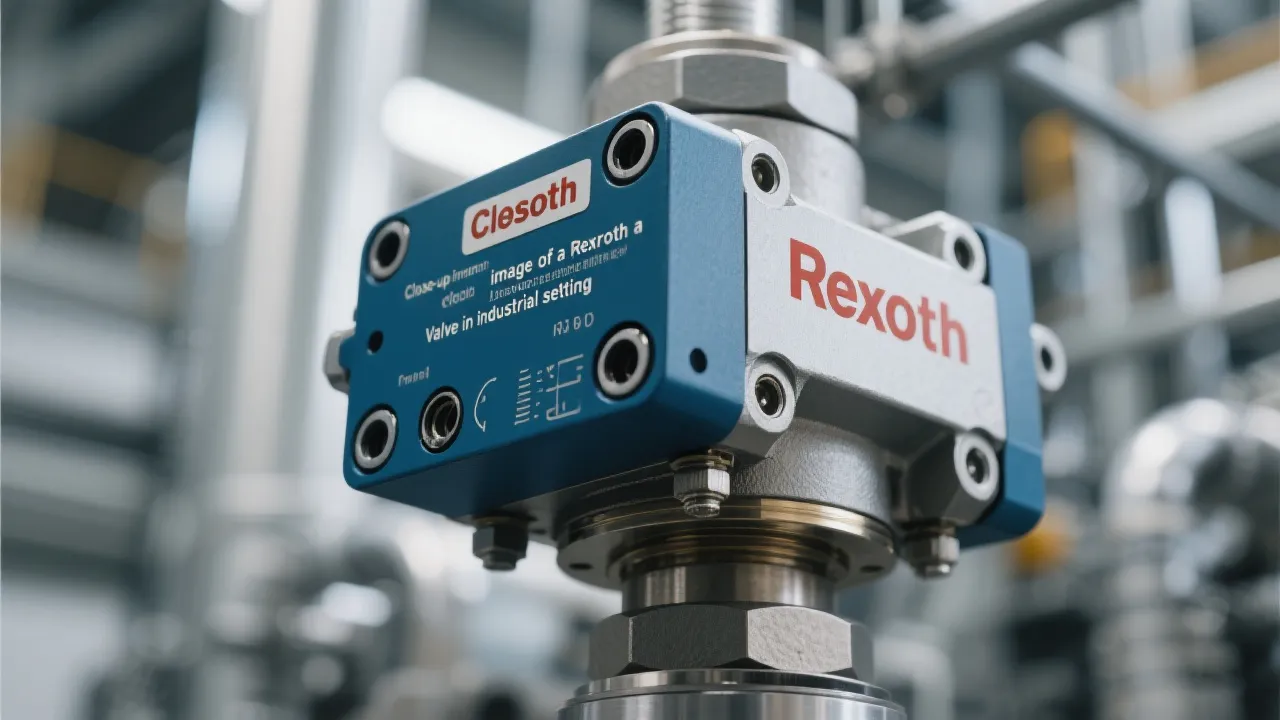
Understanding Rexroth Valve Systems
Rexroth Valves are quintessential components in various industrial applications, known for their precision and reliability. These hydraulic, pneumatic, and electrohydraulic valves regulate fluid flow in machinery, ensuring optimal performance and safety. Understanding their functionality and benefits is crucial for industries seeking efficiency and sustainability in their operations.

Unveiling Thermo Fisher Chromatography
This article explores the pivotal role of Thermo Fisher Chromatography in modern analytical science. Chromatography is crucial for separating compounds within mixtures, making it indispensable in industries such as pharmaceuticals and environmental testing. Thermo Fisher Scientific stands out in this field for its innovative solutions, leading to improved accuracy and efficiency in research and development.

Understanding Corrosion Inhibitor Manufacturers
In today's industrial landscape, corrosion inhibitor manufacturers play a crucial role in safeguarding equipment and infrastructure against corrosive damage. These manufacturers provide specialized chemicals that prevent corrosion in various environments, including industries such as oil and gas, marine, and construction. Understanding their operations and offerings is essential for selecting the right supplier and maintaining asset longevity.

Analyzing Lm66100 Digikey Components
This article offers an in-depth analysis of the Lm66100 component available through Digikey, a renowned distributor of electronic components. The Lm66100, a load switch, is integral in industry applications, providing efficient power management. This piece explores its features, applications, and availability through Digikey, while offering a comprehensive guide for industry professionals seeking to optimize their electronic designs.

Leading Corrosion Inhibitor Suppliers
Corrosion inhibitor manufacturers play a crucial role in protecting materials from degradation. These companies specialize in creating chemical compounds that slow down or prevent the corrosive effects on various surfaces, especially metals. Understanding their production processes and solutions offered is vital for industries reliant on metal infrastructure.
