Polysulfide adhesive, a versatile bonding agent, is primarily used in industrial applications for its superior flexibility and resistance to environmental factors. Known for its effectiveness in maintaining strong bonds under extreme conditions, this article delves into the composition, applications, and benefits of using polysulfide adhesive, providing insights for industry professionals and manufacturing experts.
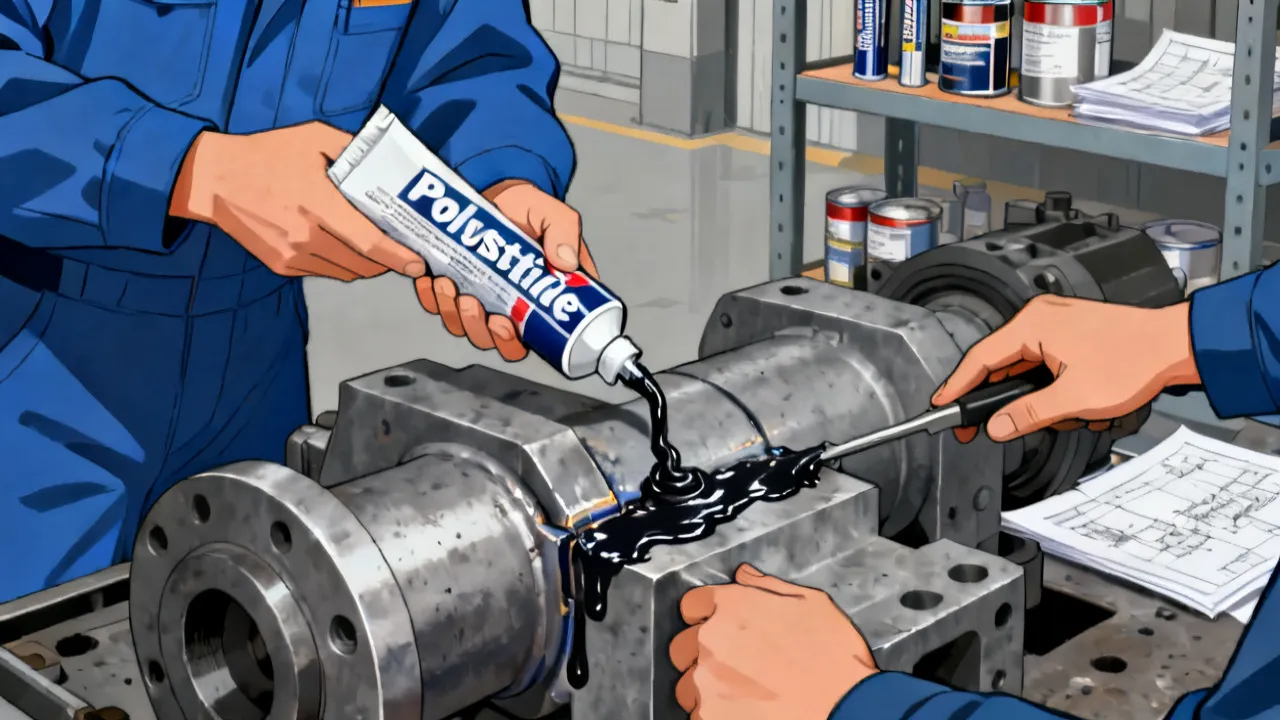
Polysulfide adhesive is a specialized, high-performance sealant known for its exceptional durability and flexibility. Predominantly used in industrial applications, it offers robust solutions to challenges faced in environments subject to temperature fluctuations, chemical exposure, and mechanical stress. This adhesive plays a crucial role in industries like aviation, marine, automotive, and construction due to its ability to maintain strong bonds under harsh conditions. The utilization of polysulfide adhesive has gained momentum over the years as industries increasingly seek materials that not only adhere well but also withstand the rigors of their operational environments.
Polysulfide adhesives are composed of polysulfide polymers, characterized by their sulfur-laden backbone. This structure imparts a unique ability to resist environmental degradation, including exposure to ultraviolet light, oil, solvents, and other chemicals. The material's inherent flexibility is due to the polysulfide bond, which allows it to expand and contract with substrates, making it ideal for sealing and binding applications where movement might otherwise compromise adhesion. The synthesis of polysulfide polymers typically involves the chemical reaction between an organic compound containing sulfur and a curing agent. This process not only creates the desired adhesive properties but also enhances the overall stability and performance of the adhesive when applied.
In aviation, polysulfide adhesives are essential for sealing aircraft fuel tanks. Their fuel-resistant properties and flexibility are pivotal in ensuring that the tanks maintain integrity under varying operational stresses and temperature changes experienced during flight. Additionally, these adhesives are also employed in sealing cabin pressurization systems where any breach could compromise passenger safety.
In the marine industry, polysulfide adhesives play a vital role in constructing and maintaining boats and maritime equipment. Their water-resistant qualities prevent corrosion, which is critical for prolonging the lifespan of vessels that frequently operate in harsh marine environments. From adhering hull sections to sealing joints, polysulfide adhesives ensure that the structural integrity of marine vessels is upheld over time.
The automotive sector benefits from these adhesives in various applications including the assembly of headlights, attaching panels, and sealing window components to prevent water ingress. Vehicles are subject to constant vibrations and temperature changes as they operate, making the flexibility and durability of polysulfide adhesives particularly important in maintaining vehicle integrity and safety features.
Lastly, in construction, their application is seen in the sealing of building facades and expansion joints. Polysulfide adhesives are ideal for accommodating structural movement which can occur due to thermal expansion or seismic activities. Their use not only enhances the aesthetic appearance of buildings but also contributes significantly to their durability and energy efficiency. Furthermore, in green building practices, polysulfide adhesives are often preferred due to their low volatile organic compounds (VOCs) profile, aligning with sustainability goals.
| Adhesive Type | Key Properties | Applications |
|---|---|---|
| Polysulfide Adhesive | High flexibility, chemical resistance | Aviation, marine, automotive, construction |
| Epoxy Adhesive | Strong adhesion, heat resistance | Manufacturing, automotive, electronics |
| Silicone Adhesive | Elasticity, temperature resistance | Electronics, construction, medical |
When comparing polysulfide adhesives to other adhesive types such as epoxy and silicone adhesives, it is important to consider the specific application requirements. For example, while epoxy adhesives are known for their strong bonds and are widely used in high-stress applications, they may lack the flexibility inherent in polysulfides, leading to potential failure in dynamic environments. Silicone adhesives, on the other hand, excel in temperature resistance and are typically used in electronics and medical applications, but they may fall short in terms of chemical resistance when compared to polysulfide adhesives.
Proper installation of polysulfide adhesives is crucial to realize their full potential in various applications. The surface preparation process is equally as important as the application itself. Surfaces should be cleaned thoroughly using appropriate solvents to remove any grease, dust, or old sealants that could impede adhesion. For best results, surfaces can be slightly roughened to enhance the mechanical bond between the adhesive and the substrate.
When mixing and applying the adhesive, following the manufacturer’s instructions for mixing ratios and curing times is vital. Polysulfide adhesives usually come in two-part systems that employ a base and a curing agent. The mixing process should ensure a homogeneous mixture to avoid weak points in the bond line. After mixing, the adhesive should be applied promptly to avoid premature curing.
During application, the adhesive should form a continuous and even bead to minimize air pockets that can compromise seal integrity. It is advisable to use appropriate dispensing methods, such as caulking guns or automated dispensing systems, especially in larger applications. Additionally, factors like temperature and humidity can affect the curing time and overall performance. It is essential to consider the environmental conditions at the time of application to ensure optimal results.
Following application, it’s crucial to allow adequate curing time before exposing the adhesive bond to any loads, stress, or adverse environmental conditions. Depending on the specific product and environmental conditions, curing time can vary significantly. The adhesive should not be exposed to water or extreme temperatures until it has fully cured, which can take several hours to days.
When working with polysulfide adhesives, proper safety and handling precautions are paramount to ensure the safety of personnel and the environment. The components of polysulfide adhesives can contain volatile organic compounds (VOCs) and other hazardous materials that necessitate careful management during use.
Before starting the work process, it is essential to read the safety data sheets (SDS) provided by the manufacturer, which outline any hazards and the necessary precautions to mitigate risks. Personal protective equipment (PPE), including gloves, goggles, and respiratory protection, should be worn to avoid exposure to skin or inhalation of fumes. Adequate ventilation must also be ensured in the workspace to dilute any fumes released during mixing and curing.
For spills and cleanup, it is critical to have the appropriate materials on hand, such as absorbent pads, to contain and clean any adhesive that may leak during application. The adhesive should not be poured down the drain or disposed of in normal waste; consult local regulations for proper disposal methods to avoid environmental contamination.
Lastly, proper storage of polysulfide adhesive is important to extend its shelf life and maintain its effectiveness. Adhesives should be stored in cool, dry places away from direct sunlight, and unused portions should be sealed tightly to prevent contamination and premature curing.
In the evolving landscape of industrial applications, polysulfide adhesive continues to serve as a cornerstone material, providing solutions that require the simultaneous provision of durable adhesion and environmental resistance. Its versatility in both bonding and sealing applications spans a wide range of industries, making it a preferred choice for engineers and manufacturers. With advancements in material technology, the performance characteristics of polysulfide adhesives continue to improve, further solidifying their role in applications ranging from aviation to construction. As industries prioritize sustainability and the need for durable products, polysulfide adhesives will remain pivotal in enhancing the longevity and performance of manufactured goods.
Striking the Perfect Balance: Navigating Premiums and Out-of-Pocket Expenses in Senior Insurance Plans

Explore the Tranquil Bliss of Idyllic Rural Retreats

How to Make Lasting Memories at Disneyland Attractions

4rkojvsx Technology: Industry Insights and Buying Guide
Affordable Phones and Plans for Seniors

Affordable Full Mouth Dental Implants Near You

Unlock the Top Kept Secrets to Finding Your Ideal Dentist for Flawless Dental Implant Results!

Discovering Springdale Estates

Unveiling RS Sul Telecom Services

Understanding Proportional Valves
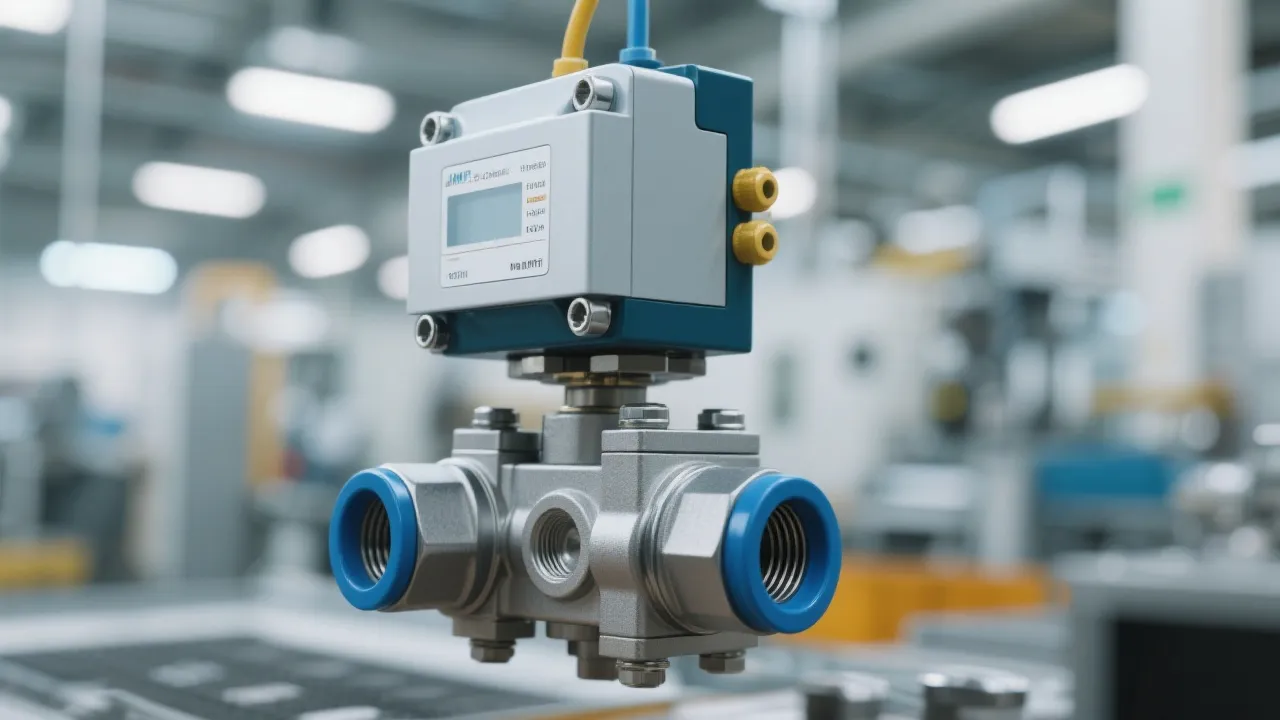
Proportional valves are hydraulic components vital for controlling fluid flow and pressure with high precision in various industrial applications. Their importance in automation and manufacturing settings stems from their ability to offer variable output in response to input signals, greatly enhancing system efficiency and performance.

Gizeuda Galdino: Expert Guide to Choosing Services
This guide explains what Gizeuda Galdino represents in professional healthcare-style service selection and how nearby buyers can evaluate options with care. Objectively, it outlines why consistent documentation, supplier credibility, and transparent pricing matter. It also provides a comparison framework, practical conditions, and expert-style decision steps for readers seeking reliable outcomes without speculation.
Understanding Rexroth Valve Systems
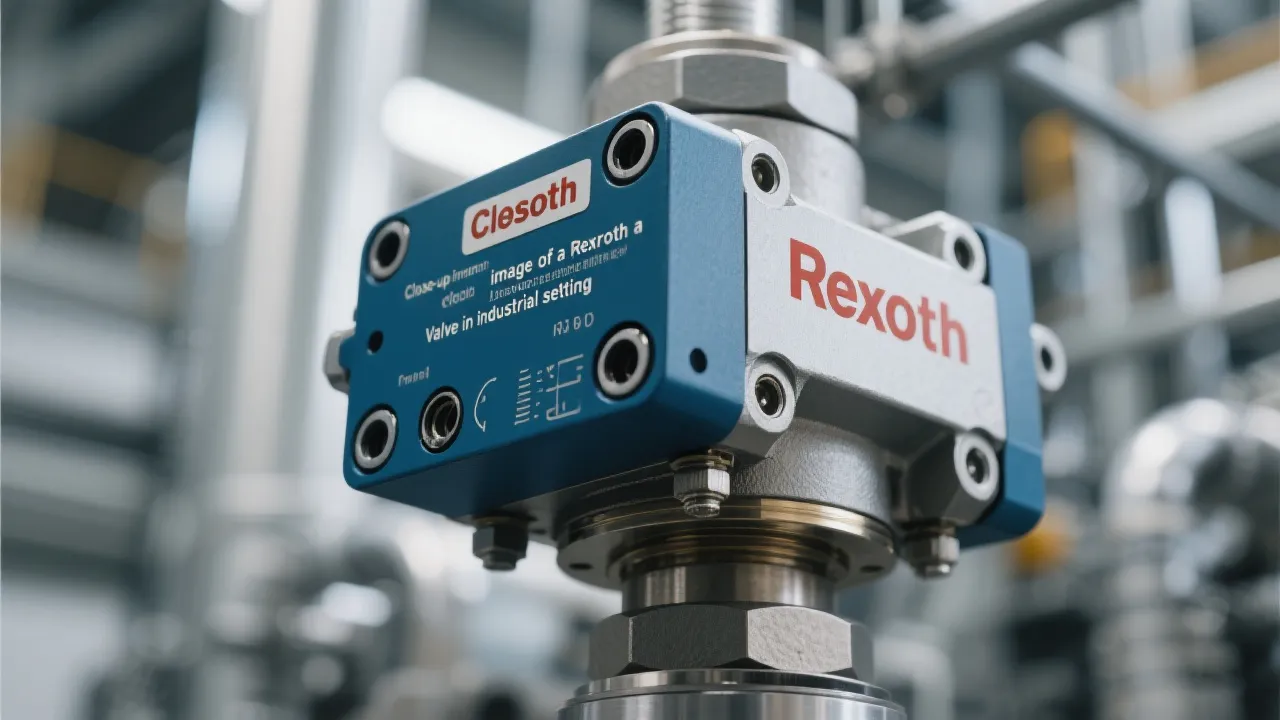
Rexroth Valves are quintessential components in various industrial applications, known for their precision and reliability. These hydraulic, pneumatic, and electrohydraulic valves regulate fluid flow in machinery, ensuring optimal performance and safety. Understanding their functionality and benefits is crucial for industries seeking efficiency and sustainability in their operations.
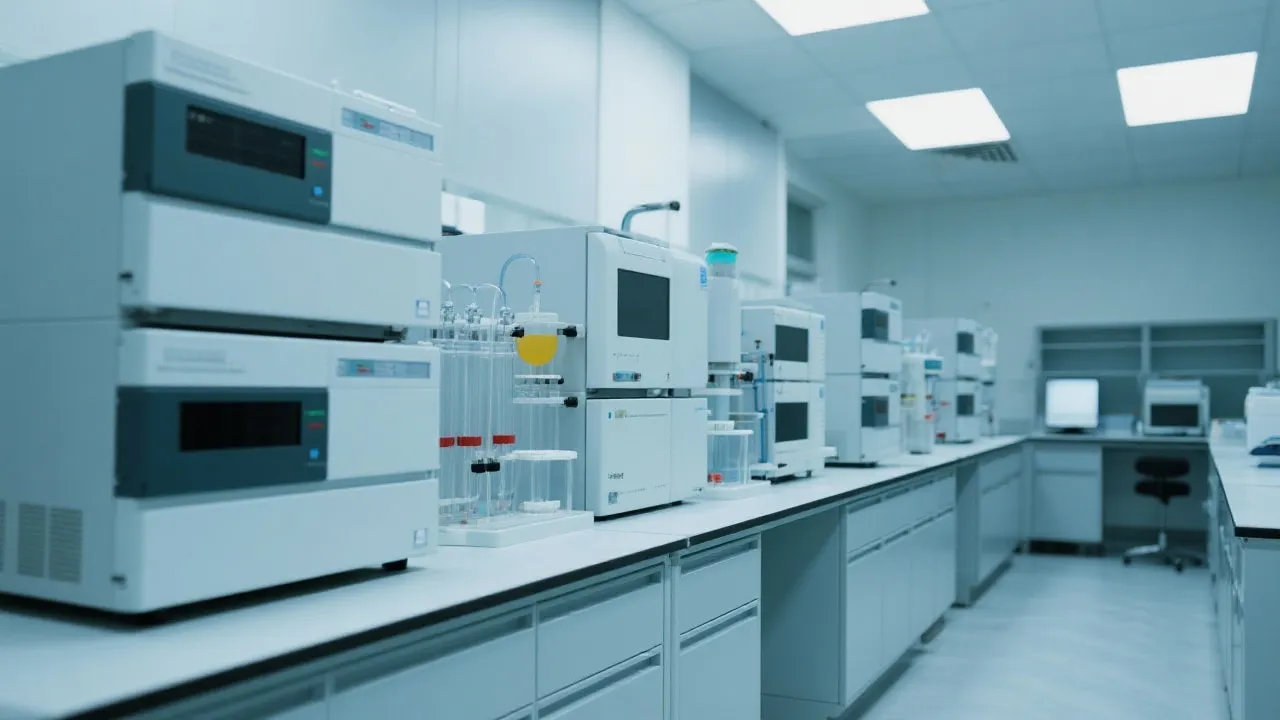
Unveiling Thermo Fisher Chromatography
This article explores the pivotal role of Thermo Fisher Chromatography in modern analytical science. Chromatography is crucial for separating compounds within mixtures, making it indispensable in industries such as pharmaceuticals and environmental testing. Thermo Fisher Scientific stands out in this field for its innovative solutions, leading to improved accuracy and efficiency in research and development.

Understanding Compliance Documentation and Eligibility Codes
This guide explains how to interpret compliance and eligibility identifiers such as “098.592.294-06” in procurement and verification workflows. Objectively, these patterns are commonly used to structure records for auditing, supplier onboarding, and access control, helping organizations maintain traceability and reduce mismatches. You’ll also find expert conditions and a practical checklist for safer documentation handling.

Understanding Corrosion Inhibitor Manufacturers
In today's industrial landscape, corrosion inhibitor manufacturers play a crucial role in safeguarding equipment and infrastructure against corrosive damage. These manufacturers provide specialized chemicals that prevent corrosion in various environments, including industries such as oil and gas, marine, and construction. Understanding their operations and offerings is essential for selecting the right supplier and maintaining asset longevity.
