Ushpizin posters hold significant cultural and spiritual value during the Jewish festival of Sukkot, serving as decorative elements that bring religious narratives and traditional artistry into modern homes. These artworks symbolize themes of hospitality, community, and faith, making them a cherished part of the holiday. This article delves into their historical importance, variations, and significance in contemporary practice.
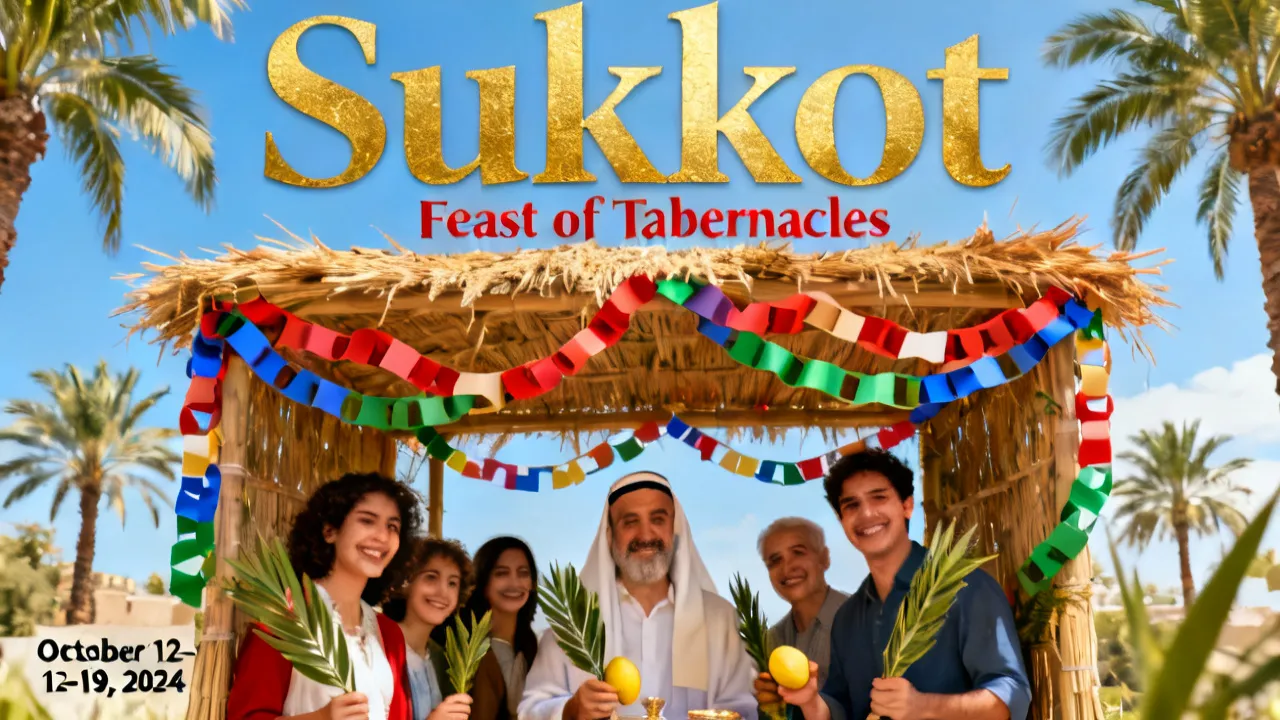
During the Jewish festival of Sukkot, celebrated approximately five days after Yom Kippur, the construction and decoration of a sukkah, a temporary hut, become integral parts of the observance. One notable decorative element is the Ushpizin poster, an artistic representation that holds a significant place in the holiday's customs and traditions. 'Ushpizin' refers to the invited spiritual 'guests' that are honored during Sukkot, symbolizing hospitality, faith, and community in Jewish culture. These posters serve not only as decorations but also as profound reminders of the rich historical and spiritual legacies that each of the ushpizin embodies.
The tradition of ushpizin stems from Kabbalistic teachings, which invite seven exalted guests, each representing a distinguished spiritual figure from Jewish history—Abraham, Isaac, Jacob, Moses, Aaron, Joseph, and David. These sacred visitors embody core values and virtues central to Jewish teachings and philosophy. For instance, Abraham represents kindness and hospitality, Isaac is associated with faith and submission, Jacob exemplifies perseverance and struggle, while Moses represents leadership and faithfulness to God. Aaron embodies peace and harmony, Joseph symbolizes integrity and resilience, and David represents kingship and deep spirituality. Each ushpizin carries its own narrative that encourages discussion and reflection during the Sukkot festivities.
Bringing these teachings to life, Ushpizin posters become a canvas for both artistic expression and educational purposes. Many artists strive to create illustrations that epitomize the individual traits of these figures not only through visual art but also through the inclusion of Hebrew text and symbols that are culturally significant. Symbols such as the Star of David, the menorah, and various motifs from nature often adorn these posters, enriching their visual appeal and linking them to broader Jewish themes of identity, resilience, and community.
Designers of Ushpizin posters blend traditional motifs with contemporary art styles, resulting in a wide range of visual representations available for enthusiasts and practitioners. Some artists take an avant-garde approach, utilizing modern techniques and style influences to reinterpret these traditional guests in innovative ways. Others opt for classical styles that resonate more closely with historical depictions found in ancient texts and scrolls. This integration of art and tradition invites a diverse audience to appreciate and engage with the rich cultural narratives that these figures represent.
Beyond aesthetics, Ushpizin posters serve educational purposes, often containing textual explanations of each guest's symbolic significance, stories from their lives, and relevant prayers or blessings. This dual functionality as both an art piece and a teaching tool fosters dialogue among families and friends during Sukkot, encouraging younger generations to engage with their heritage in meaningful ways. The exploration of these figures can lead to discussions about ethical and moral lessons that can be applied to modern life, illustrating the timelessness of these ancient teachings.
In today's practices, the use of Ushpizin posters extends beyond embellishment. They serve as tools for engaging younger generations and creating a tangible connection between contemporary families and their ancestral heritage. The incorporation of Ushpizin posters into Sukkot celebrations often prompts interactive family activities that revolve around storytelling. For example, families might gather around the sukkah to share stories about each ushpizin, allowing children to develop a deeper understanding of who these figures are and what they represent for Jewish identity.
Furthermore, themed activities related to these figures can enhance the overall Sukkot experience. Children can create their own posters or engage in crafts representing the virtues of each guest, thereby personalizing their connection to ushpizin and deepening their appreciation for the teachings associated with them. Some families use Ushpizin posters as a starting point for exploring concepts like kindness, leadership, and resilience, tying these discussions into broader lessons about interpersonal relationships and community involvement.
The diversity in Ushpizin poster designs is vast, catering to varied tastes and preferences. Some posters feature minimalist art and monochrome palettes, while others are vibrant with intricate patterns and colors. The physical materials used in the production of these posters can also vary, with some crafted from sustainable resources that reflect a growing awareness of ecological concerns within the Jewish community. The choice of materials can contribute to the overall aesthetic and thematic impact of the poster, influencing how families choose to display each piece within their sukkah.
Manufacturers often provide customization options, allowing individuals to personalize these posters to reflect family traditions or to align with the decor of their sukkah. Customizations can include adding names, family dates, or unique inscriptions that commemorate significant milestones, making these posters even more meaningful. Some families choose to use these artworks as yearly traditions, displaying variations as their family dynamics change or as children grow and take on new responsibilities within the festivities.
| Question | Answer |
|---|---|
| What is the primary purpose of an Ushpizin poster? | To enhance the spiritual and decorative ambiance of a sukkah by representing the visitors welcomed during Sukkot. |
| Can Ushpizin posters be used year-round? | While they are primarily for Sukkot, many choose to display them as artistic expressions of faith throughout the year. |
| Are there specific cultural nuances in Ushpizin poster designs? | Yes, designs often incorporate symbols and themes related to Jewish history and the spiritual significance of each ushpizin. |
| Where can one purchase Ushpizin posters? | They can be purchased from religious item retailers, both online and in physical stores that stock Jewish cultural artifacts. |
| How can families incorporate education into the display of Ushpizin posters? | Families might include discussions during Sukkot that explore the virtues of each ushpizin, allowing for shared storytelling and personal reflections related to Jewish values. |
| Is it possible to create DIY Ushpizin posters? | Yes! Families can engage in creative projects, designing their own Ushpizin posters that reflect personal significance and artistic style, further deepening their connection to the holiday. |
Ushpizin posters are more than just decorative items; they are a bridge connecting past traditions with present practices. By adorning their sukkah with these artworks, practitioners of the Jewish faith express both a reverence for tradition and an appreciation for artistic expression, celebrating Sukkot in a meaningful and visually engaging manner. This synthesis of spirituality, culture, artistry, and community exemplifies the living nature of Jewish tradition, inviting new interpretations and applications each year. As families gather around the sukkah, looking upon their Ushpizin posters, they are reminded of the unique narratives woven into the fabric of their history—stories that continue to inspire and inflame the spirit of hospitality, reflection, and unity.
The significance of Ushpizin posters extends beyond individual Sukkot observances and intertwines with broader themes of Jewish identity and cultural expression. Today, many artists recognize the power of these posters to communicate existential questions and cultural stories that resonate within the global Jewish community. These artistic endeavors not only celebrate tradition but also explore contemporary issues faced by Jewish families worldwide. By integrating modern artistic techniques into traditional representations, artists manage to bridge generational gaps and provide entry points for younger audiences to engage with their heritage.
Art exhibitions in Jewish museums often showcase this thriving artistic dialogue, demonstrating how Ushpizin posters have evolved over time, reflecting changes in societal attitudes and values. New materials and mediums—from digital art to textile crafts—are employed to produce innovative designs. This evolution speaks to the adaptability of Jewish customs in a rapidly changing world while maintaining rootedness in age-old traditions. Contemporary artists infuse their works with themes that address social justice, environmental stewardship, and interfaith dialogues, fostering inclusivity and building connections with people beyond the Jewish community.
As the Jewish diaspora expands across various continents, the celebration of Sukkot—and by extension, Ushpizin—takes on diverse forms that reflect the unique cultural contexts of local communities. In places such as Israel, North America, Europe, and South America, different styles of Ushpizin posters emerge. While the figures of the ushpizin remain consistent, the artistic interpretations and cultural motifs vary widely, displaying the rich tapestry of Jewish life around the world.
In Israel, for example, Ushpizin posters often incorporate vibrant local flora and fauna, reflecting the land's natural beauty and agricultural bounty, thereby deepening the connection to the land itself—a key component of Jewish identity. In North America, artists might draw inspiration from multicultural influences, blending Jewish themes with vibrant contemporary art styles that resonate with a diverse audience. Similarly, in Europe and South America, Ushpizin posters often reflect local histories and artistic styles while still honoring the traditional elements associated with Sukkot.
Looking forward, the role of Ushpizin posters in Sukkot celebrations may continue to evolve, particularly as technology offers new possibilities for interaction and engagement. Digital formats of Ushpizin posters are emerging, allowing for animated representations or interactive elements that can further educate and engage users. Virtual Sukkot experiences that incorporate Ushpizin themes create a platform for families to share commemorative practices and educational discussions with relatives scattered worldwide.
Moreover, social media platforms are becoming arenas where people share personal stories encouraged by the figures of the ushpizin, creating a global dialogue that underscores shared values and beliefs. These virtual spaces can serve as invaluable resources for individuals seeking to connect with their Jewish identity, share their family practices, and learn from others’ experiences, enriching the collective understanding of what it means to celebrate Sukkot and honor the ushpizin tradition today.
In essence, Ushpizin posters stand as living embodiments of Jewish history and spiritual values, continually adapting to the contexts in which they are placed, yet remaining firmly rooted in centuries-old customs. As families gather in their sukkahs adorned with Ushpizin posters, they are not just engaging in decoration but are participating in a cultural dialogue that spans generations and geographies. These artworks serve as vessels for education, interaction, and spiritual reflection. The celebration of Sukkot through Ushpizin not only commemorates the past but also enriches the present by inviting all generations to find meaning within the enduring traditions of the Jewish faith.
Striking the Perfect Balance: Navigating Premiums and Out-of-Pocket Expenses in Senior Insurance Plans

Explore the Tranquil Bliss of Idyllic Rural Retreats

How to Make Lasting Memories at Disneyland Attractions

Affordable Phones and Plans for Seniors

Affordable Full Mouth Dental Implants Near You

Unlock the Top Kept Secrets to Finding Your Ideal Dentist for Flawless Dental Implant Results!

Discovering Springdale Estates

Unveiling RS Sul Telecom Services

The Guide to Car Trading


Navigating Television to Understand Western Culture: A Beginners Guide
In today’s global society, understanding Western culture often comes from TV. Exploring TV shows provides rich insights into these norms and values.

Favorite Celebrity Couples: Where Are They Now?
In the world of glitter and glam, celebrity couples often captivate our imaginations. We admire their glamorous lifestyles, shared red carpet moments, and seemingly perfect relationships. But, as time passes, many of these high-profile couples take different paths. Let’s take a walk down memory lane and catch up with some of our favorite celebrity couples—where are they now?

Behind the Scenes of Popular Movies: Fun Facts You Didn’t Know
The magic of movies often lies in the seamless blend of storytelling, acting, and special effects that transport us into different worlds. But behind every great movie is a treasure trove of fascinating behind-the-scenes details that add even more layers to the films we love. Here’s a look at some fun facts from popular movies that you probably didn’t know!

Ultimate Guide to Traveling to Film Locations for Movie Enthusiasts
Are you a cinema aficionado interested in exploring captivating movie locations? Here’s your detailed guide on traveling to famous film locales around the globe.

Maximize Your TV Experience: Culture Through Television Shows
Television shows offer a deep dive into various cultures. Discover tips on choosing and enjoying shows that enrich your cultural understanding and enjoyment.

Maximizing Enjoyment of TV Shows in Western Culture
Watching television shows is a popular leisure activity in Western culture. To maximize your enjoyment and make the very out of this experience, follow these tips and advice.
