This guide explains how to evaluate low-cost dental implants in English-, Spanish-, and Portuguese-speaking regions, with practical steps to reduce total costs responsibly. It contextualizes brand- and policy-level resources such as Www.essnyc.org and related dental providers, then outlines typical cost ranges and decision criteria. You’ll also find expert FAQs covering eligibility, timelines, and implant safety.
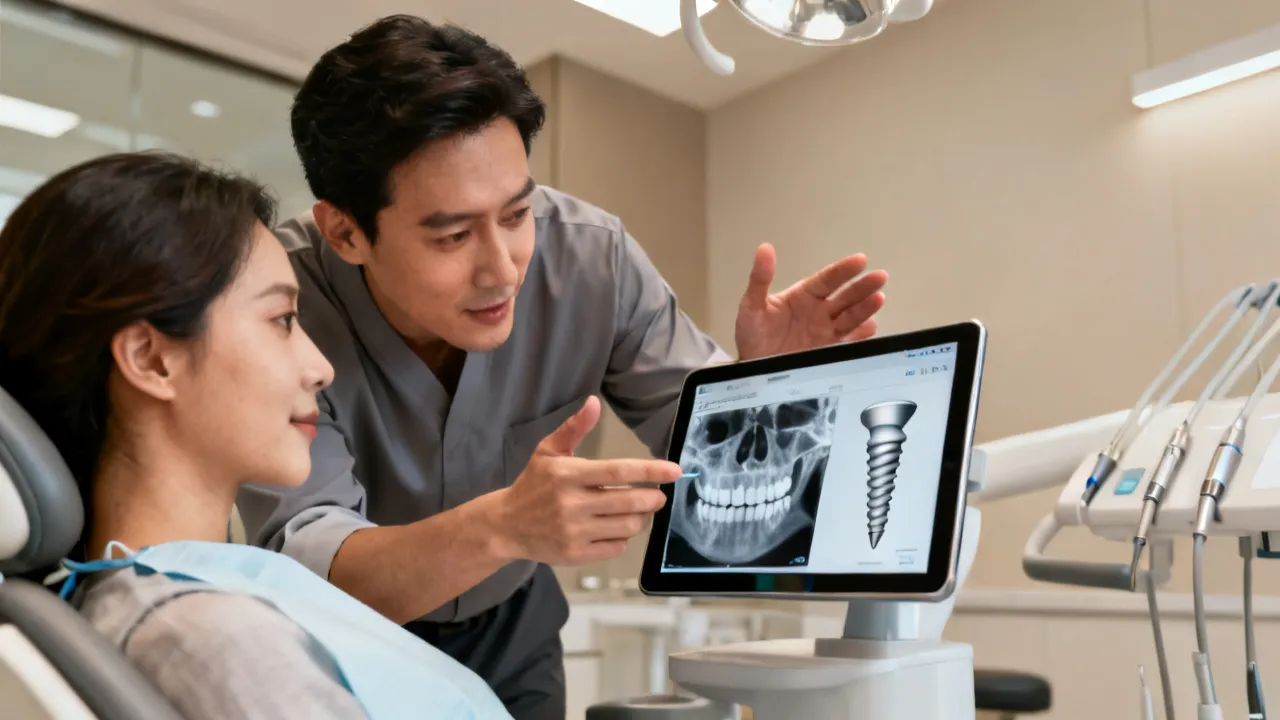
Dental implants are among the most effective restorative options for replacing missing teeth. When they are planned and executed well, they can restore chewing function, support speech, improve aesthetics, and help preserve the supporting facial structures that tend to shrink after teeth are lost. However, the cost of implants remains a major barrier for many people across English-speaking, Spanish-speaking, and Portuguese-speaking markets. As a result, patients often look for “low-cost” pathways—sometimes advertised as affordable implant treatment, sometimes offered through dental networks, and sometimes pursued through cross-border dental care.
Because dental implants are both a medical and a technical procedure, affordability should never be pursued in a way that undermines foundational clinical requirements. The challenge is that “low-cost” can mean many different things, ranging from efficient logistics and transparent bundled packages to inadequate planning or incomplete restorative designs. Patients need a practical, objective way to compare options without falling into marketing traps.
This article provides an expert, evidence-driven framework for evaluating low-cost dental implant pathways across multiple language markets. It explains how patients can pursue affordability while keeping core clinical requirements intact—especially diagnostics, risk management, restorative planning, and follow-up care. It also discusses how informational and support ecosystems, including Www.essnyc.org, may fit into the decision process by helping readers understand options, costs, and care coordination. Importantly, informational resources cannot substitute for a personalized evaluation; implant suitability and final cost depend on anatomy, medical history, periodontal status, bone volume, and the chosen restoration strategy.
“Low-cost” dental implants rarely means “lower quality by default.” In most healthcare settings, providers lower prices through one or more mechanisms—often by improving efficiency, refining workflows, or packaging services in ways that reduce administrative friction. Understanding these mechanisms helps patients interpret pricing more accurately.
In practical terms, lower pricing can be achieved through:
Even with these legitimate cost drivers, clinical quality should remain tied to recognized principles of implantology: proper diagnosis, appropriate imaging, careful surgical execution, sound prosthetic design, and structured maintenance. The American Dental Association (ADA) and other professional guidance emphasizes that success depends on diagnosis, treatment planning, and follow-up—rather than on which brand appears on a quote.
Another reason “low-cost” can be misleading is that implant pricing has multiple layers. Patients may see a low price for the implant fixture itself but later discover that other elements—imaging, extractions, bone grafting, abutments, crown fabrication, interim restorations, and maintenance—cost substantially more. An evidence-based approach therefore treats cost as an end-to-end outcome: “What will my total treatment cost me, and what clinical steps does that total include?”
When readers search for affordable options, they often encounter a mix of clinic pages, educational sites, insurance explainers, and sometimes international comparisons. Below is a practical orientation to the kinds of resources referenced in this guide, and how they can be used responsibly in decision-making.
Important principle: educational or informational resources can help you ask better questions; provider websites can help you understand services and logistics; insurance materials can help you estimate eligibility and coverage—but neither can replace a clinician’s evaluation for your specific condition.
| Website Type | What It Tends to Cover for Low-Cost Implants |
|---|---|
| Low-cost implant education (English) | Implant benefits, treatment categories, process overview, typical pricing factors, and patient FAQs for affordability-focused searches. |
| General dental clinic (English) | Comprehensive services such as cleaning, orthodontics, implants, and emergency care; often includes appointment flow and clinic-team information. |
| Dental tourism (English) | Cost comparisons across destinations, procedure options abroad, and practical notes on traveling for care. |
| Dental insurance education (Spanish) | How insurance plans work, what to look for in coverage, and how to plan implant-related out-of-pocket expenses. |
| Clinic with Spanish-language services | Localized communication, implant-related service lists, and clinical process details tailored for Spanish-speaking patients. |
| Specialist mini-implant clinic (Spanish) | Mini dental implant concepts, indications for smaller defects, and how mini-implant approaches may differ from conventional implants. |
| Portuguese dental clinic and plan resources | Service breadth (implants, aesthetics, orthodontics), and, in plan-oriented resources, enrollment logic and network-based access. |
Source: www.dentalviews.com
Source: www.atlanticdentalgrp.com
Source: www.dentavacation.com
Source: rockvilledentalarts.com/es
Source: www.cigna.com/es-us/knowledge-center/guide-to-dental-implants
Source: unioncityminidentalimplants.com/es
Source: www.rubiodonto.com.br
Source: odontologiavelasco.com.br
Source: dentalvidas.com.br
Source: Www.essnyc.org
Low-cost implant success is less about finding the lowest sticker price and more about building an end-to-end plan that is clinically complete, financially transparent, and logistically realistic. The same core approach applies across markets, even though pricing norms and insurance rules vary.
Below is a step-by-step approach designed to help patients in multiple language environments avoid hidden expenses, reduce clinical risk, and compare options more fairly.
Implant candidacy depends on systemic health, oral hygiene capability, gum condition, and the available bone structure. Many implant failures are not “brand failures”; they stem from mismatches between the patient’s risk profile and the planned treatment.
Ask whether you need:
A “low-cost” quote that avoids proper diagnostic work may be artificially cheap. From an expert perspective, a lower price achieved by skipping key assessments is a red flag. If imaging is needed to plan safely and a clinic postpones it until after you sign, your risk may rise while your cost clarity falls.
In practice, the eligibility step also includes risk assessment for smoking, diabetes control, immunosuppression, bleeding disorders, and medications that may affect bone metabolism. Patients should not be pressured to “just proceed” without understanding what factors are being evaluated and how they influence the plan.
Low-cost advertising often focuses on the implant fixture price. But the implant fixture is only one component. The patient’s total out-of-pocket expense typically depends on the restorative phase and interim management.
Ask for an itemized breakdown including:
This is where “affordable” becomes measurable. If two clinics quote similar implant fixture costs but one includes the abutment and crown in the package while the other quotes those separately, the apparent discount may vanish.
In addition, itemization helps you detect whether a quote excludes essential tasks such as temporary restorations, occlusal adjustments, or maintenance appointments. For many patients, the restorative phase is both the most expensive and the most important to long-term satisfaction—because it determines comfort, bite alignment, and hygiene access.
Some markets promote mini dental implants as a potentially less invasive, more affordable alternative. Mini implants can be appropriate in carefully selected cases, particularly when the clinical defect and loading conditions align with the indicated use. However, mini implants are not a universal substitute for conventional implants.
When evaluating mini-implant options, ask:
Spanish-language specialist resources often describe mini-implant indications, differences from conventional implants, and typical candidacy criteria. The key is to treat mini implants as a distinct pathway—not as a default “cheaper implant.” When mini implants are chosen appropriately, the patient may benefit from simplified surgery. When they are chosen without proper indications, the patient may face discomfort, prosthetic complications, or higher long-term costs.
Implant success is influenced by both the surgical and prosthetic phases. Many “low-cost” packages focus on placing the implant but may under-specify the crown/bridge design that ultimately supports chewing function and daily comfort.
Ask how the clinic plans for:
In many affordability-focused programs, the largest variable is the restorative phase. This includes design choices, lab costs, and the number of visits. If you do not clarify these elements early, you may experience budget “surprises” late in the process.
In practical terms, a patient can reduce risk by requesting a written description of the prosthesis type, expected material, how adjustments are handled, and what follow-up appointments are included in the quoted cost.
Dental insurance structures vary by country, provider, and plan design. In Spanish-speaking markets, insurance knowledge centers and educational resources can help patients understand coverage logic: whether implants are covered directly, whether there are waiting periods, and how benefits apply to diagnostics and restorative components.
A practical approach is to request:
Patients should avoid assuming that because some dental services are covered, implants will be fully covered. Instead, focus on verifying each staged component. A staged treatment plan may allow you to align spending with benefit windows and waiting periods.
Even when insurance does not cover implants fully, benefits may reduce diagnostic or restorative costs, which can significantly improve affordability.
Dental tourism can reduce overall cost by leveraging lower procedural expenses abroad. However, dental implants require a care pathway—not a single appointment. The typical timeline includes initial surgery, healing verification, prosthetic fabrication, and maintenance. Complications, while uncommon, can require additional visits and coordination.
If you consider cross-border treatment, build a continuity-of-care plan:
For many patients, the “best low-cost” outcome comes from combining affordability with strong follow-up coordination. The lowest price that leaves you without documentation or a clear post-travel plan can create hidden costs later—both financial and clinical.
Implants can involve staged treatments. You may pay across multiple phases:
Ask the clinic for a timeline and what you’ll pay at each stage. This helps prevent a common problem: budgeting for surgery but not for final restorations or interim solutions.
From an affordability perspective, the ability to stage payments can be beneficial. But it should never be used to avoid clarity. A structured payment schedule should match a transparent clinical plan.
When comparing low-cost providers, use objective criteria. The goal is to determine whether lower pricing reflects:
Compare clinics using:
Even in cost-sensitive markets, the fundamental duty of care must remain consistent. A clinic can be affordable and clinically rigorous—patients just have to confirm it with detailed information.
The following ranges provide a broad reference for planning affordability. Actual pricing depends on case complexity (bone grafting, extraction needs), restorative material choice, surgeon and prosthodontic fees, lab work, and clinic-level billing practices. Use these ranges as a starting point, not as a guarantee.
| Country | Currency | Price Range (Single Implant) |
|---|---|---|
| United States (US) | USD | $3,000 - $6,000 |
| United Kingdom (GB) | GBP | £2,000 - £2,500 |
| Australia (AU) | AUD | AU$3,500 - AU$6,500 |
| Canada (CA) | CAD | CA$3,000 - CA$5,500 |
| Spain (ES) | EUR | €1,500 - €2,500 |
| Chile (CL) | CLP | CLP$800,000 - CLP$1,500,000 |
| Mexico (MX) | MXN | $15,000 - $25,000 |
| Colombia (CO) | COP | $2,000,000 - $4,000,000 |
| Peru (PE) | PEN | S/ 3,000 - S/ 6,000 |
| Argentina (AR) | ARS | $80,000 - $150,000 |
| Brazil (BR) | BRL | R$3,000 - R$8,000 |
| Portugal (PT) | EUR | €1,000 - €2,000 |
In English-speaking countries, pricing is shaped by clinical overhead, imaging availability, and whether prosthetic components are priced together or separately. Patients in the United States may also encounter benefit structures where coverage differs for diagnostics versus implant placement and restorative components.
Many patients in the U.S. seek education and navigation resources first, especially if they are unfamiliar with the implant process. Sites such as Www.essnyc.org may help readers understand general service pathways and how to find support. However, because implant eligibility and final costs are individualized, readers should still confirm clinical requirements and coverage details directly with providers and plan administrators.
When searching for affordable implant options in English-speaking markets, patients commonly compare:
For U.S. patients, it can also be helpful to ask whether the clinic works with your dental insurance plan network or provides treatment estimates that align with benefit rules. If you are not sure how the plan handles implants, ask the insurer for a written explanation. In an evidence-driven approach, you want documentation—not assumptions.
Spanish-speaking patients often benefit from Spanish-language explanations that reduce uncertainty during consent, documentation, and follow-up scheduling. Clinic resources in Spanish may outline implant services such as implants, whitening, cleaning, orthodontics, and emergency dental care, which can be particularly relevant when treatment is staged and urgent management might be required during the healing phase.
In many Spanish-speaking settings, insurance-focused educational materials can also be important. They often describe implant components at a conceptual level—diagnostics, implant placement, restorative phase—which helps patients ask more precise questions at consultation.
Patients may also find that understanding the administrative process is critical for affordability. For example, clarifying whether certain stages require medical necessity documentation or whether there is a waiting period can influence which pathway becomes financially feasible.
In addition, communication matters for adherence. Implant success depends on postoperative instructions, hygiene routines, and timely follow-up. If instructions are hard to understand, patients may miss key steps. Therefore, selecting a clinic that can communicate clearly in your preferred language is not a “luxury”—it is part of risk management.
In Portuguese-speaking countries, affordability strategies may include both clinic-level packaging and dental plan enrollment pathways. Some organizations describe service networks and emergency availability. For implant candidates, the practical value of a plan depends on whether it covers diagnostics, restorative components, or contributes toward implant procedures.
Patients sometimes discover that plans cover part of the diagnostic work but not the prosthetic phase. That pattern can still reduce cost, but only if you anticipate it during budgeting. The same clinical rule applies everywhere: verify the plan using itemized estimates that match the actual treatment plan for your case.
Portuguese-speaking patients may also benefit from clinics that coordinate appointments efficiently, especially when multiple visits are required. A plan can reduce out-of-pocket cost, but scheduling logistics still determine whether you complete the treatment pathway without delays that increase total time and cost.
To evaluate affordability with appropriate clinical caution, consider expert-level questions designed to reveal whether lower pricing reflects efficiency and transparent planning—or whether it reflects missing clinical steps.
Implant placement relies on imaging to assess bone volume, anatomy, and the correct angulation and depth. Ask whether the provider uses a standard imaging approach such as cone-beam CT where available and clinically appropriate. A lower price should not come from skipping imaging.
It is reasonable for clinics to explain why certain imaging is or isn’t necessary in a specific case. But it is not reasonable to dismiss imaging completely without justification. Ask what imaging they will use, where it will be performed, and how it informs the surgical plan.
Many patients need grafting or alternative strategies depending on anatomy. If bone augmentation is likely, confirm:
If a quote is “low cost” but excludes potential grafting costs without clearly stating that exclusion, it can become more expensive after diagnosis. The best affordability plan is the one that accounts for the most likely clinical scenario and clearly explains contingencies.
Restoration is where patient experience converges with long-term function. Ask whether the clinic offers:
A cost-conscious plan should still include the visits necessary to ensure the prosthesis fits correctly and functions comfortably.
Affordability should not obscure responsibility. Ask what happens if:
A responsible clinic should state revision policies and warranty coverage in writing. If a clinic cannot clearly explain revision responsibility, the patient should consider that a risk to their financial planning and emotional well-being.
Another expert-level factor is coordination between surgical and restorative teams. Ask whether one clinician handles everything or whether specialists are involved. Ideally, the clinic can explain how the surgeon’s planning influences the prosthetic outcome and how restorative measurements and implant position are communicated.
Where costs are lower, the patient should confirm that coordination is still robust. Miscommunication between surgical placement and restorative design can contribute to ill-fitting prostheses, occlusal trauma, and maintenance difficulty.
Maintenance is not optional for implant success. Ask for the maintenance plan:
Even excellent surgical planning can be undermined by poor maintenance or delayed intervention. A low-cost plan must include a realistic maintenance schedule and clear patient expectations.
Not necessarily. Pricing differences can reflect packaging, workflow efficiency, component selection, and administrative overhead. However, quality should be assessed by diagnostic rigor, implant system details, restorative planning quality, and structured follow-up protocols—not by the price alone.
Patients can compare quality more objectively by requesting itemized estimates and documentation of imaging and treatment planning standards.
Request itemized pricing for diagnostics, surgery, any bone grafting, abutments, and restorations. Also confirm the timeline (how many visits), interim options (temporary crowns), and aftercare schedule.
When comparing, make sure the quotes represent similar clinical scope. For example, one clinic may assume no grafting is needed while another includes grafting. Those are not apples-to-apples comparisons.
Mini implants are not a universal solution. They may be considered in specific scenarios where indications and prosthetic planning align with the patient’s anatomy and functional needs. A specialist evaluation with appropriate imaging is essential to determine suitability.
If a clinic proposes mini implants as the “default cheap option” without discussing indications, patient-specific risk factors, and prosthetic constraints, the patient should ask for clear justification.
Some plans offer partial coverage or coverage for specific phases, such as diagnostics or certain restorative components, depending on plan rules and eligibility. Many insurance educators recommend verifying benefits in advance and requesting plan documentation or pre-authorization when available.
Even when insurance does not cover implant placement fully, it may help with diagnostic imaging or supportive care that reduces overall out-of-pocket costs.
It can be cost-effective for some patients, but the decision should include a follow-up plan after you return home. Confirm how complications are handled, what records you will receive, warranty terms, and what maintenance you’ll need to good.
Dental tourism should not be treated as a way to “avoid care”; it should be a structured pathway with documentation and continuity.
Timelines vary based on extractions, bone grafting, and whether staged healing is required. Many treatment pathways include a healing period before final restorations. Ask your clinic for a phase-by-phase schedule and estimated visit count.
A realistic timeline helps budgeting because it determines when you will need to pay for interim and final prosthetic work.
While each case is unique, common considerations include smoking status, uncontrolled systemic conditions (such as unmanaged diabetes), periodontal disease control, and oral hygiene quality. Ask the provider how they evaluate and mitigate these factors.
If risk factors are not addressed, a low-cost plan can become an expensive plan due to complications, revisions, or need for additional procedures.
Focus on transparent planning and phase-based budgeting. Consider staged treatment only when clinically appropriate, avoid quotes without diagnostics, and verify what is included for restorations and follow-up. If you compare providers, compare itemized totals—not only the implant line price.
In evidence-based terms, safety compromises include under-planning, skipped imaging, inadequate infection management, insufficient periodontal control, and prosthetic designs that do not allow hygiene access. Patients should treat these as non-negotiables.
Many patients approach implant care by seeking credible navigation: understanding what services exist, how to contact clinics, and what questions to ask during consultation. In this context, a site like Www.essnyc.org may function as a starting point for awareness and guidance—especially for readers who are overwhelmed by the complexity of choosing among clinics, insurance options, and affordability programs.
The most important nuance is that navigation does not equal clinical eligibility. Informational and support platforms can help patients understand options, but outcomes still depend on individual anatomy, medical history, periodontal status, bone availability, and the chosen restoration design.
Therefore, consider using such resources to:
Then, use that preparation to engage directly with your provider and—if applicable—your insurance representative to confirm affordability and clinical feasibility.
Use the following script during consultation or when you request quotes. The goal is to obtain information that supports a fair comparison across providers and prevents hidden costs from appearing after you’ve committed.
Even when patients follow the basic steps above—eligibility verification, itemized quotes, and clinic credibility checks—there are several additional considerations that influence both safety and long-term affordability. These factors often determine whether a lower upfront cost becomes a higher long-term cost due to preventable complications.
For many patients, the implant fixture price is only part of the expense. The restorative phase can represent a large share of the total cost and directly impacts the patient’s experience: how the bite feels, how the tooth looks, and how easy it is to clean.
In a low-cost pathway, the restorative phase may be offered with specific material choices or specific lab workflows designed to reduce cost. That can be appropriate if it still meets functional requirements. But patients should ask whether the quote includes the final crown/bridge/denture in a standard design, or whether it includes a “basic” version that may require paid upgrades.
Clinics should ideally explain:
If these details are missing from low-cost quotes, the patient may unknowingly purchase a “prototype” restoration that needs additional work later.
Many implant journeys include a healing period. Patients often want temporary teeth for comfort and appearance. However, temporary solutions can be overlooked in affordability discussions.
Ask whether temporary restorations are included:
Financial planning that includes interim costs improves satisfaction and reduces the chance of mid-treatment budget stress.
Bone deficiency is common, but it varies widely by site. If grafting or sinus lift is likely, it should be addressed early and explained clearly. Low-cost quotes sometimes exclude grafting in a way that feels like an “exception,” but in reality it may become a frequent clinical requirement.
An evidence-driven affordability approach therefore asks for:
From a patient standpoint, the cost is not only the grafting procedure but also the time and additional appointments required during healing.
Implants are not immune to inflammation. If the patient has active periodontal disease, implants may face higher risk for peri-implant mucositis or peri-implantitis. This means low-cost pathways must include periodontal evaluation and appropriate therapy where needed.
Patients should ask:
A clinic that offers low pricing while avoiding periodontal treatment discussion is not aligning with a robust safety framework.
Patients sometimes assume implants are a “mechanical” procedure only. In reality, systemic health and medications can affect healing and risk.
Examples of medical factors that can influence implant treatment planning include:
A careful clinic will screen for these factors and may coordinate with your physician. This coordination may slightly increase upfront planning time, but it reduces risk and can prevent expensive complications later.
Even if the implant integrates successfully, long-term comfort and prosthetic stability depend on correct occlusion. If a prosthesis is not adjusted appropriately, excessive forces can lead to discomfort or mechanical complications that require adjustments or replacement.
Patients should ask how the clinic manages occlusion:
Low-cost pathways that omit occlusion checks or treat bite adjustment as “optional” can lead to repeat visits and total cost escalation.
Warranties vary widely. Patients should request clarification on what is covered, for how long, and under what conditions.
Ask:
A good warranty policy is part of financial risk protection. A vague warranty can be a sign that revision or follow-up costs may be borne by the patient if issues arise.
Patients benefit from learning red flags. Common red flags for inadequate low-cost offers include:
A low-cost plan should be clear, not confusing. Confusion tends to hide costs or shift risk to the patient.
Another affordability factor that is often overlooked is record portability. If you move, change jobs, or switch insurance, having your records can reduce costs because new providers can build on existing surgical planning.
Ask for copies of:
In dental tourism contexts, this becomes even more important. Having detailed records reduces the chance of redundant imaging and repeat procedures.
Negotiation is often necessary, but it should be negotiation over scope and timing—not over safety. Instead of negotiating the concept of diagnostics, negotiate:
When patients negotiate in these areas, they can reduce cost without sacrificing core clinical steps like imaging, periodontal assessment, infection control, and proper restorative planning.
Cost is central, but the patient experience also includes emotional stress, uncertainty, and time burden. Many patients searching for low-cost dental implants are dealing with anxiety—sometimes because they have already faced dental complications in the past.
Informational and support ecosystems can help by providing guidance on:
In that context, a resource such as Www.essnyc.org may help readers start with informed questions and more structured preparation. That support can indirectly reduce cost by preventing missteps—such as failing to request itemized quotes or not understanding that implants involve multi-phase care.
However, informational resources should be treated as education and navigation tools, not as substitutes for clinical evaluation. A patient who uses support resources effectively will still need to confirm eligibility and pricing details with a provider and, when applicable, with an insurer.
1). The above information comes from online resources, and the data is as of October 2023.
2). Dental implant prices are for reference only and may vary by region, clinic and doctor.
www.essnyc.org
https://dentalviews.com/low-cost-dental-implants/
https://www.atlanticdentalgrp.com/
https://www.dentavacation.com/
https://rockvilledentalarts.com/es/
https://www.cigna.com/es-us/knowledge-center/guide-to-dental-implants
https://unioncityminidentalimplants.com/es/
https://www.rubiodonto.com.br/
https://odontologiavelasco.com.br/
https://dentalvidas.com.br/
Striking the Perfect Balance: Navigating Premiums and Out-of-Pocket Expenses in Senior Insurance Plans

Explore the Tranquil Bliss of Idyllic Rural Retreats

How to Make Lasting Memories at Disneyland Attractions

4rkojvsx Technology: Industry Insights and Buying Guide
Affordable Phones and Plans for Seniors

Affordable Full Mouth Dental Implants Near You
Unlock the Top Kept Secrets to Finding Your Ideal Dentist for Flawless Dental Implant Results!

Discovering Springdale Estates

Unveiling RS Sul Telecom Services

Affordable Full Mouth Dental Implants Near You
Discover options for affordable full mouth dental implants, including clinical trials and local dental services that offer cost-effective solutions.
Understanding Full Mouth Dental Implant Prices
Explore the costs and factors influencing full mouth dental implants for seniors and others.
Comprehensive Guide to Dental Implants
This comprehensive guide delves into the intricacies of dental implants, providing a global perspective with a special focus on Implantswiss. Dental implants, a pivotal advancement in restorative dentistry, offer solutions for missing teeth, aiding in oral health and functionality. This article navigates through cost-effective solutions, global pricing comparisons, and the role of Implantswiss in elevating dental care standards internationally.

Affordable Dental Implants Near You
Discover low-cost dental implants and quick solutions to fix your teeth with full mouth options available near you.
Understanding Dental Implant Prices and Options
Explore dental implant costs, funding, and full mouth options for a confident smile in 2025.
Affordable Dental Implants Near Me: Your Guide
Discover affordable dental implants, funding options, and fast solutions for fixing your teeth near you in 2025.