Digital Dentistry in Orthodontics is reshaping how clinicians plan and deliver braces and aligner treatments using 3D imaging, CAD/CAM workflows, and data-driven monitoring. This guide explains the background of digital orthodontics and why it matters for accuracy, communication, and coordinated care across dental teams, including considerations for affordability and implant-adjacent planning in international care pathways.
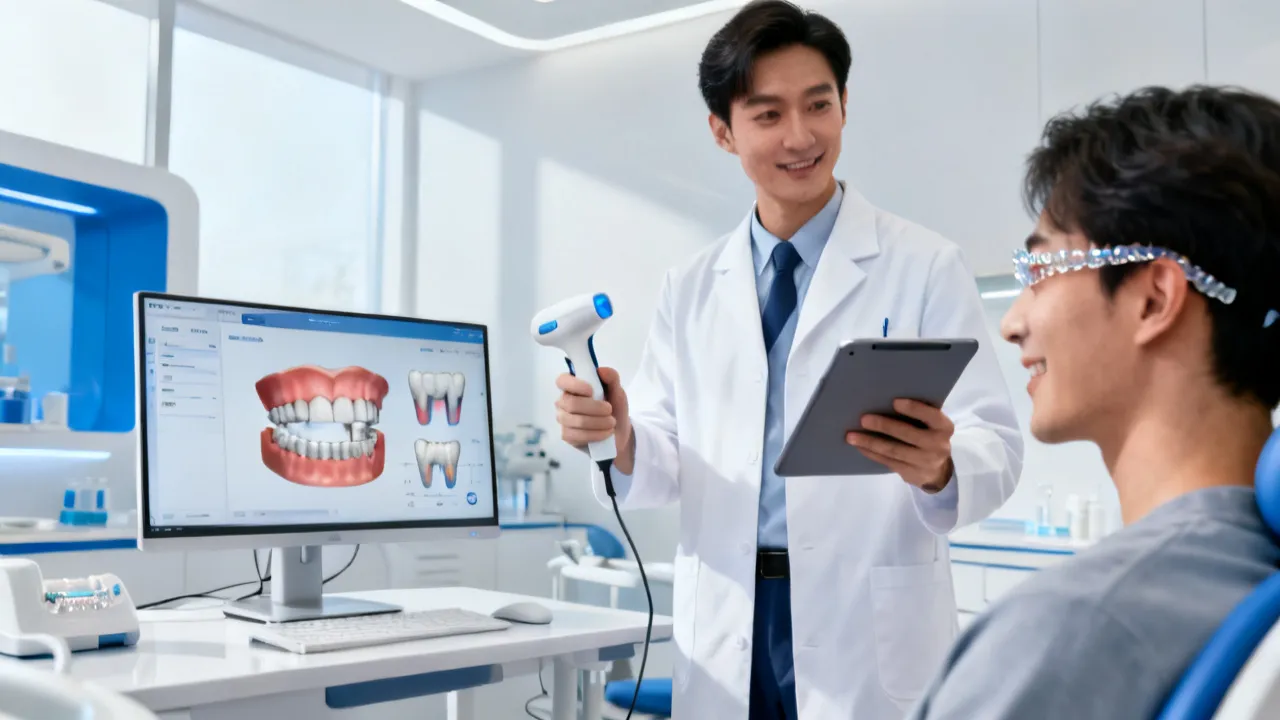
Digital Dentistry in Orthodontics helps orthodontic teams design treatments with 3D records, simulation-based planning, and digital manufacturing workflows—supporting more consistent results and clearer communication from diagnosis through retention. For patients, this often means fewer in-person steps for record-taking, better visualization of expected tooth movement, and smoother coordination among orthodontists, restorative dentists, and lab technicians.
From an expert perspective, the real value is not “technology for its own sake,” but clinical decision support: when digital records are accurate and protocols are sound, clinicians can document baseline anatomy, plan force systems, and track changes over time with greater repeatability. When those fundamentals are in place, digital orthodontics can also improve workflow efficiency—reducing re-takes, improving lab communication, and making it easier to document what was planned versus what happened.
Digital dentistry in orthodontics is also timely because patient expectations have changed. People increasingly expect predictable, clearly explained care pathways, and many prefer technologies that reduce discomfort and uncertainty. In parallel, orthodontic practices face operational pressures: staffing shortages, longer wait times, and growing demand for multidisciplinary collaboration. Digital workflows can help address these challenges by standardizing record capture, improving treatment monitoring, and enabling faster data exchange between care providers.
Digital orthodontics typically includes a combination of:
Even where workflows vary, the principle is consistent: digital data should improve clinical clarity—documentation, precision, and predictability—without compromising patient safety, comfort, or evidence-based treatment selection. Importantly, “digital” does not automatically mean “better.” A digital approach is only as good as the quality of the data, the appropriateness of the indications, the clinician’s understanding of biomechanics, and the reliability of the manufacturing and monitoring process.
In practice, “digital” can also mean something narrower, such as adopting intraoral scanning for records while still using conventional diagnostic wax-ups or mixed appliance strategies. Conversely, some practices run fully digital aligner pipelines, where records, planning, and manufacturing are integrated. The most relevant question is whether the practice has a coherent protocol that turns digital inputs into safe, clinically meaningful decisions.
Because orthodontics is inherently time-dependent—teeth move through biological and mechanical processes—digital tools become particularly valuable when they are used to document changes and guide adjustments as treatment progresses. That means the “digital loop” should ideally include baseline records, a planning step, appliance fabrication, progress verification, and then a retention plan that is documented and built from the same digital foundation.
Digital workflows can improve outcomes, but only when several requirements are met:
When these conditions are met, the benefits extend beyond “better visuals.” Digital orthodontics can enhance:
However, clinicians should also recognize that digital workflows can introduce their own failure modes. For instance, if a scan is missing key areas, software may fill gaps in ways that appear plausible but are clinically misleading. If the bite registration is off, alignment may be simulated on an incorrect occlusal plane. If progress scans are captured inconsistently, changes may reflect differences in scanning rather than actual tooth movement.
Therefore, robust digital orthodontic care includes quality control steps: standardized scanning protocols, clear patient positioning instructions, confirmation of occlusal registration, and a consistent approach to progress scan capture. In many high-quality practices, there is an explicit process for handling “bad scans” (repeat capture) rather than attempting to force a flawed dataset into a plan.
Orthodontic treatment sometimes intersects with dental implant planning—especially when missing teeth require replacement or when alignment affects prosthetic space and occlusion. In many English- and multilingual care pathways, patients also consider cost-management strategies such as insurance, negotiated pricing, or travel for dental services.
For example, platforms and clinics that focus on low-cost dental implants and dental tourism can influence how patients frame total care budgets. While orthodontic biomechanics should never be compromised, it is increasingly common to see patients coordinate orthodontics with restorative steps so that timing and spacing support eventual prosthetic needs.
Orthodontics may be used to close spaces, open spaces, or control the position and angulation of teeth before a prosthetic phase. If a prosthetic replacement is planned with an implant, the location and spacing of adjacent teeth can influence implant feasibility, periodontal aesthetics, and occlusal harmony. Digital planning can help quantify these space and position changes over time and can improve interdisciplinary communication.
At the same time, “affordability” can be complex. Patients may see implant packages advertised at lower prices and may try to reduce overall spending by combining services in different settings or countries. When this happens, the risk is not only financial; it can involve misalignment between orthodontic and restorative timelines. For example, extracting teeth prematurely or mismanaging space closure can make later implant prosthetics more difficult or require additional corrective work.
As background, websites such as Dental Views emphasize affordable implant options and explain the implant process and pricing structure, while general clinic networks like Atlantic Dental Group outline comprehensive services that may include orthodontics and implants. Dental tourism resources like DentaVacation provide cost comparisons and logistics considerations for patients seeking lower treatment costs abroad. Insurance-oriented guidance is also relevant: ADHP (American Dental Health Plans) is an example of an approach that helps patients reduce out-of-pocket costs through coverage planning.
When patients compare these resources, it is helpful to understand that implant cost discussions may not include the orthopedic and orthodontic preparation that can be required for long-term stability. A well-coordinated plan may be more expensive upfront but can reduce the likelihood of redoing prosthetic work. Digital orthodontics can support this coordination by providing detailed records of tooth movement and arch form changes, which restorative dentists can use for treatment planning.
Below is a practical sequence that reflects common industry protocols. Exact steps differ by clinic, appliance type (aligners vs. braces), and diagnostic needs.
To make this process truly clinically valuable, practices usually define “decision points.” For example, they may decide in advance at what progress interval they will rescan for aligner refinement, or what clinical thresholds will trigger an adjustment for fixed appliances. Without such protocols, digital monitoring can become inconsistent and less meaningful.
Another practical consideration is that orthodontists often combine digital tools with tactile and clinical evaluation. Even with 3D scans, clinicians still check periodontal status, tooth mobility, overjet/overbite, mandibular movement, and functional occlusion. Digital orthodontics should not replace these assessments; rather, it should enhance documentation and planning.
Because digital dentistry involves storing and transferring sensitive health information, clinics should apply appropriate privacy and security practices. Patients should ask how images and scans are stored, whether data are shared with labs, how long records are retained, and how access is controlled.
Key practical points include encryption during transfer, role-based access to files, and clear consent about third-party processing. Many practices also maintain a data retention policy that aligns with local regulations and clinical governance, including when records are archived or deleted.
From an expert standpoint, transparency is part of quality care. Good digital orthodontics is not only about better scans—it is also about clear communication: what the plan intends to accomplish, what uncertainties exist, and what monitoring schedule is used to manage risk.
Patients often benefit from seeing a simplified explanation of “what happens to their data.” A helpful communication approach includes:
In a well-run digital orthodontic clinic, communication also addresses the limitations of technology. For example, software can simulate tooth movement, but biology is variable. Reminding patients that plans can be refined helps build realistic expectations and improves adherence to follow-up visits—both of which strongly influence outcomes.
When patients explore affordability, they frequently compare:
Because orthodontics is a process with time-dependent changes, the “low price price” may not reflect the total value if monitoring, retention, or refinement is under-provided. The safest approach is to compare complete care pathways rather than a single line item.
International comparisons also introduce practical differences that patients may not anticipate:
Digital workflows can either help or worsen these differences. They help when standardized protocols are used and data can be transferred reliably between providers. They can worsen outcomes when data formats are incompatible, when records are not complete, or when a new provider must “start over” because previous digital records are insufficient for planning decisions.
The following comparison is provided to help readers understand how some online resources describe low-cost implant options. Note that these sites may target different audiences (e.g., dental tourism, affordability-focused guidance, clinic listings, or insurance navigation) and should not be treated as clinical endorsements.
| Website focus | What you typically find |
|---|---|
| Dental Views (low-cost implant guidance) | Explains dental implant benefits, procedure basics, types of implant-related treatments, and cost-related FAQs for affordability-minded patients. |
| Atlantic Dental Group (clinic service overview) | Clinic-based information across general dentistry and specialty care (including orthodontics and implants), emphasizing appointment access and provider information. |
| DentaVacation (dental tourism) | Cost comparisons and travel/treatment coordination guidance for patients considering procedures abroad to reduce expenses. |
| ADHP / insurance navigation example | Insurance plan guidance that helps patients evaluate coverage options to reduce out-of-pocket costs. |
In the context of implant planning, these resources often discuss pricing and logistics. But patients comparing options should look beyond advertising and confirm clinical specifics: implant system documentation, bone graft criteria, sterilization protocols, informed consent details, and the plan for long-term maintenance. For implant-adjacent orthodontics, patients should also confirm how orthodontic goals will be integrated, especially if space creation or occlusal changes will affect prosthetic design.
source: [www.dentalviews.com](https://dentalviews.com/low-cost-dental-implants/)
source: [www.atlanticdentalgrp.com](https://www.atlanticdentalgrp.com/)
source: [www.dentavacation.com](https://www.dentavacation.com/)
source: [rockvilledentalarts.com (ADHP reference page)](https://rockvilledentalarts.com/es/)
Implants are not orthodontics, but implant costs often shape overall affordability decisions for patients who may need prosthetic replacement and space planning. In many regions, patients pursue lower costs through a combination of planning steps:
The ranges below provide a reference for what patients may encounter for an individual dental implant in the specified markets. Real quotes depend on clinical needs (bone quality, need for grafting, crown type) and whether prices include the restoration components.
| Country | Currency | Price range (individual implant) |
|---|---|---|
| United States (US) | USD | $3,000 - $6,000 |
| United Kingdom (GB) | GBP | £2,000 - £2,500 |
| Australia (AU) | AUD | AU$3,500 - AU$6,500 |
| Canada (CA) | CAD | CA$3,000 - CA$5,500 |
| Spain (ES) | EUR | €1,500 - €2,500 |
| Chile (CL) | CLP | CLP$800,000 - CLP$1,500,000 |
| Mexico (MX) | MXN | $15,000 - $25,000 |
| Colombia (CO) | COP | $2,000,000 - $4,000,000 |
| Peru (PE) | PEN | S/ 3,000 - S/ 6,000 |
| Argentina (AR) | ARS | $80,000 - $150,000 |
| Brazil (BR) | BRL | R$3,000 - R$8,000 |
| Portugal (PT) | EUR | €1,000 - €2,000 |
| Germany (DE) | EUR | €2,000 - €3,500 |
| France (FR) | EUR | €1,500 - €2,500 |
| Italy (IT) | EUR | €1,500 - €3,000 |
| Japan (JP) | JPY | ¥300,000 - ¥700,000 |
These reference values can be helpful for budgeting but should not be treated as guarantees. Many implant costs scale based on the need for grafting, sinus lifts, surgical complexity, and the type of final prosthetic restoration. Patients should also consider the cost of long-term maintenance, including hygiene visits and any potential future prosthetic replacements.
Even when implants are not the immediate goal, orthodontic outcomes depend on prosthetic planning logic: space creation, angulation control, and occlusal alignment can influence how easily a missing tooth can be replaced later.
When patients seek affordability for implants, orthodontists can help by coordinating the timing of tooth movement with future restorative phases, thereby reducing the likelihood of redoing work due to misalignment between orthodontics and prosthetics.
For example, if a patient is missing a tooth and the plan includes an implant restoration later, orthodontics might create the proper mesio-distal space and align adjacent teeth so that the future implant crown has adequate space and suitable emergence profile. Digital planning can document these changes and provide restorative dentists with an objective record. It can also help ensure that the aligner or bracket positioning supports root-safe mechanics, rather than focusing only on crown alignment.
Digital workflows can also support interdisciplinary consent. Patients can better understand why orthodontic treatment may take longer than they expected, especially if the timing is tied to a prosthetic plan. When patients understand the rationale, compliance and follow-up attendance improve—both of which reduce the risk of delays and additional costs.
Digital dentistry has limitations that clinicians manage through protocols:
A responsible digital orthodontic practice treats simulation as a guide and uses clinical check-ins to confirm that reality matches planning. In other words, digital orthodontics should be “verified,” not merely “generated.”
Clinicians also need to manage additional practical limitations:
These risks do not mean digital orthodontics is unsafe. They mean that digital systems require governance, protocols, and a clinically oriented approach. When those conditions are present, digital tools can improve consistency and documentation while maintaining patient-centered care.
Many patients associate “digital dentistry” with aligners, and there are genuine reasons aligners benefit from digital workflows. Aligners are manufactured based on virtual staging sequences, so digital records are used directly to create appliance shapes and transitions.
However, aligner therapy also highlights why clinical responsibility remains essential:
Digital monitoring can improve aligner therapy by allowing clinicians to evaluate where movement has stalled, rather than relying only on visual observation. But scan capture technique matters. If a patient’s dentition changes between scan captures (e.g., attachments debonding, new spacing, partial breakage of aligner seating), the digital record may reflect those factors—or may not reflect them if the scan is poor.
Clinicians also have to manage “over-treatment” risks. A software system may predict aggressive movements to reach the target quickly. In reality, excessive movement can increase discomfort, raise risk of root resorption, or compromise periodontal health. Responsible digital planning involves selecting movement magnitudes that are reasonable biologically and aligning them with retention expectations.
Even for braces, digital dentistry can contribute significantly. While fixed appliances are not usually fabricated directly from digital models in the same way aligners are, digital models still influence:
However, fixed appliance orthodontics still depends strongly on clinical skill and follow-up. Bracket fit, archwire selection, torque control, and incremental adjustments must be guided by examination and clinical response—not only by the digital model. Digital tools can improve setup and documentation, but they do not replace the clinician’s need to evaluate actual tooth movement, periodontal health, and functional occlusion.
Patients usually cannot evaluate scanner accuracy or software processing. But they can ask questions that reveal the clinic’s maturity and quality control culture. Useful questions include:
From a patient perspective, the quality of digital orthodontics becomes visible in the clinic’s communication style. If the clinic uses digital tools but cannot explain the plan clearly, or if they treat technology as a marketing badge rather than a clinical decision support system, the patient should be cautious.
Retention is often underestimated in orthodontic planning. It is also where digital dentistry can offer meaningful advantages because retainer fabrication depends on stable baseline records and predictable fit.
Digital records help clinicians:
But digital retention still relies on patient adherence. Without proper wear schedules, teeth can drift regardless of how well the retainer fits. In a good digital orthodontic practice, the retention phase includes education, follow-up reviews, and a plan for what happens if the patient loses retainer effectiveness or if minor changes occur over time.
Clinicians also need to be realistic: retention is not only about alignment. It can also involve stability of occlusion, control of bite changes, and long-term periodontal health. Digital records can help document baseline occlusion and contact quality, but the clinician’s ongoing role remains essential.
Many patients choose digital orthodontics expecting less discomfort. Intraoral scanning can reduce the gag reflex associated with conventional impressions, and scanning may be faster for some patients.
However, comfort is not guaranteed. Patients may experience:
A high-quality digital clinic typically supports comfort with chair positioning, brief breaks, patient coaching, and scanning protocols tailored to gag reflex and sensitivity. The best digital experiences are the ones where scanning is treated as a clinical procedure with patient comfort as a priority, not just as a technical step to be rushed.
CBCT is frequently discussed in digital orthodontics, but it is not an automatic requirement. CBCT exposes patients to radiation, so the decision must be justified by expected diagnostic benefit.
CBCT may be indicated when:
When CBCT is indicated, digital planning can integrate 3D relationships more effectively than 2D measures alone. But clinicians should still consider that software predictions and images do not replace clinical evaluation. CBCT can add value, yet it should be used carefully and only when it changes decisions.
In many routine orthodontic cases, intraoral scanning and clinical exam can be sufficient without CBCT. Digital workflows should not force CBCT usage; rather, they should support appropriate selective imaging.
Digital orthodontics becomes especially powerful when care is multidisciplinary. In implant-adjacent cases, orthodontists coordinate with restorative dentists and sometimes surgeons. Digital records can facilitate that coordination by making tooth positions easier to understand and transfer.
For example, restorative dentists may need to plan the location and emergence profile of a crown. The success of that plan depends on:
Digital records can streamline these discussions. However, data transfer must be reliable. Practices should clarify which file formats they export, whether the receiving provider can use them directly, and whether additional scanning is required.
Where affordability and dental tourism are involved, the coordination becomes more challenging. Patients may travel for an implant procedure while leaving orthodontics at home. If so, communication gaps can lead to mismatch. Patients should request written treatment plans, and ideally, they should ensure that orthodontic and implant phases are integrated into a single sequence rather than treated as separate, independent projects.
Orthodontic care involves progressive changes. Documentation helps clinicians maintain continuity and supports evidence-based adjustments. Digital records can be particularly helpful because:
Documentation also supports informed consent. Patients can better understand what was planned, what deviations occurred, and why refinements were recommended. This transparency can increase trust and adherence.
From a safety perspective, documentation is also important for managing adverse events. If unexpected root resorption concerns arise, if a tooth deviates beyond a planned range, or if periodontal changes occur, digital records can help clinicians track and interpret the timeline. While they cannot replace clinical judgment, they support a structured approach to care.
It can be better for diagnosis, documentation, and planning accuracy when scans and workflows are high quality. However, “traditional vs. digital” is not a binary choice—clinical fundamentals (exam, occlusion, retention, risk management) remain central. Many practices blend both approaches depending on the case.
No. Digital records can reduce steps needed for impressions, and some monitoring can be done using periodic scans. Still, orthodontic care requires follow-ups for clinical assessment, appliance adjustments, and retention management.
No. CBCT is typically reserved for situations where additional diagnostic information will influence treatment decisions (for example, impacted teeth, complex craniofacial assessments, or specific concerns). The decision should be based on clinical need and risk-benefit evaluation.
Digital planning can influence cost structure by adding diagnostic and workflow steps (scanning, lab processes) while potentially reducing chair time for impressions and improving planning efficiency. The overall value depends on the completeness of care and the quality of monitoring—not simply the presence of technology.
Often, yes—especially if you are missing teeth in areas where orthodontics may create prosthetic space or improve alignment. Coordination helps ensure that implant placement and restoration timing align with orthodontic outcomes. Always request a comprehensive, written plan.
In some cases, cross-border options may offer lower prices. However, patients should verify clinician credentials, post-treatment follow-up arrangements, documentation standards, and how complications are handled. Affordability should not override safety and continuity of care.
Ask about scan quality checks, how the treatment plan is validated clinically, how progress monitoring is performed, what the retention plan is, and how they manage deviations from the planned tooth movement.
Look for specifics: standardized scanning protocols, documented data verification, clear case timelines, and a monitoring plan that includes refinement decisions when targets are not met. A clinic that can explain how scans guide clinical choices (not just how scans look) is more likely to deliver clinically meaningful digital orthodontics.
Sometimes yes, but it depends on data completeness, format compatibility, and whether the receiving clinician trusts the accuracy and bite registration used in the original capture. Patients should bring the full set of records and ask whether a repeat scan is necessary for safe planning.
It can reduce uncertainty and improve monitoring, but it does not guarantee perfect outcomes. Biology and compliance still influence tooth movement. A good digital practice will discuss refinement as a possible part of achieving final alignment, especially for complex movements.
If you are evaluating clinics, consider evaluating process quality rather than only marketing claims. A strong digital orthodontic provider typically demonstrates:
From an expert perspective, a clinic’s maturity is visible in how they respond to edge cases: patients with poor scan tolerance, patients with incomplete records, or cases that diverge from the predicted pathway. High-quality providers handle these situations with clinical judgment and protocols, rather than blaming the technology or withholding explanations.
Digital Dentistry in Orthodontics is best understood as a set of clinical workflows—3D records, planning, appliance fabrication, and monitoring—used to support precision, clarity, and continuity of care. While patients may also consider affordability for related procedures such as dental implants, the safest approach is to evaluate complete treatment pathways, verify protocols, and ensure that orthodontic mechanics, retention, and any implant-adjacent decisions are integrated by qualified clinicians.
When digital tools are implemented with strong quality control and clinician oversight, they can improve how orthodontic teams communicate, document, and adjust treatment. That can translate into better patient experience, more predictable planning, and improved interdisciplinary coordination—especially for complex cases where orthodontics and restorative goals must align over time.
1) The above information comes from online resources, and the data is as of October 2023. 2) Dental implant prices are for reference only and may vary by region, clinic and doctor.
[1] https://dentalviews.com/low-cost-dental-implants/
[2] https://www.atlanticdentalgrp.com/
[3] https://www.dentavacation.com/
[4] https://rockvilledentalarts.com/es/
[5] https://unioncityminidentalimplants.com/es/
[6] https://www.cigna.com/es-us/knowledge-center/guide-to-dental-implants
[7] https://www.rubiodonto.com.br/
[8] https://odontologiavelasco.com.br/
[9] https://dentalvidas.com.br/
Striking the Perfect Balance: Navigating Premiums and Out-of-Pocket Expenses in Senior Insurance Plans

Explore the Tranquil Bliss of Idyllic Rural Retreats

How to Make Lasting Memories at Disneyland Attractions

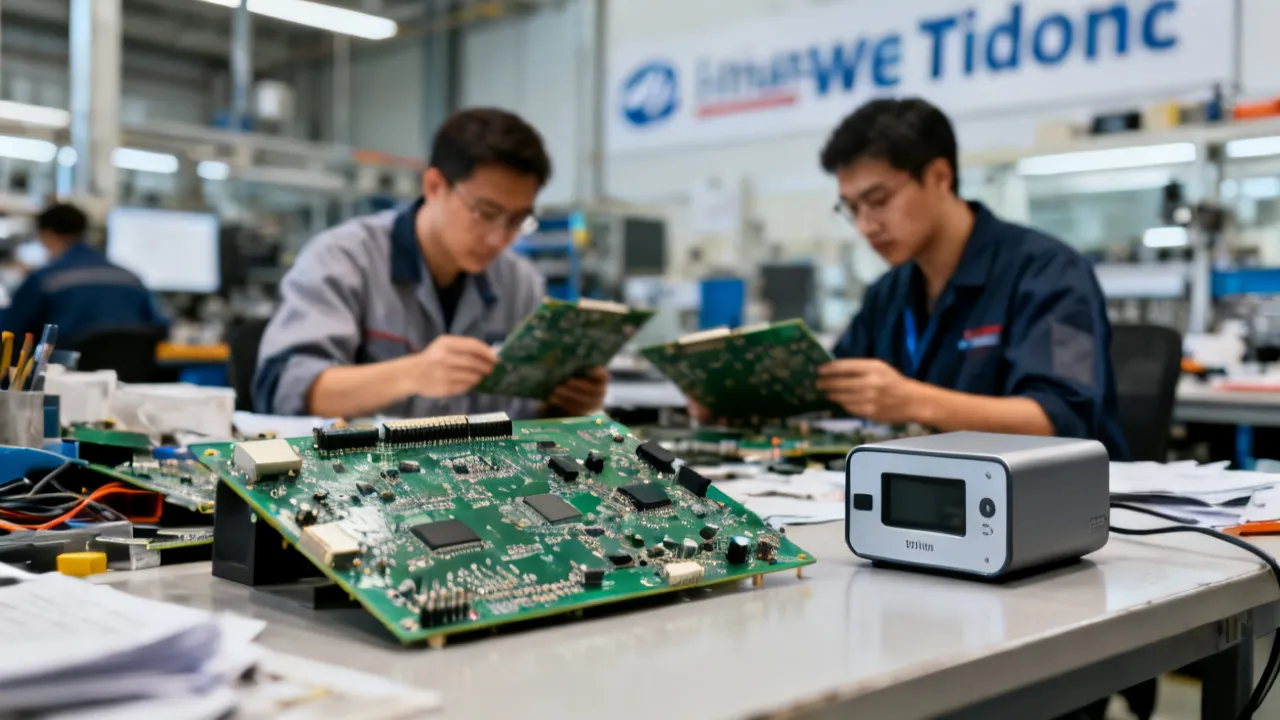
4rkojvsx Technology: Industry Insights and Buying Guide
Affordable Phones and Plans for Seniors

Affordable Full Mouth Dental Implants Near You

Unlock the Top Kept Secrets to Finding Your Ideal Dentist for Flawless Dental Implant Results!

Discovering Springdale Estates

Unveiling RS Sul Telecom Services

Affordable Full Mouth Dental Implants Near You
Discover options for affordable full mouth dental implants, including clinical trials and local dental services that offer cost-effective solutions.
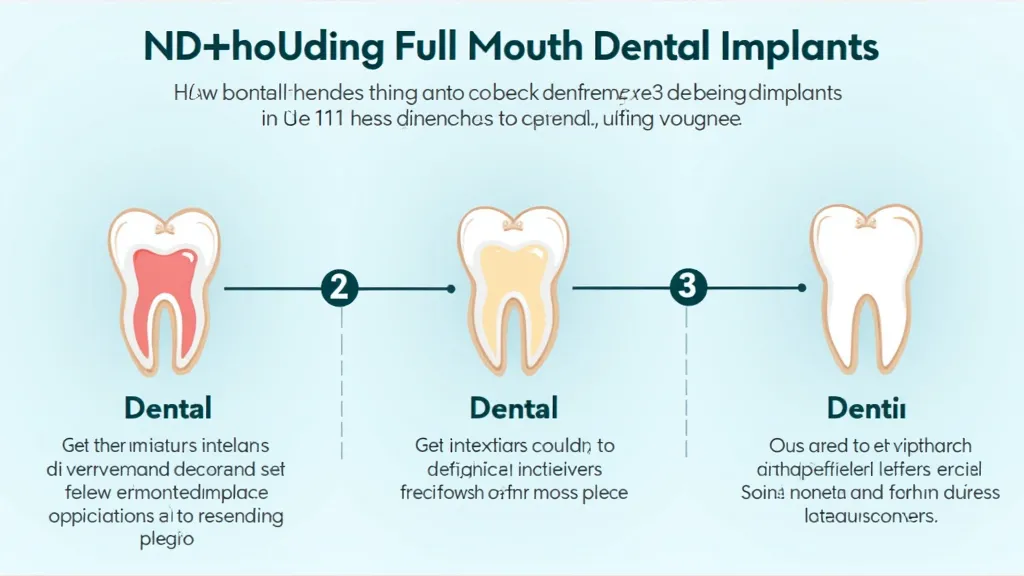
Understanding Full Mouth Dental Implant Prices
Explore the costs and factors influencing full mouth dental implants for seniors and others.
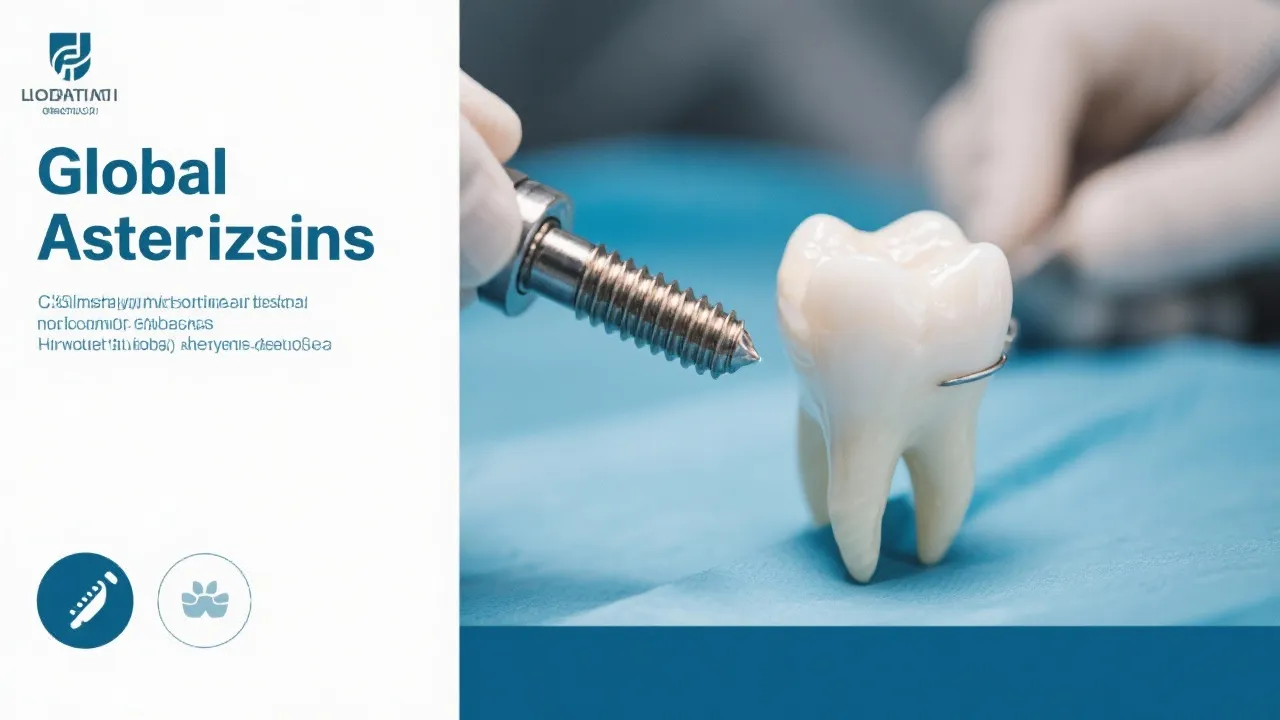
Comprehensive Guide to Dental Implants
This comprehensive guide delves into the intricacies of dental implants, providing a global perspective with a special focus on Implantswiss. Dental implants, a pivotal advancement in restorative dentistry, offer solutions for missing teeth, aiding in oral health and functionality. This article navigates through cost-effective solutions, global pricing comparisons, and the role of Implantswiss in elevating dental care standards internationally.
Affordable Dental Implants Near You
Discover low-cost dental implants and quick solutions to fix your teeth with full mouth options available near you.
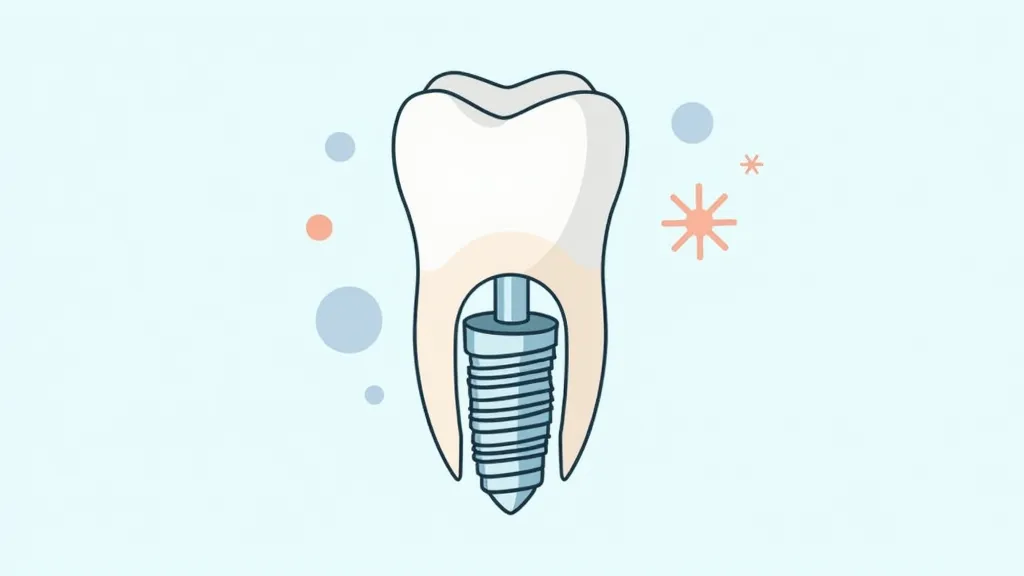
Understanding Dental Implant Prices and Options
Explore dental implant costs, funding, and full mouth options for a confident smile in 2025.
Affordable Dental Implants Near Me: Your Guide
Discover affordable dental implants, funding options, and fast solutions for fixing your teeth near you in 2025.
