This guide explains how “Affordable Dental Implants” programs typically work in real-world dental care. It reviews objective options such as low-cost implant pathways, dental tourism considerations, and insurance-style plans, then outlines eligibility factors, selection criteria, and a practical cost-range overview across major English-, Spanish-, and Portuguese-speaking markets.
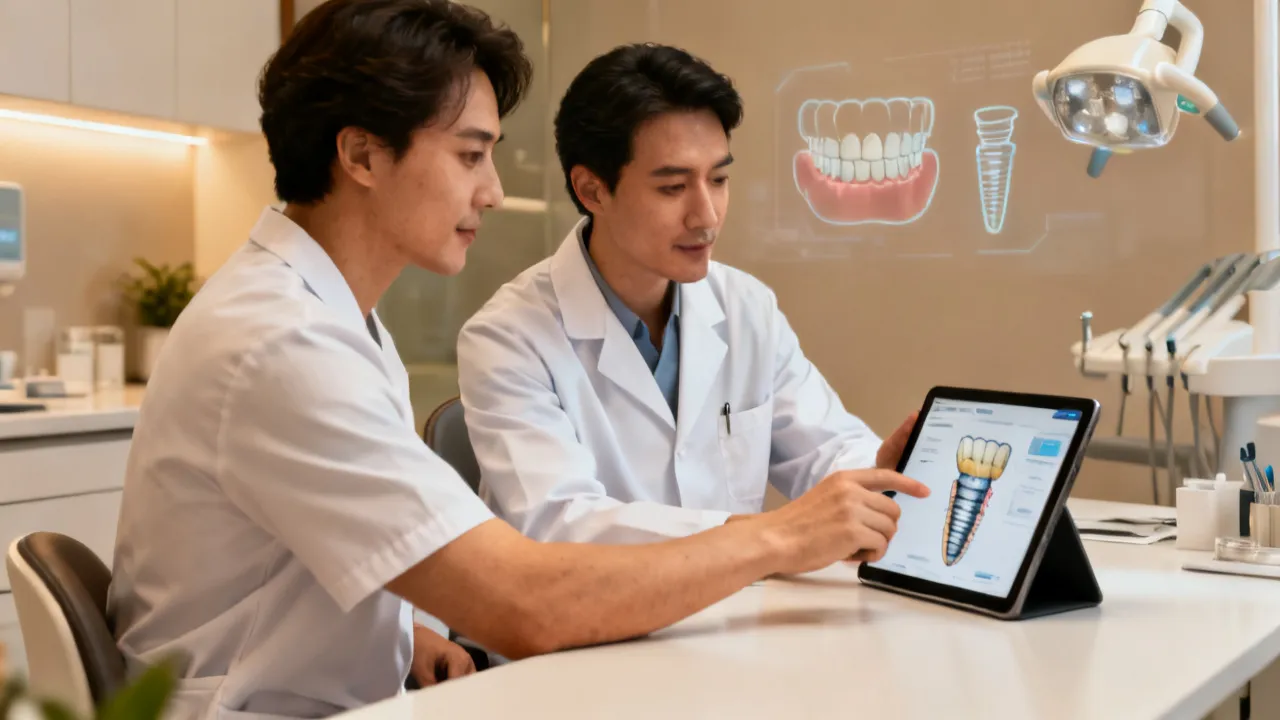
Many people search for Affordable Dental Implants to reduce out-of-pocket costs. In practice, however, “affordable” programs are rarely identical to conventional implant pricing. Instead, the value is usually delivered through one or more of the following mechanisms: sponsored care, limited-scope treatment plans, coverage from dental insurance-like products, discounted financing arrangements, or dental tourism pathways that combine lower fees with travel logistics. Understanding which mechanism applies is essential for making a clinically sound and financially predictable decision.
From an industry perspective, the safest way to approach implant affordability is to separate implant surgery fees from prosthetic (crown/bridge) costs, diagnostics, bone-grafting if needed, and follow-up maintenance. “Affordable” may cover one portion while other stages remain billable—so the consent form, treatment plan, and itemized estimate matter more than advertising language.
It also helps to recognize that dental implants are not a single procedure with a single price tag. A “single implant” quote might include only the implant fixture and placement, while excluding the restoration design, laboratory work, screw-retained vs cemented options, temporary teeth during healing, and the long-term maintenance visits required to keep peri-implant tissues healthy. When patients compare offers without parsing what is included, the “cheap” option can quickly become expensive through add-ons, additional visits, or more complex rescue treatment if something does not go as planned.
Another reason the word “affordable” can be misleading is that clinics sometimes present price reductions by simplifying administrative steps rather than clinical steps. For example, a provider might reduce overhead by using standardized forms, offering a bundled schedule, or promoting a specific implant system. Those choices can reduce cost. But if the clinic reduces price by omitting essential diagnostics, minimizing treatment planning steps, or providing incomplete aftercare, the apparent affordability may come at the expense of safety, durability, or predictability.
For many prospective patients, the goal is not only to lower cost but to reduce financial uncertainty. A transparent plan with written scope is often the most valuable “affordability tool” because it helps you forecast what you will likely pay across the full pathway rather than guessing after the fact.
Dental implants combine multiple components that influence overall affordability:
When implant programs appear “low cost,” they may be optimizing one or more of these steps, using different financing structures, or reducing administrative overhead. In contrast, clinically essential steps should not be “skipped” purely for price—especially in cases with insufficient bone or poor periodontal status.
To understand what you are really paying for, it can help to view implant treatment as a sequence of decision points. At each stage, the clinician chooses a pathway based on your anatomy, risk factors, and the desired functional and aesthetic outcome. Those decisions drive cost:
In short, “affordable” is rarely a single discount; it is usually a package of financial and clinical choices. Your job as a patient is to figure out which choices are included and whether the choices align with your diagnosis.
In English-speaking markets and beyond, clinics and healthcare guides often explain the implant pathway in accessible terms—what to expect, how financing can work, and what variables move price. For instance, some providers focus on affordability messaging and patient FAQs, while others frame affordability through structured dental tourism. In insurance contexts, certain organizations provide educational resources that clarify what typically falls inside or outside coverage for implant care.
Low-cost information sources can be helpful because they demystify the process and show that implants are not reserved for premium budgets only. They can also encourage patients to plan for staged treatment and consider that financing may be available. However, patient expectations are at risk when information focuses heavily on headline savings without explaining what might be excluded.
For example, some sites might present a “starting at” price that is only applicable to a narrow subset of cases (e.g., one implant in a sufficiently dense bone area, no need for grafting, and a specific crown material). If a patient’s situation requires extra steps, the final estimate can change. Similarly, a tourism-friendly article might focus on travel logistics and lower fees, but not provide a robust explanation of who manages complications, how post-op visits are scheduled, and how records are transferred if you receive additional care at home.
Because of these dynamics, it’s important to approach any “affordable implants” page as a starting point—not as a substitute for a personalized clinical consult. The best low-cost programs are transparent enough to let you understand what your cost will likely include once your anatomy is known.
| Website | Focus (low-cost implant information) |
|---|---|
| Dental Views | Affordability-oriented overview of implant benefits, treatment types, process, and cost considerations |
| Atlantic Dental Group | Clinic-based service information (including implants) plus practical booking and care descriptions |
| DentaVacation | Dental tourism cost-comparison framing and travel planning guidance |
| Rockville Dental Arts (Spanish page) | Insurance-plan explanation context and implant education via a Spanish-language user guide |
| Union City Mini Dental Implants (Spanish page) | Mini-implant specialization and patient fit criteria for smaller-area missing teeth |
| Cigna (Spanish implants guide) | Educational content clarifying implant components and typical decision factors |
Source listings:
Note: the table compares the information focus of the cited websites; it is not a guarantee of clinical outcomes or pricing.
When using such resources, a practical approach is to treat them like “maps,” not like “receipts.” They help you understand the landscape—common steps, typical components, and where cost differences usually show up. But the actual route, including grafting needs and final prosthesis design, should be confirmed only after imaging and a clinical exam.
Even when the wording sounds absolute, very affordability programs in the real world fall into these models:
It’s worth noting that these models can overlap. For instance, a program might offer a discounted implant surgical fee and also advertise financing. Or a tourism pathway might include discounted restorative work but still require you to pay for imaging and post-op medications separately. That overlap is why a “what is included” question is essential—otherwise you might compare offers that are not actually comparable.
Another common pattern is that the “affordable” message is attached to a particular stage. Some programs emphasize implant placement as the affordable component, while the prosthetic stage is priced separately because the restoration depends on lab work, final bite registration, and aesthetic selection. Others might discount diagnostics to get patients into the clinic, expecting the majority of revenue to come later from the crown or other components.
Eligibility for any “affordable” or low-out-of-pocket approach usually depends on both medical suitability and administrative factors. Common requirements include:
In plan-based models, administrative requirements can matter as much as clinical requirements. A patient might be clinically suitable but still be denied coverage because the plan requires specific waiting periods, specific procedure coding, or pre-authorization. Conversely, some patients might be approved administratively but discover that their clinical picture requires grafting or additional periodontal therapy, which can shift the cost distribution even if a portion of the treatment is covered.
Clinically, eligibility is also about risk management. Even if you “qualify” for implant placement, the clinic may adjust the plan based on risk factors like:
When affordability programs are legitimate, they incorporate these risk management steps rather than skipping them. You can often tell whether a program is built on real clinical standards by whether they ask for records, imaging, and risk history before promising a final price.
Below is a practical, step-by-step guide to get dental implants at lower cost across English-speaking, Spanish-speaking, and Portuguese-speaking markets. The steps emphasize clinical safety and administrative clarity.
A key principle across languages and regions is that you should aim to build a “paper trail” before you commit. That means written treatment proposals, itemized estimates, and clear documentation of which components are included. This is especially important when offers involve plans, sponsorships, or travel, because the scope of work can change based on eligibility and timing.
While the steps above cover the essential pathway, patients frequently miss details that are highly relevant to “affordable implants.” Consider adding these checks to your process:
Because fees vary widely by case complexity and prosthetic design, the following figures should be treated as reference ranges rather than quotes. They represent typical “single implant” discussions in market-level information provided online.
| Country | Currency | Price range (individual implant) |
|---|---|---|
| United States | USD ($) | $3,000 - $6,000 |
| United Kingdom | GBP (£) | £2,000 - £2,500 |
| Australia | AUD (AU$) | AU$3,500 - AU$6,500 |
| Canada | CAD (CA$) | CA$3,000 - CA$5,500 |
| Spain | EUR (€) | €1,500 - €2,500 |
| Chile | CLP (CLP$) | CLP$800,000 - CLP$1,500,000 |
| Mexico | MXN ($) | $15,000 - $25,000 |
| Colombia | COP (CO$) | $2,000,000 - $4,000,000 |
| Peru | PEN (S/) | S/ 3,000 - S/ 6,000 |
| Argentina | ARS ($) | $80,000 - $150,000 |
| Brazil | BRL (R$) | R$3,000 - R$8,000 |
| Portugal | EUR (€) | €1,000 - €2,000 |
| Germany | EUR (€) | €2,000 - €3,500 |
| France | EUR (€) | €1,500 - €2,500 |
| Italy | EUR (€) | €1,500 - €3,000 |
| Japan | JPY (¥) | ¥300,000 - ¥700,000 |
To interpret these ranges correctly, keep in mind that they often depend on what is included. Two clinics may each quote “$3,000,” but one may include a custom abutment, high-end crown material, and radiographs at follow-up visits while the other may exclude one or more of those. That is why your quote needs to be itemized.
Additionally, the price can vary based on the implant system and restoration design. Some clinics use different implant platforms that may influence cost. Others might include certain prosthetic materials as a standard while offering upgrades at extra expense. If you have aesthetic demands (e.g., a visible front tooth), the crown’s design details can shift cost even if the surgery stage is similar.
Affordability is communicated differently across regions, largely due to healthcare structures, insurance norms, and clinic marketing practices.
Some markets treat dental implants as a largely out-of-pocket expense while offering payment plans. Others operate with supplemental insurance-like memberships where certain procedures are discounted. Some regions have mature dental tourism ecosystems with structured packages; others have more ad-hoc travel arrangements where the patient must independently coordinate post-op care after returning home.
These differences matter because they influence what “affordable” truly means. In some contexts, affordability is primarily driven by lower clinic fees. In others, it is driven by plan reimbursements or subsidies. Patients who compare messaging across countries should pay extra attention to scope: an “affordable” program in one country might effectively be a discounted surgery fee only, while an “affordable” program in another might include the full prosthetic work.
In English-speaking markets, “low cost dental implants” information is often delivered through patient-friendly explainers and clinic websites. Some resources emphasize the standard implant sequence and list common questions, helping patients compare treatment pathways before they request estimates. Other models approach affordability by highlighting dental tourism—where cost comparisons may be paired with travel planning. For consumers, the key is ensuring that tourism packages include medically necessary follow-up and that outcomes are evaluated with objective clinical criteria.
Examples of the themes you may encounter include content similar to what is described on Dental Views for low-cost education, clinic-wide service transparency like Atlantic Dental Group, and tourism planning on DentaVacation.
What patients in English-speaking regions often need is guidance on how to interpret the “fine print” in financing offers. Some clinics use third-party financing where approval depends on credit criteria. Others provide in-house payment plans. In those cases, the clinic might advertise monthly payments rather than total cost. When you compare offers, focus on the total amount paid, the interest rate (if any), and whether late payments or missed payments can change the schedule of treatment.
Another English-speaking pattern is the emphasis on “starting at” prices. These can be legitimate but should be treated as entry-level figures. Ask whether the starting price includes imaging, the crown, follow-up appointments, and maintenance. If it does not, the “starting at” number can feel misleading.
Spanish-language resources may provide implant explanations and clarify typical decision points for readers. Insurance providers and educational content may be localized to support Spanish-speaking communities, including implant guide articles that describe the overall structure of implant treatment.
In some Spanish-language clinic models, you may also find emphasis on specialized implant approaches such as mini dental implants for selected situations. When considering any specialized approach, the crucial question remains: does your anatomy and diagnosis support it?
In practice, Spanish-speaking patients may benefit from Spanish-language guides that translate typical clinical steps into understandable terms. However, the risk remains similar across all languages: a specialized approach can be marketed as “affordable,” even if it is not appropriate for every case. Mini implants can be suitable in certain scenarios, such as specific types of overdentures or situations with limited bone width. But the decision depends on available space, the occlusal scheme, and the planned prosthesis. If the clinic suggests mini implants to fit affordability rather than fit anatomy, the patient should request a second clinical opinion.
Also, some Spanish-language clinic pages may include insurance information or plan-based explanations. Patients should confirm whether plan coverage applies to the entire treatment plan or only to portions. Many “insurance-like” arrangements still require deductibles, waiting periods, or eligibility based on diagnosis and documentation.
Portuguese-language markets often include both direct clinic service offerings and plan-based dental support structures. In this context, the affordability strategy may combine clinic pricing with membership or plan benefits, and some organizations also emphasize emergency access. For prospective patients, it’s important to confirm whether the plan truly supports implant stages or primarily covers preventive and basic restorative services.
Clinics and dental service networks in Brazil and Portugal may present implant care alongside orthodontics and cosmetic dentistry. When comparing offers, request an itemized implant plan rather than relying on the presence of “implants” on the website.
In Portuguese-speaking contexts, patients sometimes encounter packages that bundle implants with broader dental service memberships (cleanings, periodic exams, and discounted orthodontic consults). These packages may reduce overall spending for people who anticipate broader dental needs. But if your only goal is a specific implant restoration, you should confirm whether the membership reduces implant stages meaningfully or only covers general checkups.
Another point is that some clinics may offer “estimated” prices that change after imaging. That is normal in dentistry when diagnosis is not yet complete. But you should still ask: what is the expected cost range after imaging, and what specifically might increase cost? If bone grafting is likely, ask what the cost would be if grafting is required. Similarly, if your gums show periodontal inflammation, ask how pre-treatment (e.g., periodontal therapy) could affect the overall budget.
To maintain objectivity and clinical safety, consider these evaluation criteria regardless of language or country:
It can also help to evaluate “process maturity.” A clinic that routinely places implants often has standardized protocols: they use checklists, record keeping, and consistent follow-up scheduling. They may also have a system for restorative planning that connects the surgical outcome to the prosthetic design (for example, ensuring the planned implant position supports optimal crown contours).
In contrast, a clinic that focuses mostly on discount advertising might not be as strong on process depth. That doesn’t automatically mean the clinic is unsafe, but it is a reason to ask more questions. The goal is to confirm that low cost is not being achieved by removing essential steps.
Affordability should not come with ambiguity. Consider treating an offer cautiously if you encounter patterns such as:
None of these red flags guarantee harm. But they increase the likelihood of unexpected costs or misalignment of expectations, which can undermine both financial goals and clinical outcomes.
In very cases, “Affordable Dental Implants” refers to a program that subsidizes part of the total cost. You should confirm exactly what is included—diagnostics, surgical placement, abutment, crown/bridge, grafting, and follow-up—because some stages are commonly billed separately.
In a practical sense, affordability should be evaluated as total projected cost (including likely contingencies) rather than a single headline price. Ask for an estimate that includes a reasonable range for additional needs. For example, if there is a moderate risk you will need grafting, the clinic should help you forecast costs for “with grafting” and “without grafting” scenarios.
Low-cost packages often cover the implant placement phase and may bundle some prosthetic components. However, the inclusion of the final crown or bridge varies by clinic and plan. Request an itemized quote to avoid misunderstandings.
If the package includes a crown, ask which type is included (material, shade matching approach, and whether it is standard or custom). If the crown is not included, ask how the crown price is determined and whether it has an upper cap to help you budget.
Yes, but the cost and timeline may change. Bone grafting is clinically important when needed for implant stability. “Low cost” offers should explicitly state whether grafting is included or priced separately.
Also ask whether grafting is done simultaneously with implant placement or as a staged procedure. Staged grafting can extend the timeline and may involve additional follow-up visits. Some clinics can do “one-stage” approaches in carefully selected cases, which might reduce total cost and fewer visits—if your anatomy supports it.
Mini implants can be less complex in select cases, but they are not universally appropriate. Affordability depends on your diagnosis, and any “affordable” framing still requires confirmation of surgical and prosthetic inclusions.
Patients considering mini implants should ask about expected prosthetic options and the long-term maintenance differences. Mini implants may be associated with different mechanical considerations depending on load distribution. Your restorative dentist can explain what design choices matter for comfort and durability.
It can reduce fees in some markets, but total cost depends on package terms, travel expenses, and follow-up planning. Objectively evaluate clinical continuity, post-operative care, and complication management—especially if you return home before the full restoration is complete.
When comparing tourism offers, calculate your “all-in” cost: implant package, prosthesis, imaging, medications, travel and accommodations, lost work time, and the cost of any additional home-country follow-up. Also ask whether your home dentist can receive your records and continue care seamlessly.
Coverage varies. Some insurance-style programs cover portions of implant treatment or require medical documentation and plan eligibility. Always verify what is covered (and what is not) before treatment begins.
In some plans, the insurance may cover diagnostic work or certain prosthetic components but not the implant fixture itself. In others, implants might be covered only under specific dental criteria or waiting periods. Make sure you understand whether pre-authorization is needed and whether there are annual caps.
Request written treatment proposals, imaging summaries, consent forms, and itemized estimates. If the offer mentions “affordable” or “discounted,” ask for the exact scope of the subsidy in writing.
Additionally, ask for a copy of the implant system details (brand/model), the intended restoration design, and the warranty terms for both the surgical and prosthetic components (when applicable). If you are going abroad, ask how documents are provided and whether digital copies are available.
Compare the complete rehabilitation plan—implant number, prosthetic type, maintenance schedule, and warranty terms. Good value depends on fit, hygiene compatibility, and restoration quality, not only the initial price.
One good strategy is to ask a clinic to explain why their plan is appropriate for your specific case rather than simply listing discounts. Value usually shows up as coherent planning: the implant position matches restorative requirements, the crown design respects occlusion, and aftercare is clear.
While searching for Affordable Dental Implants, patients sometimes focus on the lowest headline number. From an expert standpoint, affordability should be evaluated as a combination of:
If a program cannot provide a transparent plan or written scope of “affordable” components, treat the offer as uncertain and obtain a detailed estimate from a clinic that will document inclusions and exclusions.
Affordability pitfalls also include “scope creep” during treatment. For example, a clinic might say you need one implant, but after imaging they might suggest multiple implants, or a different restorative approach. When this happens, it is often medically justified. But a good clinic will explain the reason, show imaging, and provide an updated itemized budget before any additional work.
Another pitfall is misunderstanding the timeline. Implant success is biology-dependent, so some phases cannot be rushed inappropriately. If a program implies that you can have the definitive crown immediately in a broad range of cases, ask about criteria and risks. Immediate restoration can be appropriate for selected cases, but universal claims should be treated cautiously.
Consider adding these more detailed questions as well:
Access to Affordable Dental Implants is often top understood as a subsidy or bundled offer rather than a universal “surprising cost” guarantee. By treating affordability as a full-plan comparison—covering surgery, prosthetics, diagnostics, and follow-up—you can reduce the chance of unexpected bills while maintaining clinically appropriate standards. Use credible sources, insist on written scope, and choose providers with transparent workflows and aftercare responsibility.
Ultimately, the best affordability strategy is not to chase the lowest number, but to assemble the most predictable plan you can within your budget. That predictability comes from asking the right questions, requesting itemized estimates, confirming eligibility requirements, and ensuring the clinic (or program partner) has a documented approach for follow-up and complications.
If you can achieve those elements, you improve your odds of receiving a high-quality implant restoration that not only fits your budget today but also supports your oral health and finances over the long term.
1) The above information comes from online resources, and the data is as of October 2023.
2) Dental implant prices are for reference only and may vary by region, clinic and doctor.
Striking the Perfect Balance: Navigating Premiums and Out-of-Pocket Expenses in Senior Insurance Plans

Explore the Tranquil Bliss of Idyllic Rural Retreats

How to Make Lasting Memories at Disneyland Attractions

4rkojvsx Technology: Industry Insights and Buying Guide

Affordable Phones and Plans for Seniors

Affordable Full Mouth Dental Implants Near You

Unlock the Top Kept Secrets to Finding Your Ideal Dentist for Flawless Dental Implant Results!

Discovering Springdale Estates

Unveiling RS Sul Telecom Services

Affordable Full Mouth Dental Implants Near You
Discover options for affordable full mouth dental implants, including clinical trials and local dental services that offer cost-effective solutions.
Understanding Full Mouth Dental Implant Prices
Explore the costs and factors influencing full mouth dental implants for seniors and others.
Comprehensive Guide to Dental Implants
This comprehensive guide delves into the intricacies of dental implants, providing a global perspective with a special focus on Implantswiss. Dental implants, a pivotal advancement in restorative dentistry, offer solutions for missing teeth, aiding in oral health and functionality. This article navigates through cost-effective solutions, global pricing comparisons, and the role of Implantswiss in elevating dental care standards internationally.

Affordable Dental Implants Near You
Discover low-cost dental implants and quick solutions to fix your teeth with full mouth options available near you.
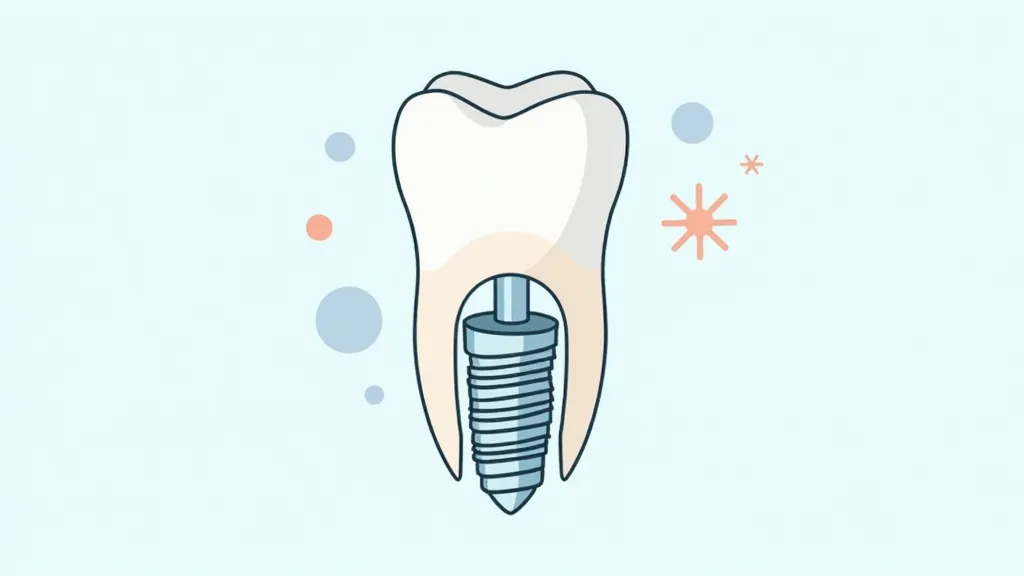
Understanding Dental Implant Prices and Options
Explore dental implant costs, funding, and full mouth options for a confident smile in 2025.
Affordable Dental Implants Near Me: Your Guide
Discover affordable dental implants, funding options, and fast solutions for fixing your teeth near you in 2025.
