This guide provides an in-depth exploration of churn analysis using data from the UCI Machine Learning Repository. Churn prediction is a critical component in customer retention strategies across industries. The UCI Machine Learning Repository offers a robust dataset that aids in the development and evaluation of models designed to predict customer churn effectively, enhancing strategic decision-making.
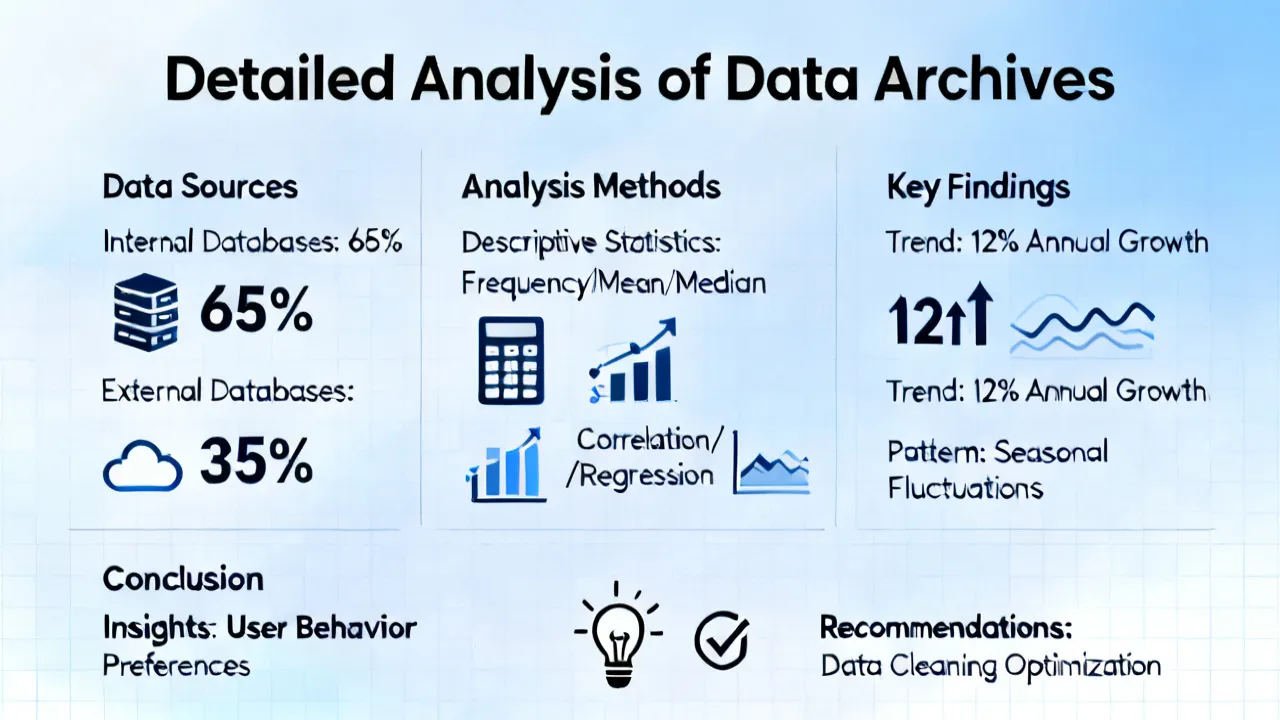
Churn analysis is essential in understanding customer retention, a critical factor for the growth and sustainability of businesses. This analytical process involves the identification of customers who are likely to discontinue their service or interaction with a business. Churn can occur in various industries, including telecommunications, subscription services, retail, and SaaS (Software as a Service). By effectively understanding and analyzing customer churn, companies can develop more targeted marketing strategies, improve their service offerings, and ultimately increase customer lifetime value.
The ability to predict churn and understand its underlying causes is invaluable for companies. Accurate churn prediction models enable businesses to implement preemptive measures aimed at retaining customers, thereby reducing costs associated with acquiring new customers. Data scientists often utilize datasets from trusted sources to develop, test, and validate their predictive models. One such reputable source facilitating this analysis is the UCI Machine Learning Repository.
Churn prediction not only serves to reduce turnover but also aids in identifying factors that contribute to customer satisfaction and loyalty. Understanding why customers leave can inform product improvements and service modifications, leading to better customer experiences. Businesses can focus on high-value segments and customize offerings to meet the distinct needs of varied customer demographics.
The UCI Machine Learning Repository is an invaluable resource for data science practitioners seeking to refine their churn prediction models. It provides access to a variety of datasets that are essential in training machine learning algorithms aimed at predicting customer churn. This repository's extensive collection is widely regarded as a benchmark in the industry due to its comprehensive, well-organized, and diverse datasets that support model testing and validation across numerous sectors.
Furthermore, the datasets found on UCI are accompanied by documentation that outlines their origins, data collection methods, and potential applications. This context provides an essential backdrop for those looking to ensure the integrity of their analyses. Being able to access datasets pertinent to your specific business context can accelerate the learning process and enhance the accuracy of your churn predictions significantly.
Datasets from UCI include numerous features that are crucial for building effective churn models, such as customer demographics, transaction history, services subscribed to, and service interaction metrics. These data points provide insights that help machine learning models learn patterns indicative of churn—thus improving predictive accuracy. The repository encourages reproducible research, making it a favored choice for both academic purposes and commercial projects.
Additionally, some datasets may include time-series data that can showcase customer behavior and trends over time. This temporal aspect allows analysts to not only predict churn but also identify potential 'at-risk' periods where customers might be more inclined to leave, thus providing an opportunity for timely intervention.
While working with churn data, practitioners often encounter challenges such as class imbalance, where the number of churning customers is significantly less than those who do not churn, leading to skewed model predictions. Techniques like resampling, synthetic data generation, or using algorithms that handle imbalance better can ameliorate such issues.
Another common hurdle is dealing with noisy or incomplete data, which can detrimentally affect the accuracy of your findings. Data cleaning techniques and the use of advanced imputation methods can help in overcoming these challenges. It's equally essential to ensure that feature selection is systematically done, as poorly chosen features can lead to suboptimal model performance.
| Challenge | Solution |
|---|---|
| Class Imbalance | Employ techniques such as oversampling the minority class or undersampling the majority class, or using algorithms that are less sensitive to imbalance, such as ensemble methods. |
| Data Quality | Focus on thorough data cleaning and preprocessing to ensure high-quality inputs for the model, including handling outliers and ensuring consistency. |
| Feature Selection | Utilize methods like Recursive Feature Elimination (RFE) or domain knowledge to select the most impactful features, and consider dimensionality reduction techniques when necessary. |
| Changing Customer Behavior | Regularly update the model with new data to capture evolving trends in customer behavior and ensure ongoing relevance of predictions. |
| Interpretability of Models | Use model-agnostic tools such as SHAP or LIME to better understand the decisions made by complex models and improve stakeholder confidence in predictions. |
Customer churn refers to the loss of clients or customers, exhibited when they stop doing business with a company. It's often measured as a percentage of total customers over a set time frame.
Churn analysis helps companies understand why customers may leave and allows them to implement strategies to retain them, which is often more cost-effective than acquiring new customers. A deeper understanding of churn enables businesses to enhance customer loyalty, optimize resources, and improve overall business performance.
The UCI repository provides a rich set of datasets that are widely used in developing and validating churn prediction models, supporting both academic research and commercial application development. Its diverse array of datasets allows researchers and practitioners to test hypotheses and validate methodologies across different contexts.
Businesses can integrate churn prediction models into their CRM systems to preemptively address the needs of at-risk customers and enhance customer retention strategies. This proactive approach not only enhances customer satisfaction but can also significantly improve profitability.
Implementing churn prediction in a real-world context involves multiple stages—from initial model development to full-scale deployment and ongoing monitoring of model performance. Businesses need to assess their objectives and how churn prediction aligns with their broader goals.
For instance, in the telecommunications industry, companies can utilize churn prediction models to analyze historical customer data and determine which factors most significantly correlate with churn. Factors might include service reliability, customer service interactions, and pricing changes. By focusing on these areas, telecom companies can develop targeted marketing campaigns aimed at retaining high-risk customers or making adjustments to their offerings.
Similarly, in the SaaS industry, businesses may find that churn is significantly influenced by product onboarding processes. By predicting churn, they can identify users who are experiencing difficulties and engage them with personalized support or resources aimed at increasing their product usage and satisfaction.
In conclusion, churn analysis remains a fundamental aspect of customer relationship management, influencing a company's retention strategies and financial success. Through effective modeling and analysis, businesses can not only anticipate customer behavior but also implement strategies that enhance customer satisfaction and foster long-term loyalty.
Leveraging robust datasets like those provided by the UCI Machine Learning Repository can empower data scientists and businesses alike to enhance their churn prediction models significantly. The iterative process of learning from data, refining models, and applying insights to business strategies will contribute to better customer retention outcomes and informed decision-making throughout the organization.
In the fast-evolving landscape of consumer behavior and market dynamics, staying ahead of churn is not just beneficial; it is essential for sustaining competitive advantage and ensuring long-term profitability.
Striking the Perfect Balance: Navigating Premiums and Out-of-Pocket Expenses in Senior Insurance Plans

Explore the Tranquil Bliss of Idyllic Rural Retreats

How to Make Lasting Memories at Disneyland Attractions

4rkojvsx Technology: Industry Insights and Buying Guide

Affordable Phones and Plans for Seniors

Affordable Full Mouth Dental Implants Near You

Unlock the Top Kept Secrets to Finding Your Ideal Dentist for Flawless Dental Implant Results!

Discovering Springdale Estates

Unveiling RS Sul Telecom Services

Unveiling RS Sul Telecom Services
RS Sul Telecom emerges as a prominent entity in the telecommunications industry, providing reliable services across various regions. This article delves into the offerings of RS Sul Telecom, the benefits it presents to both individual and business clients, and its impact on the modern telecom landscape.

Understanding Rlock Advpl in Business
Rlock Advpl represents a pivotal advancement in business software solutions, offering enhanced security and efficiency for enterprise resource planning systems. This article delves into the intricacies of Rlock Advpl, its application in modern businesses, and the benefits it offers in streamlining operations and safeguarding data. As an expert tool, Rlock Advpl is essential for businesses looking to optimize their IT infrastructure.

Unveiling Atranet Innovation
Atranet represents a cutting-edge concept in networking technology. Harnessing its capabilities can transform digital communication by providing seamless connectivity. Designed to optimize data transfer, security, and efficiency, Atranet is shaping the future of how we connect and share information. This article delves into its structure, applications, and potential impacts on industry practices and consumer experiences.

Understanding Polysulfide Adhesive Applications
This comprehensive guide explores the applications and benefits of polysulfide adhesive, highlighting its unique properties and widespread use in construction, aerospace, and automotive industries. Known for its flexibility and resistance to various environmental factors, polysulfide adhesive is a key component in sealing and bonding applications, providing durability and reliability in demanding conditions.
Comparing Vtex with Salesforce Commerce
This article provides an in-depth comparison between Vtex and Salesforce Commerce, two leading digital commerce platforms. Each offers unique features suited to different business needs. Vtex is renowned for its collaborative commerce approach, while Salesforce Commerce shines with its comprehensive customer relationship management capabilities. Explore their differences, strengths, and insights from industry experts.

Understanding the Latest Chrome Version
This article delves into the intricacies and features of the latest Chrome version. Chrome, developed by Google, is one of the very popular web browsers globally, known for its speed, simplicity, and security features. Each update aims to enhance user experience through improved functionality and performance. Understanding these updates is crucial for both everyday users and developers.
