If you’re thinking “I need a new phone,” this objective guide explains how U.S. government-supported wireless programs work and how to get started. It summarizes major Lifeline-based and related offerings, what services typically include, eligibility concepts, and the practical steps to apply. Background information is provided about why such programs exist and how device and service availability can vary.
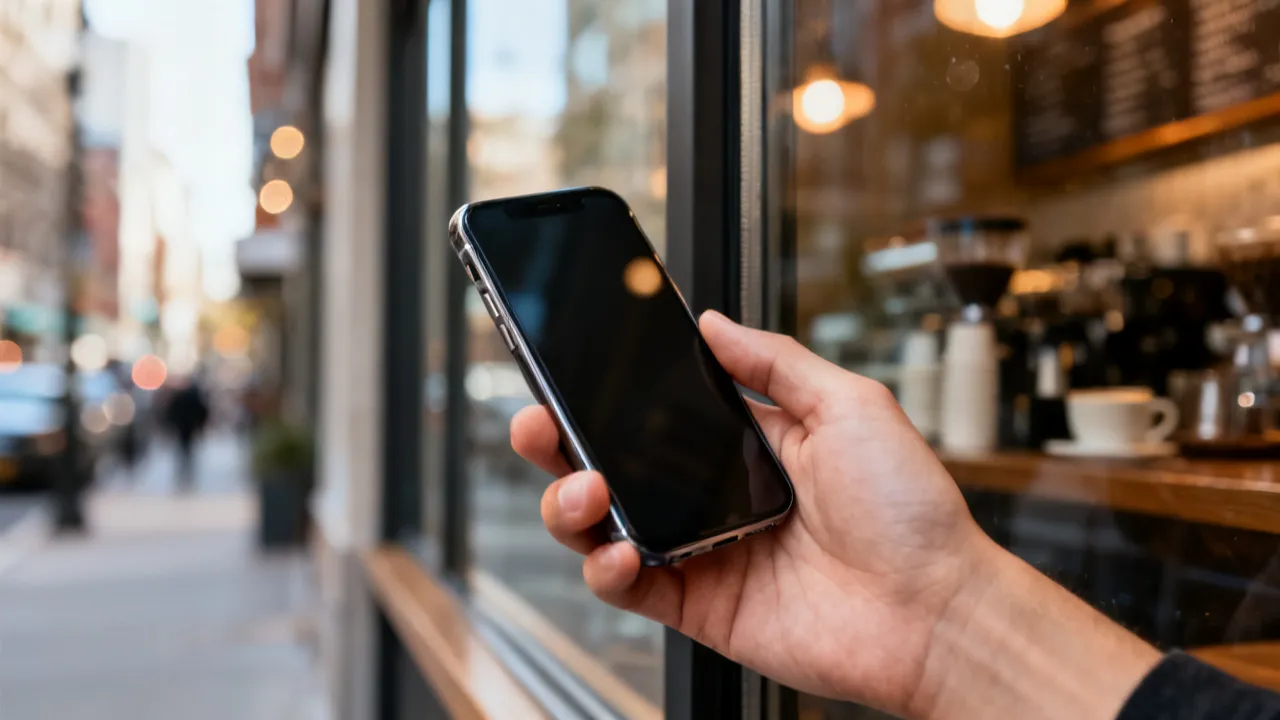
If you’ve been searching for options because you “I Need a New Phone,” the very practical starting point is to check whether you qualify for U.S. government-supported wireless programs (often tied to Lifeline and related benefits). These programs may provide a handset through a participating carrier, along with voice and messaging service and a plan that includes a defined data allowance. Availability, exact device models, and plan terms vary by provider and your state, so the fastest path is to (1) confirm eligibility using the provider’s instructions and (2) apply with accurate documentation.
But “critical first” also means you should think beyond eligibility. A phone replacement process can feel urgent—especially if you rely on two-factor authentication for banking, appointments, work chat apps, or emergency contacts. The goal isn’t only to get service; it’s to minimize the time you’re disconnected and avoid common mistakes that delay activation. The best approach is to combine eligibility research with a short, concrete replacement plan.
People request “a new phone” for many different reasons. Some are simple (the screen cracked beyond repair, the battery won’t hold a charge, or the device won’t power on). Others are security or compatibility issues (the operating system can’t receive updates, the phone no longer supports required network authentication, or it can’t run apps you depend on). And some are lifestyle or safety issues (the old phone is stolen, you lost it, or the number is essential for access to critical services).
Before you apply, identify which category you’re in because it affects your timeline and what to verify. For example:
When you choose the right plan and correctly time your steps, replacing your phone becomes more predictable—and often faster.
If you’re looking for options because you need a new phone, think in two parallel tracks:
Track A usually determines whether you can get a handset price-reduced or service at a low cost. Track B determines whether you can manage the transition without missing key calls and messages.
For Track B, you can prepare even if you don’t yet know which provider you’ll use. For example: write down important phone numbers, identify contact numbers for family members, and confirm whether you can access email or a backup phone number. This reduces the risk of being locked out of accounts during the changeover period.
Across providers, the “core” concept is consistent: qualified consumers can receive a government-supported wireless service package through an approved program. In very cases, you should expect:
From an industry perspective, the key “decision variables” are not only eligibility, but also handset provisioning processes, timelines, and how data limits apply day-to-day. You’ll want to review the current plan details on the carrier’s own site before you finalize any application.
Also, pay attention to a subtle but important reality: a plan can include “unlimited” certain categories (like talk/text) while data is limited and can behave differently after thresholds. That behavior affects real usage. If you rely on maps, streaming, or video calls, limited high-speed data can change your experience quickly.
Before you apply, try to answer these questions about the plan:
The table below summarizes the providers referenced in the source materials you provided. It lists the official government program plan destination (carrier website), the typical services included, and any common categories of additional package costs you may encounter.
| Provider (official plan site) | Typical services included | Possible additional package costs |
|---|---|---|
| SafeLink Wireless | Unlimited text and calls; data availability varies by plan/state; device may be provided or BYOD may be supported depending on eligibility. | Upgrades to premium devices or additional data (optional tiers may cost extra). |
| Assurance Wireless | Affordable Android smartphone in many cases; unlimited talk and text; data allowances included. | Optional upgrades such as higher high-speed data or international calling features. |
| StandUp Wireless | Affordable smartphone or BYOD options; unlimited talk and text and data plan coverage. | Premium phone upgrades or extra data can be available for a fee. |
| Access Wireless | Unlimited voice and text with limited high-speed data; plan benefits are often tied to qualifying government programs. | Data boosts and device upgrades may have associated fees. |
| True Wireless | Government-supported phones and voice/data service plans for qualifying customers. | Optional better-device upgrades or additional data plans may cost extra. |
source: www.safelinkwireless.com, www.assurancewireless.com, standupwireless.com, www.accesswireless.com, www.gotruewireless.com (source of the provider and program information summarized above)
If your main concern is, “I need a new phone,” you’ll want to understand how eligibility and enrollment typically work. In very cases, participation is based on qualifying income thresholds or enrollment in recognized assistance programs. Providers then verify eligibility using documentation and/or verification tools.
There’s an important practical point here: many delays are not caused by rejection; they are caused by verification friction. For example, a document is expired, the name doesn’t match exactly, a screenshot is missing a critical identifier, or the submitted document doesn’t meet the provider’s upload format requirements. The more precisely you follow the provider’s instructions, the fewer “back-and-forth” steps you’ll experience.
While exact rules can vary by program and state, the referenced guidance describes commonly used eligibility concepts:
If you’re not sure which rule applies to you, start with what you already participate in. Many people qualify because they are enrolled in one of the programs listed above, rather than because they know their income percentage relative to federal poverty guidelines.
It’s also helpful to understand that “household” can matter. Some programs count people in your home differently than you might expect. If you live with family members and share expenses, or if you receive assistance that covers you and qualifying dependents, check the provider’s household definition rules.
Because device fulfillment depends on verification, a careful application usually saves time. Here’s a practical, industry-aligned workflow you can follow regardless of which carrier you choose:
To further reduce delays, you can add two “quality control” steps before you submit:
Requirements vary by eligibility pathway, but most people can prepare a similar set of documents. While the exact list should come from the provider, commonly requested proof can include:
If you’re uploading documents, take clear photos or scans. Avoid glare, blur, and cropped edges. Include all pages if a document is multi-page.
Service availability can differ based on your location, coverage area, and carrier network requirements. If you see messaging like “services available in your area,” treat it as a practical indicator rather than a promise about a specific phone model. To avoid surprises, verify:
A common frustration is expecting a particular handset but receiving a different model (or receiving no handset at all and needing BYOD). That expectation mismatch is preventable if you read plan details and understand that device choices may depend on inventory.
You can also consider network performance in your area. If you live in a place with limited signal, it may matter whether the provider uses a certain carrier network. Most of the time, Lifeline-supported providers choose from major national networks, but performance can still vary by neighborhood.
In telecom access programs, eligibility is only part of the story. Users often discover these options when their existing handset fails, loses updates, or becomes incompatible with modern network requirements. Before you apply, consider a short checklist:
Even if you end up receiving a provider handset, doing these steps can prevent downtime and reduce stress. For example, backing up contacts is one of the biggest “invisible” tasks that determines whether you can immediately reach important people after activation.
SafeLink Wireless is a major provider in the government-supported wireless ecosystem. Applicants generally follow an online application process and submit proof of eligibility. In typical plan structures, services include unlimited text and calls, while data availability depends on the plan details and your state. Optional costs may appear if you choose premium device upgrades or additional data tiers.
Expert tip: verify whether the plan includes the specific data behavior you need (for example, whether “limited high-speed data” applies after a threshold). Ask the provider’s support channel for clarity if the terms are unclear.
When deciding whether SafeLink is a fit for you, consider these practical issues:
If you receive a handset, take a moment to check basic functionality immediately after setup: call a trusted contact, send a test text, confirm data connectivity, and verify voicemail settings. This helps catch configuration problems early rather than days later.
Assurance Wireless commonly offers a affordable Android smartphone for qualifying customers, along with unlimited talk and text plus included data allowances. For some users, upgrades such as higher-speed data or international calling options are available as optional add-ons.
Expert tip: confirm what “data allowance” means in practical terms—especially if you rely on map directions, email synchronization, or remote work tools.
To make Assurance Wireless work smoothly for a phone replacement, it can help to think about app and account setup:
If you need the phone urgently, prioritize activation timing. Ask whether activation happens instantly after approval or whether shipping/setup time creates delays. Some people can be without service longer than expected when they don’t account for shipping and provisioning steps.
StandUp Wireless supports both affordable handset and BYOD options depending on your situation and plan. The service package typically includes unlimited talk and text and a data plan associated with the benefit. Optional fees may apply for premium phone upgrades or additional data.
Expert tip: if your phone is aging, consider whether its software and hardware can handle modern carrier authentication requirements. Even if BYOD seems possible, compatibility can affect outcomes.
BYOD (bring your own device) can be a strong option if you already own a phone that meets compatibility requirements. But “compatibility” isn’t only about whether the phone powers on—it involves network configuration, supported bands, and correct device identifiers.
Before applying with StandUp (or any BYOD-enabled program), you should:
If you choose a provided handset instead, focus on expected delivery and activation times. For a true phone replacement emergency, the difference between “service approval” and “service usable on your phone” matters.
Access Wireless plans are often framed around government benefit participation and may include unlimited voice and text with limited high-speed data. Data boosts and device upgrades can be offered for a fee, giving qualifying customers a structured way to scale service without switching providers.
Expert tip: treat data boosts as “optional tools,” not as assumptions. If you foresee higher data usage, plan your budget and evaluate the total cost with upgrades.
When you’re evaluating Access Wireless, consider how you will use data during different times of the month:
Also, because Access Wireless is closely tied to benefit participation, keep your eligibility documentation updated and accessible. If you’re ever required to recertify, having your documents organized can reduce disruptions.
True Wireless provides government-supported phones and service plans to qualifying participants. Typical offerings include voice and data services, and optional upgrade paths may exist if you want a better handset or additional data.
Expert tip: when a provider offers a handset, confirm whether you can choose from multiple models or whether assignment depends on inventory in your region.
To avoid disappointment, understand the difference between a “selection” program and an “assignment” program:
If you require certain features (like a larger screen, accessibility settings, or adequate storage for your apps), confirm whether the offered device types can meet your needs. If not, ask if BYOD is supported or if premium upgrades are available.
An expert approach is to align your timeline with your needs:
Because device distribution and verification processes can take time, it’s wise to avoid waiting until you lose essential contact channels. Even a “few days” can matter if you’re waiting for verification approval, receiving a handset, and completing activation.
If you have time to plan, you can reduce downtime by preparing a backup communication method: a family member’s number saved, a working email address accessible on another device, and potentially an alternate device (tablet or older phone) if you can borrow one for temporary access.
Phone replacements are rarely instant. If you anticipate that your old phone may stop working during the transition, think about continuity strategies:
This might sound basic, but it’s often the difference between a smooth transition and a stressful one.
Many applicants do everything correctly but still experience delays. Here are frequent causes and practical prevention strategies:
Prevention is mostly about accuracy. Take a few minutes to review your application before submitting. Many time-consuming issues are preventable by doing a final check.
After you’re approved, the process isn’t always finished. You may need to wait for shipping (if a handset is provided) and then complete activation steps. Here’s a realistic view of what can happen:
Once service is active, test basic functions right away. Don’t wait until the next day to discover you can’t place calls or that data isn’t working.
Start by selecting one provider from the official sites listed in the comparison table, review eligibility rules, gather documentation, and complete the online application carefully. Accuracy reduces re-verification delays. If your current phone is still functional, back up contacts first so you can transition smoothly.
In many activation scenarios, number portability may be possible, but it depends on provider policies and line status. During application or activation, confirm whether you can port your existing number and what information the provider requires.
Also consider that number portability can require timing. For example, if your phone line is currently inactive, there may be additional steps. If you’re planning a replacement because your old phone is dead, confirm how to keep your number as soon as you receive approval instructions.
Not necessarily. Many government-supported plans include unlimited talk and text and data allowances that may be limited to certain speeds or monthly quantities. Some providers offer optional add-ons for additional high-speed data or data boosts.
Requirements vary by eligibility pathway. Common categories include proof of income or proof of enrollment in assistance programs (such as Medicaid, SNAP, or SSI). Always use current documents and follow the provider’s upload or verification instructions exactly.
If you’re worried about not having the “right document,” check the provider’s examples or document requirements page on their official site before submitting. A quick read can prevent the frustrating scenario of re-uploading later.
Some providers support BYOD options, meaning you may be able to activate your own compatible device. Eligibility for service versus handset delivery can differ based on carrier policy and plan structure, so review the provider’s instructions.
Even if you don’t qualify for a handset, service access can still be valuable—especially if you already have a workable phone. In that case, the key task is to confirm compatibility and activation steps before you submit so you don’t lose time later.
Handset availability typically depends on eligibility verification, program rules, and inventory. You should expect that the specific model may not be guaranteed, even when the program offers a handset.
If you need specific technical requirements (for example, enough storage for specific apps, a certain screen size, or accessibility features), ask the provider whether similar devices are available or whether BYOD is a better fit.
Use the provider’s official website for the very current plan terms and application steps. Avoid third-party listings that may be outdated or incomplete.
It’s a good habit to bookmark the official page you found so you can return to it if you need to reference a requirement list while gathering documents.
Government-supported wireless programs are designed to reduce barriers to communication for eligible households. Telecommunications access matters because mobile connectivity supports employment searches, health appointments, family coordination, and emergency communication. Industry stakeholders often emphasize that such programs combine affordability with structured eligibility verification to ensure benefits reach qualifying participants.
From a policy perspective, these programs operate by tying reduced-cost service to eligibility criteria. Providers must verify eligibility so that subsidies are directed appropriately. This verification step is what makes the process feel bureaucratic sometimes—but it is also why the program can offer meaningful discounts.
If you’re replacing a phone because it is broken, losing access to communication can be more than inconvenient. For many people, the phone is the primary device used for work scheduling, school communication, medical reminders, and coordination with family. That’s why a successful application is not only about getting a “plan.” It’s about getting you back online and keeping you connected during the next critical events in your life.
For general background on consumer protections and broadband/communications policy, readers can consult official U.S. government resources and regulatory materials from the Federal Communications Commission (FCC) and related program administrators.
When you replace a phone, the most common issue isn’t the phone itself—it’s account access. Many services rely on the phone number for login codes. If you’re switching numbers (or even just switching SIMs), account verification can become tricky. You can prepare in advance, even if you don’t know the exact phone model you’ll receive.
Here are practical steps that often reduce stress:
These steps can make your phone replacement feel less like a gamble.
One of the most important decisions is whether to accept a provided handset or try BYOD. Both approaches can work, but each has tradeoffs.
Provided handset can be better when:
BYOD can be better when:
However, BYOD can sometimes introduce problems if the device isn’t compatible or isn’t unlocked. The safest approach is to confirm compatibility before you commit to a BYOD activation path.
Once your service is active, do a quick verification routine. This can prevent a small problem from becoming a major one later.
If something isn’t working, contact the provider support channel using the contact info you received during approval. The sooner you troubleshoot, the less time you’ll spend without full service.
Even if your plan includes data, how you use it matters. If your plan has limited high-speed data, you can extend usable performance by adjusting how you consume content.
Examples of smart data habits:
If your provider offers optional data boosts, you can treat them like a tool. For example, boost around days you need maps or for work-critical tasks, then rely on standard data limits otherwise.
1). The above information comes from online resources, and the data is as of October 2023.
2). This website cannot guarantee that applicants will definitely get a government affordable phone. For specific application requirements and how to obtain it, please refer to the official requirements of the provider. This website will not be updated in real time.
If you’d like, tell me your state and whether you’re open to a provided handset or you prefer BYOD; I can help you create a targeted checklist for what to verify on the official provider pages before submitting an application.
Striking the Perfect Balance: Navigating Premiums and Out-of-Pocket Expenses in Senior Insurance Plans

Explore the Tranquil Bliss of Idyllic Rural Retreats

How to Make Lasting Memories at Disneyland Attractions

4rkojvsx Technology: Industry Insights and Buying Guide
Affordable Phones and Plans for Seniors

Affordable Full Mouth Dental Implants Near You

Unlock the Top Kept Secrets to Finding Your Ideal Dentist for Flawless Dental Implant Results!

Discovering Springdale Estates

Unveiling RS Sul Telecom Services

Affordable Phones and Plans for Seniors
Discover the top deals on new phones and plans tailored for seniors, including discounts on 5G technology and unsold models.
Affordable Cell Phones Without Plans
Discover affordable cell phones for sale without plans, exclusive discounts for seniors, and tailored mobile plan options in your area.

Navigating Government Phone Programs
This guide provides an expert analysis of government-supported phone programs for eligible individuals, offering insights into available providers and their services. Affordable phones are often a necessity for individuals under economic constraints, aiding in communication, job searches, and access to emergency services. The article delves into eligibility criteria, application processes, and compares popular service providers in various regions.
Unlocking the Top Cell Phone Deals
Discover unbeatable cell phone discounts, plans, and offers for seniors and iPhone enthusiasts without contracts.
Navigating Affordable Phone Offers
Discover the essential details about government-assisted phone programs aimed at providing budget-friendly devices to eligible individuals. These programs offer complementary mobile phones and services to qualified beneficiaries, ensuring connectivity at minimal expense. This guide breaks down how to access such benefits and what conditions apply.
How to Apply for a Affordable Phone
This guide provides insights on how to apply for a affordable phone through government-sponsored programs. Understanding how these programs operate and their eligibility requirements is essential. These initiatives aim to support individuals in low-income households or those enrolled in specified government assistance programs by providing basic communication tools.