The intersection of Human Resource Management (HRM) and Information Technology (IT) represents a pivotal transformation in organizational management and development. The framework developed by Heuvel & Bondarouk in 2016 highlights how digital advancements can enhance HR functions. As businesses strive for efficiency, understanding this integration is essential for maintaining competitive advantage through improved workforce management and innovation.
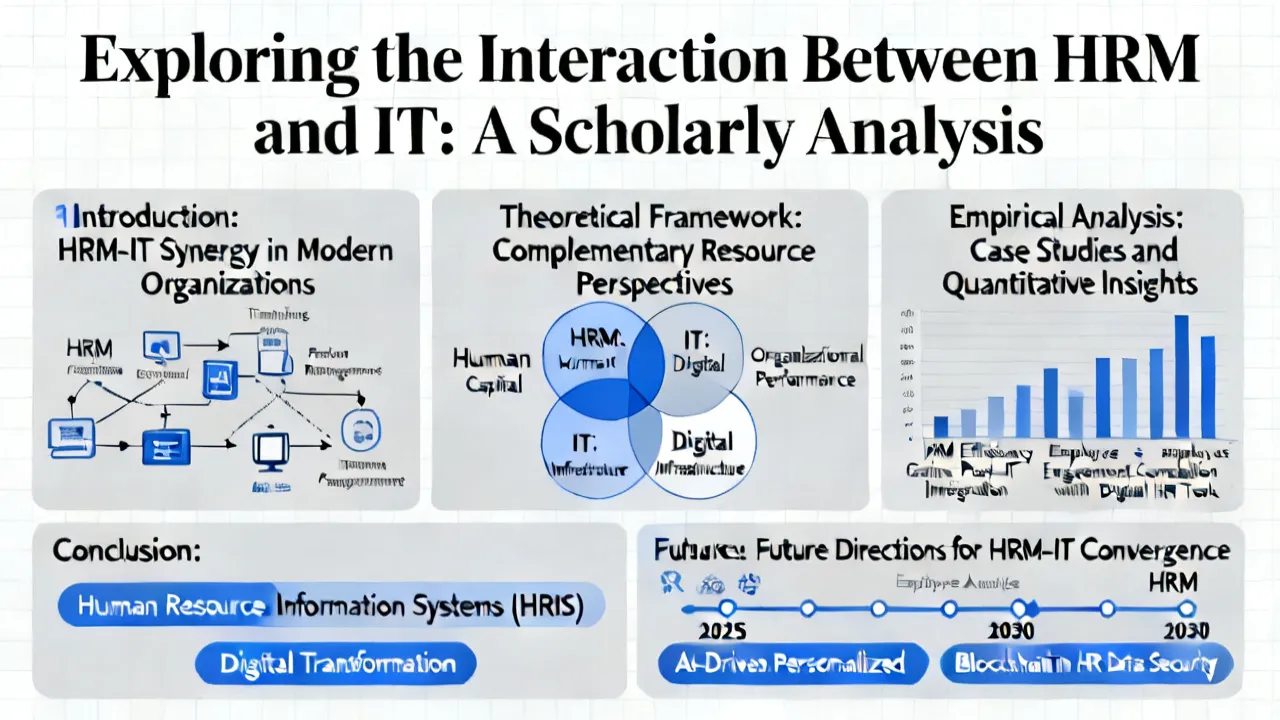
In today's rapidly evolving business landscape, the integration of Human Resource Management (HRM) with Information Technology (IT) has become a critical area of focus. This transformation is not merely about adopting new technologies but involves strategically leveraging IT to enhance HR functions. The framework proposed by Heuvel & Bondarouk in 2016 serves as an essential guide for this transformative process.
The significance of HRM and IT integration can be distilled into several key advantages: enhanced efficiency, improved data accuracy, better employee engagement, and the ability to make informed strategic decisions. As organizations expand globally and operate in increasingly competitive environments, the need for effective HR IT solutions becomes ever more pressing. The connection between a company’s human resources and its technology infrastructure is central to driving organizational performance and achieving strategic objectives.
Heuvel & Bondarouk (2016) provide a comprehensive blueprint for understanding the symbiotic relationship between HRM practices and IT systems. Their model emphasizes the role of IT in enhancing HR processes such as recruitment, performance appraisal, workforce analytics, and employee engagement. This integration fosters an environment where data-driven decisions can be made with precision and agility.
The framework categorizes HRM processes into different layers, each of which can benefit from IT integration. These layers include operational, tactical, and strategic aspects of HRM, illustrating how technology can facilitate the entire spectrum of HR functions from administrative tasks to strategic planning. For instance, data from performance management systems can inform succession planning and leadership development efforts.
Moreover, Heuvel & Bondarouk discuss how IT can assist in mitigating risks associated with HR processes, such as compliance with labor laws and regulations. By automating the tracking of policy changes and labor legislation, companies can reduce potential legal liabilities and ensure fair practices are upheld across the organization.
In an increasingly digital world, the adoption of IT in HRM is paramount for streamlining operations. IT enables HR professionals to automate routine tasks, thus focusing on strategic activities like talent development and culture building. For instance, platforms that handle applicant tracking, payroll, and employee benefits administration not only improve efficiency but also enhance accuracy and compliance.
Furthermore, technology plays an integral part in enhancing communication and collaboration within organizations. Tools like Human Resource Information Systems (HRIS), communication platforms, and social media channels help foster a culture of transparency and open dialogue, crucial for employee satisfaction and retention. As employees seek more engagement with their work and company, the role of IT in providing these platforms becomes increasingly essential.
| HRM Function | IT Enhancement |
|---|---|
| Recruitment | Automated job postings, applicant tracking systems, AI-driven candidate assessments |
| Performance Management | Continuous feedback systems, real-time performance metrics, gamification |
| Training and Development | eLearning platforms, virtual classrooms, personalized learning paths through AI |
| Employee Engagement | Pulse surveys, social recognition platforms, intranet forums |
| Workforce Planning | Analytics dashboards, predictive modeling, workforce optimization tools |
Experts emphasize that one of the significant benefits of integrating HRM with IT is the ability to harness big data and analytics. These tools provide actionable insights into employee behavior, enhancing decision-making processes related to workforce planning and talent management. According to a report by Deloitte, organizations with advanced HR analytics are twice as likely to realize improved leadership pipelines and high-performing teams.
The shift towards data-centric HRM aligns with the broader trend of digital transformation across industries. Organizations are increasingly seeking to leverage data analytics not only for operational insights but also for strategic foresight. This capability allows companies to anticipate trends, respond to changing workforce dynamics, and proactively address employee needs.
Moreover, industries that have embraced this convergence report significant improvements in their recruitment processes, employee retention rates, and overall organizational culture. For instance, tech companies utilizing predictive analytics have been able to reduce turnover by analyzing employee engagement data to understand the underlying causes of dissatisfaction. This proactive approach highlights how IT can empower HR teams to act swiftly and effectively.
To further illustrate the positive impact of HRM and IT integration, several real-world case studies can be examined. One notable example is that of SAP, a global software corporation that has made substantial strides in merging HRM with IT through its SuccessFactors platform. This cloud-based solution not only simplifies HR processes but also provides powerful analytics capabilities, enabling SAP to effectively manage talent and align its workforce strategies with overall business objectives.
Another significant example comes from IBM, a leader in adopting AI technology within HR practices. Through its Watson AI system, IBM has been able to enhance its recruitment process by leveraging natural language processing to analyze job descriptions and match them with candidate profiles, thus minimizing biases and improving the quality of hires. This innovative approach demonstrates the transformative potential of IT in reshaping traditional HR functions.
Additionally, companies such as Google have utilized sophisticated algorithms and employee data analysis to optimize their hiring processes. Google's People Analytics team conducts extensive research and implements findings to ensure they not only hire the best candidates but also develop existing talent within the organization. By adopting a data-driven approach to HRM, Google has fostered a work culture that encourages innovation and collaboration.
While the benefits of integrating HRM and IT are well-documented, organizations often face several challenges during this transformative process. One of the significant challenges is data privacy and security. As HR departments collect and store vast amounts of sensitive employee data, organizations must prioritize robust cybersecurity measures to protect this information from breaches and unauthorized access. This concern is particularly important given the legal implications of data mishandling, which can lead to penalties and reputational damage.
Moreover, the ongoing training of HR professionals is crucial in ensuring the successful adoption of new technologies. HR personnel must develop a solid understanding of the tools and systems they are implementing; otherwise, they may struggle to leverage the full capabilities of these technologies. Regular training sessions and workshops can help bridge this skills gap, ensuring that HR teams are equipped to navigate the ever-changing technological landscape effectively.
Another challenge organizations often encounter is resistance to change from employees. Some professionals may be apprehensive about new systems replacing traditional HR practices. To address this, organizations should emphasize the benefits of integration, showcasing how these tools improve efficiency and ease workloads, thereby freeing up time for more strategic activities. Engaging employees during the implementation phase through feedback sessions and showcasing early wins can foster a more accepting culture towards change.
Looking ahead, the convergence of HRM and IT is set to evolve further, driven by emerging technologies such as artificial intelligence, machine learning, and blockchain. These technologies hold the potential to redefine fundamental processes within HRM. For example, AI can significantly enhance recruitment processes by automating resume screening and providing predictive analytics for candidate success, thereby improving the quality of hires.
Furthermore, automation will likely continue to play an essential role in HRM operations. As robotic process automation (RPA) becomes more prevalent, companies can expect to see substantial reductions in manual tasks, leading to greater efficiency and accuracy in HR functions. It is anticipated that RPA will allow HR professionals to dedicate more time to strategic initiatives, ultimately driving innovation and employee engagement.
Blockchain technology also presents exciting implications for HRM. By providing a secure and transparent way to store employment records, organizations can streamline verification processes, eliminate fraud, and enhance trust in hiring practices. As these technologies mature, organizations will have access to more comprehensive and efficient HR services.
Q: Why is IT integration important for HRM?
A: IT integration enhances efficiency, accuracy, and strategic planning capabilities in HRM, allowing for a more agile and informed approach to managing personnel. This integration enables HR professionals to focus more on meaningful interactions and strategic initiatives rather than mundane administrative tasks.
Q: What are the challenges associated with merging HRM and IT?
A: Key challenges include data privacy concerns, the need for ongoing training, and the potential complexity of new technologies requiring adaptation. Resistance to change among staff members can also hinder the successful implementation of HR tech.
Q: How does IT improve recruitment processes?
A: IT advances recruitment through intelligent systems that streamline shortlisting, provide detailed candidate analytics, and maintain comprehensive talent databases. AI tools can also assist in identifying the best candidates by analyzing patterns and predicting job performance based on historical data.
Q: What role do analytics play in HRM?
A: Analytics provide insights into various HR functions, such as employee performance, engagement, turnover rates, and more. By analyzing this data, organizations can make informed decisions about talent management, workforce planning, and policy changes.
The integration of HRM and IT, as encapsulated by the Heuvel & Bondarouk (2016) framework, is crucial for modern organizations aiming to remain competitive. By leveraging technological advancements, companies can transform their HR departments into dynamic, strategically oriented units, thus ensuring that HRM practices are not only operationally efficient but also deeply aligned with overall business goals. The future of HRM lies in the continuous adaptation to and integration of new technologies, ensuring that organizations can respond to evolving workforce needs while maximizing the potential of their human capital.
As businesses orient themselves towards growth and innovation, the integration of IT within HRM processes will undoubtedly become a cornerstone of competitive advantage. Companies must remain proactive in adopting these technologies and continuously evaluate their HR strategies to foster not just a responsive, but a deeply engaged workforce. This approach will not only drive performance but will also cultivate an organizational culture built on trust, collaboration, and mutual respect. In the digital age, the future of HRM is not just about managing people but empowering them through technology, creating workplaces where everyone can thrive.
Striking the Perfect Balance: Navigating Premiums and Out-of-Pocket Expenses in Senior Insurance Plans

Explore the Tranquil Bliss of Idyllic Rural Retreats

How to Make Lasting Memories at Disneyland Attractions

4rkojvsx Technology: Industry Insights and Buying Guide

Affordable Phones and Plans for Seniors

Affordable Full Mouth Dental Implants Near You

Unlock the Top Kept Secrets to Finding Your Ideal Dentist for Flawless Dental Implant Results!

Discovering Springdale Estates

Unveiling RS Sul Telecom Services


Exploring the Retipster Club Advantage
The Retipster Club is an invaluable resource for real estate investors, offering a plethora of insights, tools, and community support to boost investing endeavors. Aimed at helping both novice and seasoned investors, the club provides educational materials, success stories, and expert strategies tailored to the ever-evolving real estate market landscape. Dive into this analysis to understand the manifold benefits the Retipster Club offers to enhance real estate success.

Navigating the Retipster Club
This article delves into the unique offerings of the Retipster Club, a community designed for individuals interested in real estate investment, providing educational resources and networking opportunities. Discover how the club supports its members through expert advice, comprehensive guides, and a robust community platform, all tailored to foster insightful and profitable investment strategies.

Pmoc Abrava: Practical Procurement and Quality Considerations
This guide explains how to approach Pmoc Abrava procurement with a quality-first, compliance-minded process. “Pmoc Abrava” is discussed as a term used in sourcing contexts, covering typical decision factors such as specification clarity, supplier capability, documentation, and handling requirements—using an objective framework for safer purchasing, risk control, and consistent performance.

Unveiling Grunig & Hunt's PR Models
This article explores the seminal work of Grunig & Hunt in developing models of public relations. The Grunig & Hunt models, fundamental to understanding PR theory, provide insight into the strategic approaches and methodologies utilized in the field. Each model offers a distinctive perspective on communication and engagement strategies, relevant to both academic discussions and practical applications.
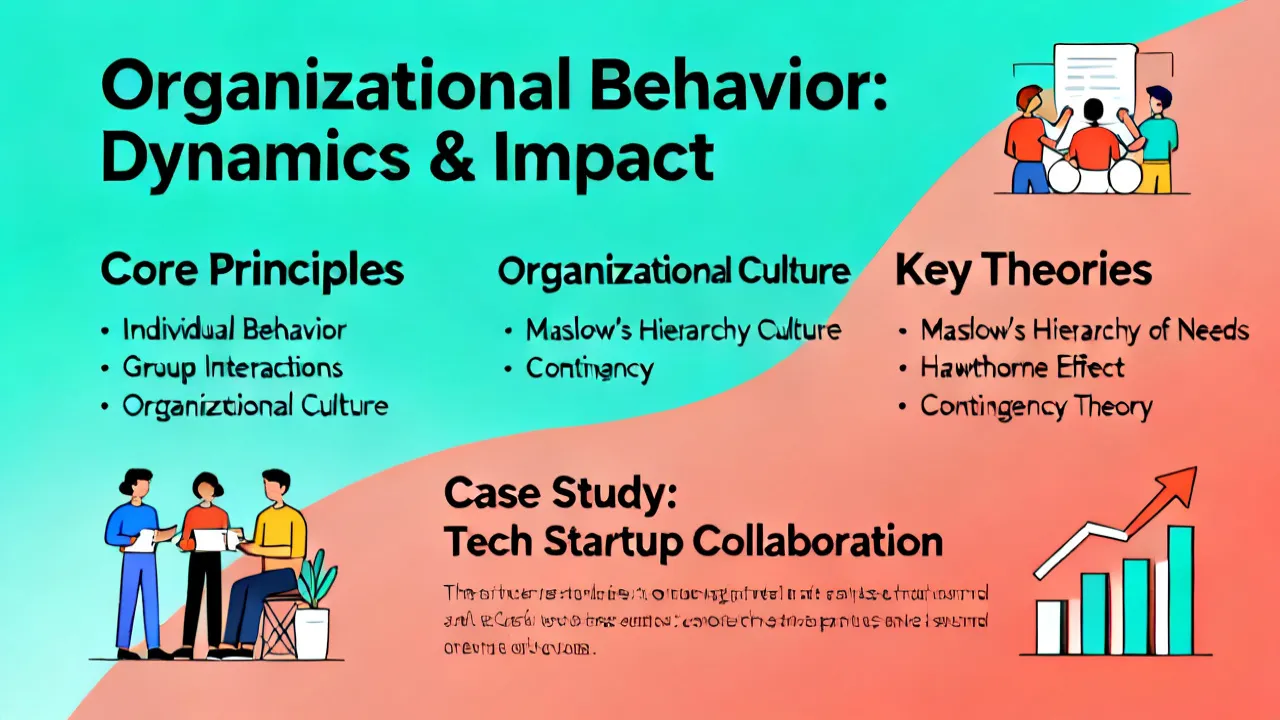
Understanding Organisational Behaviour Slideshare
This article delves into the significance of Organisational Behaviour Slideshare for both educators and professionals. Organisational Behavior is a field that examines the impact individuals, groups, and structures have on behavior within organizations, aiming to improve an organization's effectiveness. With Slideshare's platform, these insights are easily shared, promoting a collaborative learning environment.

Understanding Ltda Epp for Supplier and Compliance Decisions
Learn how “Ltda Epp” impacts supplier selection, contract structure, and compliance planning. This guide explains, in objective terms, what the label typically signals in company registration and how it can affect procurement processes, risk checks, and document readiness. It also frames practical conditions, comparison points, and decision steps to help you evaluate suppliers with clarity and consistency.
