This guide explains what the Chevrolet Equinox Midnight represents, how its dark-themed styling differs from standard Equinox models, and which practical factors buyers should evaluate before choosing one. The Midnight designation is generally associated with a blacked-out appearance package rather than a completely separate vehicle platform. Equipment, pricing, availability, and eligibility can vary by model year, trim, market, and dealer inventory, so official Chevrolet specifications and window-sticker information remain essential references.
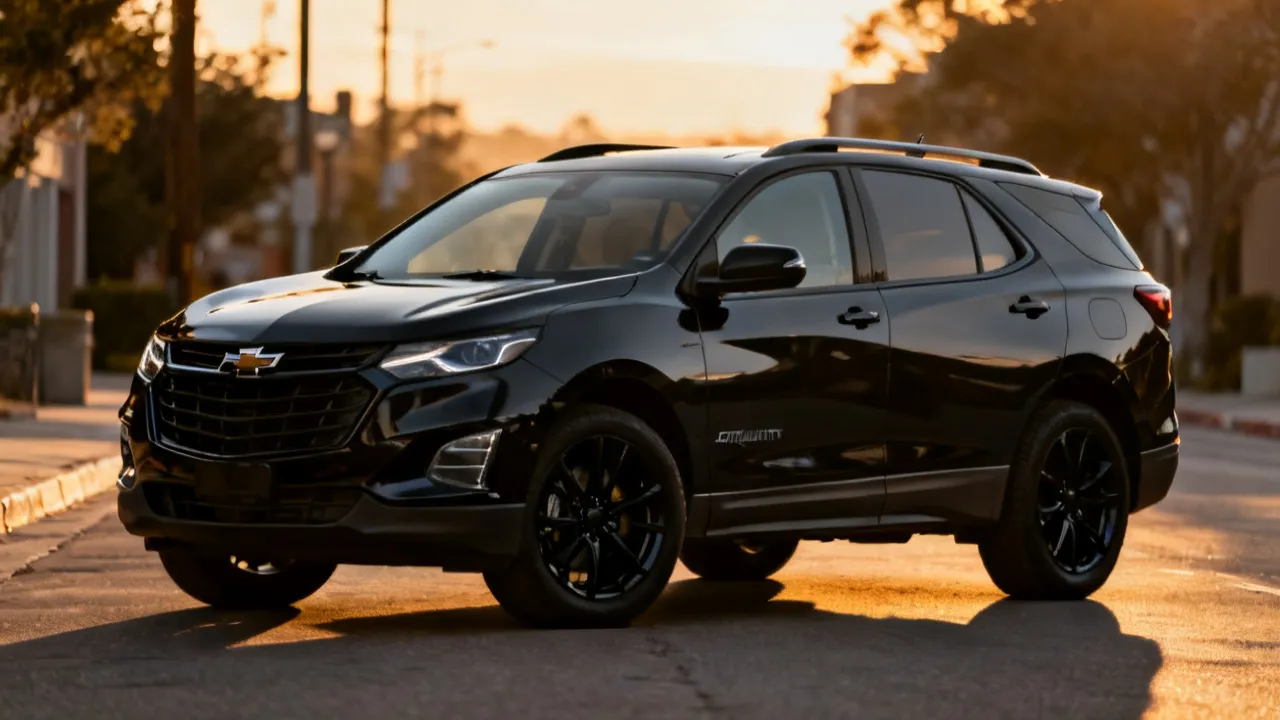
The Chevrolet Equinox Midnight is best understood as a style-focused version or appearance package associated with the Chevrolet Equinox compact SUV. Its defining idea is simple: take the practical proportions and everyday usability of the Equinox, then emphasize a darker, more unified exterior appearance through black or dark-finish elements.
Depending on the model year and market, a Midnight configuration may include features such as black exterior badging, dark-finish wheels, black accents, a monochromatic grille treatment, and other appearance details. The precise content is not universal. Chevrolet can change package names, trim structures, standard equipment, and optional features between production cycles. For that reason, an expert assessment should begin with the specific vehicle identification number, model year, trim designation, and original window sticker rather than relying only on the word “Midnight.”
The Chevrolet Equinox itself occupies the compact SUV category. This segment is highly competitive because it combines a relatively manageable footprint with elevated seating, useful cargo space, available all-wheel drive, and familiar passenger-car driving characteristics. The Midnight concept addresses a different priority: visual distinction. It is intended for buyers who want the Equinox’s practical format but prefer a more restrained, low-contrast, urban appearance.
That distinction matters when comparing vehicles. A Midnight model is not automatically a performance variant, luxury trim, or mechanically upgraded version. In many cases, the package primarily changes exterior presentation, while the engine, transmission, suspension, safety structure, and cabin architecture remain closely tied to the underlying Equinox trim. The equipment list must therefore be studied carefully to determine whether a particular vehicle offers meaningful functional upgrades in addition to cosmetic changes.
The label can also be confusing because manufacturers sometimes use similar names across several vehicle lines. A “Midnight” designation may suggest a consistent nationwide specification, but package definitions can be regional, limited to certain production periods, or associated with a dealer inventory campaign. A buyer should treat the name as a starting point for research rather than as a complete description of the vehicle.
Dark exterior treatments have become a recurring theme across the SUV market. They create a visual impression that is more discreet than bright chrome and often make a vehicle appear more cohesive. On an Equinox, black wheels and trim can visually reduce the contrast between body panels, glass, grille, and lower cladding. This gives the SUV a more contemporary appearance without changing its fundamental proportions.
From an industry perspective, appearance packages are also a way for manufacturers to broaden a model’s appeal without developing a separate mechanical derivative. The manufacturer can preserve the core vehicle’s engineering while offering a version aimed at customers who value personalization. This approach is common in a market where exterior design, digital technology, and perceived trim identity strongly influence purchase decisions.
There is also a practical reason the Midnight look attracts attention: it can appear distinctive without being overtly elaborate. Some buyers prefer a vehicle that avoids bright trim, large decorative graphics, or highly expressive color combinations. A dark appearance may suit office commuting, suburban driving, and evening travel equally well. Nevertheless, the appeal is subjective. Black paint and dark wheels can show dust, road salt, water spotting, and brake residue more visibly than lighter finishes.
Dark styling can also make the vehicle appear visually lower and wider. Black wheels may blend into the tires, producing a more solid appearance from the side, while a dark grille can make the front end look more unified. These effects are primarily aesthetic, but they can influence how a buyer perceives the vehicle’s character. The Equinox may seem more confident or sophisticated even though its acceleration, suspension tuning, and cabin materials are unchanged.
Some owners also appreciate the way a monochromatic design works with accessories. Black roof crossbars, cargo carriers, window tint, mud flaps, and protective door molding can be visually integrated more easily than they might be on a brightly trimmed model. However, modifications should be selected carefully. Poorly fitted accessories can create wind noise, interfere with sensors, or reduce the clean factory appearance that originally attracted the buyer.
The most important area to inspect on a Chevrolet Equinox Midnight is the exterior equipment list. Buyers should confirm which elements are actually included rather than assuming that every dark-themed feature is standard.
An expert inspection should evaluate the consistency of the finish across the entire vehicle. On a used Equinox Midnight, mismatched black panels, uneven gloss, overspray, or different wheel finishes can indicate previous repair work. Dark colors may conceal some minor visual irregularities from a distance, but they can also make swirl marks and surface scratches more noticeable under direct light.
Wheel condition deserves particular attention. Dark alloy wheels can make curb damage less obvious in low light, while close inspection may reveal chipped finishes or corrosion around the spokes. The correct tire size should be checked against the driver-door certification label or the manufacturer’s specifications. Replacing wheels with non-standard sizes can affect ride quality, steering response, tire cost, and the accuracy of some vehicle systems.
Examine the front bumper and lower air-intake areas for scrapes. Compact SUVs are often driven over parking blocks, steep driveways, and rough access roads, and the lower portions of the bumper can sustain damage that is not visible from the driver’s seat. Check the liftgate opening, rear bumper, and cargo sill as well. Repeated loading can leave scratches or distort plastic trim, while a damaged liftgate seal can allow water into the cargo area.
Paint condition should be judged in direct daylight whenever possible. Inspect the roof, hood, upper doors, and rear quarter panels for fading, oxidation, water marks, and evidence of machine polishing. A black exterior can look excellent after a professional detail yet reveal clear-coat problems a few weeks later. The buyer should not rely solely on a glossy dealership presentation.
The Midnight label generally communicates exterior design more strongly than interior transformation. The cabin may continue to reflect the equipment level of the underlying Equinox trim, including its seating materials, display system, climate controls, storage layout, and available convenience features.
Potential buyers should therefore separate appearance expectations from functional expectations. A darker exterior does not necessarily mean a different dashboard, a premium audio system, ventilated seating, a larger infotainment screen, or upgraded interior materials. Those features, where offered, should be confirmed in the original build information and in a physical inspection.
The Equinox’s appeal has traditionally rested on straightforward usability. The elevated driving position can make it easier to judge surrounding traffic than in a low sedan, while the rear seating area is intended to accommodate ordinary family and commuting needs. Cargo capacity should be measured according to the buyer’s routine rather than judged only by a brochure figure. A stroller, musical instrument, sports equipment, shopping bags, or work supplies may each require a different approach to loading.
When assessing a used vehicle, examine the rear-seat folding mechanism, cargo-floor condition, door seals, seat tracks, and interior storage compartments. These details reveal how the vehicle was used. A well-kept cabin with clean loading surfaces may indicate careful ownership, while heavily marked cargo trim may point to frequent hauling. Neither condition automatically determines value, but it helps place the asking price in context.
Ergonomics should also be tested during a proper drive. Adjust the driver’s seat, steering wheel, mirrors, and climate controls before moving. Confirm that the infotainment system responds consistently and that essential controls can be operated without excessive menu navigation. Industry experts commonly advise buyers to evaluate how a vehicle performs during ordinary routines, because a short demonstration around a dealership may not reveal issues with visibility, seating comfort, loading access, or technology usability.
Rear-seat comfort should be evaluated by the people who will actually use those seats. Check knee room behind the preferred front-seat position, headroom with the doors closed, the ease of installing child restraints, and the location of lower anchors. A compact SUV may offer adequate space for occasional adult passengers while feeling less comfortable during long trips. Bring child seats, booster seats, or regularly used equipment to the inspection if possible.
Cabin noise is another useful evaluation point. Listen for wind noise around the mirrors, tire noise from the chosen wheel and tire package, and rattles from the dashboard or cargo area. A dark appearance package may be attractive, but a tire with a more aggressive tread or lower sidewall can produce a noticeably different sound than the standard configuration. Drive on both smooth and coarse pavement to form a balanced impression.
Technology equipment can vary significantly across Equinox model years and trims. Confirm the size and responsiveness of the center display, smartphone integration, available navigation, USB ports, wireless charging, Bluetooth pairing, and the audio system. A vehicle may have a modern-looking screen but still lack a feature the buyer considers essential.
Test the system with the buyer’s own phone. Pairing problems, intermittent connection, delayed touch response, broken USB ports, and unclear microphone performance can be frustrating after purchase. Check whether the backup camera image is clear and whether steering-guideline movement corresponds correctly with the vehicle’s direction.
Physical controls remain important. Make sure the volume control, climate adjustments, defroster, hazard switch, and window controls work without sticking or requiring unusual force. If the vehicle has a power liftgate, test it from the dashboard, key fob, and liftgate switch. Technology features can be expensive to diagnose when the problem involves a module, wiring fault, or software issue rather than a simple replacement button.
The driving character of a Chevrolet Equinox Midnight depends primarily on the powertrain and chassis configuration of the underlying model year. The Midnight designation alone should not be interpreted as evidence of additional horsepower, sport-tuned suspension, or performance-oriented hardware.
For that reason, buyers should identify the engine, transmission, drivetrain, and drive-mode provisions listed for the vehicle under consideration. Front-wheel drive and all-wheel drive versions can feel different in traction, fuel economy, steering response, tire wear, and purchase cost. All-wheel drive may be useful for drivers who regularly encounter snow, loose surfaces, steep driveways, or wet conditions, but it does not replace suitable tires or cautious driving.
A test drive should include several conditions:
Road conditions can significantly influence impressions. A dark appearance package may attract the buyer, but a vehicle’s overall satisfaction is more closely connected to seating comfort, noise levels, ride quality, visibility, controls, reliability history, and maintenance condition. A professional assessment should give these factors greater weight than styling alone.
Pay close attention to how the vehicle responds during transitions from acceleration to cruising and from cruising to braking. Hesitation, harsh engagement, repeated downshifts, or a delayed response may warrant diagnostic testing. A short test drive cannot confirm long-term reliability, but it can identify symptoms that should prevent an impulsive purchase.
Steering feel should be consistent at both parking-lot speeds and highway speeds. Excessive effort, vibration, pulling, or a steering wheel that does not return naturally after a turn can indicate alignment, tire, suspension, or steering-system concerns. Brake-pedal feel should also be checked. Pulsation, grinding, squealing, or a soft pedal deserves further investigation.
Assess visibility from every seating position. The driver should check the size of the windshield pillars, rear-quarter visibility, mirror coverage, camera performance, and the position of the rear head restraints. Driver-assistance systems can supplement visibility, but they should not be used to compensate for a seating position that feels uncomfortable or poorly suited to the driver.
Fuel economy is determined by the engine, drivetrain, wheel and tire configuration, vehicle weight, driving conditions, and model-year calibration. The Midnight name does not provide enough information to estimate consumption accurately. Buyers should use the official fuel-economy label for the exact vehicle rather than applying figures from another Equinox version.
Official ratings are laboratory estimates designed to provide a consistent comparison among vehicles. Real-world results can differ because of traffic, temperature, speed, cargo, tire pressure, terrain, driving style, and the use of heating or air conditioning. The U.S. Environmental Protection Agency explains these limitations in its consumer fuel-economy materials and publishes ratings for eligible vehicles. Other markets use their own testing systems, which may not be directly comparable.
Wheel and tire choices deserve special consideration. Larger wheels may support the intended Midnight appearance, but they can also increase tire replacement expense and reduce sidewall height. Lower-profile tires may transmit more road impact and are more vulnerable to damage from potholes or sharp pavement edges. The best choice depends on local road quality, climate, annual mileage, and the buyer’s willingness to prioritize appearance over maximum ride compliance.
Ownership efficiency also includes insurance, registration, maintenance, tires, depreciation, and financing costs. A package that adds visual equipment may not materially change routine service requirements, but its replacement parts can still carry different prices. Before purchase, request insurance estimates and obtain tire pricing for the exact wheel size. These steps are especially important when comparing a Midnight vehicle with a more modestly equipped Equinox.
Fuel costs should be calculated over the expected ownership period. A small difference in fuel consumption can become meaningful for a driver who travels long distances each year, while a buyer who drives primarily short urban trips may place greater value on ride quality, parking ease, or all-weather traction. Use a realistic annual mileage estimate rather than a generic national average.
Safety equipment should be reviewed independently of the Midnight styling. The underlying Equinox may include a combination of airbags, electronic stability control, anti-lock braking, rear cameras, forward collision warning, automatic emergency braking, lane-related assistance, blind-zone monitoring, rear cross-traffic alert, and other technologies depending on model year and trim.
Availability and operating behavior can change over time. Some systems may be standard, while others may require a package or higher trim. A used vehicle can also have sensors, cameras, or windscreen-mounted equipment affected by previous repairs. Warning messages, inconsistent alerts, or poorly calibrated systems should be investigated before purchase.
Independent safety information should be drawn from recognized organizations such as the National Highway Traffic Safety Administration and the Insurance Institute for Highway Safety in the United States. Their assessments may cover different model years, body configurations, and equipment levels. A result for one production year should not automatically be applied to another.
Driver-assistance technology is not a substitute for attentive driving. It can support awareness, but the driver remains responsible for steering, speed, lane position, traffic observation, and safe decision-making. Buyers should read the owner’s manual to understand system limitations, particularly in heavy rain, snow, glare, poor lane markings, construction zones, and situations involving motorcycles, bicycles, or pedestrians.
Before purchasing a used vehicle, confirm that the airbag warning light illuminates briefly during the startup self-check and then goes out. A warning light that never illuminates may have been disabled, while one that remains on indicates a system requiring attention. Inspect seat belts for smooth extension, secure buckling, and signs of damage. Also verify that child-safety locks and window lockouts function correctly.
A useful comparison begins by separating three categories: styling, equipment, and mechanics. The Midnight version may stand out visually, but another Equinox trim could provide more practical features at a similar price. Conversely, a lower trim with the desired engine and drivetrain may better fit a buyer who does not value dark exterior accents.
| Evaluation area | What the Midnight version may emphasize | What the buyer should verify |
|---|---|---|
| Exterior appearance | Dark wheels, badges, grille details, and coordinated trim | Exact paint, wheel finish, and package contents for the model year |
| Mechanical specification | Usually connected to the underlying Equinox trim | Engine, transmission, drivetrain, suspension, and drive modes |
| Interior equipment | May remain similar to the base trim used for the package | Seat material, screen size, audio system, climate features, and storage |
| Safety technology | Not defined solely by the Midnight label | Standard and optional driver-assistance features, sensors, and alerts |
| Running costs | Potentially influenced by wheel and tire selection | Tire prices, insurance, fuel economy, maintenance, and repair history |
| Resale appeal | Distinctive appearance for buyers who prefer dark styling | Condition, mileage, service records, market demand, and equipment |
This comparison illustrates why a package name should not be used as a shortcut for the entire vehicle’s value. The correct question is not simply whether the Equinox Midnight looks appealing. It is whether the exact vehicle provides the desired combination of drivetrain, comfort, technology, condition, price, and projected ownership cost.
When comparing trims, create a feature checklist based on actual priorities. For example, a buyer may care more about heated seats, a power liftgate, a larger display, or all-wheel drive than about dark badging. Another buyer may be willing to accept fewer cabin conveniences in exchange for a particular exterior color and wheel design. Writing these priorities down helps prevent a visually attractive package from distracting from features used every day.
For a new vehicle, the most reliable starting points are the manufacturer’s current configurator, the official equipment guide, the Monroney label where applicable, and the dealer’s written purchase worksheet. These documents can reveal destination charges, optional packages, dealer-installed accessories, taxes, registration expenses, and financing conditions. Advertised prices should be compared on the same basis, because one offer may include equipment or fees that another does not.
For a used Chevrolet Equinox Midnight, condition becomes more important than the package name. Request a vehicle history report, but do not treat it as a complete inspection. History reports can omit certain repairs or events, particularly when work was paid for privately or conducted by a facility that did not report to the database.
A qualified independent technician should inspect the engine compartment, underside, suspension, brakes, tires, cooling system, electronic functions, and body structure. The inspection should include a scan for diagnostic trouble codes, even if no warning light is visible. Confirm that all keys, charging accessories, cargo covers, owner materials, and removable equipment listed by the seller are present.
Paint depth measurements can help identify repaired panels. Panel gaps, fastener marks, overspray, inconsistent texture, and differences in gloss may also justify further investigation. A vehicle with documented professional repair is not necessarily a poor purchase, but the buyer should understand what happened and how it affects value.
The cold-start condition is especially useful. If the vehicle is already warm when the buyer arrives, ask why. A seller may simply have moved it for convenience, but warming the engine can also make certain noises or starting problems less apparent. Examine the service history for repeated repairs to the same system and ask for invoices rather than accepting only verbal assurances.
For a certified pre-owned vehicle, read the certification checklist and warranty terms carefully. Certification may provide useful coverage, but programs differ in inspection depth, exclusions, deductible structure, roadside assistance, and transferability. A certified label should supplement, not replace, the buyer’s own evaluation.
No single price can accurately represent every Chevrolet Equinox Midnight. Pricing depends on model year, mileage, location, drivetrain, condition, equipment, inventory levels, tax structure, financing, and whether the vehicle is new, certified pre-owned, or privately sold. Manufacturer suggested retail price is not the same as transaction price, and a used-vehicle asking price is not the same as final market value.
Buyers should compare several vehicles with similar age, mileage, drivetrain, and equipment. A meaningful comparison adjusts for tire condition, remaining warranty coverage, accident history, service records, and cosmetic defects. A Midnight package may support a visual premium in some markets, but buyers should avoid assuming that every dark-themed vehicle commands a substantial additional value.
Negotiation is more effective when based on documented conditions. Useful evidence can include worn tires, overdue maintenance, missing equipment, paint damage, inconsistent service records, or comparable listings with similar specifications. The objective is not to criticize styling but to establish the total cost required to place the vehicle in dependable condition.
Financing should be evaluated using the annual percentage rate, loan term, total interest, down payment, and final amount paid. A lower monthly payment can result from a longer term rather than a lower vehicle cost. Buyers should request a written breakdown that separates vehicle price, trade-in allowance, taxes, registration, lender charges, dealer accessories, and other products.
Trade-in negotiations can make pricing difficult to understand. A dealer may increase the trade-in allowance while also raising the selling price, leaving the buyer uncertain about the actual discount. Obtain the selling price of the Equinox before discussing optional finance products, and compare the total amount financed rather than relying on monthly payment alone.
When buying privately, confirm the seller’s legal ownership and ensure that the title is properly assigned. Do not make a significant payment before verifying the VIN on the vehicle against the title and registration documents. A bank or credit union may be able to assist with title and payment procedures, reducing the risk of an incomplete transfer.
Maintenance requirements are governed by the exact engine and model year. The owner’s manual and official service schedule should be treated as the primary references. Common areas of attention for a compact SUV include engine oil and filter service, tire rotation, tire-pressure monitoring, brake inspection, cabin and engine air filtration, coolant condition, battery health, and drivetrain-specific maintenance.
All-wheel-drive vehicles may require additional attention to system-specific components and tire matching. Replacing only one tire or combining substantially different tread depths can create undesirable stress in some driveline systems. The correct procedure depends on the vehicle’s design and should be confirmed with the manufacturer or a qualified technician.
Dark exterior finishes benefit from regular washing with appropriate automotive products. Abrasive household cleaners can damage clear coat, wheel coatings, plastic trim, or protective finishes. Road salt and winter grime should be removed promptly in regions where they are common. A periodic inspection of wheel faces, lower doors, liftgate edges, and underbody components can identify corrosion or impact damage before it becomes more extensive.
Technology maintenance matters as well. Software updates, camera cleanliness, sensor alignment, and replacement-windscreen calibration can influence driver-assistance performance. After body repairs or glass replacement, the owner should ask whether affected systems require calibration and whether the work was completed according to manufacturer procedures.
Service documentation should include dates, mileage, parts used, and the name of the servicing facility. A stamped booklet can be helpful, but invoices and electronic records are often more informative. The absence of records does not prove that maintenance was neglected, yet it should influence the buyer’s risk assessment and price expectations.
Regular tire-pressure checks are particularly important. Incorrect pressure can reduce fuel economy, accelerate uneven wear, worsen handling, and trigger monitoring-system warnings. Tires should be evaluated not only by tread depth but also by age, sidewall condition, cracking, previous puncture repairs, and uniformity across the vehicle.
Compact SUVs are frequently used for a mixture of short trips, school runs, shopping, commuting, and weekend travel. That operating pattern can place different demands on the vehicle than long-distance highway use. Repeated short trips may prevent the engine and exhaust system from reaching full operating temperature, while heavy urban traffic can increase brake and tire wear.
Owners who regularly carry bicycles, roof boxes, or bulky cargo should verify the appropriate accessory limits and installation requirements. Roof-mounted equipment can affect wind noise, fuel consumption, center of gravity, and parking clearance. A cargo box that fits one Equinox configuration may not work correctly with a sunroof, roof rails, or factory crossbars on another.
Towing expectations should also be checked carefully. A compact SUV’s ability to tow depends on engine, drivetrain, cooling equipment, hitch installation, trailer brakes, payload, and local regulations. The Midnight appearance package does not automatically add towing capacity. Buyers should consult the exact owner’s manual and follow the manufacturer’s trailer and tongue-weight limits.
Climate affects ownership. In hot regions, inspect air-conditioning performance, battery condition, paint protection, and cabin heat rejection. In cold regions, check remote-start operation, defroster performance, four-season or winter tires, underbody corrosion, and the condition of door seals. In coastal areas, inspect for corrosion around fasteners, brake components, and underbody seams.
A careful purchase process can be organized into a sequence of practical requirements. The following steps are suitable for both new and used vehicles, with additional checks for pre-owned examples.
These requirements help prevent a common buying mistake: paying for a visual package while overlooking more consequential matters such as drivetrain suitability, tire expense, accident history, or incomplete maintenance.
The Chevrolet Equinox Midnight may suit buyers who want a practical compact SUV with a deliberately dark exterior identity. It can be particularly appealing to drivers who prefer black wheels and reduced bright trim, yet still want a vehicle designed for commuting, family errands, road trips, and ordinary cargo duties.
It may also appeal to customers who want a distinctive appearance without moving into a larger, more expensive SUV class. The Equinox format can be easier to park and maneuver than a three-row vehicle, while still offering more seating height and cargo flexibility than many traditional compact cars.
However, the package may be less suitable for a buyer whose priorities are maximum fuel economy, premium interior materials, advanced towing capability, or high-performance handling. In those cases, another trim or another vehicle category could better match the intended use. A buyer who dislikes frequent exterior cleaning may also find dark paint and wheels demanding in a dusty or snowy environment.
It is also worth considering how long the buyer expects to keep the vehicle. If the ownership period is short, the buyer may place more value on immediate visual appeal and current market demand. If the vehicle will be retained for many years, long-term comfort, maintenance access, tire pricing, corrosion resistance, and service support should receive more attention than the original appearance package.
From an industry analyst’s perspective, the Equinox Midnight should be evaluated as a layered product. The first layer is the basic Equinox platform and its record of everyday utility. The second is the underlying trim’s equipment and mechanical specification. The third is the Midnight appearance treatment. The fourth is the condition and transaction context of the particular vehicle.
This layered approach avoids overvaluing the very visible feature. A dark grille is immediately noticeable, but it does not tell the buyer whether the vehicle has the preferred drivetrain, a healthy transmission, correctly matched tires, complete service records, or suitable safety equipment. Those less visible elements often have a greater effect on satisfaction and total cost.
Experts also distinguish between objective and subjective value. Objective value includes mileage, equipment, condition, warranty coverage, repair needs, and comparable market pricing. Subjective value includes color preference, perceived style, emotional appeal, and the buyer’s willingness to maintain a particular appearance. Both matter, but they should not be confused.
The strongest purchase decision occurs when the buyer enjoys the Midnight design and can also justify the vehicle through practical evidence. This means confirming the specifications, inspecting the condition, understanding the total price, and considering the ownership period rather than focusing exclusively on the initial impression.
Residual value should be considered cautiously. Appearance packages can help a vehicle stand out in online listings, where photographs and first impressions influence shoppers. At the same time, highly specific styling preferences may narrow the audience. A dark package is not universally more desirable than a lighter or more conventionally equipped version, so its resale effect depends on the local market and the condition of the actual vehicle.
A buyer interested in the Equinox Midnight should compare it with other compact SUVs that offer similar seating, cargo, and drivetrain capabilities. Possible alternatives may include other Chevrolet Equinox trims, compact crossovers from Toyota, Honda, Ford, Hyundai, Kia, Nissan, Mazda, Subaru, or Volkswagen, depending on the buyer’s market and model-year range.
The comparison should not be limited to exterior styling. Examine rear-seat space, cargo-floor height, infotainment usability, standard safety features, warranty coverage, fuel economy, tire size, hybrid availability, all-wheel-drive operation, and dealership support. Some competitors may offer stronger resale performance, while others may provide more standard equipment or a different ride-and-handling balance.
For a buyer attracted mainly to the blacked-out appearance, an ordinary Equinox with factory-compatible dark accessories may be a lower-cost alternative. For a buyer who wants a more upscale cabin, a higher trim or a different model may deliver greater satisfaction despite having less distinctive exterior styling. The right choice depends on which attributes will be noticed and used after the novelty of the purchase has passed.
Reliable research for the Chevrolet Equinox Midnight should come from documents connected to the exact production year and market. The manufacturer’s official specifications and vehicle identification information are the primary sources for equipment. The original window sticker can help confirm factory-installed options and package content.
For fuel-economy information in the United States, the U.S. Environmental Protection Agency provides official ratings and explanatory guidance. For crash-test and safety information, the National Highway Traffic Safety Administration and the Insurance Institute for Highway Safety provide recognized evaluation resources, subject to model-year and configuration limitations. Maintenance details should be checked against the owner’s manual and authorized service documentation.
Pricing research should use multiple comparable listings and distinguish between advertised prices and completed transactions where reliable data is available. Independent vehicle-history providers can offer useful background information, but their records should be combined with a physical inspection and title verification. No single source can establish the complete condition or fair value of a used vehicle.
When researching a specific vehicle online, preserve screenshots or printed copies of the advertisement, equipment list, mileage, and promised accessories. Listings can change after a deposit is paid, and written evidence reduces confusion about what was represented. If the seller makes a statement about warranty coverage, accident history, or factory equipment, request that statement in writing.
Usually, the Midnight name describes an appearance-focused version or package connected to a Chevrolet Equinox trim. The exact status can vary by model year and market. Buyers should confirm whether the vehicle is formally identified as a trim, package, or dealer-installed appearance configuration by examining official documentation and the VIN-specific equipment record.
Not necessarily. The Midnight designation primarily communicates exterior styling. Engine output, transmission, and drivetrain depend on the underlying Equinox trim and production year. The buyer should verify the exact mechanical specification rather than assuming that the darker appearance indicates performance upgrades.
No universal assumption should be made. Drivetrain availability can differ by model year, trim, and market. Check the vehicle identification details, window sticker, and under-vehicle configuration to confirm whether the vehicle has front-wheel drive or all-wheel drive.
They are not inherently difficult to maintain, but their appearance can reveal brake dust, water spots, road salt, and scratches more readily than some lighter finishes. Appropriate automotive cleaning products, regular rinsing, and prompt removal of corrosive winter residue can help preserve the finish.
Insurance pricing is determined by many factors, including vehicle value, repair costs, safety equipment, location, driver history, coverage levels, and claims data. The appearance package alone does not establish an insurance premium. Buyers should request a quote for the exact VIN and coverage profile before completing the purchase.
Compare the VIN-based build information, original window sticker, official package description, wheel design, badging, and other factory details. Be cautious if the vehicle has aftermarket wheels, painted trim, replacement badges, or modifications that could imitate a factory appearance package.
It may increase appeal to buyers who prefer the dark styling, but resale value depends more broadly on model year, mileage, condition, service history, drivetrain, equipment, local demand, and market timing. A package name should not be treated as a guaranteed premium.
Begin with the VIN, title, maintenance records, warning lights, tire condition, wheel damage, body-panel consistency, and evidence of previous collision repair. Then arrange an independent mechanical inspection. These checks are more important than confirming whether the exterior looks attractive in a dealership parking area.
Aftermarket wheels can change the visual character of an Equinox, but the replacement size must be compatible with the vehicle. Incorrect wheel width, offset, load rating, tire diameter, or clearance can affect handling and safety. Any modification should be reviewed by a qualified tire and wheel professional, and the original equipment should be retained when possible.
Suitability depends on drivetrain, tire selection, ground clearance, driver behavior, and local conditions. All-wheel drive can assist with traction during acceleration, but it does not shorten braking distances on ice or eliminate the need for winter-rated tires where conditions warrant them. The owner’s manual and regional tire guidance should be consulted.
Usually, an appearance package does not substantially change the Equinox’s passenger or cargo dimensions. Cargo capacity can still vary with equipment such as a spare tire, cargo-management system, power liftgate hardware, or a panoramic roof. Measure the specific vehicle if it must accommodate a large stroller, pet crate, bicycle, or other regularly transported item.
Only after verifying that the modifications are legal, properly installed, and compatible with the vehicle’s systems. Excessively dark window tint may violate local regulations, while poorly installed accessories can cause water leaks, wind noise, paint damage, or sensor interference. Factory-style accessories with documented installation are generally easier to evaluate than undocumented modifications.
The Chevrolet Equinox Midnight combines the practical identity of a compact SUV with a deliberately dark exterior treatment. Its strongest argument is visual cohesion: black or dark-finish wheels, trim, badging, and related details can give the Equinox a more understated and distinctive presence. For many buyers, that design is the central reason to choose it.
Yet appearance should remain only one part of the decision. The exact model year, underlying trim, engine, drivetrain, safety equipment, interior specification, tire configuration, service record, and total transaction cost determine whether a particular Equinox Midnight is a sound purchase. Availability and package content can change, so official documentation should take precedence over generalized descriptions.
A disciplined buyer will confirm the factory specification, perform a thorough test drive, compare total ownership costs, investigate the vehicle’s history, and obtain an independent inspection when purchasing used. Viewed through that broader lens, the Equinox Midnight can be a sensible choice for drivers who value practical SUV functionality and a refined dark appearance, provided the specific vehicle meets their transportation needs and passes objective condition checks.
The most balanced conclusion is that the Midnight package is a choice of character rather than a promise of mechanical superiority. It can make an ordinary compact SUV feel more personal and visually deliberate, which has genuine value for the right buyer. However, the package should complement a sound purchase decision, not substitute for one. A well-maintained vehicle with the correct equipment, reasonable pricing, and a documented history will generally be a better ownership proposition than a more stylish example with hidden repair needs or an unsuitable specification.
Striking the Perfect Balance: Navigating Premiums and Out-of-Pocket Expenses in Senior Insurance Plans

Explore the Tranquil Bliss of Idyllic Rural Retreats

How to Make Lasting Memories at Disneyland Attractions

Affordable Phones and Plans for Seniors

Affordable Full Mouth Dental Implants Near You

Unlock the Top Kept Secrets to Finding Your Ideal Dentist for Flawless Dental Implant Results!

Discovering Springdale Estates

Unveiling RS Sul Telecom Services

The Guide to Car Trading

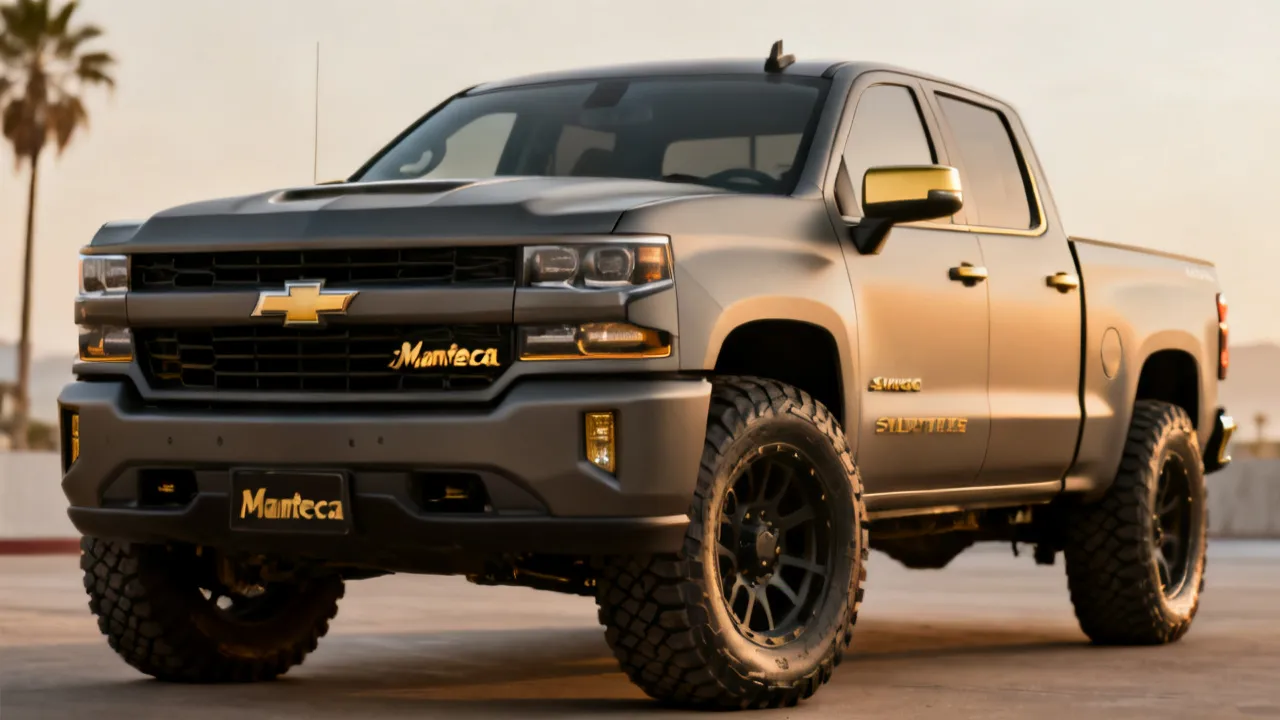
Chevy Silverado Manteca Edition: What to Know Before Buying
This guide explains the Chevy Silverado Manteca Edition and helps buyers evaluate how the “Manteca” styling and package approach cost, availability, and suitability. Objectively, the Silverado line is built for work-ready capability and broad trim customization, so edition-specific features typically target appearance, convenience, and select hardware. Use the comparison and checklist to match your needs.
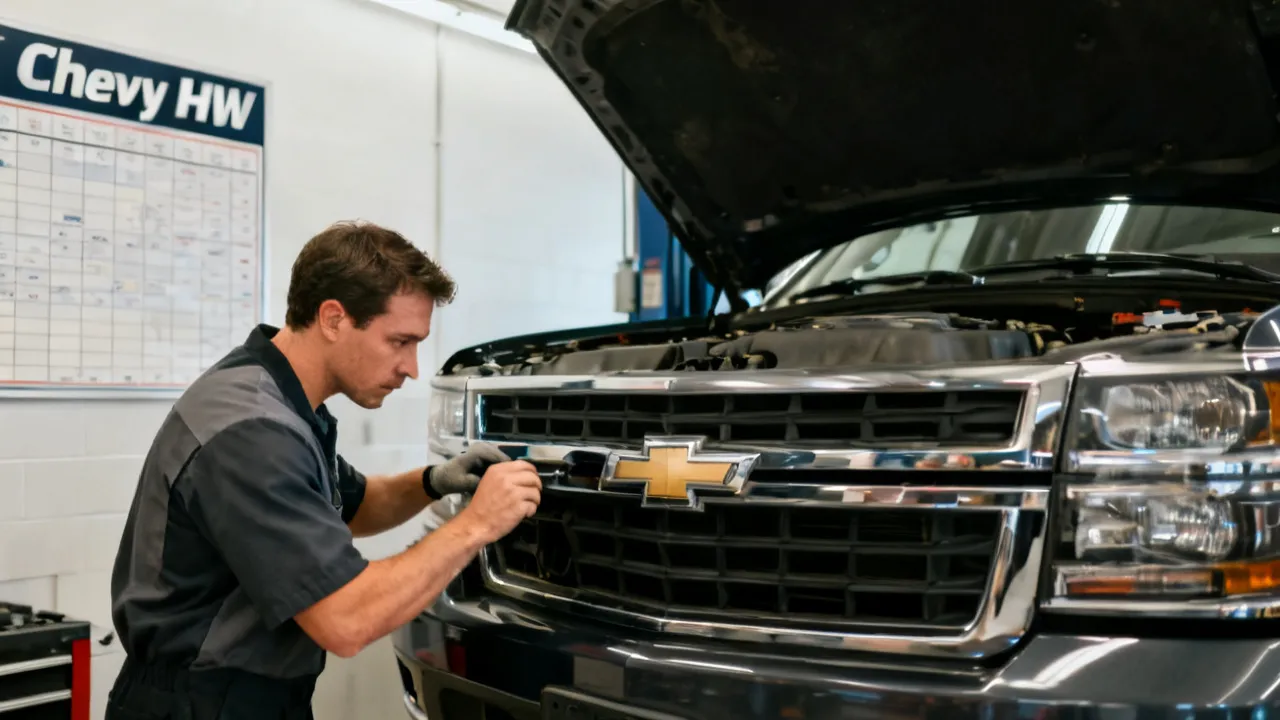
Understanding Chevy HW: Buying, Pricing, and Sourcing
This guide explains Chevy HW options, typical pricing drivers, and how to source reliably. “Chevy HW” is commonly used as a shorthand in automotive communities for a Chevrolet-related hardware or parts setup, often discussed alongside compatibility, condition, and supplier reliability. You’ll find an objective framework for evaluating offers, choosing suppliers, and confirming fitment before purchase.
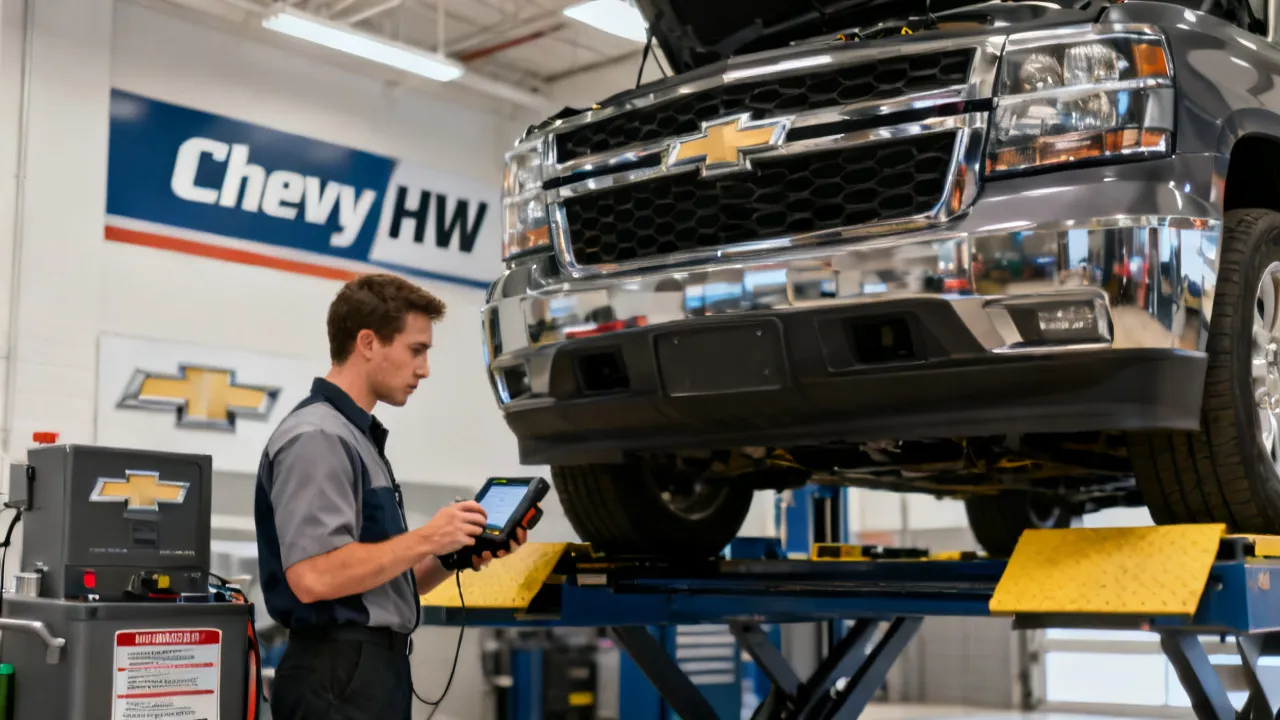
A Practical Guide to Chevy HW Selection
This guide explains how to evaluate “Chevy HW” options for durability, parts compatibility, and service outcomes. “Chevy HW” is commonly used as a shorthand term in the market to describe certain Chevrolet hardware and related components or kits. Objectively, buyers should prioritize fitment, documentation, and reputable supply chains before comparing price.
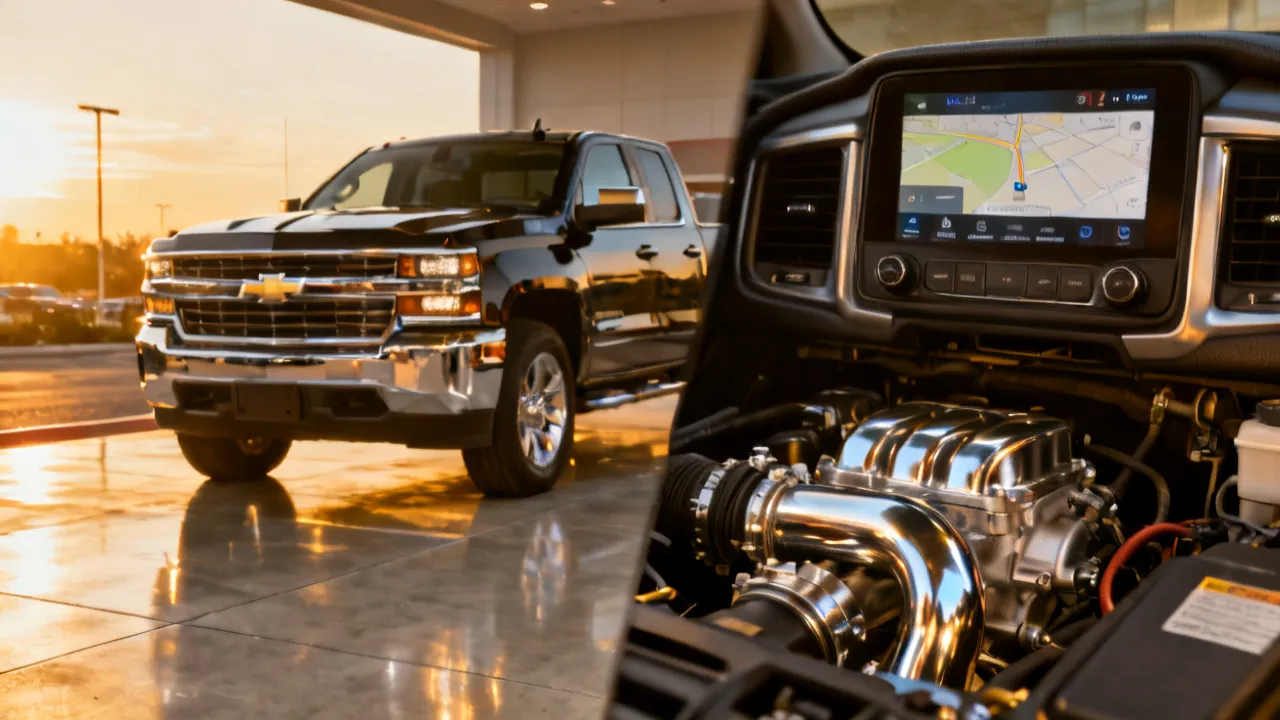
Chevy HW Guide: Pricing, Suppliers, and Buying Checklist
This guide explains what to evaluate when searching for Chevy HW options, including typical price ranges, supplier considerations, and practical buying conditions. Background context is provided on how “Chevy HW” is commonly used in the market, why sourcing matters, and what due diligence helps buyers avoid mismatches.
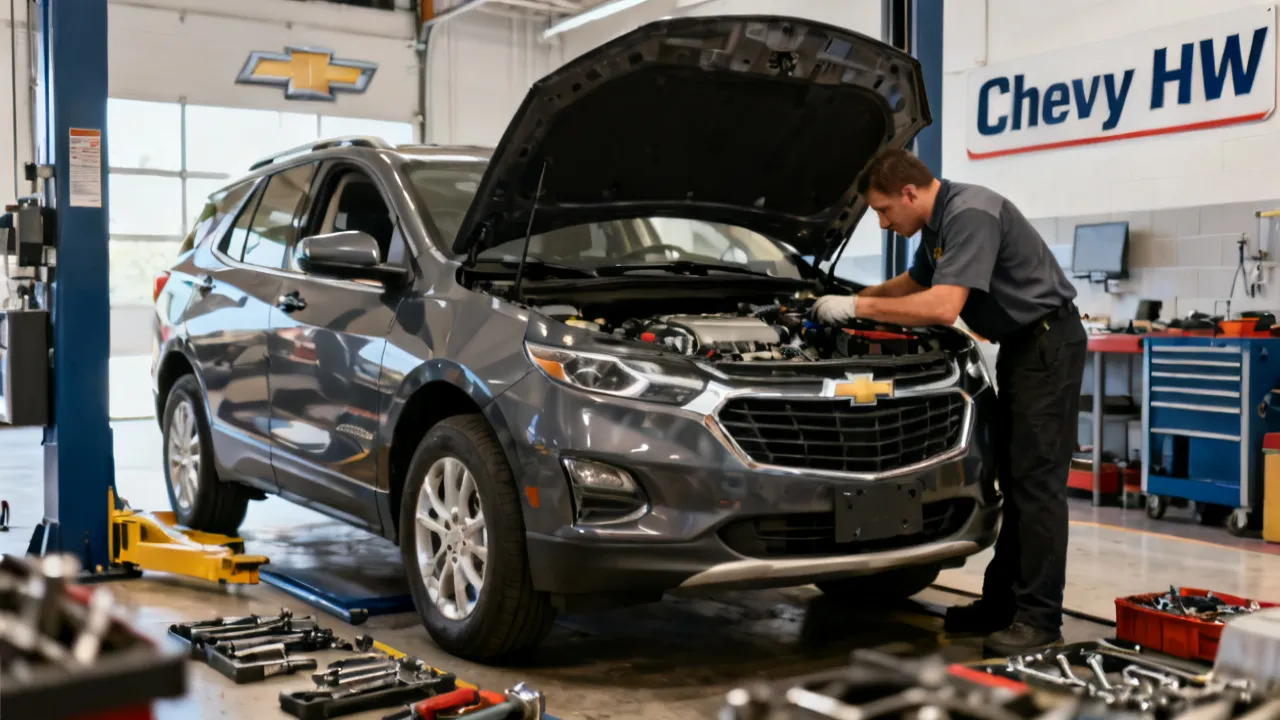
Understanding Chevy HW: Options, Sourcing, and Buying Guide
This guide explains how to evaluate Chevy HW options responsibly, focusing on fit, sourcing, and realistic total cost rather than hype. Background context clarifies what “Chevy HW” commonly refers to in enthusiast and parts circles, why compatibility matters, and how supplier credibility affects outcomes—helping readers ask the right questions before selecting parts or services.
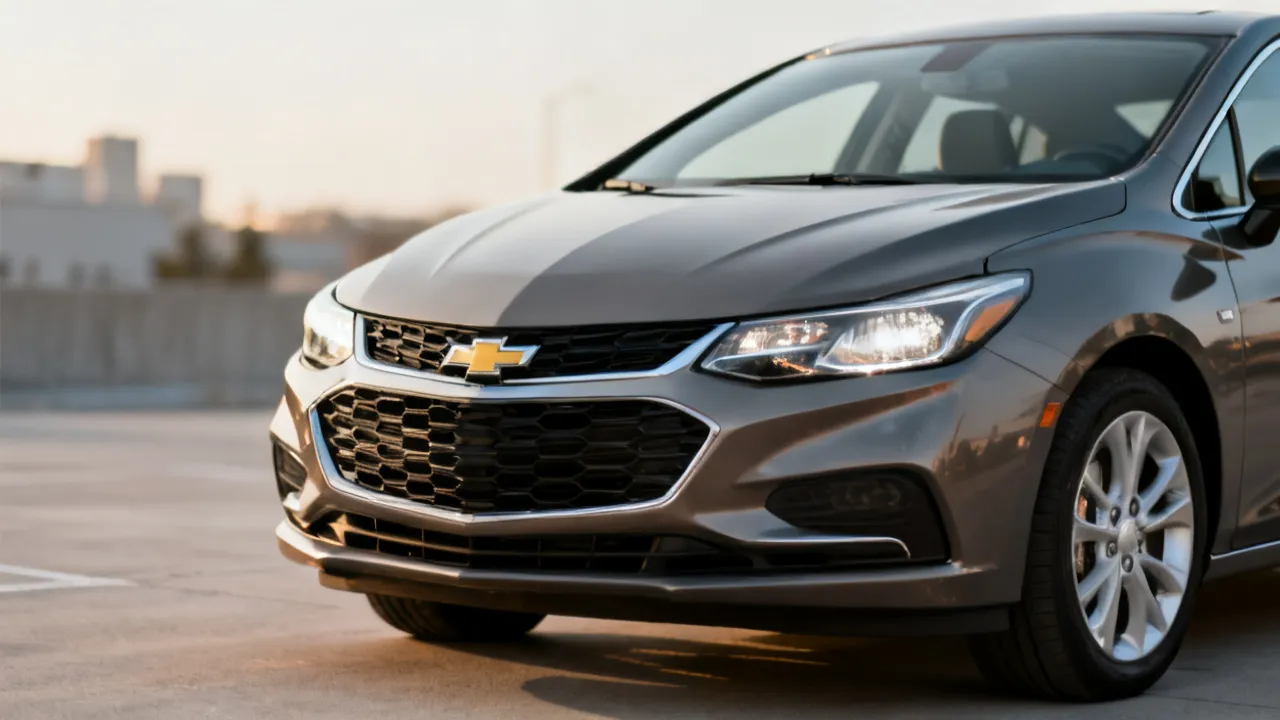
Buying and Sourcing the Cruze 2017 Wisely
This guide helps you evaluate the Cruze 2017 with a buyer’s mindset—focusing on condition checks, sourcing decisions, and ownership considerations. Objectively, “Cruze 2017” typically refers to the 2017 Chevrolet Cruze model, while “sourcing” covers how buyers compare listings from dealers or private sellers. You’ll also find criteria and requirements to reduce procurement risk.
