This article examines the significant contributions of Heuvel & Bondarouk (2016) to the field of Human Resource Management. Their work focuses on the integration of technology in HR practices and emphasizes the evolution of HRM in a digitally transforming world. By using advanced research methodologies, they present a framework that enhances understanding of strategic HRM innovations.

The realm of Human Resource Management (HRM) is continuously evolving, particularly with advancements in technology. Notably, Heuvel & Bondarouk (2016) have significantly contributed to this discourse, providing insights into how HRM can adapt in an increasingly digital environment. Their research has been influential within both academic circles and practical HR domains, advocating for strategic innovation in HR practices to enhance organizational effectiveness. As organizations globally strive for efficiency, the embrace of technological advancements becomes not just an option but a necessity. This shift is largely driven by the need for improved operational efficiencies, better engagement with employees, and the demand for informed decision-making processes that technology can significantly bolster.
In their seminal work, Heuvel & Bondarouk (2016) delve into the seamless integration of technology within HRM processes. They argue that technology not only supports routine HR functions but also transforms them, leading to more strategic roles that align closely with organizational goals. Their study emphasizes the importance of aligning HRM practices with technological advancements to foster a competitive advantage. The integration of technology enables HR professionals to strategically focus on high-value initiatives that contribute to organizational growth rather than getting bogged down in administrative tasks.
For instance, tools such as Applicant Tracking Systems (ATS), Human Resource Information Systems (HRIS), and performance management software not only digitize HR processes but also provide analytics and metrics that can lead to better decision-making outcomes. This shift towards a more analytical HR approach allows organizations to adapt more swiftly to workforce needs and market demands.
One of the pivotal aspects of Heuvel & Bondarouk’s research is the development of a framework that guides organizations in implementing strategic HRM innovations. This framework is built on the premise that innovation in HR requires a deliberate and structured approach to technology adoption. It involves clear stages, including:
| Stage | Description |
|---|---|
| Assessment | Evaluating current HR processes to identify potential areas for technological enhancement, such as considering employee feedback and current operational challenges. |
| Planning | Creating a strategic plan for integrating technology into HR practices, including timelines, resource allocation, and stakeholder involvement. |
| Execution | Implementing the technological solutions and innovations within the HR framework, providing necessary training to ensure effective use. Effective execution relies heavily on the engagement of all team members and may require ongoing support as employees adapt to new systems. |
| Evaluation | Continuously monitoring and analyzing the impact of these innovations, adjusting strategies as necessary to ensure maximum effectiveness and alignment with organizational goals. |
The introduction of technology into HRM, as discussed by Heuvel & Bondarouk, brings several benefits. Primarily, it enhances efficiency in HR processes, reducing the time and resources required for routine tasks. Additionally, it facilitates data-driven decision-making, allowing HR professionals to leverage insights from analytics to make informed decisions that align with organizational objectives. These technological enhancements lead to improved employee experiences, greater transparency, and the ability to track performance metrics more effectively.
Furthermore, automation of repetitive administrative tasks frees up HR personnel to engage in more strategic activities such as talent development and employee engagement. For example, AI-driven recruitment platforms can sift through thousands of applications, rank candidates based on criteria, and facilitate initial rounds of interviews through chatbots, significantly speeding up the hiring process while reducing human bias.
Moreover, adopting technology such as Learning Management Systems (LMS) revolutionizes employee training and development. These systems allow organizations to offer customized training programs that can be tailored to individual employee needs, ensuring a more engaged and capable workforce. This personalized approach to development results in heightened employee satisfaction and retention rates.
While the integration of technology in HRM promises significant advantages, Heuvel & Bondarouk also highlight potential challenges. Organizations may face resistance to change or encounter difficulties in aligning technological solutions with existing HR strategies. Moreover, there is a risk of data privacy concerns, necessitating robust security measures to safeguard employee information. Resistance can stem from a variety of factors including workforce demographics, varying levels of technological proficiency, and fear of job displacement due to automation.
Additionally, implementing new technologies often requires significant financial investment, which might not yield immediate returns. Organizations must consider the total cost of ownership, including ongoing maintenance, updates, and the training costs required to ensure comprehensive adoption across the team. Organizations that fail to provide thorough education and support during the transition may find themselves facing lower utilization rates of new tools.
Another critical consideration is the ethical implications of using technology in HRM. This includes ensuring that AI-driven processes do not exacerbate biases present in recruiting practices. As algorithms are trained on historical data, they can inadvertently perpetuate inequality unless carefully monitored and adjusted. Organizations must therefore prioritize diversity and inclusion, fostering practices that actively combat bias in their technological implementations.
One of the most impactful advancements in HRM is the use of technology in recruitment processes. Traditional recruitment methods can be labor-intensive and time-consuming, often leading to missed opportunities for securing top talent. Fortunately, technology provides a range of innovative solutions designed to streamline and enhance the recruitment process.
For instance, Applicant Tracking Systems not only facilitate the efficient management of the application process but also allow for the automation of communication with candidates, reducing the administrative burden on HR teams. Furthermore, these systems can incorporate artificial intelligence (AI) to enhance candidate screening processes, ensuring that only the most qualified individuals make it through to the interview stage.
Video interviewing platforms are another notable innovation, enabling organizations to conduct interviews remotely and more efficiently. This not only reduces costs associated with travel and venue logistics but also expands the talent pool by allowing organizations to consider candidates located in different geographical areas. Moreover, the incorporation of AI in assessing video interviews can provide an additional layer of objectivity, evaluating candidates based on verbal and non-verbal cues to identify their fit for the organization.
Despite the efficiency provided by these tools, organizations must also ensure that the human element of recruitment is not lost. Building relationships and understanding candidates on a personal level can still be critical, and HR professionals should leverage technology to complement, rather than replace, their human interactions.
Another crucial area where technology is making waves in HRM is in employee experience and engagement. The modern workforce desires a personalized experience much like those commonly found in their retail and digital experiences. HRM technology can deliver on this need by providing platforms that facilitate communication, collaboration, and feedback.
Enterprise Social Networks (ESNs), for example, allow employees to connect with colleagues across departments and geographies, fostering a sense of community within the organization. These platforms often include functionalities for sharing knowledge and resources, engaging in discussions, and recognizing achievements—all of which contribute to higher levels of engagement and job satisfaction.
Additionally, performance management systems that allow for continuous feedback, rather than relying on annual reviews, align with modern employee expectations. Employees appreciate more regular input on their performance and opportunities for growth. By adopting technology that facilitates ongoing feedback and coaching, organizations can cultivate a growth-oriented culture where employees feel valued and invested in their own professional development.
As technology continues to evolve, several trends are reshaping the landscape of HRM. One significant trend is the increased use of data analytics and artificial intelligence in decision-making processes. Predictive analytics can help organizations anticipate turnover, identify potential leaders, and inform succession planning strategies. Furthermore, AI can analyze data points far beyond human capability, revealing insights that can drive more effective talent strategies.
Remote work technology is also on the rise, especially as organizations adapt to the changing workforce landscape brought on by the COVID-19 pandemic. Organizations are increasingly implementing solutions that support remote work, allowing them to attract talent from a broader geographic area without the limitations of physical office space. This shift not only fosters flexibility in work arrangements but also enhances work-life balance for employees, contributing to overall well-being and job satisfaction.
Additionally, an ongoing trend is the focus on well-being and mental health within the workplace. Employers are leveraging technology through wellness apps and platforms that provide resources for mental health and wellness support. This proactive approach to employee well-being is critical, as organizations recognize the link between happy employees and productivity. Implementing wellness programs that are easily accessible through technological solutions underscores the commitment organizations are making to fostering a supportive work environment.
The work of Heuvel & Bondarouk (2016) offers a comprehensive guide for organizations eager to modernize their HR practices through technological innovation. By following their framework, businesses can not only improve efficiency but also elevate the strategic role of HR within their organizational structure. As technology continues to advance, the principles set forth by these scholars remain invaluable for future-proofing HRM practices. The implications of their work go beyond just enhanced functionalities; they represent a paradigm shift in the way organizations think about and manage their human capital.
In conclusion, embracing technological innovations in HRM is essential for organizations wishing to thrive in today’s fast-paced and competitive business environment. With the rise of digital transformation, HR can pursue innovative practices that maximize employee potential while aligning with overall business objectives. As such, organizations must not only invest in new technologies but also cultivate a culture that embraces change and values agility, empowering HR professionals to lead the charge of organizational innovation.
Striking the Perfect Balance: Navigating Premiums and Out-of-Pocket Expenses in Senior Insurance Plans

Explore the Tranquil Bliss of Idyllic Rural Retreats

How to Make Lasting Memories at Disneyland Attractions

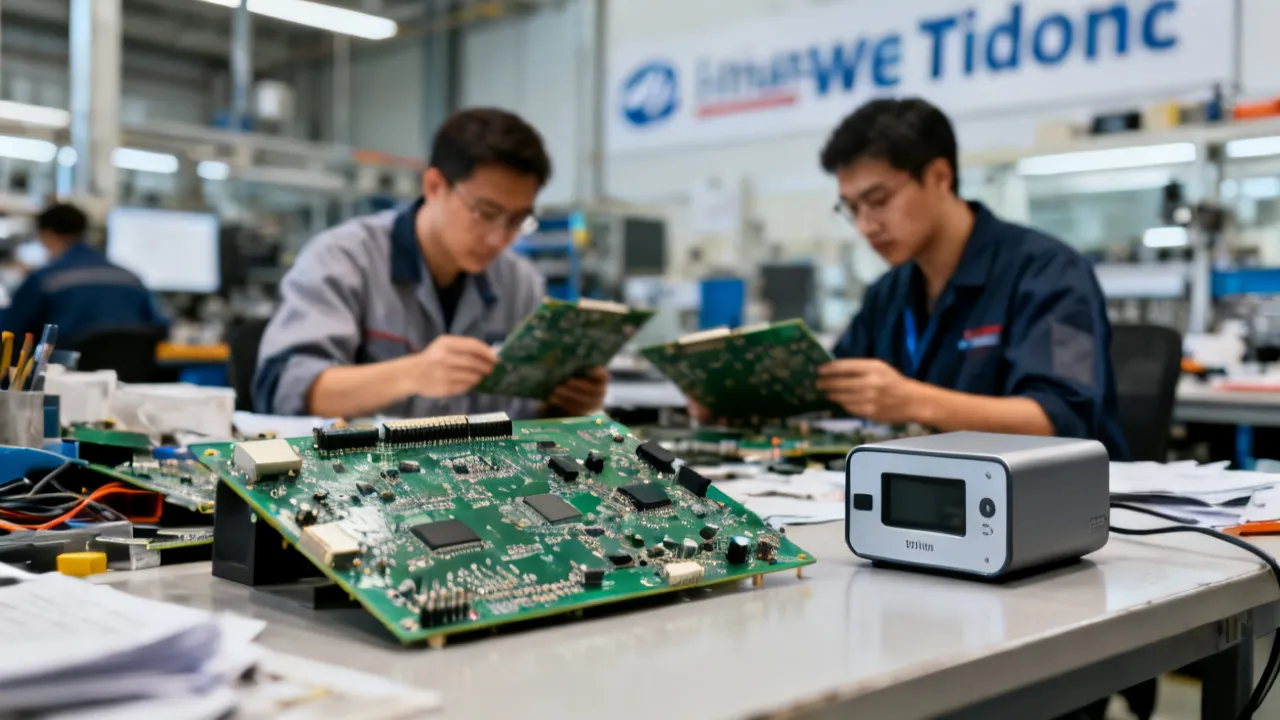
4rkojvsx Technology: Industry Insights and Buying Guide
Affordable Phones and Plans for Seniors

Affordable Full Mouth Dental Implants Near You

Unlock the Top Kept Secrets to Finding Your Ideal Dentist for Flawless Dental Implant Results!

Discovering Springdale Estates

Unveiling RS Sul Telecom Services

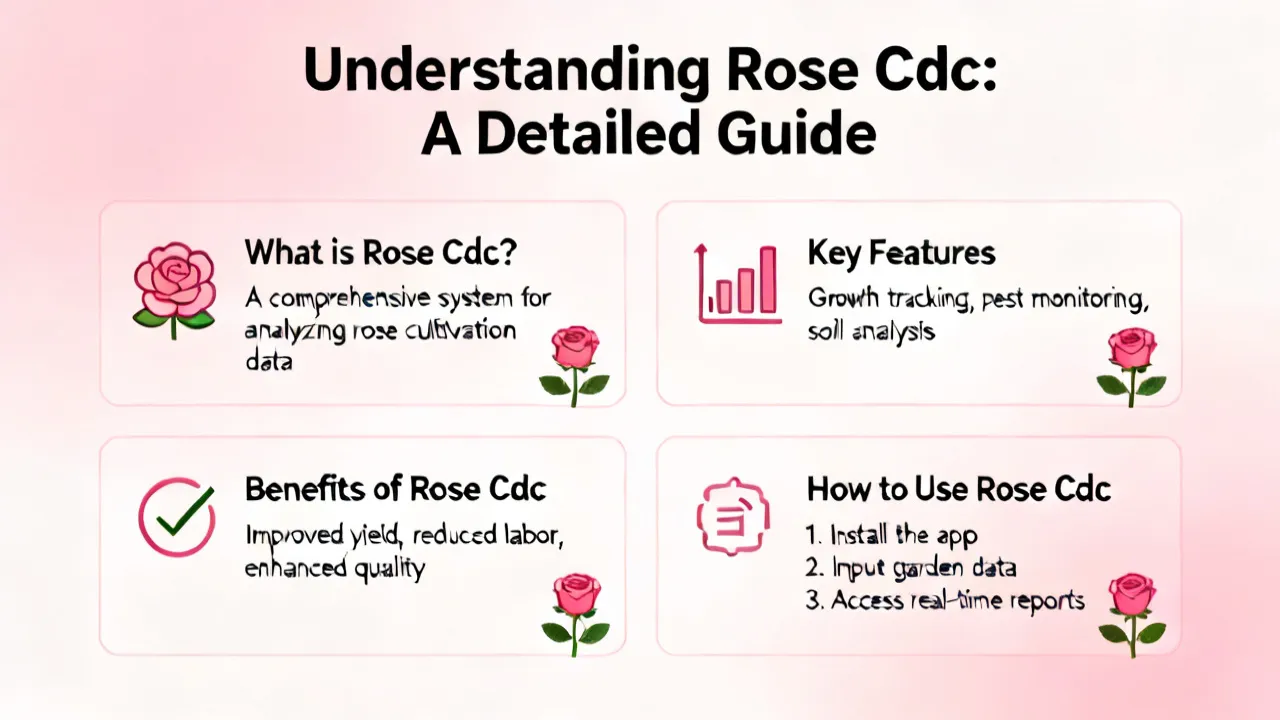
Understanding Rose Cdc: A Comprehensive Guide
This article provides an in-depth exploration of Rose Cdc, a term rapidly gaining attention in specific industries. Our discussion delves into the significance and application of Rose Cdc, its potential impact on various sectors, and expert insights into its future developments. This comprehensive analysis is designed to inform readers about the multifaceted aspects of Rose Cdc, its current applications, and potential advancements.

Understanding Compliance and AML Strategies
This article delves into the intricate realm of Compliance and Anti-Money Laundering (AML) strategies, highlighting their significance in the corporate world. Compliance AML refers to the organizational adherence to legal standards and regulations to deter financial crimes, ensuring transparent and ethical financial practices. This comprehensive guide examines these strategies' complexities and their pivotal role in safeguarding economic integrity.

Mastering Inbound B2B Strategies
The foundation of successful B2B strategies often lies in the effective implementation of inbound marketing techniques. In today's globally connected business environment, inbound B2B strategies have become critical for companies seeking to engage target audiences, optimize lead generation, and establish long-lasting partnerships. Understanding these strategies is essential for companies aiming to thrive in competitive markets.

Exploring B2B MBA Opportunities
Dive into the dynamic world of B2B MBA programs, designed for professionals seeking to enhance their strategic and management skills in a business-to-business context. This comprehensive guide discusses the significance of B2B MBAs in today's market, highlighting how these programs equip leaders with the expertise to navigate complex B2B relationships and drive business success.

Understanding Whitewater Regenerative Blowers
Whitewater Regenerative Blowers are essential in various industrial applications for their efficiency in moving air and gases. These blowers are known for their durability and ability to operate continuously, making them a preferred choice for industries ranging from wastewater treatment to aquaculture. This article explores their features, benefits, and applications, offering readers a comprehensive understanding of their importance in modern industry.

Mastering Employee Retention Strategies
Employee retention has become a critical aspect of organizational success, particularly in the dynamic landscape of 2020. As businesses strive to maintain a stable and productive workforce, understanding effective retention strategies is essential. This article delves into key methods for enhancing employee satisfaction and retention, offering a comprehensive guide for HR professionals and business leaders alike.
