This article delves into the insights presented by Heuvel & Bondarouk in their 2016 study on Human Resource Management's evolving landscape. By examining their methodologies and conclusions, it provides a comprehensive overview of strategic HRM practices. Understanding these concepts is crucial for businesses aiming to enhance employee engagement and organizational performance.
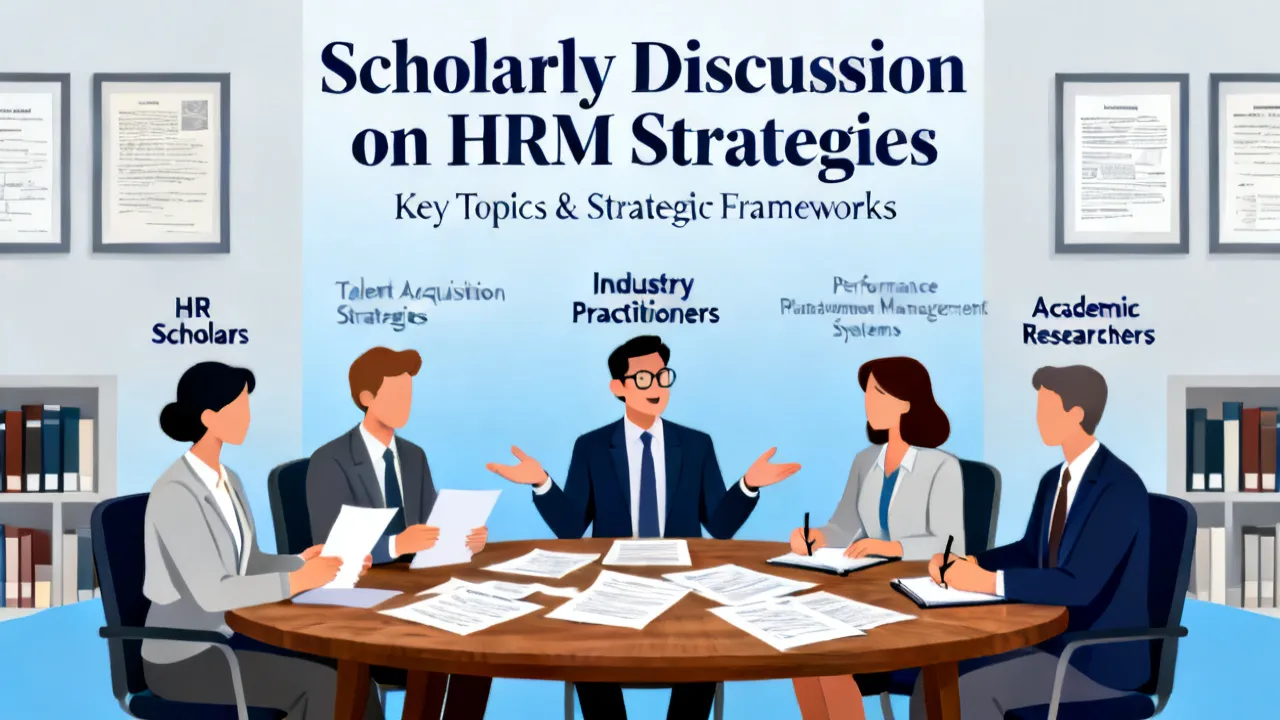
The field of Human Resource Management (HRM) continually evolves, influenced by both academic research and practical implementations. A significant contribution to this domain comes from Heuvel & Bondarouk's 2016 study, which sheds light on strategic HRM practices aimed at optimizing organizational performance through innovative employee management strategies. In today's rapidly changing business climate, HRM plays a crucial role in shaping the workforce, adapting to new technological advancements, and addressing the complexities associated with human capital management.
Published in a time of significant change within the HR industry, Heuvel & Bondarouk's work addresses the integration of technology with human resources. Their research focuses on leveraging digital tools to enhance HR functions and the strategic alignment of HR practices with business goals. This approach underscores the need for HR to transition from traditional roles to becoming a strategic partner in organizational development. Their findings suggest that HR departments must evolve to meet the demands of modern organizations, focusing on not just the welfare of employees, but also on how human resources can drive organizational effectiveness and competitiveness.
The core elements of Heuvel & Bondarouk’s study can be dissected into key areas: digital HR, employee engagement, and strategic alignment.
Digital integration lies at the heart of modern HR strategies. Heuvel & Bondarouk argue that technologies like human resource information systems (HRIS), cloud computing, and AI are not merely adjuncts but central to today’s HR operations. These technologies streamline processes, provide real-time data analytics, and facilitate a more cohesive workplace environment. By adopting HRIS, organizations can automate routine HR tasks, thus freeing up HR professionals to focus on more strategic initiatives.
Moreover, the use of cloud-based solutions allows for remote access to HR data, making it easier for businesses to adapt to the increasingly mobile and flexible work environments. This technology enhances collaboration, enabling HR teams to work effectively across different geographical locations and time zones. Additionally, advanced analytics and AI tools enable managers to make data-driven decisions regarding talent management, recruitment strategies, and workforce planning.
For example, predictive analytics can help in understanding employee turnover trends, allowing organizations to implement strategies aimed at retention. By harnessing such technologies, HR departments can eliminate inefficiencies, reduce errors, and adapt quickly to changing workforce dynamics.
Engagement remains a pivotal focus in HRM strategies. According to Heuvel & Bondarouk, organizations should foster a culture that supports open communication, recognizes achievements, and provides continuous professional development opportunities. By so doing, they can create a motivated workforce that aligns with organizational goals. Employee engagement has emerged as a critical factor associated with increased organizational performance, reduced turnover, and higher levels of job satisfaction.
To enhance employee engagement, it is essential for managers to establish a feedback-rich environment. Regular performance discussions, acknowledgment of contributions, and opportunities for advancement should be integrated into the organizational culture. Tools such as employee engagement surveys can be utilized to gain insights into employee sentiments and areas requiring attention.
An illustrative case can be seen in organizations that adopted gamification strategies to encourage engagement. By incorporating game-like elements into daily tasks and recognition processes, employees find their work more enjoyable and fulfilling, resulting in increased motivation and productivity. Consequently, it becomes imperative for leaders to prioritize engagement as an ongoing process rather than a one-time initiative.
Heuvel & Bondarouk’s 2016 study also emphasizes the importance of aligning HR strategies with the organization’s overarching goals. This transformation involves HR professionals taking on roles that contribute directly to strategic decision-making. It suggests that businesses should view HR departments not as cost centers but as integral to the strategic framework that drives business results. There exists a growing recognition that effective talent management and workforce development are essential drivers of competitive advantage.
The commitment to strategic alignment requires HR leaders to possess a deep understanding of the business landscape, market trends, and the competitive environment in which their organization operates. HR professionals need to gather and analyze relevant data that supports strategic initiatives, thereby connecting workforce capabilities to organizational objectives.
For instance, during periods of organizational change or transformation, HR can play a leading role in managing transitions, ensuring that employees are prepared, engaged, and equipped with the necessary skills to adapt. By actively participating in high-level planning discussions, HR can advocate for employee development initiatives that align with future workforce needs, fostering a proactive culture that supports long-term organizational growth.
To operationalize the insights derived from Heuvel & Bondarouk’s study, organizations must adopt a systematic approach to implement strategic HRM practices. This entails assessing the current HR capabilities within the organization, identifying areas for improvement, and formulating a coherent strategy that aligns HR objectives with business goals.
One of the first steps entails conducting a comprehensive needs assessment involving stakeholders at every level of the organization. This should include feedback from employees, leadership, and other relevant parties to understand the existing HR climate and effectiveness. Through this assessment, organizations can pinpoint gaps in skills, resources, and strategic alignment, ensuring that HR strategies are tailored to meet specific organizational needs.
Furthermore, as organizations pursue technological integration, it is essential to invest in training and development for HR professionals. This ensures they are equipped with the skills necessary to implement and utilize digital HR tools effectively. Hence, continuous education and training should be established as core components of HR development, allowing staff to stay abreast of emerging trends and technologies.
Lastly, measuring the impact of strategic HRM practices is vital for demonstrating value and refining approaches. Organizations should establish key performance indicators (KPIs) aligned with business objectives. Regularly evaluating HR initiatives against these metrics can provide insights into their effectiveness and necessary adjustments.
Case studies provide practical insights into how organizations implement strategic HRM practices effectively. Companies such as Google, Zappos, and Unilever have adopted innovative HR strategies that showcase the principles outlined by Heuvel & Bondarouk. Each of these organizations demonstrates unique approaches to HRM that align with their strategic objectives and incorporate technological advancements.
For instance, Google’s HR practices are characterized by a strong emphasis on data analytics in decision-making. The company uses performance data to inform its recruitment processes, employee development, and overall culture-building efforts. Their commitment to employee engagement is evident in their focus on creating a collaborative and inclusive workplace where employees feel empowered to innovate. Additionally, by leveraging advanced HR technologies, Google has optimized its processes for talent acquisition and retention, ensuring that it continually attracts and retains top talent.
Similarly, Zappos is renowned for its unconventional approach to employee engagement. The company is famous for its unique corporate culture that prioritizes employee happiness and work-life balance. Zappos employs a holacratic structure, where traditional management hierarchies are dissolved in favor of a system that promotes self-management among teams. This approach not only engages employees but also aligns with Zappos’ core business objectives of providing exceptional customer service.
Unilever, a global consumer goods company, has also embraced strategic HRM by implementing sustainable workforce practices. Their HR strategy focuses on building a diverse and inclusive workforce, which they view as crucial for driving innovation and customer relevance. Unilever has integrated technological tools to improve their recruitment processes and enhance employee development programs, fostering an environment of ongoing learning and adaptability. By aligning their HR practices with broader sustainability goals, Unilever reinforces its commitment to social and environmental responsibility while enhancing its brand reputation.
Incorporating Heuvel & Bondarouk’s insights from their 2016 study into practical HR strategies involves embracing technological advancements, fostering employee engagement, and ensuring strategic alignment with business objectives. As companies navigate the complexities of modern business landscapes, these strategies offer a roadmap for leveraging human capital as a critical driver of success. By creating a proactive and responsive HR framework, businesses can ensure that they are not only equipped to meet current challenges but also positioned for future growth and transformation.
Ultimately, it is the responsibility of HR leaders to champion the strategic management of human capital within their organizations. This requires active participation in business discussions, ongoing education, and collaborative partnerships with various stakeholders. HRD must not only react to changes but anticipate them, fostering an environment where employees can thrive and contribute to the organization's overall mission. With the right strategies and alignment in place, human resources can become a key enabler of organizational success in an increasingly competitive and dynamic business environment.
Striking the Perfect Balance: Navigating Premiums and Out-of-Pocket Expenses in Senior Insurance Plans

Explore the Tranquil Bliss of Idyllic Rural Retreats

How to Make Lasting Memories at Disneyland Attractions

4rkojvsx Technology: Industry Insights and Buying Guide

Affordable Phones and Plans for Seniors

Affordable Full Mouth Dental Implants Near You

Unlock the Top Kept Secrets to Finding Your Ideal Dentist for Flawless Dental Implant Results!

Discovering Springdale Estates

Unveiling RS Sul Telecom Services

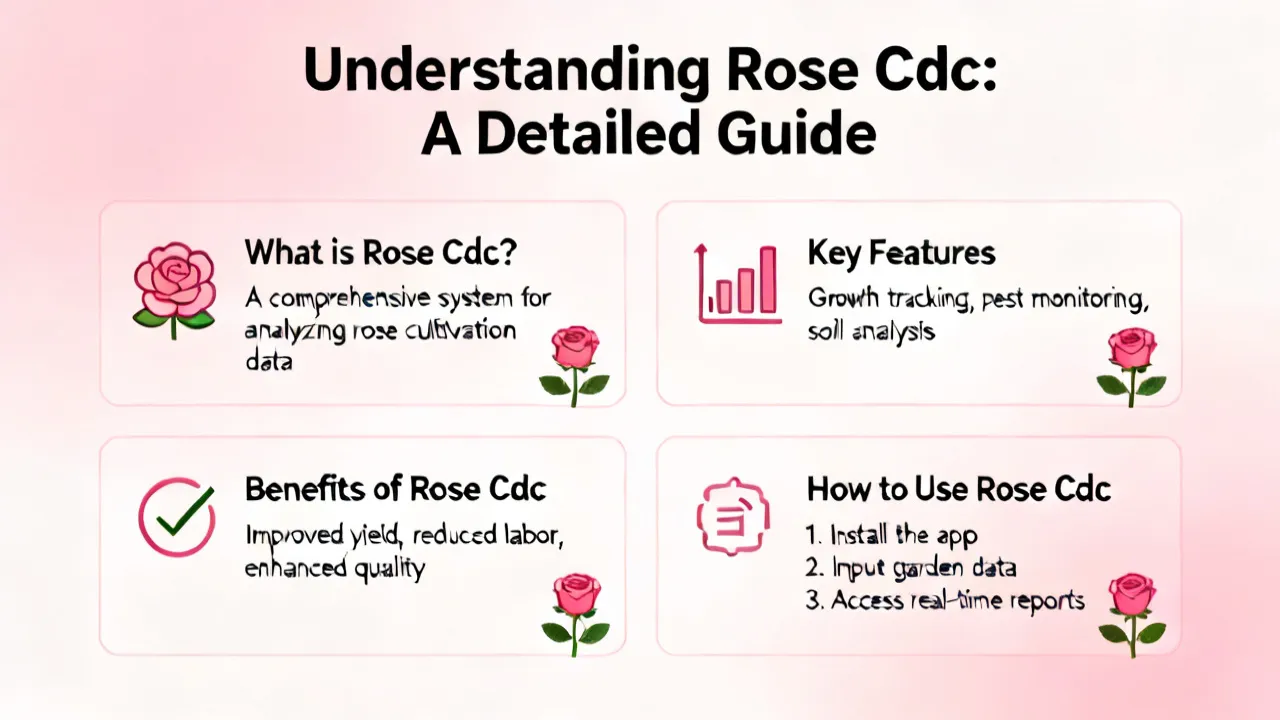
Understanding Rose Cdc: A Comprehensive Guide
This article provides an in-depth exploration of Rose Cdc, a term rapidly gaining attention in specific industries. Our discussion delves into the significance and application of Rose Cdc, its potential impact on various sectors, and expert insights into its future developments. This comprehensive analysis is designed to inform readers about the multifaceted aspects of Rose Cdc, its current applications, and potential advancements.

Understanding Compliance and AML Strategies
This article delves into the intricate realm of Compliance and Anti-Money Laundering (AML) strategies, highlighting their significance in the corporate world. Compliance AML refers to the organizational adherence to legal standards and regulations to deter financial crimes, ensuring transparent and ethical financial practices. This comprehensive guide examines these strategies' complexities and their pivotal role in safeguarding economic integrity.
Mastering Inbound B2B Strategies
The foundation of successful B2B strategies often lies in the effective implementation of inbound marketing techniques. In today's globally connected business environment, inbound B2B strategies have become critical for companies seeking to engage target audiences, optimize lead generation, and establish long-lasting partnerships. Understanding these strategies is essential for companies aiming to thrive in competitive markets.

Exploring B2B MBA Opportunities
Dive into the dynamic world of B2B MBA programs, designed for professionals seeking to enhance their strategic and management skills in a business-to-business context. This comprehensive guide discusses the significance of B2B MBAs in today's market, highlighting how these programs equip leaders with the expertise to navigate complex B2B relationships and drive business success.

Understanding Whitewater Regenerative Blowers
Whitewater Regenerative Blowers are essential in various industrial applications for their efficiency in moving air and gases. These blowers are known for their durability and ability to operate continuously, making them a preferred choice for industries ranging from wastewater treatment to aquaculture. This article explores their features, benefits, and applications, offering readers a comprehensive understanding of their importance in modern industry.

Mastering Employee Retention Strategies
Employee retention has become a critical aspect of organizational success, particularly in the dynamic landscape of 2020. As businesses strive to maintain a stable and productive workforce, understanding effective retention strategies is essential. This article delves into key methods for enhancing employee satisfaction and retention, offering a comprehensive guide for HR professionals and business leaders alike.
