The 6ms Ishikawa diagram is a vital tool in lean manufacturing, used to analyze and identify potential causes of problems. Developed by Kaoru Ishikawa, the framework focuses on six categories: Machine, Method, Material, Manpower, Measurement, and Mother Nature. This article explores its application in optimizing manufacturing processes for efficiency and quality control.

In the ever-evolving landscape of manufacturing, identifying the root causes of production problems is critical. The 6ms Ishikawa diagram, a cornerstone of lean manufacturing, provides a structured approach to identifying potential sources of defects or inefficiencies. Developed by Kaoru Ishikawa, a pioneer in quality management practices, this framework categorizes potential causes into six key areas—Machine, Method, Material, Manpower, Measurement, and Mother Nature. By using this diagram, manufacturers can systematically explore each area to enhance their process quality and efficiency. Manufacturing environments often face challenges such as rising costs, increasing competition, and the need for greater flexibility, which makes it essential to adopt strategic tools like the 6ms Ishikawa diagram to maintain competitive advantage and ensure sustainable growth.
Each category within the 6ms Ishikawa framework plays a distinct role in the problem-solving process, facilitating a comprehensive analysis of various factors affecting production efficiency.
The 6ms Ishikawa diagram serves as a visual tool that assists teams in brainstorming and categorizing potential causes of an observed issue. Here's a detailed step-by-step guide to applying the 6ms Ishikawa diagram in a practical setting, ensuring a comprehensive analysis:
| Step | Action |
|---|---|
| 1. Define the Problem | Clearly articulate the issue to ensure that all team members understand the scope and impact. This step involves gathering preliminary data and articulating a clear problem statement that outlines why the issue matters and how it affects the business. |
| 2. Draw the Diagram | Create the fishbone diagram using the six main categories as branches extending from the identified problem. This visual representation helps in organizing thoughts and provides a clear structure for further exploration. |
| 3. Brainstorm Potential Causes | Hold a brainstorming session with your team to identify possible causes under each category. Encourage participation from all levels of the team to gain diverse perspectives and insights that may not be immediately apparent during discussions. |
| 4. Analyze and Prioritize | Evaluate the contributed causes to determine which ones are likely impacting the problem significantly. Use techniques such as the Pareto Principle (80/20 rule) to identify the most critical causes that warrant further investigation and solution development. |
| 5. Develop Action Plans | Create strategies to address the prioritized causes and monitor the impact of implemented solutions. Assign action items to team members and set timelines for follow-up to ensure accountability and ongoing evaluation of improvements. |
Integrating the 6ms Ishikawa diagram into manufacturing practices offers numerous benefits:
What is the primary purpose of the 6ms Ishikawa diagram?
The primary purpose is to identify and categorize potential causes of a problem to enhance manufacturing efficiency and effectiveness. By utilizing the 6ms framework, organizations can drill down into the nuances of issues and discover interconnected factors that may be contributing to perceived inefficiencies.
Can the 6ms Ishikawa diagram be used in non-manufacturing industries?
Yes, its structured approach can be adapted to various industries for quality and process improvement. The principles of root cause analysis and continuous improvement are universal and applicable in sectors such as healthcare, services, information technology, and beyond. In each of these sectors, adapting the categories to suit the specific challenges faced can yield beneficial insights and solutions.
How often should a company use the 6ms Ishikawa diagram?
It is beneficial to use the diagram whenever there is a recurring issue or when initiating new processes and projects. Regular training on this tool should be encouraged to ensure team readiness to employ the diagram effectively as challenges arise.
To illustrate the practical application of the 6ms Ishikawa diagram, let us consider a fictional case study involving a manufacturing company, "ABC Widgets," that produces custom mechanical parts. Over the last quarter, ABC Widgets has experienced a significant increase in customer complaints related to product defects. The management team has decided to adopt the 6ms Ishikawa approach to tackle this issue and restore their reputation for quality.
The team begins by defining the problem statement: "Increase in customer-reported defects in mechanical parts, negatively affecting customer satisfaction and company reputation." After reaching a consensus on this issue, they draw the Ishikawa diagram in a collaborative workshop setting, allocating time for thorough discussion about potential causes.
During brainstorming, team members identify several factors under each category:
Once the causes were analyzed, the team discussed priorities and identified that the most critical issues lay within the Method and Measurement categories. The management team, alongside department heads, developed action plans to implement new SOPs and stringent quality controls. In addition, they sought out upgraded machinery while instilling a clearer training regimen for all employees, ensuring inclusivity across experience levels. After documenting their process, regular reviews were scheduled to assess implementation success while remaining agile to adapt to unexpected challenges during transition periods.
Following these interventions, ABC Widgets saw a reduction in product defects within three months. Customer satisfaction ratings began to improve, and employees reported feeling more engaged and valued in their roles. The case highlights how effective implementation of the 6ms Ishikawa diagram can lead to sustainable improvements and reestablish a company’s commitment to quality.
The 6ms Ishikawa diagram remains an indispensable tool for manufacturers aiming to optimize their operations. By systematically addressing each category, companies can progressively refine their processes, minimize defects, and enhance product quality. Adopting this framework empowers organizations to identify root causes in a structured manner and foster a culture of continuous improvement that is deeply embedded within their operational ethos. This ongoing commitment signifies dedication to excellence in an increasingly competitive global market, thereby affirming the lasting relevance of Ishikawa’s contributions to quality management practices and problem-solving approaches across diverse industries. Embracing the 6ms Ishikawa diagram is not just about resolving a single issue; it’s about cultivating resilience and agility in the organization to effectively face future challenges.
Striking the Perfect Balance: Navigating Premiums and Out-of-Pocket Expenses in Senior Insurance Plans

Explore the Tranquil Bliss of Idyllic Rural Retreats

How to Make Lasting Memories at Disneyland Attractions

Affordable Phones and Plans for Seniors

Affordable Full Mouth Dental Implants Near You

Unlock the Top Kept Secrets to Finding Your Ideal Dentist for Flawless Dental Implant Results!

Discovering Springdale Estates

Unveiling RS Sul Telecom Services

The Guide to Car Trading


Understanding Compliance and AML Strategies
This article delves into the intricate realm of Compliance and Anti-Money Laundering (AML) strategies, highlighting their significance in the corporate world. Compliance AML refers to the organizational adherence to legal standards and regulations to deter financial crimes, ensuring transparent and ethical financial practices. This comprehensive guide examines these strategies' complexities and their pivotal role in safeguarding economic integrity.

Mastering Inbound B2B Strategies
The foundation of successful B2B strategies often lies in the effective implementation of inbound marketing techniques. In today's globally connected business environment, inbound B2B strategies have become critical for companies seeking to engage target audiences, optimize lead generation, and establish long-lasting partnerships. Understanding these strategies is essential for companies aiming to thrive in competitive markets.

Exploring B2B MBA Opportunities
Dive into the dynamic world of B2B MBA programs, designed for professionals seeking to enhance their strategic and management skills in a business-to-business context. This comprehensive guide discusses the significance of B2B MBAs in today's market, highlighting how these programs equip leaders with the expertise to navigate complex B2B relationships and drive business success.
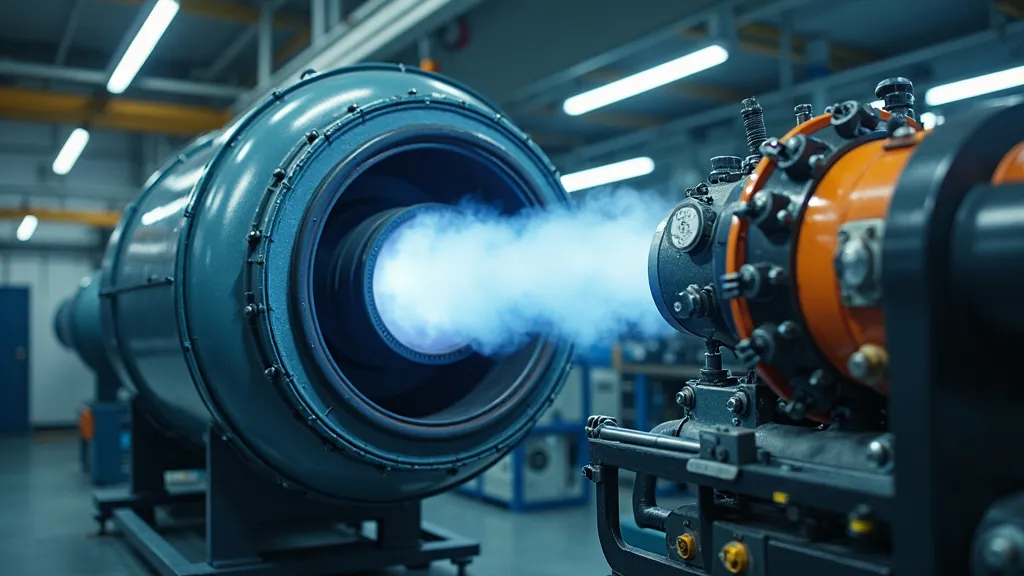
Understanding Whitewater Regenerative Blowers
Whitewater Regenerative Blowers are essential in various industrial applications for their efficiency in moving air and gases. These blowers are known for their durability and ability to operate continuously, making them a preferred choice for industries ranging from wastewater treatment to aquaculture. This article explores their features, benefits, and applications, offering readers a comprehensive understanding of their importance in modern industry.

Mastering Employee Retention Strategies
Employee retention has become a critical aspect of organizational success, particularly in the dynamic landscape of 2020. As businesses strive to maintain a stable and productive workforce, understanding effective retention strategies is essential. This article delves into key methods for enhancing employee satisfaction and retention, offering a comprehensive guide for HR professionals and business leaders alike.

Discover the Allure of Splendys
Splendys stands as a beacon of innovation and style within the consumer goods sector. Known for their commitment to quality and style, Splendys products range from luxury apparel to sophisticated home decor with a modern twist. Their unique offerings cater to discerning customers seeking both function and aesthetics, positioning Splendys at the forefront of contemporary design excellence.
