This article delves into the complexities of the global commodity market, a backbone of global trade that influences everything from food prices to energy consumption. Commodities are raw materials or primary agricultural products that can be bought and sold, such as gold, oil, or wheat. Understanding how these markets operate is crucial for businesses, investors, and policymakers worldwide.
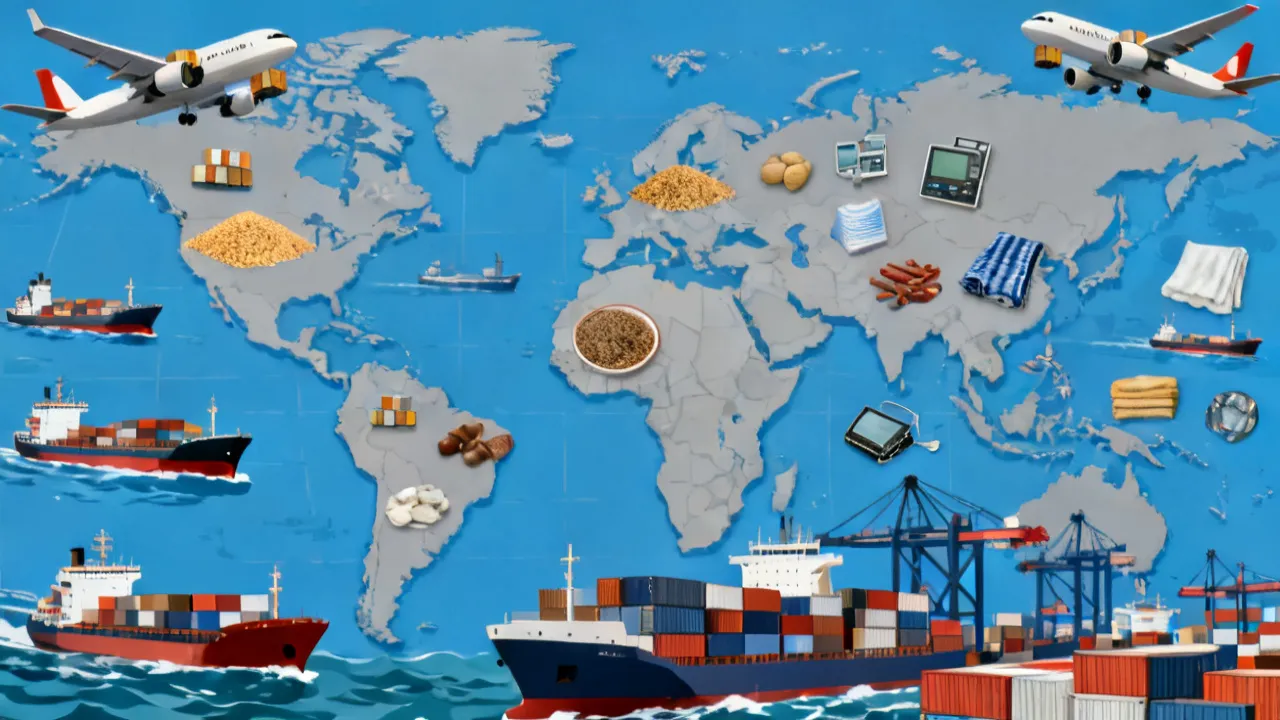
Commodities serve as the building blocks of the global economy. They are standardized goods, traditionally classified into groups like metals, energy, and agriculture, each with unique trading characteristics. The origin of the commodity trade dates back centuries and forms an integral part of modern economic systems. Historically, commodities were traded in local markets where bartering was common. Gradually, this evolved into more complex trading systems, with the establishment of commodity exchanges that facilitated standardized trading. The significance of commodities cannot be overstated; they underpin industries, support livelihoods, and have, in many cases, shaped nations.
In the current landscape, commodities like crude oil, natural gas, gold, and agricultural products play pivotal roles. Crude oil remains a major energy source, with significant influence on global politics and economies. The intricate relationship between oil prices and geopolitical stability is profound; for instance, oil supply disruptions due to sanctions or conflict can lead to a ripple effect on economies worldwide. Gold, often a safe-haven asset, is valued for its stability during economic uncertainty, leading investors to flock towards it during periods of volatility in stock markets. Additionally, agricultural commodities such as wheat, corn, and soybeans are fundamentally crucial, impacting food security and economies of nations dependent on agriculture.
Understanding these commodities is essential for grasping how they impact everything from inflation rates to currency values. The demand for certain goods shifts as populations grow and change their consumption patterns; for example, the rising global middle class increases the demand for energy and food, significantly affecting commodities linked to these sectors. Such trends lead analysts and investors to continually assess the future landscape of these vital resources.
The pricing of commodities is influenced by several factors, including supply and demand dynamics, geopolitical events, currency fluctuations, and technological advances. Commodity exchanges, like the New York Mercantile Exchange (NYMEX) or the London Metal Exchange (LME), are platforms where these products are traded, offering futures contracts which help stakeholders hedge against price volatility. The prices of commodities are determined in a dynamic environment where every fluctuation can lead to shifts in market sentiment. Traders analyze historical data, including production rates and consumption levels, to forecast trends and make informed trading decisions.
In the age of information, news plays a critical role in price movement as well. For instance, unexpected weather patterns impacting agricultural yields can cause significant shifts in commodity prices almost overnight. Similarly, political decisions or natural disasters in oil-producing countries can create waves across international markets. As more sophisticated tools and models emerge, traders leverage data analytics to predict market trends more accurately, aiding in the trading decision-making process.
| Factor | Influence |
|---|---|
| Supply and Demand | Fundamental driver of commodity prices—excess supply typically lowers prices, while high demand elevates them. |
| Geopolitical Events | Conflicts or trade agreements can disrupt the supply chain, affecting prices directly. |
| Technological Developments | Advancements can lower production costs or introduce alternative products affecting demand for specific commodities. |
| Currency Exchange Rates | Commodities are often priced in US dollars; changes in currency values can influence commodity prices globally. |
| Weather Conditions | Extreme weather can impact crop yields, and therefore prices, especially in agricultural commodities. |
| Market Sentiment | Trader sentiment can create price volatility, irrespective of fundamental supply and demand metrics. |
Commodities impact the global economy in multifaceted ways. For exporting countries, commodity sales are a major source of revenue. Countries rich in natural resources, such as those in the Middle East and Africa, rely heavily on commodity exports to drive economic growth. Conversely, importing countries rely on these commodities for industrial processes and daily consumption, which directly impacts their trade balance and overall economic health. The interplay between commodity prices and global economic indicators is complex; when commodity prices rise, it can lead to inflationary pressures in importing countries while boosting revenues and potentially contributing to an economic boom in exporting nations.
Therefore, fluctuations in commodity prices can have wide-reaching effects on global economic stability. For example, a sudden spike in oil prices can lead to increased transportation costs, affecting global supply chains and consumer prices. Similarly, sharp decreases in agricultural yields can lead to food crises in vulnerable regions, forcing nations to adjust their fiscal policies to account for rising food prices. As countries navigate these fluctuations, their economic policies can change significantly, illustrating how interlinked the commodity markets are with national and international economies.
Q: How do commodity markets differ from stock markets?
A: While both are areas for investment, commodity markets involve trading physical products or derivatives of those products, whereas stock markets deal with shares of companies. The risk profiles and regulatory frameworks differ as well; commodities are often subject to global supply chains, whereas stock prices are influenced by corporate performance and investor perceptions about growth potential.
Q: What are futures contracts in commodities?
A: They are standardized contracts to buy or sell a specific commodity at a future date, used to hedge against price fluctuations. Futures contracts allow producers and consumers to lock in prices, providing stability in an inherently volatile market. For example, a farmer may sell futures contracts for their crop ahead of the harvest, ensuring they receive a guaranteed price regardless of how the market fluctuates at the time of actual sale.
Q: Why are commodities considered risky investments?
A: Their prices can be highly volatile due to factors like weather, geopolitical tensions, and sudden shifts in demand or supply. A drought can drastically reduce agricultural yields, while political unrest can disrupt oil supplies. This volatility requires investors to be well-informed and proactive in their investments. Remaining abreast of global events, commodity-specific trends, and overall economic indicators is crucial for anyone involved in commodity trading.
The future of commodity markets is poised for transformation with technological advancements like blockchain and AI. These technologies could enhance transparency, reduce fraud, and streamline operations. Blockchain could facilitate more secure and efficient trading by recording transactions in a tamper-proof manner, while AI can provide deeper insights for market analysis, improving predictive modeling capabilities. Additionally, the advent of digital currencies and their implications for commodities trading should not be overlooked; central banks exploring digital currencies may influence how commodities are traded and priced globally.
Moreover, the shift towards sustainable resources and green energy is reshaping the demand profiles of traditional commodities. As the world moves to combat climate change, there has been an increased focus on renewable energy sources, impacting the fossil fuel markets. Commodities traditionally viewed as essential, like coal, have begun to decline in demand as nations commit to reducing carbon emissions. This paradigm shift invites new investments and developments, as industries explore options for integrating sustainability into their operations.
More emphasis on electric vehicles has driven demand for lithium and cobalt, essential components in rechargeable batteries, suggesting a need for strategic planning within the commodity sector going forward. Industries are required to adapt rapidly, often adjusting supply chains and sourcing practices to align with changing consumer preferences and regulatory frameworks on sustainability.
The dynamics of commodity markets are not uniform across regions; variations exist based on factors such as local policies, resource availability, and market accessibility. For instance, countries in the Middle East, rich in oil reserves, have economies heavily reliant on oil exports, benefiting from high prices in times of global demand. In contrast, African nations with agricultural commodities may experience a different scenario, as their economic stability often hinges on the weather and other agricultural conditions.
In Asia, countries like China have emerged as significant players in commodity markets, driven by their rapid industrialization and urbanization. China’s demand for commodities such as copper and iron ore has skyrocketed, leading to shifts in global supply chains and pricing strategies. The country's focus on building infrastructure and urban housing creates continuous demand for construction materials, reshaping how global markets function.
Furthermore, trade agreements and diplomatic relations between countries have significant implications for regional commodity pricing. Agreements can open up bilateral trade, reducing tariffs on key commodities and enhancing market liquidity. Conversely, trade tensions can disrupt established supply routes and alter pricing dynamics, influencing the behavior of investors and traders alike.
The rising awareness of environmental and social considerations in commodity production has transformed how businesses approach sourcing and trading. Companies across industries are increasingly recognizing the importance of sustainable sourcing practices. Consumers are more informed and concerned about the ethical implications of their purchases, impacting the demand for certain commodities.
For instance, palm oil production has faced scrutiny over its contribution to deforestation and habitat destruction. This has prompted both consumers and producers to seek certified sustainable options, sometimes leading to price premiums for sustainably sourced products. Companies that neglect these considerations risk reputational damage and potential financial losses as activists and informed consumers push for more responsible sourcing.
Likewise, in mining industries for metals and minerals, issues surrounding labor practices and environmental degradation have become central topics. There is increasing pressure on companies to ensure that their operations do not infringe on the rights of local communities or contribute to environmental degradation. This shift compels organizations to engage with stakeholders, ensuring that their practices are not only economically viable but also socially responsible.
Speculation plays a significant role in commodity markets. Speculators, who primarily aim to profit from price fluctuations rather than actually buying or consuming the commodities, add liquidity to the markets. This can be beneficial, as increased trading volume often leads to better price discovery. However, excessive speculation can exacerbate price volatility, sometimes resulting in price bubbles or crashes that can destabilize the market.
Market watchers often debate the balance between necessary speculation that helps maintain market health and harmful speculative practices that distort genuine supply and demand factors. Regulatory bodies are continuously seeking ways to establish guidelines that facilitate fair trading while limiting excessive speculation, ensuring that commodity markets remain stable and transparent.
Investors interested in entering commodity markets often explore various strategies based on their risk appetite and market outlook. Direct investment in physical commodities like gold and silver can be appealing to some, as it provides tangible assets. However, this requires a secure method for storage and insurance against theft or loss.
Another common approach is to invest in futures contracts, which allows traders to profit from changes in prices without holding the physical commodity. This strategy generally requires a solid understanding of market dynamics and may involve leveraging capital, leading to increased risks.
Exchange-traded funds (ETFs) specifically designed to track commodity indices provide another avenue for investors. These funds offer exposure to a basket of commodities, allowing for diversification within the commodity space while minimizing the risks linked to investing in a single commodity. Investors can also consider commodity-related stocks, investing in companies involved in the extraction, production, or processing of commodities. This strategy allows for indirect exposure to commodities while also benefiting from the growth potential of the underlying companies.
In conclusion, an in-depth understanding of the global commodity market is indispensable for investors, policymakers, and industry participants. As the foundation of global trade, commodities drive economic growth and influence financial systems worldwide. The interconnectedness of commodity markets and their intricacies showcase the importance of staying informed regarding global events, market trends, and evolving consumer preferences. With emerging technological advancements and changes in sustainability practices, the future of commodity trading presents both challenges and opportunities for stakeholders worldwide. As the global economy continues to evolve, so too will the commodity landscape, requiring continuous adaptation and strategic foresight.
Striking the Perfect Balance: Navigating Premiums and Out-of-Pocket Expenses in Senior Insurance Plans

Explore the Tranquil Bliss of Idyllic Rural Retreats

How to Make Lasting Memories at Disneyland Attractions

Affordable Phones and Plans for Seniors

Affordable Full Mouth Dental Implants Near You

Unlock the Top Kept Secrets to Finding Your Ideal Dentist for Flawless Dental Implant Results!

Discovering Springdale Estates

Unveiling RS Sul Telecom Services

The Guide to Car Trading

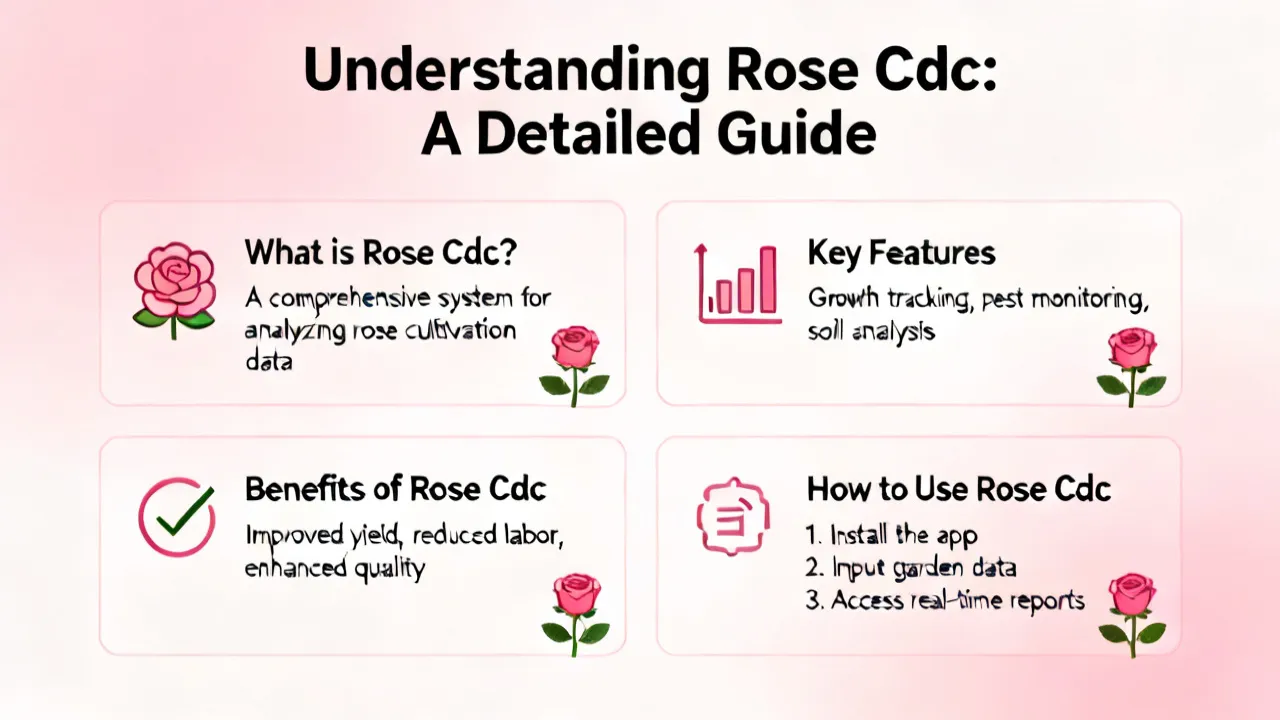
Understanding Rose Cdc: A Comprehensive Guide
This article provides an in-depth exploration of Rose Cdc, a term rapidly gaining attention in specific industries. Our discussion delves into the significance and application of Rose Cdc, its potential impact on various sectors, and expert insights into its future developments. This comprehensive analysis is designed to inform readers about the multifaceted aspects of Rose Cdc, its current applications, and potential advancements.

Understanding Compliance and AML Strategies
This article delves into the intricate realm of Compliance and Anti-Money Laundering (AML) strategies, highlighting their significance in the corporate world. Compliance AML refers to the organizational adherence to legal standards and regulations to deter financial crimes, ensuring transparent and ethical financial practices. This comprehensive guide examines these strategies' complexities and their pivotal role in safeguarding economic integrity.

Mastering Inbound B2B Strategies
The foundation of successful B2B strategies often lies in the effective implementation of inbound marketing techniques. In today's globally connected business environment, inbound B2B strategies have become critical for companies seeking to engage target audiences, optimize lead generation, and establish long-lasting partnerships. Understanding these strategies is essential for companies aiming to thrive in competitive markets.

Exploring B2B MBA Opportunities
Dive into the dynamic world of B2B MBA programs, designed for professionals seeking to enhance their strategic and management skills in a business-to-business context. This comprehensive guide discusses the significance of B2B MBAs in today's market, highlighting how these programs equip leaders with the expertise to navigate complex B2B relationships and drive business success.

Understanding Whitewater Regenerative Blowers
Whitewater Regenerative Blowers are essential in various industrial applications for their efficiency in moving air and gases. These blowers are known for their durability and ability to operate continuously, making them a preferred choice for industries ranging from wastewater treatment to aquaculture. This article explores their features, benefits, and applications, offering readers a comprehensive understanding of their importance in modern industry.

Mastering Employee Retention Strategies
Employee retention has become a critical aspect of organizational success, particularly in the dynamic landscape of 2020. As businesses strive to maintain a stable and productive workforce, understanding effective retention strategies is essential. This article delves into key methods for enhancing employee satisfaction and retention, offering a comprehensive guide for HR professionals and business leaders alike.
