B2B remittance forms the backbone of international trade, allowing businesses to execute cross-border transactions seamlessly. It involves transferring large amounts of funds between businesses, often across different countries. This article explores the mechanisms of B2B remittance, its importance in global commerce, and how technological innovations are enhancing this essential financial service efficiently and securely.
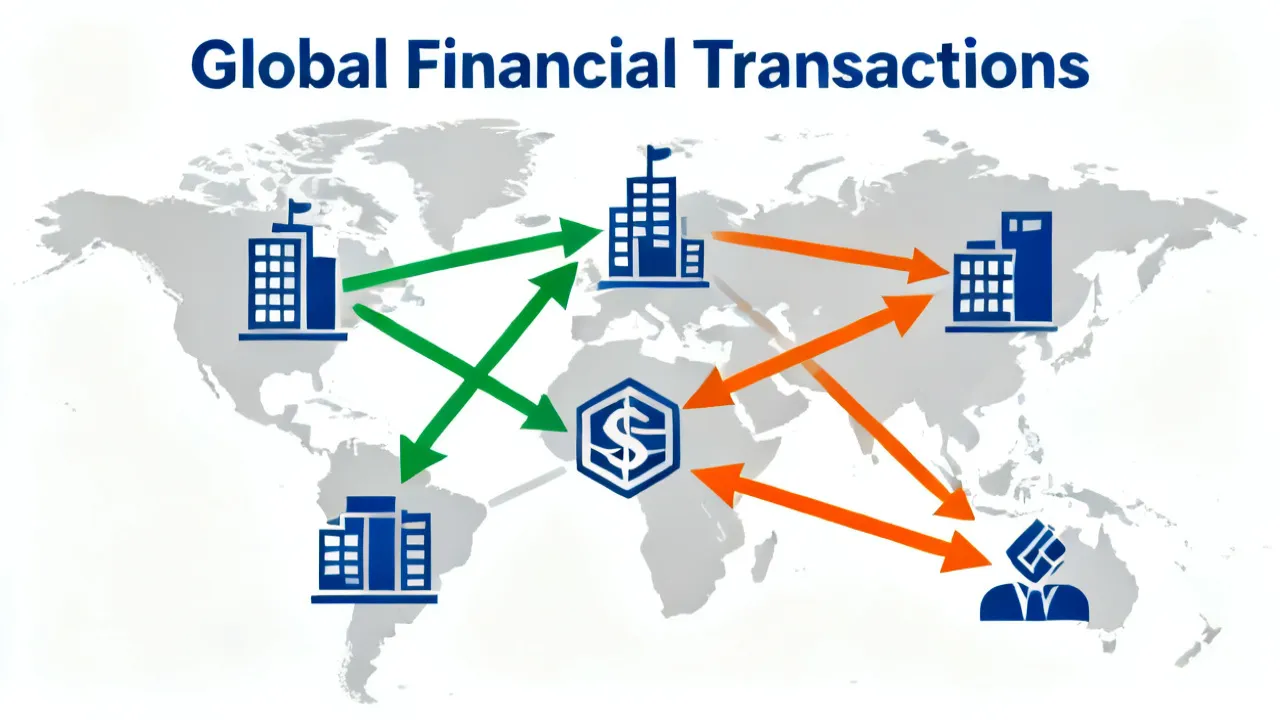
In the realm of international trade and commerce, B2B (Business-to-Business) remittance is a pivotal element that enables businesses to engage in financial transactions across borders smoothly. This financial service forms the bedrock of global trade, facilitating the transfer of substantial sums of money between companies, ensuring that transactions are executed seamlessly despite the geographical divide. The efficiency of B2B remittance impacts the liquidity of supply chains, influences procurement strategies, and ultimately affects a company's ability to seize new market opportunities.
B2B remittance involves the execution of transactions between businesses, where funds are transferred from one organization's bank account to another. Traditionally, this was done through banks, which are still vital players in the ecosystem. However, in recent years, fintech innovations have revolutionized the way businesses manage these transactions. The process typically begins with the initiating company instructing its bank to transfer funds to a supplier's bank account. This involves intermediary banks or payment processors that help facilitate the transaction, especially when dealing with different currencies.
Several modern B2B remittance solutions utilize electronic platforms that offer speed, transparency, and security, enhancing overall efficiency. These platforms help eliminate the complexity often associated with international transactions, such as currency exchange and compliance with regulatory requirements by leveraging technology for automatic validation and processing. Furthermore, these systems can provide real-time tracking and reporting, allowing businesses to manage cash flows effectively and strategically plan their finances.
One of the crucial aspects of B2B remittance is the establishment of reliable suppliers. Businesses need to ensure that their suppliers, who often operate from different countries, are credible. This assurance forms a significant part of the risk management strategy, ensuring that goods are paid for, shipped, and delivered in time, thus maintaining the supply chain's integrity. The loss of trust in a supplier can lead to interruptions in production or supply, translating into financial losses and damaged reputations.
To build relationships with reliable suppliers, businesses should conduct thorough due diligence and risk assessments that encompass financial stability checks and reviews of the supplier’s operational practices. Suppliers should also demonstrate their compliance with international standards and regulations, which protects businesses from potential legal repercussions and enhances their supply chain reliability.
The advent of blockchain technology and cryptocurrencies has brought about significant changes in B2B remittance. Blockchain ensures that transactions are secure and transparent, while cryptocurrencies offer an alternative to traditional currency exchanges by eliminating intermediaries, thereby lowering transaction costs and time delays. The decentralization of transactions through blockchain is not only enhancing security but also providing unprecedented levels of transparency in the payment process.
Moreover, businesses can utilize smart contracts—self-executing contracts with the agreement directly written into code on the blockchain. These transactions automatically execute and validate when certain conditions are met, reducing human error and operational costs. Companies engaging in international trade can leverage these technologies to streamline payments, mitigate risks associated with currency fluctuations, and reduce the need for extensive reconciliation processes.
| Aspect | Traditional Solutions | Modern Solutions |
|---|---|---|
| Speed | Several days | Fast to a few hours |
| Transparency | Limited | High (e.g., blockchain) |
| Costs | High transfer fees | Reduced fees with digital currencies |
| Security | Moderate | Enhanced with advanced technologies |
Implementing a B2B remittance system requires strategic planning and execution. Here is a step-by-step guide to facilitate integration:
For successful B2B remittance, businesses must adhere to several conditions:
To better understand the transformative impact of modern B2B remittance solutions, it’s useful to look at real-world examples of companies that have successfully integrated these innovative systems into their operations.
A mid-sized tech firm with international suppliers made the decision to shift from traditional bank transfers to blockchain-based payments. The company faced significant delays and high transaction fees using conventional methods, especially when sending payments to suppliers in countries with weaker banking systems.
Upon implementing a blockchain platform, transaction speeds improved dramatically. Payments began processing in hours rather than days, allowing the company to maintain adequate inventory levels and build stronger relationships with suppliers. Additionally, the transparency of blockchain technology reduced disputes regarding payment statuses and helped the firm maintain better compliance with international regulations.
An e-commerce company found itself challenged by high transfer fees due to the diverse array of payment systems its international suppliers used. This significantly impacted their profit margins. To resolve this issue, the company teamed up with a fintech provider offering a tailored B2B remittance solution that allowed for bulk payment processing.
This collaboration not only slashed transaction costs by over 30% but also streamlined the payment process, enabling the e-commerce firm to expand its operations and explore new markets without the stress of financial transaction bottlenecks. Their ability to pay suppliers promptly improved vendor trust and led to more favorable terms, enhancing their overall competitive edge.
What are the benefits of using modern B2B remittance solutions?
Modern solutions offer increased speed and transparency, reduced costs, and enhanced security through advanced technologies like blockchain. Furthermore, the predictive analytics these platforms provide can help businesses in financial forecasting, allowing better cash flow management.
How does blockchain impact B2B remittance?
Blockchain ensures transaction security and provides a transparent ledger for all parties, making audits easier and more reliable. Moreover, blockchain's decentralized nature minimizes the reliance on intermediaries, leading to more efficient transactions.
What factors should I consider when selecting a B2B remittance provider?
Consider transaction fees, speed, global reach, regulatory compliance, the technology used for processing transactions, and how well they integrate with existing systems. Additionally, assess the provider's reputation and customer service quality, as these factors will contribute to the overall effectiveness of your remittance process.
B2B remittance is an indispensable service for businesses engaged in international trade. As technological innovations continue to advance, the complexity and cost associated with these transactions show promising reductions, granting businesses more agility and confidence to expand their global operations. Looking ahead, businesses that adapt quickly to these advancements will not only survive but thrive in an increasingly interconnected global economy.
As we look to the future, it is clear that B2B remittance will continue to evolve in response to technological innovations, changing economic landscapes, and shifting customer expectations. Key trends are beginning to emerge that will shape the future world of B2B remittance.
Artificial intelligence (AI) is set to redefine B2B remittance processes. By employing advanced algorithms, AI can analyze transaction data to detect irregularities, reducing the likelihood of fraud. AI can also facilitate predictive analytics, allowing businesses to forecast cash flow needs accurately and optimize payment schedules based on supplier reliability.
With globalization fueling an explosion in cross-border e-commerce, the demand for seamless B2B remittance solutions is anticipated to soar. Companies engaged in e-commerce will require faster, more efficient ways to pay suppliers and manage international transactions as online shopping platforms expand their reach into diverse markets.
As the B2B remittance environment grows, regulatory requirements will concurrently become more stringent. Businesses must stay proactive in complying with regulations such as the General Data Protection Regulation (GDPR) in the EU or similar measures in other jurisdictions. This focus on regulatory compliance will necessitate cooperation between remittance service providers and businesses to ensure secure data handling and privacy standards are upheld.
With increasing consumer awareness, companies are under pressure to demonstrate their commitment to corporate social responsibility. B2B remittance will need to adapt to support ethical practices, ensuring that supply chains are not only efficient but also socially responsible. This may involve selecting suppliers based on sustainability practices or implementing ethical sourcing initiatives.
As businesses adjust to these changes, they must remain vigilant in tracking industry trends and technological advancements in B2B remittance. Firms willing to innovate and embrace these changes will be in a stronger position to capitalize on new opportunities and mitigate the risks associated with international commerce.
In conclusion, B2B remittance is an essential component of global business operations, propelling companies toward successful international engagement. The transformative power of technology and the evolving landscape of regulations pose both challenges and opportunities. It is crucial for businesses to develop not only robust remittance frameworks but also to cultivate strong supplier relationships, maintain compliance, and leverage advancements such as blockchain and AI. In doing so, organizations can enhance their financial agility, bolster competitive advantage, and navigate the complexities inherent in a global marketplace effectively.
Striking the Perfect Balance: Navigating Premiums and Out-of-Pocket Expenses in Senior Insurance Plans

Explore the Tranquil Bliss of Idyllic Rural Retreats

How to Make Lasting Memories at Disneyland Attractions

Affordable Phones and Plans for Seniors

Affordable Full Mouth Dental Implants Near You

Unlock the Top Kept Secrets to Finding Your Ideal Dentist for Flawless Dental Implant Results!

Discovering Springdale Estates

Unveiling RS Sul Telecom Services

The Guide to Car Trading


Understanding Compliance and AML Strategies
This article delves into the intricate realm of Compliance and Anti-Money Laundering (AML) strategies, highlighting their significance in the corporate world. Compliance AML refers to the organizational adherence to legal standards and regulations to deter financial crimes, ensuring transparent and ethical financial practices. This comprehensive guide examines these strategies' complexities and their pivotal role in safeguarding economic integrity.

Mastering Inbound B2B Strategies
The foundation of successful B2B strategies often lies in the effective implementation of inbound marketing techniques. In today's globally connected business environment, inbound B2B strategies have become critical for companies seeking to engage target audiences, optimize lead generation, and establish long-lasting partnerships. Understanding these strategies is essential for companies aiming to thrive in competitive markets.

Exploring B2B MBA Opportunities
Dive into the dynamic world of B2B MBA programs, designed for professionals seeking to enhance their strategic and management skills in a business-to-business context. This comprehensive guide discusses the significance of B2B MBAs in today's market, highlighting how these programs equip leaders with the expertise to navigate complex B2B relationships and drive business success.

Understanding Whitewater Regenerative Blowers
Whitewater Regenerative Blowers are essential in various industrial applications for their efficiency in moving air and gases. These blowers are known for their durability and ability to operate continuously, making them a preferred choice for industries ranging from wastewater treatment to aquaculture. This article explores their features, benefits, and applications, offering readers a comprehensive understanding of their importance in modern industry.

Mastering Employee Retention Strategies
Employee retention has become a critical aspect of organizational success, particularly in the dynamic landscape of 2020. As businesses strive to maintain a stable and productive workforce, understanding effective retention strategies is essential. This article delves into key methods for enhancing employee satisfaction and retention, offering a comprehensive guide for HR professionals and business leaders alike.

Discover the Allure of Splendys
Splendys stands as a beacon of innovation and style within the consumer goods sector. Known for their commitment to quality and style, Splendys products range from luxury apparel to sophisticated home decor with a modern twist. Their unique offerings cater to discerning customers seeking both function and aesthetics, positioning Splendys at the forefront of contemporary design excellence.
